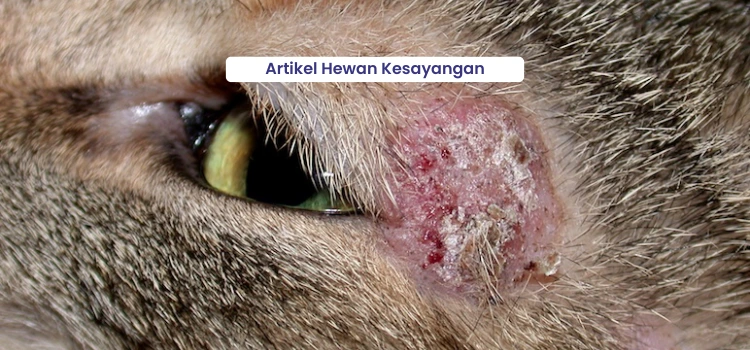
One of the diseases that often occurs in cats is a skin disease. There are many causes for cats to have skin issues, one of which is a fungal infection. Fungal infections on the skin must be treated immediately because they make the cat uncomfortable and are easily transmissible.
Ringworm, Fungal Disease on Cat Skin
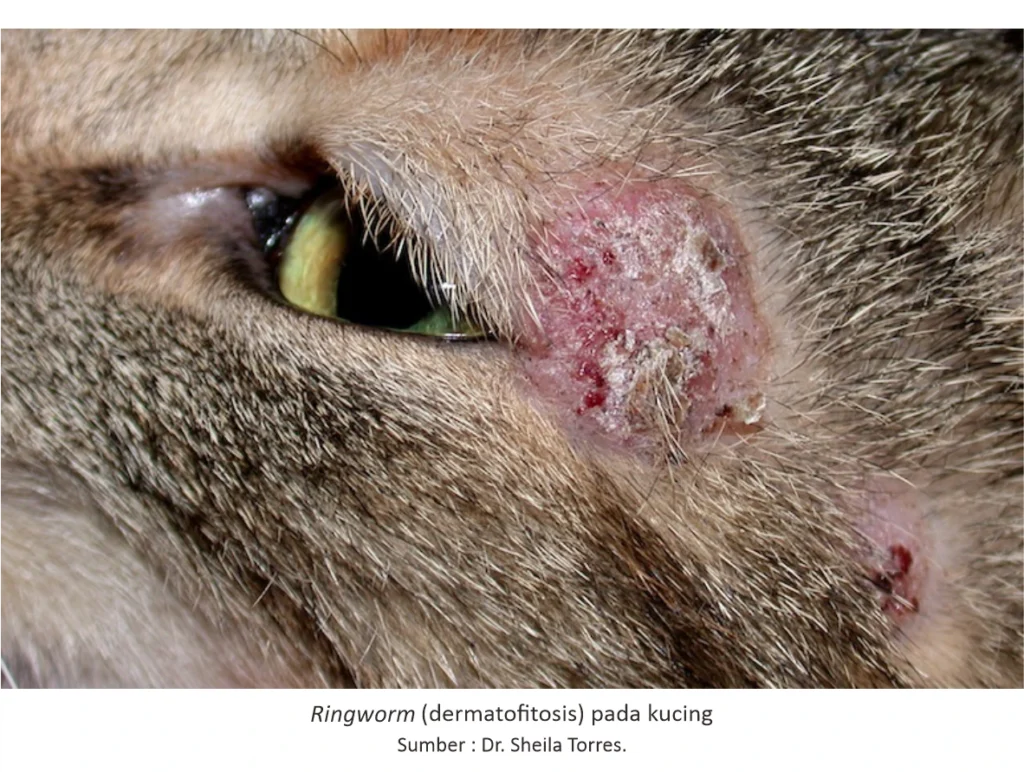
Fungi are parasites that can produce spores (reproductive units) and can cause various health problems in cats. The most common fungal infection in cats is ringworm (dermatophytosis), which can affect skin, fur, or claws. The types of fungi that can cause ringwom include Microsporum, Trichophyton, and Epidermophyton. This disease is very contagious among cats and can even spread to humans (zoonosis). Transmission of ringworm can occur through direct contact with an infected cat or via an environment contaminated with fungal spores. Some conditions that can increase ringworm cases in cats include:
- Young or old cats with weak immune systems
- Damp, warm environmental conditions
- High-density cat populations in one location (such as a shelter)
- Cats with compromised immunity due to diseases like feline leukemia virus (FeLV) or feline immunodeficiency virus (FIV)
- Long-haired cat breeds
Symptoms observed when a cat has ringworm include:
- Dry, rough skin
- Hair loss or bald patches
- Changes in skin or fur coloration
- Skin inflammation (redness)
- Itching, frequent scratching
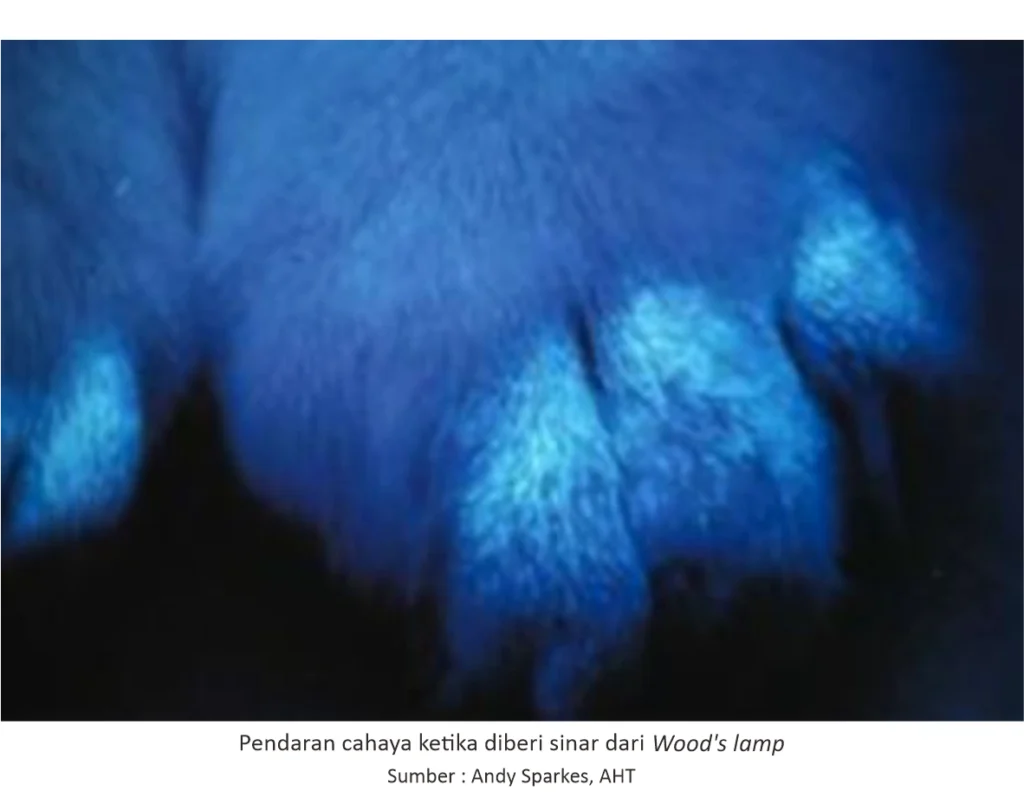
Ringworm or fungal infections are often mistaken for scabies caused by mites. These two diseases share many similar symptoms, which is why diagnostic examination is necessary to determine the correct cause. Fungal infection testing can be done at a veterinary clinic, one method being with the assistance of a Wood’s lamp. Exposure of the suspected area to Wood’s lamp may show a different or fluorescent color in the infected area. Other examinations may be carried out by the veterinarian by taking a sample from the area of the cat’s skin that appears to be infected.
Proper Ways to Treat Ringworm in Cats
Cats with ringworm need prompt treatment so the condition doesn’t worsen and to prevent further spread. ringworm Generally, antifungal treatment requires a relatively long time to completely eradicate the infection. The following measures can be taken to handle ringworm cases in cats include:
- If multiple cats live together, separate the sick cat from others to prevent disease transmission
- Treat the cat with a topical medication such as Golden Pet Antifungal Ointment. Topical medication is suitable for ringworm cases that involve only a small or limited area. The topical application aims to kill the fungal spores on the cat’s fur. For more severe ringworm cases affecting nearly the entire body, oral therapy that works systemically may be needed. A combination of topical and oral therapies may also be used to achieve better treatment results
- The fur in the ringworm area may be shaved first before applying topical therapy. However, it should be noted that shaving can spread spores further and contaminate the environment. Clean the shaving tools and surrounding environment after shaving
- Clean and disinfect the cat’s surrounding environment to stop spore spread and ringworm transmission ringworm.
Due to Indonesia’s fairly high humidity conditions, ringworm cases occur quite frequently. Cat owners should continuously maintain the health of their pets and keep their living environment clean to avoid ringworm However, if a case of ringworm does occur, it must be promptly addressed to resolve it quickly and prevent transmission to other cats.