The rainy season brings happiness to farmers because grass plants as forage crops thrive. However, during the rainy season farmers need to increase their vigilance against health problems that can occur. In general, during the rainy season livestock will be more susceptible to disease. This can be triggered because the endurance of livestock decreases due to weather stress due to uncomfortable environmental conditions with cold temperatures and high wind speeds. When the rainy season arrives the development of disease seedlings will increase because a humid environment is an ideal condition for the growth of bacteria, viruses, parasites, and fungi. In addition, with increased rainfall can be at risk of reducing feed quality.
Health problems that often appear
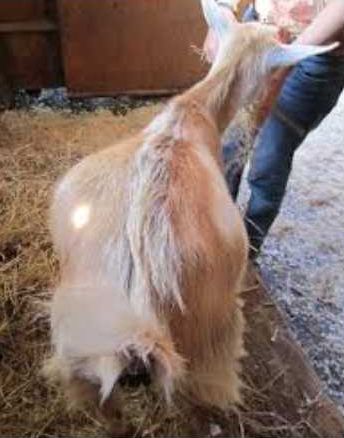
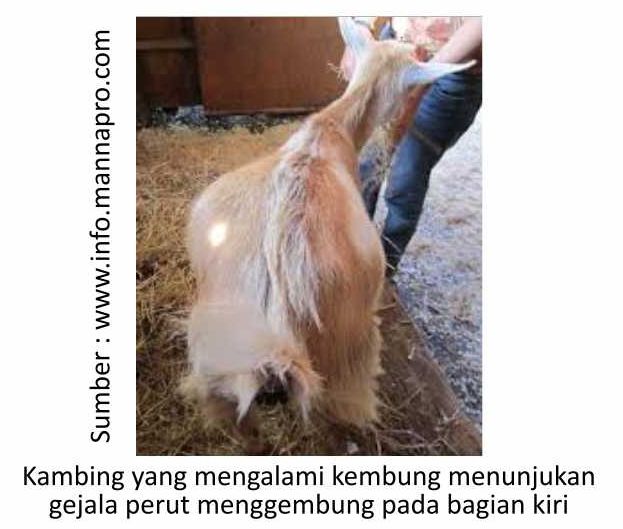
High rainfall conditions will cause the forage to become wet. Wet forage especially in young forage will trigger bloating in livestock. In addition, it can also cause diarrhea because the grass that is eaten contains a lot of water and is at risk of being contaminated with dirt and disease agents during the rainy season. When eaten by livestock, it will be easy to get diarrhea.
The incidence of worms in livestock also increases during the rainy season. When high rainfall will cause stagnant water and potentially worm larvae stick to the grass so that it is eaten by tenak. Worms can cause economic losses for farmers, such as weight loss, stunted growth, deterioration in the quality of meat and offal, and decreased milk production.
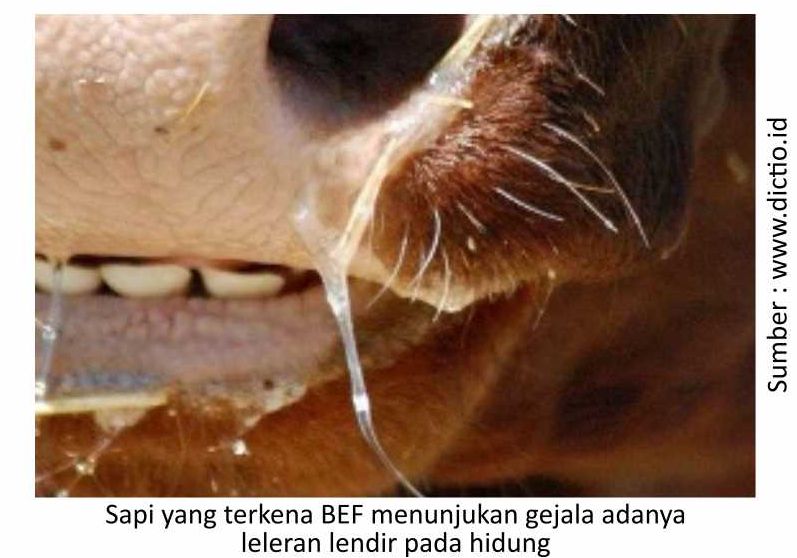
Diseases that also increase the incidence during the rainy season, namely Bovine Ephemeral Fever (BEF) or three-day febrile illness. The increased spread during the rainy season of this disease is influenced by mosquito vectors that are found during the rainy season and strong winds that are moist and wet that will spread the vector.
Non-infectious diseases that are at increased risk during the rainy season are injuries or trauma due to slippery cage conditions. This will make the cattle easily slip or fall. The wound can become worse if the cage is dirty and many flies that will trigger infection and myasis or maggots.
In addition, one problem that can arise during the rainy season is the increasing population of flies in cages. This certainly needs to be watched out because it will indirectly interfere with livestock activities, interfere with workers and the surrounding community and will trigger diseases, such as myasis or maggots caused by fly larvae.
Maintaining livestock health
Actions that can be done to keep livestock healthy during the rainy season is to maintain sanitation and cleanliness of the cage. During the rainy season the cage cleaning routine must be optimized to ensure the cleanliness of the cage is maintained. Avoid stagnant water in the cage and try to keep the cage floor dry. The floor of the cage that has been damaged should be repaired immediately. Livestock manure is collected in a special location to be dried or processed so that it does not accumulate and muddy.
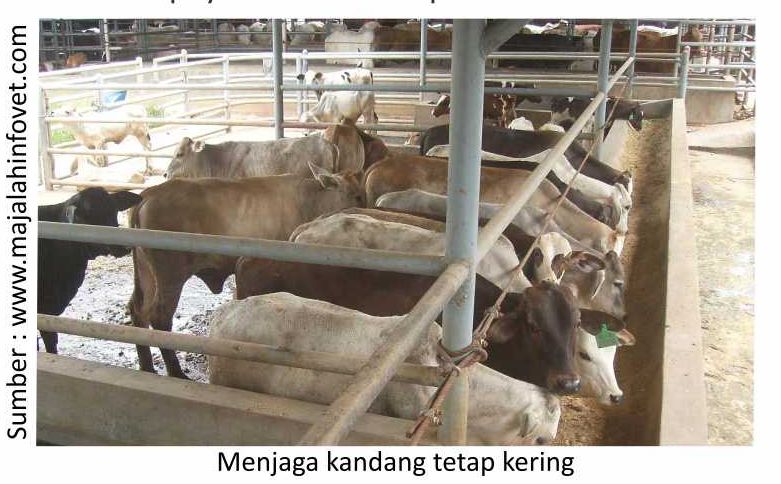
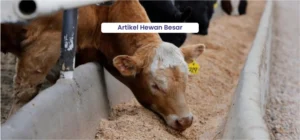
During the rainy season, livestock should be kept in cages, but the population of livestock in cages should not be too dense to avoid triggering factors for the emergence and transmission of diseases.
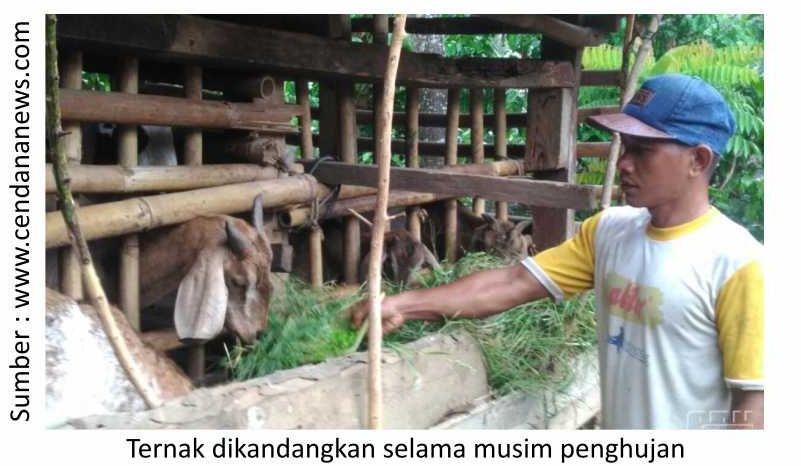
Forage to be given to livestock needs to be done first, for example by aerating. Try to harvest forage at a time when the sun is already rising higher and cutting above the surface of the water. Avoid giving forage feed to livestock harvested in the morning because the grass is still wet and the risk of worm larvae still attached to the upper grass.
Conduct regular observations and examinations on livestock for Disease Control as early as possible. To evaluate the signs or signals shown by livestock well, it is necessary to observe the behavior of livestock carefully. For example, decreased appetite, lethargic cattle and if the colony cage will appear aloof, the melting of mucus from the nose, bloating, diarrhea and other abnormal symptoms. This aims to immediately be known and taken action.
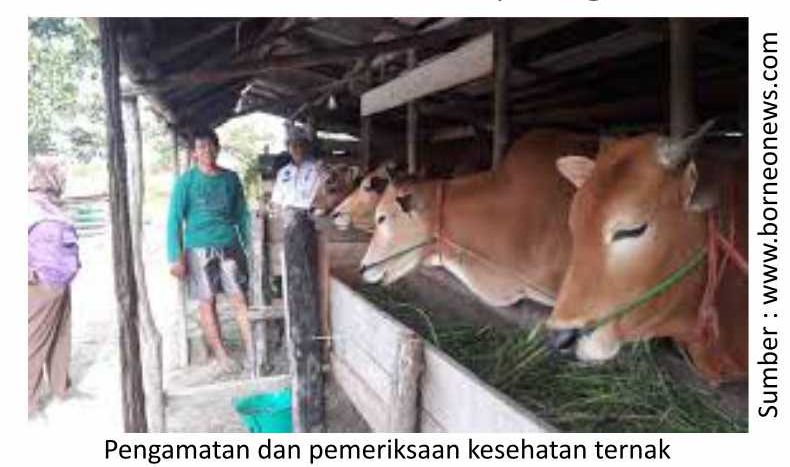
During the rainy season the immune system of livestock needs to be increased in order to stay healthy and not susceptible to disease. To increase the body's resistance, cattle also need to be given additional vitamins. For example, with Vitamin B Complex Injection or ADE-Plex Inj. To reduce the seeds of diseases that exist around the cage can be done regularly with Cage disinfection Medisep or Antisep. Preventing worms also needs to be done with a regular deworming program every 2-3 months to completely eradicate worms, such as by Wormzol-B, Wormectin Plus or Wormectin Plus-B.