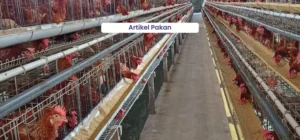
Through continuous genetic improvement, laying hens today have a high genetic potential. This can be seen from the large number of eggs (hen day high), persistence of good egg production (production up to 90 weeks of age) and efficient utilization of rations. To bring up the genetic potential, one of them is supported by the fulfillment of the nutritional needs of the chicken body.
The nutritional needs of laying hens are met from the consumption of optimal rations and the quality of good rations. In addition to meeting the basic needs of life and growth, laying hens consume rations for the purpose of egg production. Consumption of optimal rations will have an impact on optimal productivity as well. However, cases of decreased ration consumption are still common and result in low egg production.
Causes Of Low Ration Consumption
Various factors can lead to low consumption ration of laying hens, among them :
1. Quality pullet
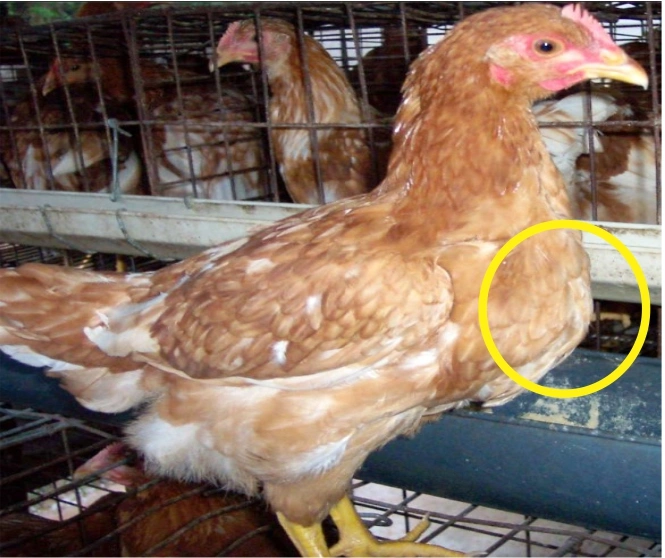
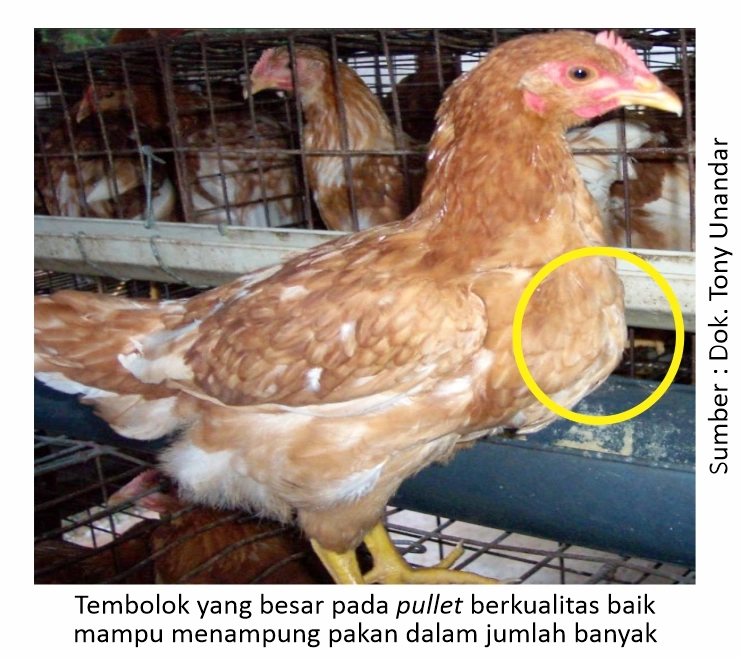
Chickens will consume rations according to the capacity of their digestive tract. Chickens with poor quality are characterized by the development of gizzards and gizzard which is not optimal. This has been observed since the period pullet. This condition, of course, leads to low consumption of rations when chickens enter the production period.
During the laying period, especially from the beginning to the peak of production, laying hens are required to achieve the target consumption of rations ranging from 80 g / head/day at the age of 18 weeks to 115 g/head / day at the age of 25-27 weeks (ISA Brown Commercial Product Guide, 2018). If the condition and quality pullet since the beginning is not good, then the target will be difficult to achieve and ration consumption will be low below the standard.
2. Feed Quality
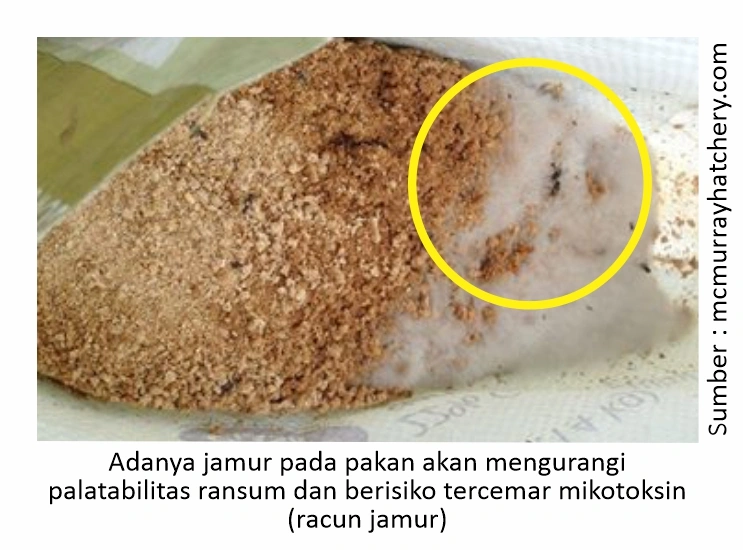
This is seen from the physical condition and nutritional content. Basically, chickens like a fresh ration, attractive in color, not musty, not infested or moldy. Changes in the physical condition of the ration will reduce consumption because the palatability (level of preference) ration and chicken appetite will decrease.
In addition, the nutritional content of the ration can affect the consumption of chicken rations. Rations with a high content of energy and coarse fiber are bulky or occupy a lot of space in the digestive tract so that it gives a feeling of satiety faster and the chicken will consume less of its ration.
3. Feed Management
The provision of rations in appropriate amounts does not necessarily guarantee that the consumption of rations will be optimal if the administration management is not appropriate. For example, inconsistent ration times can reduce consumption because chickens have their own habits and biological clocks.
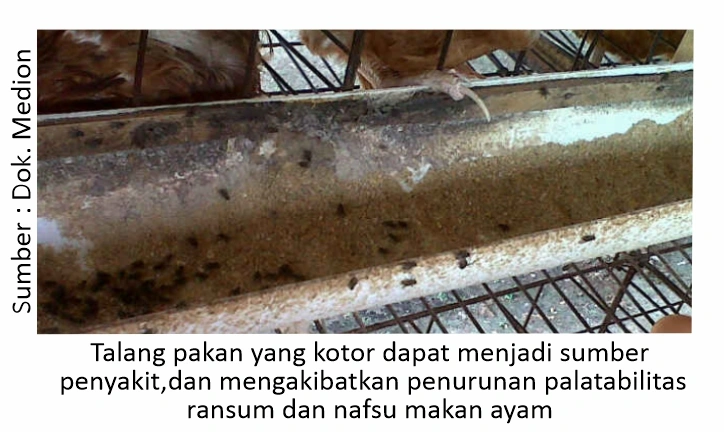
The condition of the ration and dirty drinking places can also affect, because the palatability and appetite of chickens will decrease. In addition, the sudden change of type of ration will make the chicken stressed and reduce the consumption of rations.
4. Stress
Ration consumption will decrease when chickens experience stress, both due to environmental stress and treatment stress. When stressed, the chicken's response is to focus on increasing the metabolic rate of the body's energy reserves. As a result, the rate of movement and absorption of the intestine will slow down and the consumption of the ration will decrease.
Especially when the chicken is heat stress or heat stress. The high temperature of the cage environment causes chickens panting (gasps) to stabilize his body heat. Chicken will reduce the consumption of rations to prevent additional heat from the metabolism of ration nutrients and will increase the consumption of drinking water.
5. Infectious factors (diseases)
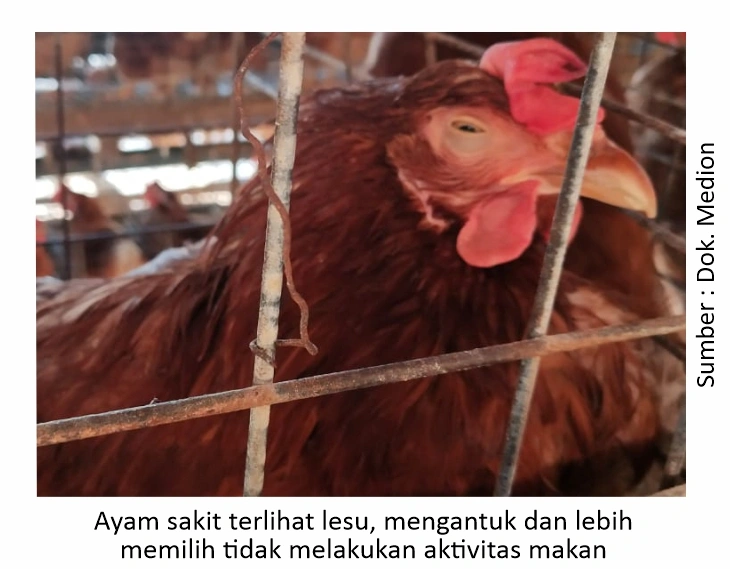
Seedlings of the disease are difficult to observe directly, but often it manifests itself in the form of symptoms in chickens, one of which is a decrease in ration consumption. The attack of disease seeds will cause damage to chicken body cells, especially antibodies, so a lot of energy is expended to repair these body cells. As a result, the chicken will limp and reduce eating activity.
Low consumption of rations will have an impact on decreasing the consumption of nutrients into the body of chickens. As a result, egg production will not be optimal, both in terms of quantity and quality. Egg production is strongly influenced by the nutrients contained in the ration, namely protein, amino acids, energy, fats, crude fiber, as well as vitamins and minerals. If one of these nutritional needs is not met through ration intake, egg production will be disrupted.
For Ration Consumption To Return To Normal
Some ways for the consumption of the laying hen's ration to return to normal are :
1. Improve the quality of the ration
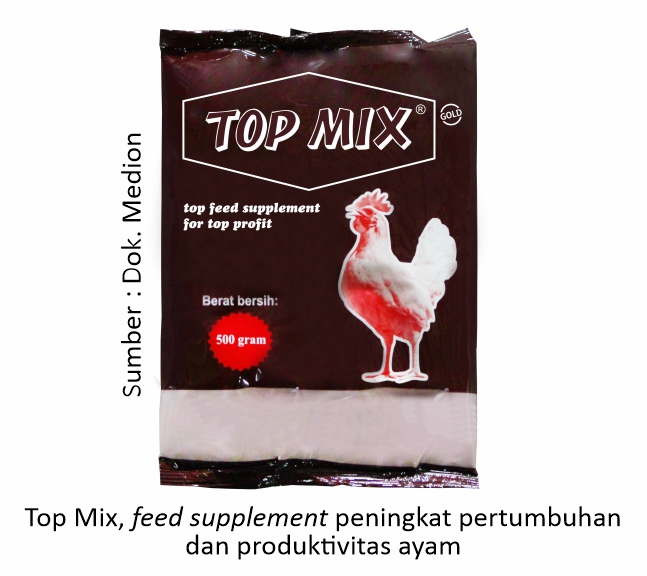
Carry out quality control of the ration both physically and chemically. Make sure the physical ration given is in good condition, namely fresh, fragrant, not infested or moldy. To maintain and increase the content of nutrients in the ration can add Top Mix or Mix Plus. Can also add Freetox to bind fungal toxins in the ration. Also perform chemical control by checking the nutritional content of the ration to the laboratory.
Medion via MediLab provides complete quality testing services of rations and raw materials, including proximate analysis, calcium, phosphorus, gross energy and levels of fungal toxins (aflatoxin). Make sure the nutritional content is up to standard and meets the needs of laying hens.
2. Improve ration management
If there is a change in the type of ration, do it gradually. Do it empty feeder technique by providing a daily ration of 40% in the morning and 60% in the afternoon. Leave the ration place empty for 1-2.5 hours during the day. Help maintain the freshness of the ration by frequently flipping through the ration and routinely cleaning the ration trough at least once a day.
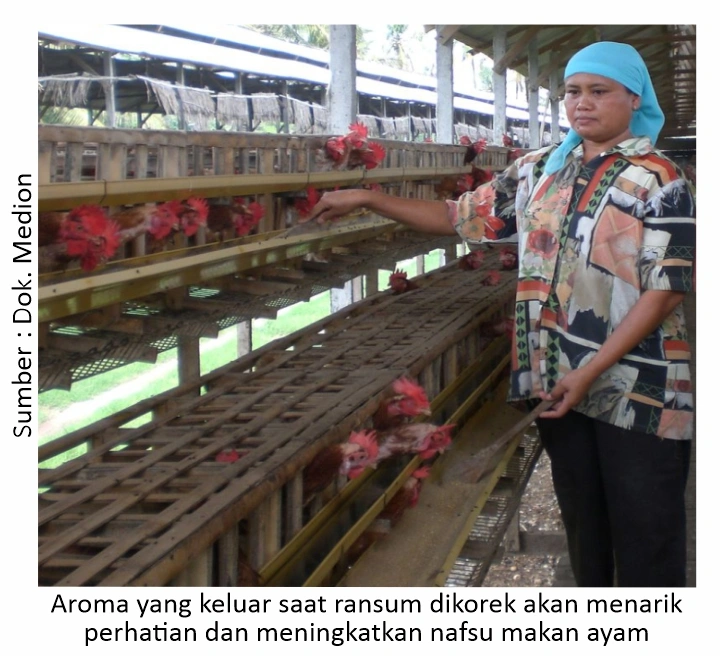
If the food is too hot, add a little salt (midnight feeding) by turning on the lights for 1 hour at midnight, can be at 00.00–01.00 or 01.00-02.00, so that chickens spend their daily rations. Midnight feeding able to increase the consumption of chicken ration by 2-5 grams per head. Also carry out regular monitoring of the increase in ration consumption from the beginning of the egg production period (18 weeks) until the peak of production is reached.
3. Minimize stress factors
Create a comfortable atmosphere in the cage and minimize stress factors in chickens such as hot weather or noise. Give additional fans to circulate air in the cage. Help the chicken deal with stress by giving Vita Stress which contains complete vitamins and electrolytes to prevent stress, increase appetite and keep the chicken's metabolic process optimal. Can also use herbal products, for example Kumavit.
4. Treat infectious diseases
To cope with the low consumption of rations due to infectious factors, treat the disease in advance. After that, make efforts to prevent disease by implementing vaccination programs on schedule and implementing biosecurity. Laying hens that have entered the production period, should be done monitor antibody titers against ND, AI and IB are routinely ideally once a month. In addition, do supportive therapy by giving herbs such as Imustim which works as an immunostimulant to enhance the immunity of poultry.
Identify the causes of low ration consumption in laying hens. If there is a decrease in consumption, immediately take corrective action according to the cause. Hopefully useful and add insight. Salam