Green berak disease is often discussed by poultry hobbyists. The occurrence of green poop can be caused by various causes, namely non-infectious factors such as chickens not eating, or infectious factors (diseases) such as cholera, ND, AI, malaria, “malaria like” and so on. In this edition will be discussed about cholera. Cholera that attacks poultry including fighting chickens is caused by bacteria Pasteurella multocida. Bacteria P. multocida includes Gram-negative, non-motile, does not form spores and can grow aerobically and anaerobically. These bacteria are resistant to living in soil or decaying materials for several months. However, bacteria P. multocida easily damaged or killed by various disinfectants and direct sunlight.
The incidence of cholera disease can be triggered by several factors. Such as stress conditions due to extreme weather, sudden ration changes, excessive physical exercise, immunosuppressive disease attacks (Gumboro, coccidiosis, ND, AI, Mycotoxicosis, etc.), poor feed storage and dirty and damp cage conditions. Cage conditions that are not kept clean, make bacteria grow quickly.
Disease Transmission
Cholera which is often referred to as green berak is a disease that is easily transmitted from one fighting chicken to another fighting chicken horizontally. Transmission can occur by direct or indirect contact. Directly, laga chickens are infected P. multocida after direct contact with sick chickens or chickens carrier that has healed. Indirect transmission can be transmitted through feed, drinking, equipment, cage attendants, soil contaminated with bacteria. Transmission can also occur through contact with wild animals (e.g. rats) and insects (especially flies) that carry the bacteria P. multocida.
Sick fighting chickens will secrete bacteria mainly through feces or feces. Bacteria that enter the chicken's body will multiply mainly in the digestive tract of chickens. Bacteria that have multiplied in the intestine then enter the blood circulation to the target organ. Such as the heart, liver, kidneys and lungs. Chickens that have been infected with this disease and then recover can act as carrier or carrier.
Symptoms Of The Disease
Cholera can affect chickens at any age. Some clinical symptoms that appear include:
- Decreased appetite, lethargy.
- Diarrhea that is initially yellowish watery, then greenish accompanied by mucus (slime).
- Increased respiratory rate.
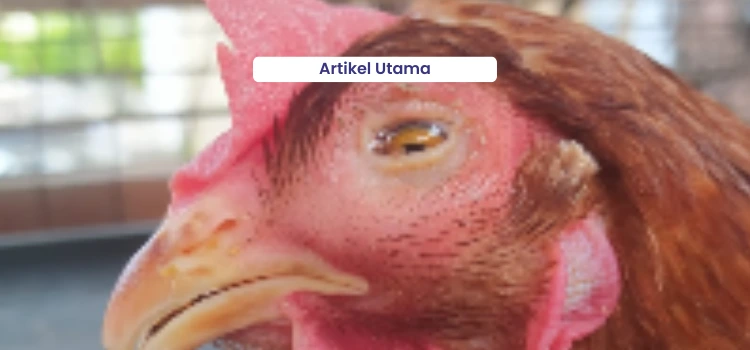
- The face, Combs and Wattle swell to contain cheesy and solid matter.
- Cyanosis (purplish-bluish discoloration of the skin) sometimes appears shortly before death and is usually visible on hairless areas of the body such as wattles and Combs.
Cholera disease can occur in an acute form so that the clinical symptoms that appear are visible several hours before death occurs. But it can also take place chronically. The chronic form of cholera disease can last for 3-4 weeks.
In chicken carcass surgery will be seen inflammation of the trachea, bleeding in the form of ptechiae (points) or echymosis (spread or spread) on the heart, lungs, heart fat and abdominal fat. The liver enlarges in stripes and there are white spots of necrosis (tissue death).
Disease Management
Chickens suspected of being infected with green berak disease or cholera, handling measures that need to be done are :
- Chicken carcasses are immediately removed or buried as far away from the rearing cage as possible.
- Immediately separate chickens with mild symptoms in different cages (isolation cages). So as not to become a source of infection for other chickens.
- Treatment can be done by giving antibiotics for example Ultraflox-K, Tinolin Injection or Neo Meditril (chicken fight). For the determination of the diagnosis and appropriate treatment, can contact the team of medical personnel or animal health.
- Supportive therapy should be given with multivitamins such as Solvit or Vita Stress to accelerate healing.
- Treatment should be carried out correctly and thoroughly to prevent chickens carrier.
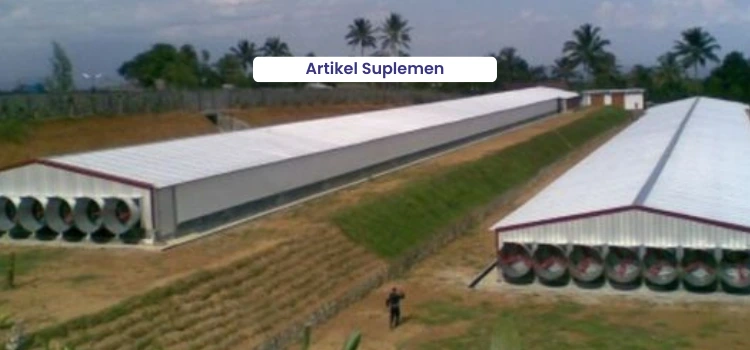
- Support with good game chicken maintenance, such as smooth air circulation, clean and not damp cages.
- For example, the use of biosecurity measures, such as daily spraying of the cage with disinfectants (Neo Antisep, Medisep or Zaldes).
Disease Prevention
To prevent fighting chickens from Green berak disease or cholera can be done in several ways, including:
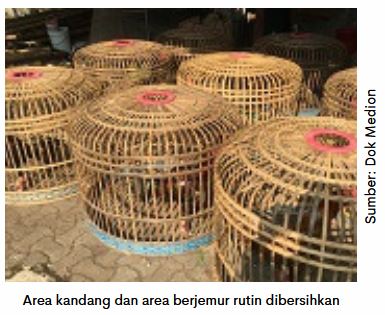
- Good implementation of cage sanitation and disinfection. Sanitation and disinfection during the maintenance period must be constantly carried out. Sanitize and disinfect the cage area, sunbathing area, umbaran area and the environment around the cage regularly at least once every 1 Week. This is to prevent disease-causing bacteria from multiplying. Desindection can be done with Medisep, Antisep or Neo Antisep.
- Eradication of disease-carrying vectors such as rats and flies. Carry out regular and programmed control of rodents wandering in the cage. This can be done by setting traps. To reduce the population of flies can be used products Larvatox and Flytox.
- Equipment cage (feed, drinking place) regularly washed thoroughly and perform disinfection with Medisep.
- Supplementation is important to maintain optimal endurance of fighting chickens so that they are not susceptible to disease. For example, by giving Solvit or Vita Stress.
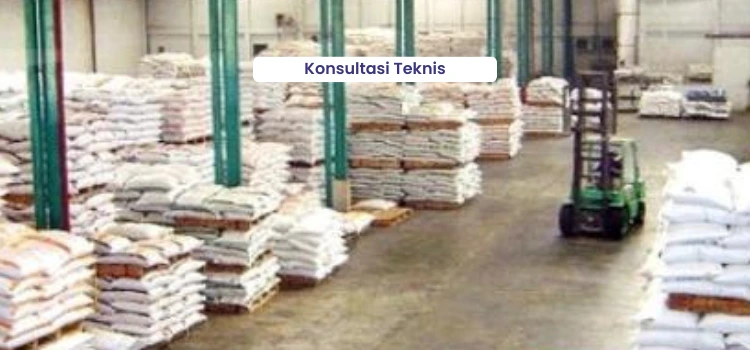
- Feed storage in a place that is not damp and use pallet to maintain feed quality.