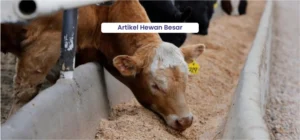

The critical period of the arrival of feed cows is the initial adaptation period in the first week to 14 days. Especially during the first 72 hours of arrival. During this period there will be a decrease in feed consumption and cow immunity. So it is necessary to be vigilant and pay special attention so as not to cause harm.
Impact of Transport stress on cattle
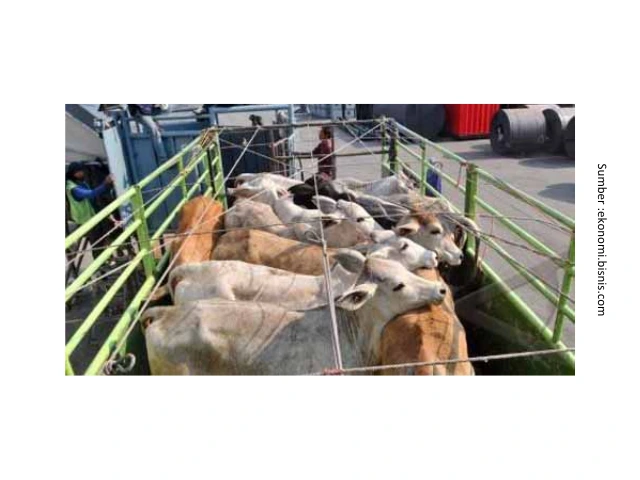
Conditions during the trip are related to the length of time, road conditions, density, fulfillment of feed and drinking water that trigger changes in the condition of cows. Lack of post-transport handling such as not optimal environmental adaptation to changes in weather and heat, feed conditions and energy recovery will have an impact on increased cortisol and homeostatic disorders that can cause oxidative stress. Stressful conditions will have a significant impact on the cow, such as:
- On transportation for 6 hours will lose 2-3% body weight. On a 12-hour transport can lose up to 6-7% body weight (Tadich, 2005).
- In the 12-hour inter-island transportation, cortisol can increase 2.5 times so that cows show restless behavior and decreased feed consumption (Suryadi, et al. 2018).
- Traveling for 6-24 hours can cause acute stress and physiological disturbances, but cows can return to their original condition within 24 hours of arrival, if travel and post-transport conditions are adequate such as rest time, feed and drink fulfillment. Restoration of the cow's condition can take 24 hours-5 days.
- Post transport the number of white blood cells (lymphocytes) may decrease resulting in decreased immunity. The risk of infection, especially respiratory diseases (shipping fever) will increase and respiratory diseases will be easy to infect.
- Chronic stress also affects the quality of meat produced through increased glycogenolysis and decreased muscle glycogen reserves. Meat can be Dark (dark), Firm (hard textured), Dry (dry) or commonly called DFD meat. This condition can occur because before cutting, the cow experiences stress for a long time (chronic). In addition, cows that are slaughtered in a state of acute stress (short term) will produce meat with a low pH and experience excess lactic acid buildup so that the meat becomes Pale (pale), Soft (mushy), Exudative (wet) or commonly called PSE meat.
Post-Transport stress control strategies
Stress conditions can have an impact on various aspects of cow productivity, efforts to reduce the effects of stress is very important. Things that can be done to minimize stress so that the cow's daily body weight and meat quality are not compromised include:
Managing the arrival of cows
The process of lowering the cattle from the transport vehicle or unloading done with safe and comfortable handling or minimizing stress treatment factors. For example, it is done at cooler times such as evening or night. When it arrived at the destination location, the process unloading it should be done calmly, not noisy and not rude. In addition, the process unloading it needs to be done in a place that has been specially designed to make it easier for livestock to get on or off the vehicle. Cows that have arrived need to be placed in quarantine pens and checked for health status. Provide fresh food and drinking water and give Transolite as an energy intake enhancer.
Cage and feed management
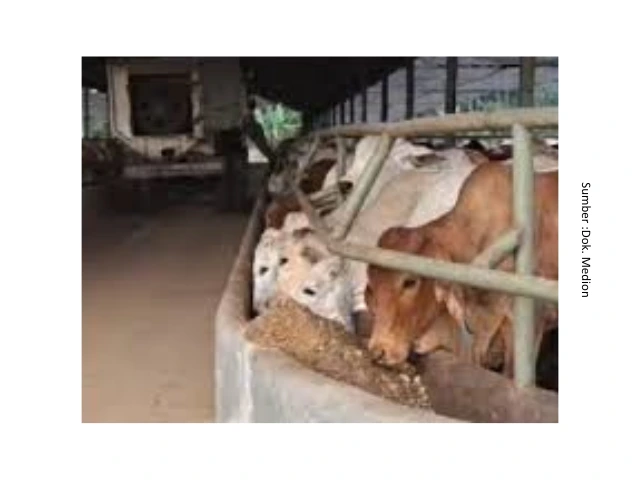
Provide a place for shelter or a shaded cage so that it can prevent direct sunlight from contacting the livestock. Ventilation of the cage also needs to be sufficient so that air circulation runs well. Balanced feed modification and adjusted maintenance phase (adaptation). Feed can be given at low temperature times such as morning and evening in always fresh conditions. Carry out the feeding process gradually. The condition of the rumen is not ready to receive high energy feed will cause changes in the microbial balance of the rumen so that the risk of rumen acidosis.
Provide feed by increasing its nutrient density. An increase in the nutrient density of animal feed is necessary to meet nutritional needs despite a decrease in appetite. Feed must match the needs of livestock that include energy, protein, vitamins and minerals. If there is a change of feed, it must be done gradually to prevent cows from being stressed and experiencing digestive disorders. Make sure the physical quality of cow feed, especially concentrate, is still good and fresh. If necessary, invert the concentrated feed as often as possible so that the cow is interested in eating. Add premix Mix Plus Cattle Pro into concentrates or cow feed to help increase consumption and provide micronutrient needs for cows. Clean and fresh drinking water should always be available. Enough drinking water needs clean, fresh (temperature 21-24°C) and easy to reach cows that are eating or taking shelter.
Sanitation and biosecurity
Workers are required to spray disinfectants, for example by using Zalde and workers enter the cage by changing clothes, using special cage boots. Items that will enter the farm area must be disinfected first. Limit guests to enter the farm area and guests must comply with farm regulations with disinfectant spray, using special shoes or clothing. Each incoming vehicle must be disinfected and passed through the dipping tub using a disinfectant Medisep or Sporades. Quarantine newly arrived livestock for at least 14 days and disinfect the enclosure area during the quarantine period. Observe health every day and if there are cows that show symptoms immediately isolate lakunan do handling. Also apply cage biosecurity by disinfecting the cage area and regularly disinfecting equipment.
Maintain health and endurance
Upon arrival and during the quarantine period check the health of the cow. Observe the behavior and symptoms that appear in livestock and make observations every day. It's a great way to start a healthy diet (ADE Plex Inj) and anthelmintic (Wormzol Suspension or Wormectin Liquid). The administration of Juda electrolytes helps to overcome post-transport stress due to weather changes or adaptation as well as vaccination treatment and to increase endurance. Electrolytes help reduce muscle fatigue during transport or handling, maintains the condition of body fluids, prevents a decrease in muscle metabolic performance. Administration of vitamin C in Transolite will play a role in neutralizing free radicals, preventing muscle cell damage, improving the immune system so that cows are more resistant to stress and infection. Transolite as a supplement containing vitamins, minerals and amino acids can help meet the nutritional needs of livestock when experiencing stress.
The arrival phase of the cow is a crucial period. Cows experience stress from transportation, handling, environmental changes, and feed adaptation. Ideal procedure for the arrival of cows with treatment unloading a minimum of stress factors, the implementation of regular observation during the quarantine period, as well as the provision of quality electrolytes and rations will help speed up recovery and prevent the impact of losses.