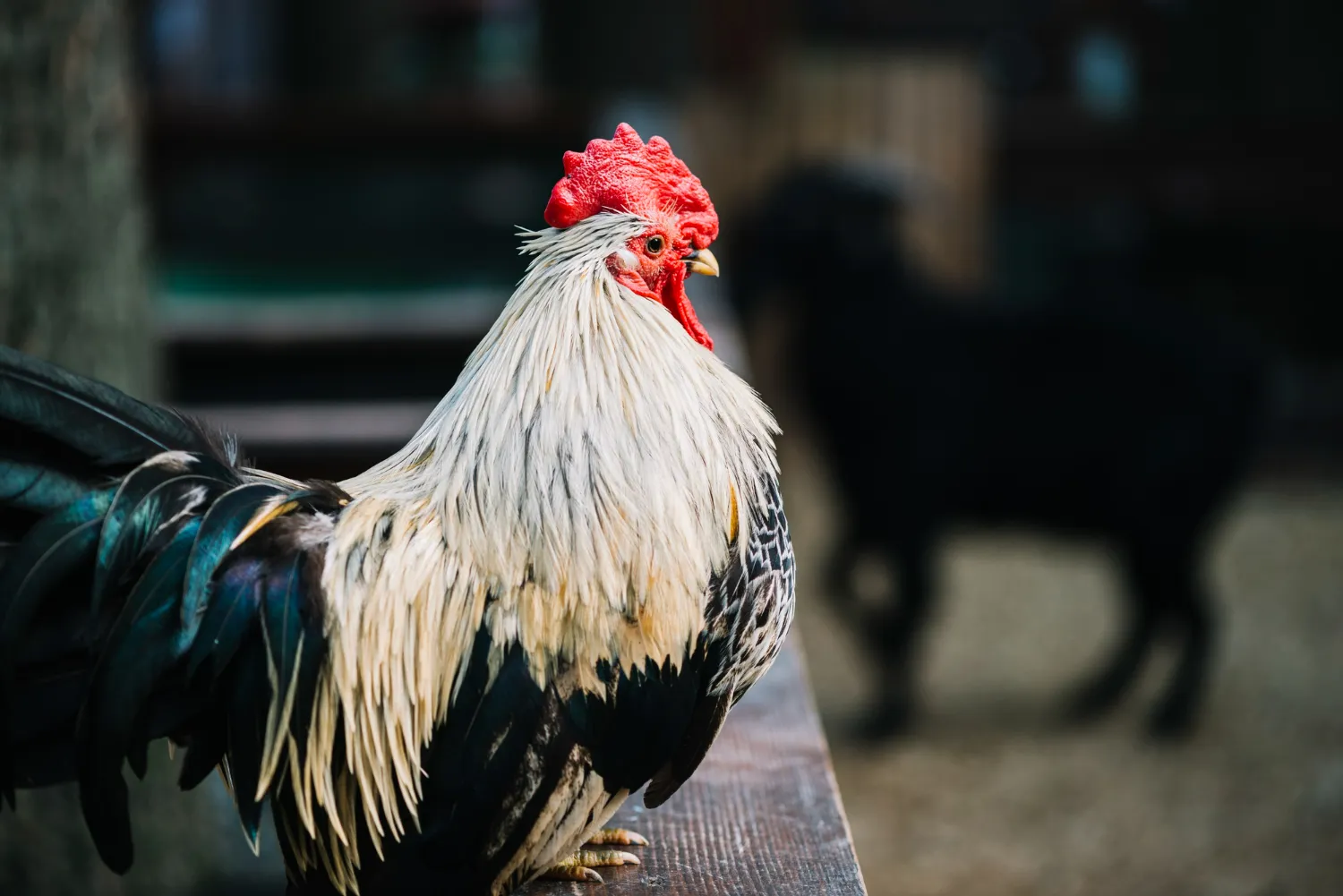
Having a tough and superior fighting chicken brings satisfaction to the owner. Therefore, to achieve this, fighting chickens must receive the best possible maintenance before going down to the arena. Some of the things that must be considered include routine maintenance, building strong and resilient muscles and bones, and preparation before competing which will be discussed in this article.
Characteristics of tough fighting chickens and ready to fight
Basically, fighting chickens that are ready to compete are chickens that are old enough, namely > 8 months and a physical appearance that has been formed. At that age the chicken is in a condition that is ready to be trained with a body weight of about 3.2-3.4 kg. His fighting ability can also be seen from the results of the abar test (trial fighting). In addition, the characteristics of fighting chickens that are ready to fight can be seen from 4 factors as follows:
1. Skin color
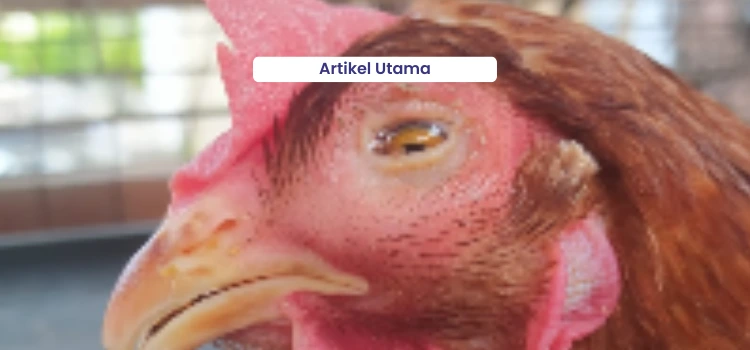
The characteristics of a fighting chicken that is ready to be competed can be seen from the color of its skin. Laga chicken skin on the face, legs, wing base meat, and thighs with excellent condition are generally fresh red, not pale and lethargic. The red color on the skin indicates the blood flow and nervous system of the chicken is functioning properly and in a healthy condition.
2. Shiny fur
Feather color is a picture of the level of vitality and health of fighting chickens. Healthy fighting chickens will look like they have shiny feathers when exposed to sunlight. While chickens that have dull feathers usually indicate less healthy chickens.
3. Agility
Apart from changes in physical appearance, the characteristics of chickens that are ready to be competed will also be seen from their movements. Chickens that are ready to compete will generally move aggressively, especially if they see their peers fighting chickens.
4. Breath
Long breath is very supportive of the strength of the chicken in the match. To make sure it is by doing patience with other complaint chickens. If within
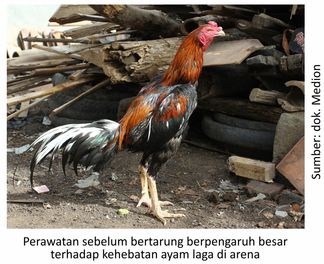
Tips to form a tough fighting chicken
To obtain a superior and tough fighting chicken, it takes extra care and optimal preparation. Here are some tips that can help in between:
a) routine care tips for fighting chickens
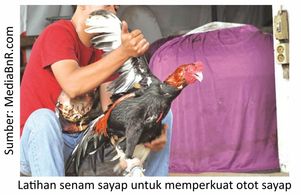
- The physical and mental training of the chicken aims to keep the chicken always prime and tough. Before starting training, fighting chickens can be given a little feed for energy during training. Exercises can be done every morning or adapted to the physical condition of the chicken.
- Physical exercise
Physical exercises are done with morning exercises to train and flex the muscles, such as neck, body, Wing and leg exercises. In addition, running training also needs to be done by placing the hens in small cages, then the fighting hens are allowed to run around the hens. Or trained to chase the untulan chicken (chicken prepared as a training partner) held by the trainer.
In addition, there is also a method of physical training by swimming in water. Chickens are put in a pond and allowed to swim for a certain time. The chicken's instinct to save itself makes the muscles on the wings, chest and thighs move quickly and in an irregular rhythm. This swimming training method aims to balance the ability of the leg and wing muscles to work. The respiratory system and physical endurance obtained also become better. But this method should not be done often because of the risk of damaging the fur. - Mental training
Mental training using this endurance test begins one month before the actual game. The goal is to increase the emotion and courage of chickens. In abar training should pay attention to the age and size of the opponent's chicken is balanced.
It can also be used as a side dish like regular chicken. The frequency of training can be adjusted to the condition of the chicken, for example, 1 time a week. This exercise can be done in the morning with one round for 10 minutes. If the chicken acquires endurance training, then running training is not necessary.
The beak and Spurs of the chicken are wrapped to prevent the chicken from getting hurt. In addition it will also make the chicken just put out the techniques and a lot of fast movements so it is great for chicken muscle building.
- Physical exercise
- Bathe the chickens around 08.00 am or when the sun is shining. Wash the head, face and underside of the chicken wings using a foam sponge to avoid getting the chicken soaked. Bathing chickens aims to keep chickens clean and feel fresh. After bathing, dry the chicken until its body is dry.
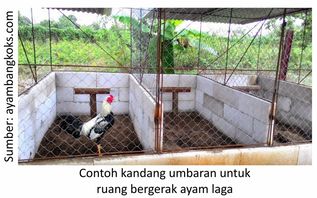
- Chicken Umbar can be done after drying until around 14.00-15.00 pm. Umbar is an absolute requirement to get a fighting chicken with a muscular, healthy and Prime body. Umbar cages can be made with a length of 1.5 meters, a width of 1 meter, and a height of 2.5 meters. The base of the cage should be soil mixed with sand with the aim of forming the structure of the chicken's paws and fingers. Also add a wooden perch. After diumbar, put the chicken into a regular cage around 15.00-16.00 pm.
- Regular portions of exercise should also be balanced with a balanced diet and multivitamins. Provide quality feed and drinking water as needed by chickens. Give feed at 06.00 AM and 15.00 pm. Feed for the afternoon can be red grain, brown rice, small corn, chicken voer, etc.
- Once every two days, give vitamin supplements such as Super Strong or Super Top to maintain the health of fighting chickens, increase endurance and add extra energy so that fighting chickens are strong and aggressive.
- Apply appropriate disease prevention and treatment measures such as:
- Separate and quarantine newly arrived chickens.
- Clean the feces in the cage regularly every day.
- Do spray the cage with disinfectant (Medisep).
- Prevent rats from entering the cage so that feed and drinking water are not contaminated.
- Give the worm medicine (Levamid-K) regularly 1-2 months.
- Apply CIL on the body of the injured chicken.
- Immediately separate sick chickens and discard dead chicken carcasses. Give antibiotics (Neo Meditrile) when attacked by snoring disease (CRD), snot (korisa), green berak (cholera), lime berak (pullorum), and respiratory disorders (colibacillosis). Take vitamins (Solvit) at night to increase the endurance of the chicken.
b) in order to form a strong bone and muscle fight chicken
Some of the things that can be done include:
- Provide a mineral supplement in the form of grit (clam shell flour or snail shell) or Mineral Feed Supplement A for young chickens, as well as Calvita for adult chickens containing calcium (Ca) and phosphorus (P).
- Give multivitamins, especially those containing B-complex vitamins such as Super Strong and Super Top.
- Umbar and do physical and mental exercises regularly.
C) preparation for the match
- Do physical and mental training 30 days before competing.
- Give Super Strong every day before training.
- Give other supplements (brown sugar, sprouts, fish oil, etc.) once every two days before training or at noon.
- One day before the competition, the chicken does not need to be indulged and must be rested until the competition.
- On the day of the game, give Super Top to add extra energy in the match.
By caring for and training it will optimize the potential of reliable fighting chickens in competing. Chicken fight will give maximum results by winning and make the owner feel proud. Good luck.