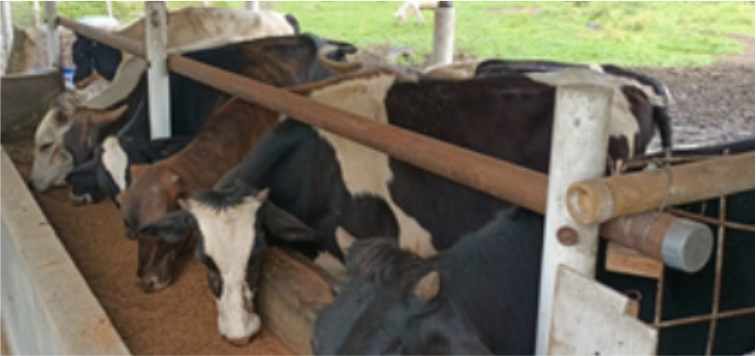
To achieve the target of livestock productivity is not only based on the quality of feed only. It needs proper rearing practices and disease prevention efforts to keep livestock healthy. Digestive disorders are one of the diseases that are often encountered. One of them is acidosis.
Cattle are ruminants that have a complex digestive system. Where the stomach consists of rumen, reticulum, omasum, and abomasum. In the rumen there is a digestive process of fermentation. In the fermentation process is assisted by microorganisms such as bacteria. Feed containing high crude fiber (cellulose) can be used by ruminants as an energy source through the fermentation process. However, the balance of forage and concentrate feeding is important to consider to maintain the condition of the rumen.
The Rumen in cattle should ideally have a pH between 6-7. The condition in which the pH of the rumen becomes low, which is less than 6 and the depletion of alkaline reserves in the blood and body tissues is called acidosis. Acidosis is often found in ruminants due to inappropriate feed management systems. Acidosis can occur in beef and dairy cattle.
Causes Of Acidosis
Acidosis is a disease because it is caused by metabolic disorders. Acidosis in cattle can be caused by the following:
- Excessive consumption of easily fermented carbohydrates. Feed consumed by livestock will enter the rumen and through the process of fermentation by bacteria.
- Concentrated feeding with a much larger amount than forage. Concentrates containing easily digestible carbohydrates can increase the activity of rumen bacteria. So there is an increase in compounds produced such as volatile fatty acids (VFA) and lactic acid which causes the pH to decrease.
- Sudden change of feeding. New feeding is not gradual and stressful conditions can cause acidosis. Cellulolytic bacteria are very important in degrading fiber feed and are very sensitive to changes in rumen pH.
- Heat stress conditions can result in cattle decreased appetite, increased appetite, increased respiration and salivation, sweat and urine. Cases that continue will cause a decrease in blood pH (acidosis).
Clinical Symptoms Of Acidosis
Clinical symptoms that arise depend on the number of concentrates and individual sensitivity. Clinical signs vary widely, usually becoming apparent 12-36 hours after ingestion of easily fermented feed. Signs of acidosis commonly seen in ruminants are:
- Decreased appetite and drinking, cattle appear weak and lethargic
- Dehydration characterized by dryness of the nostrils
- The frequency of breathing increases, the heart rate is noticeably faster
- Abdominal distension and rumen stasis or rumen not contracting
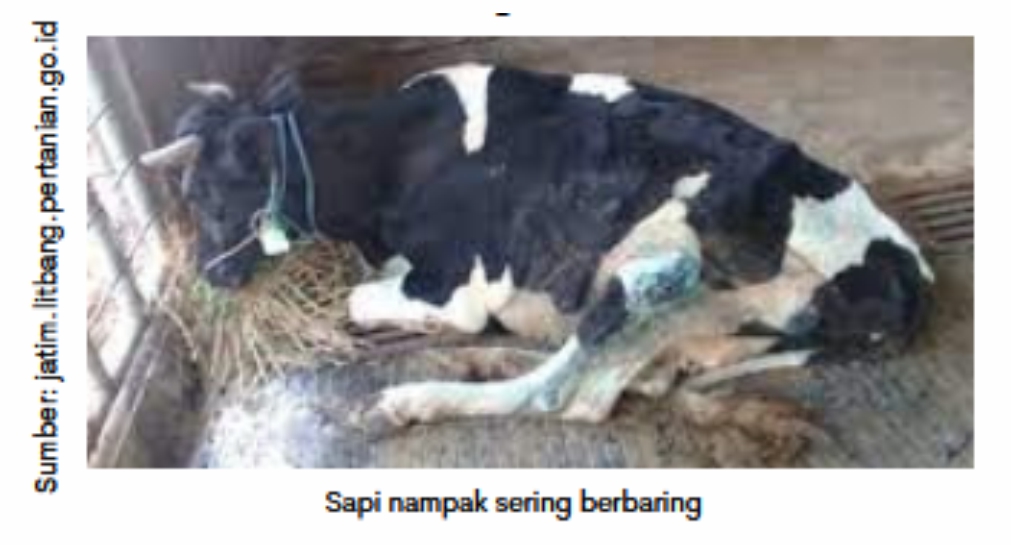
- Cattle appear limping, unable to stand, often lie down
- Livestock have diarrhea slimy and bubbly with yellowish brown or gray
- Urine that is excreted in small amounts and is more yellow and cloudy in color
- In chronic cases, laminitis can progress to chronic rumenitis.
Diagnosis of acidosis can be seen from the Anamnesis data and observation of clinical symptoms that appear, especially records of changes in feed given. If you want to confirm the diagnosis can be done examination of rumen pH. A sample of the contents of the rumen can be taken through percutaneous ruminocentesis or orogastric tube.
Prevention and treatment
If cattle experience acidosis will cause loss and even death. So it is important to know the prevention efforts that can be done, such as:
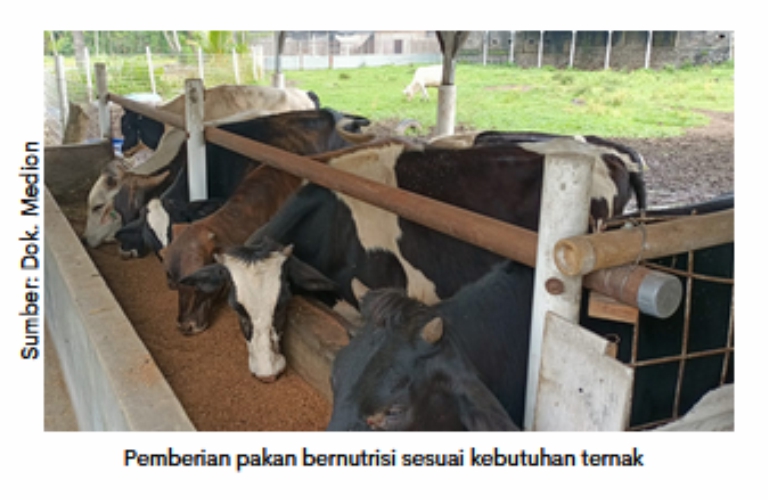
- The application of nutritious feeding according to the needs of livestock, especially by making a balanced formulation between carbohydrate intake, protein, and forage as a source of fiber.
- When changing feed, introduce the new feed gradually so that the rumen microbes can adapt. Avoid feeding large amounts of high-carbohydrate, low-fiber feed (concentrate) in a short period of time.
- Control the quality of feed regularly and do not let the feed rot.
- Giving the concentrate can be done with the addition of minerals that serve as buffer to maintain the pH of the rumen. For example, with Mineral Feed Supplement S which contains a complete combination of minerals.
- Maintain the health of the digestive tract by giving supplements for digestion. For example, with Digesfit or giving Vita B Plex Bolus Extra Flavor routinely.
If livestock are found that lead to symptoms of acidosis, the steps that need to be done include:
- Replacement of feed with high fiber (fresh forage). Feeding high in fiber stimulates salivation and balances excessive acid production in the rumen.
- Improve nutrition management by creating a balance formulation between
- intake of carbohydrates (cassava, cassava, onggok), protein (soybean meal) and forage as a source of fiber.
- Administration of multivitamins Vitamin B Complex Injection and Digesfit effectively copes with digestive disorders. Digesfit it is an herbal supplement in bolus preparation that plays a role in increasing the formation of microbiota both in digestion, maintaining rumen pH and improving fiber digestibility, helping to overcome digestive disorders and improve performance. Digesfit it can also increase appetite.