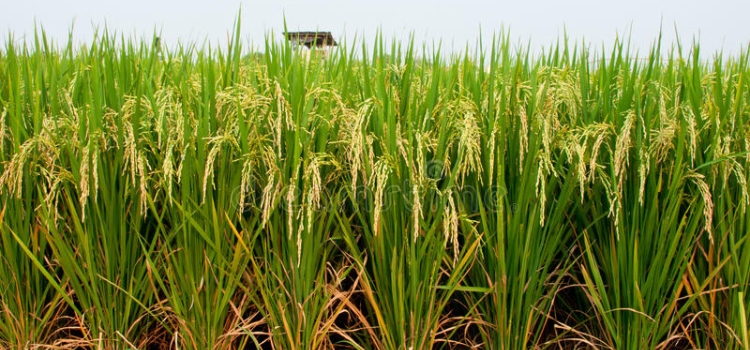
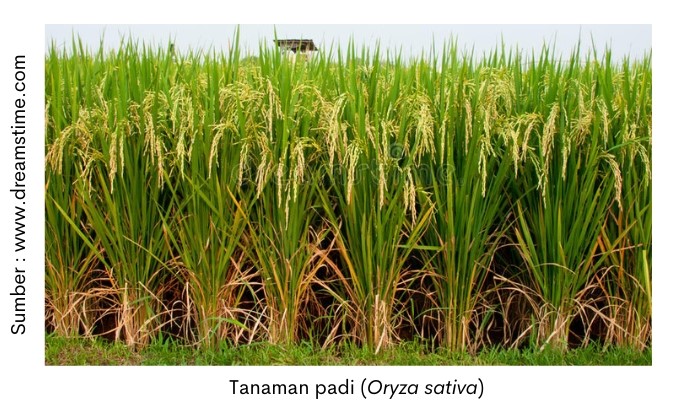
Rice plantOryza sativa) is one of the important agricultural commodities for humans. Rice derived from rice is the main source of carbohydrates in Asian countries, especially Indonesia. More than 50% of the world's population depends on rice (Childs, 2004).
According to the Central Bureau of Statistics (BPS, 2021) the total consumption of rice in Indonesia is 28.69 million tons. Rice demand is predicted to increase along with population growth in Indonesia.
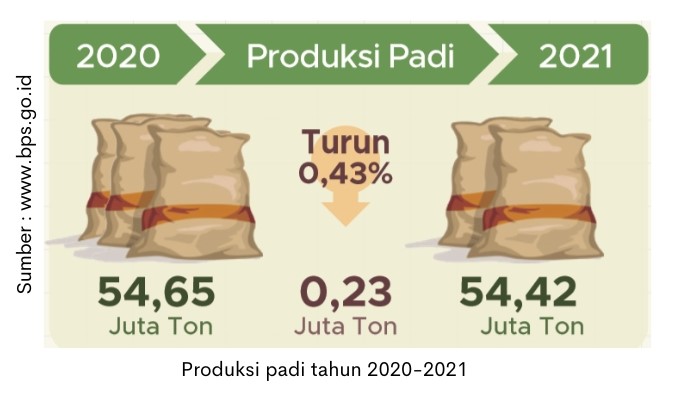
Rice production in Indonesia in 2021 is 54.42 million tons of GKG (ground dry grain), if converted into rice, it is around 31.36 million tons. The production yield decreased compared to the previous year by 0.43% (BPS, 2022).
Many factors can cause a decrease in rice production, including uncertain climate, expensive fertilizer prices, agricultural land conversion, decreased quality of agricultural land and plant disturbance organisms such as pests and diseases.
Diseases In Rice Plants
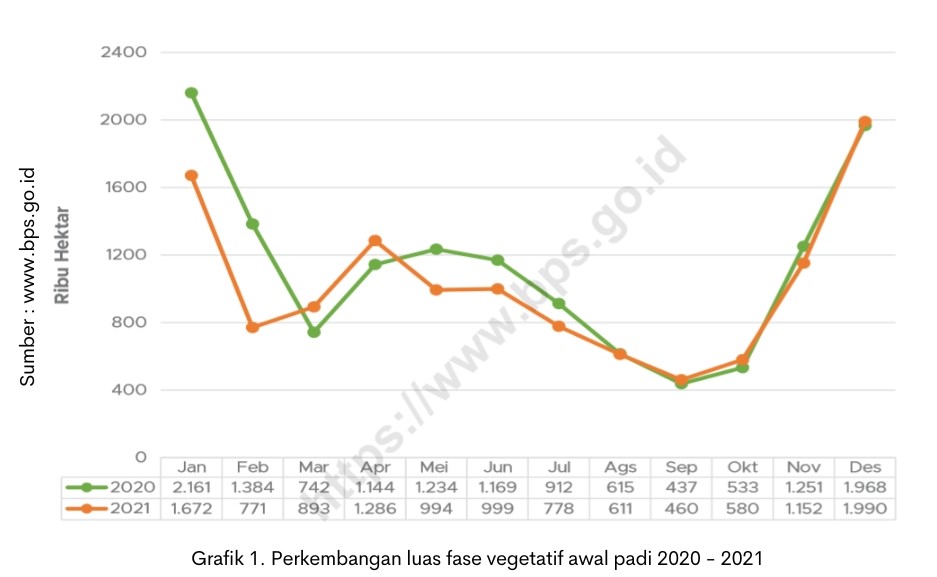
Based on BPS data, the area of the initial vegetative phase is highest in December and January (Graph 1). The Data shows that rice planting is mostly done in December-January and in rainy season conditions. Disease is one of the most influential factors on rice production in the rainy season.
Wet and humid conditions cause the development of the disease to intensify. Diseases that attack rice crops can cause losses when not controlled. Therefore, it is necessary to pay special attention to providing plant protection from disease so that there is no loss of a larger crop.
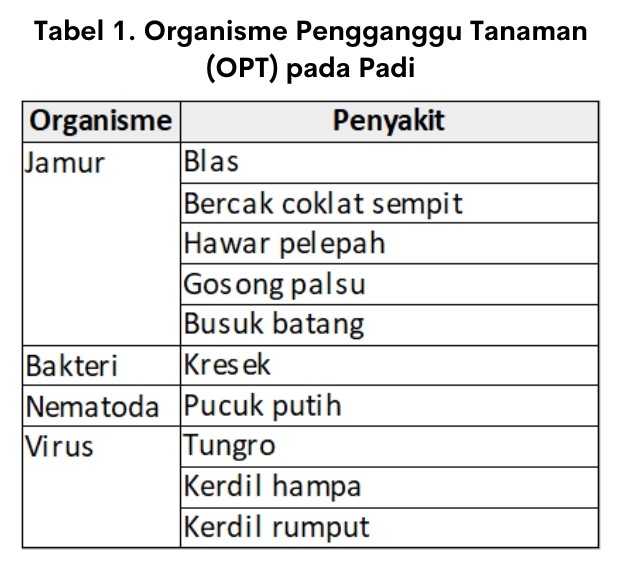
Diseases can be caused by different types of organisms, such as fungi, bacteria, nematodes and viruses. Diseases that affect rice plants include:
Narrow Brown Spot Disease
One of the diseases in rice plants is narrow brown spot / cercospora leaf spot.The disease is spread throughout rice-producing countries such as Japan, China, Central America, Africa and Southeast Asia. In Indonesia, narrow brown spot disease is spread throughout the island of Java and other areas that become centers of rice crops. In West Java the disease is spread evenly in Karawang, Subang, Indramayu and Cirebon.
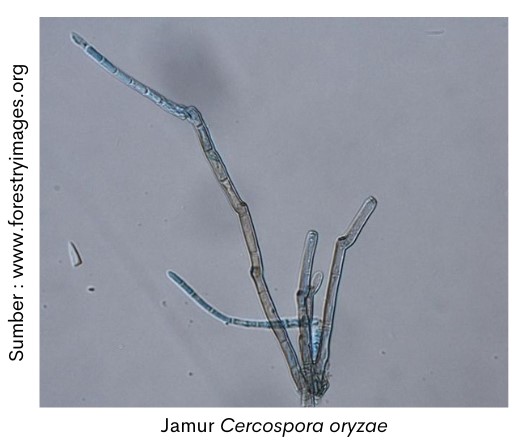
Narrow brown spot disease caused by fungi Cercospora oryzae. Mushrooms Cercospora oryzae it spreads through wind, water and requires wet conditions to thrive. In Indonesia, this disease can reduce rice production by up to 40%. The decrease in yield occurs because the leaves and midrib dry out prematurely, causing the plant to collapse.
Narrow Brown Spot Disease
Symptoms of narrow brown spots (Cercospora oryzae) are as follows:
- Symptoms of the disease appear on the leaves in the form of narrow longitudinal reddish-brown spots.
- The spot forms parallel to the Leaf bone with a length of ± 5 mm and a width of 1-1.5 mm.
- Spots that fill the leaf surface can cause the leaves to wilt, turn yellow and dry.
- When severe infestation spotting can be found on the midrib of leaves, stems, and flowers.
- An attack on the leaf and stem midrib can cause the midrib and stem to rot and the plant to collapse.
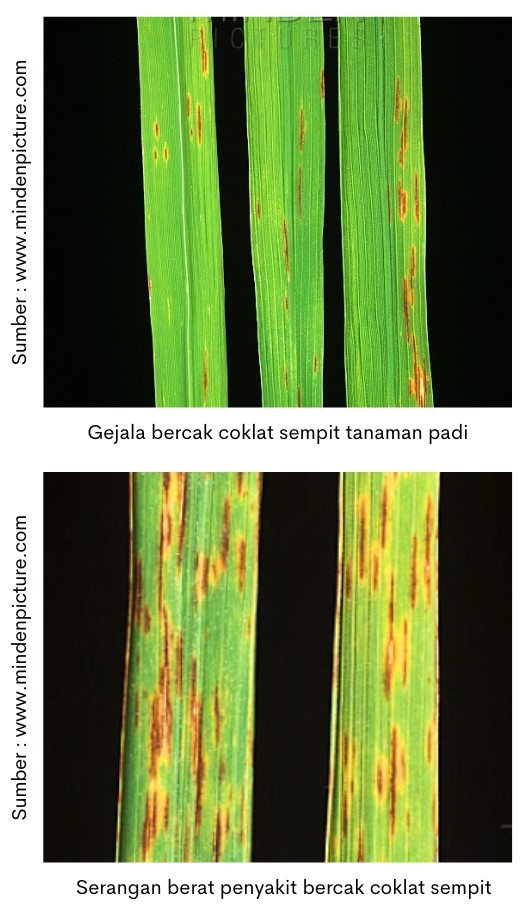
Narrow brown spot disease can affect all phases of the plant. The most vulnerable phase is when the panicles appear until the filling of the seeds. Infection of the flag leaves in this phase can have a direct impact on production results, because the filling of rice grains is hampered.
Control Way
Disease Control needs to be done to reduce the impact of losses. The brown spot Disease Control narrow (Cercospora oryzae) can be done in various ways, to suppress the development and spread of disease but still safe for the environment and maintain ecosystem balance. Control is carried out by technical culture, the use of resistant and chemical varieties.
1. Technical culture
- Clean the environment around the land from previous crop residues and weeds. Mushrooms Cercospora oryzae can survive on the remains of previously attacked plants and grasses.
- Spacing arrangements so that they are not too tight so that they can reduce moisture in the rice planting area (25 x 25 cm). The wide planting distance makes more sunlight enter and better air circulation so that air humidity and disease are reduced (Prasetyo, 2017).
- Balanced fertilization N, P, K in accordance with the needs of plants. The use of excess N fertilizer can increase the risk of plant disease. While K fertilizer can increase the resistance of plants from disease.
- Reusing straw as compost can kill mold that is in the straw. Rice straw also contains nutrients that are beneficial to plants.
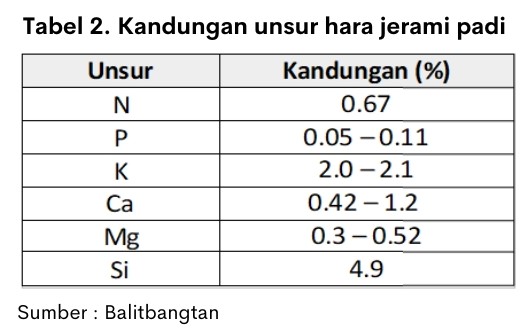
- The highest content in straw is K (potassium) and Si (silicon) which is useful for increasing plant resistance (Table 2).
2. Resistant Varieties
- One of the effective and easy ways to do this is the cultivation of resistant varieties.
- Rice varieties resistant to Cercospora oryzae is a fragrant pandanus and Black Crow.
- Rice varieties susceptible to Cercospora oryzae are IR64, Ciherang, Sunggal and Inpari 4.
3. Chemical
Chemical pest (pest and Disease) Control is the most widely used way. Chemical control using pesticides is the most effective, efficient and practical way.
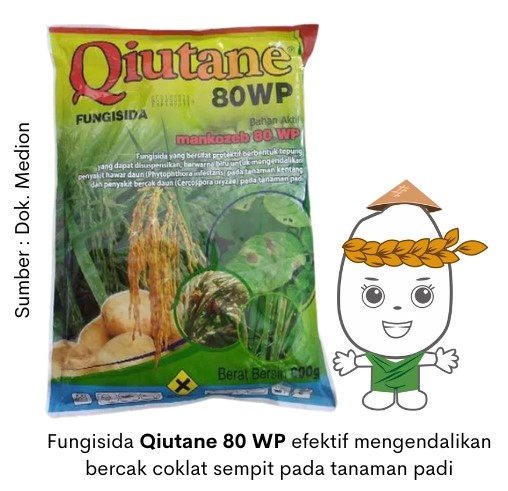
To provide effectiveness in Disease Control, selected pesticides must be effective and have obtained licensing or registration. Fungicide Qiutane 80 WP is one of the effective fungicides used to control narrow brown spot disease (Cercospora oryzae).
Fungicide Qiutane 80 WP in the form of blue flour contains the active ingredient Mancozeb 80%. Qiutane works in contact which can protect and prevent diseases from infecting plants.
At the time of application fungicide should be added Diffuse as an adhesive, grader and penetrator so that the fungicide that has been sprayed can last a long time and is not easily lost when it rains.
Qiutane 80 WP is a fungicide with the active ingredient Mancozeb registered for rice plants. In general, the contact fungicide used in rice plants is the active ingredient Propineb.
Mancozeb and Propineb are two active ingredients that come from one group, namely Dithiocarbamate. In the way of working to control the disease, the two active ingredients have the same way of working, namely by contact.