
Worms can affect your dog's health at any time. This disease does not look at age, ranging from puppies or puppies to adult dogs are at risk of worms. Although the incidence of worms in dogs is not small, often this disease is still ignored by the owners. The fact is that without proper treatment, worms in the dog's body can continue to develop and cause various health problems. Therefore, understanding the risks and how they are handled is an important responsibility for every pet owner at home.
Types of worms that often affect the health of Dogs
There are several types of worms that can attack a dog's health, here are examples :
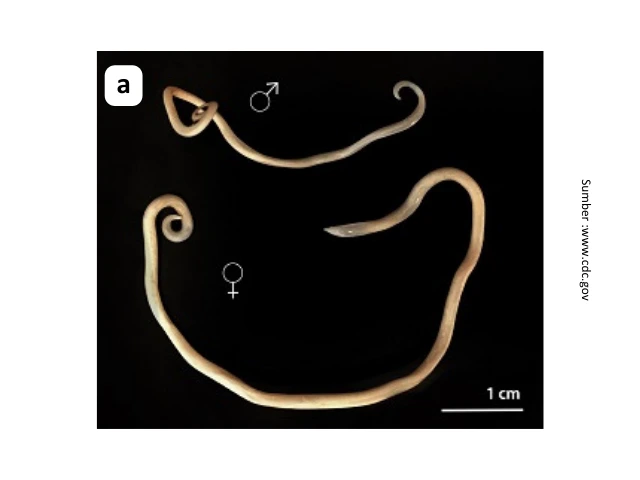
- Roundwormsroundworm), these worms are quite often found mainly in puppies. The elongated shape resembles instant noodles with a length that can reach 10-15 cm.
- Worm hookhookworm), as the name implies this worm has a mouth part resembling a hook to attach to the intestinal wall. The size of this worm is small enough that it cannot be seen with the naked eye.
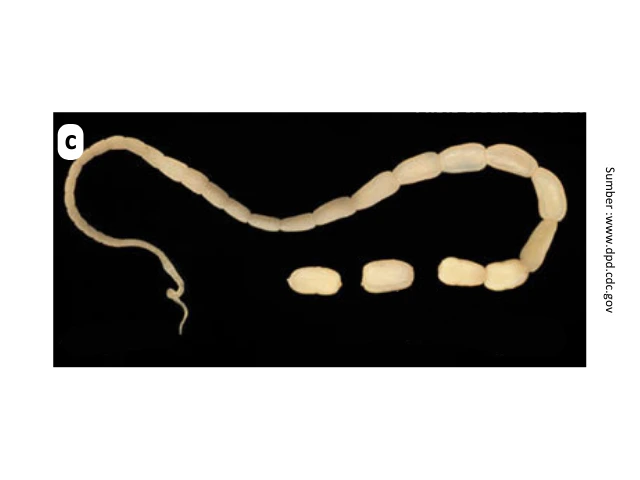
- Adult stage of cestodes (tapeworm), these worms have a flat, segmented body shape. In the case of worms that are severe enough, these worms can come out together with feces, but the worms that come out are not whole worm bodies but only pieces/segments of the body that are released.
- Whipwormwhipworm), these worms have a body that is thick at one end and thin at the other like a whip.

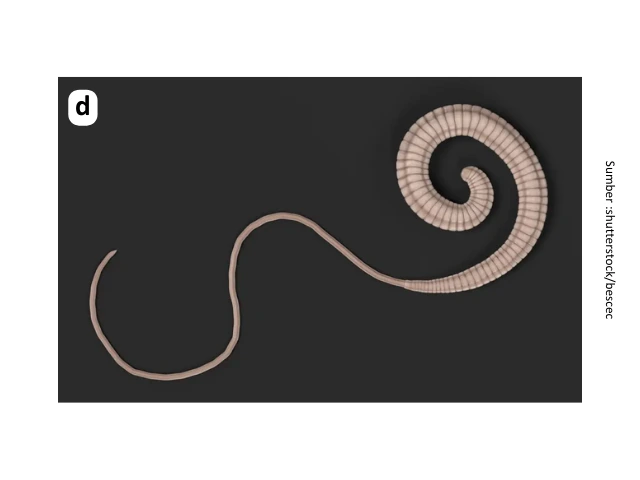
Clinical symptoms and transmission of worms in dogs
Symptoms seen when a dog has worms can vary depending on the severity and type of worms. Generally, the most affected organs are organs in the digestive tract such as the small intestine and large intestine of dogs. Some symptoms are easily visible such as weight loss, dull hair condition, and diarrhea. Severe cases of worms caused by roundworms can cause the dog to vomit along with the worms that come out. Whereas hook worms can cause anemia characterized by dogs that look pale. Diarrhea accompanied by blood can also occur due to whipworm attacks. If the case of worms is left alone and the occurrence is getting worse then it does not rule out the possibility of death.
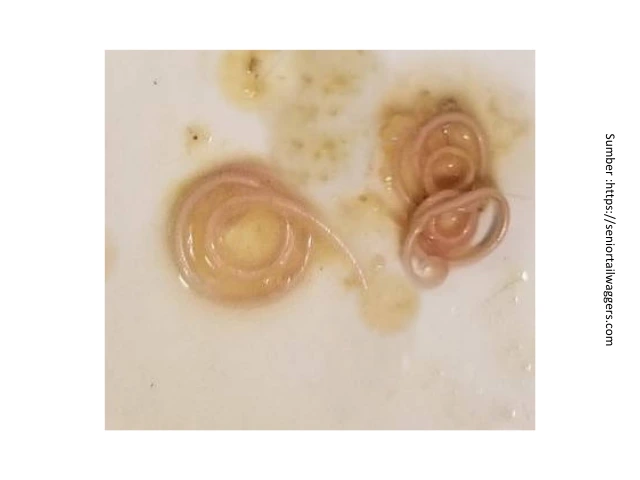
Dogs can contract worm disease through a variety of transmission routes according to the type of worm. Here are some transmission routes to watch out for :
- Eating worm larvae found in contaminated feed or environment
- Transmamari or through milk when puppies suckle their mother (transmission of hook worms)
- Transplacental or through the placenta while still in the womb (roundworm transmission)
- Eating fleas containing worm larvae (tapeworm transmission)
In addition to the need to be aware of the transmission of worms in dogs, dog owners also need to be careful because worms can also be transmitted to humans (Zoonoses).
Treatment and Prevention of intestinal worms
Dogs that are already known to be experiencing worms need to be treated immediately so that the case does not get worse. The examination can be done at a veterinary clinic to see clinical symptoms more thoroughly accompanied by microscopic examination of stool samples to ascertain the type of worm that infects the dog's body. Administration of such broad-spectrum anthelmintics as Golden Pet Deworming for Dogs can be given to overcome roundworms, hook worms, whipworms and tapeworms that may be present in the dog's body. In addition, other treatments can be given according to the symptoms seen from the results of veterinary examinations. Examples such as giving supplements to increase appetite, endurance and overcome anemia.
Prevention is more important to do before cases of worm disease occur and this is one form of responsibility as an animal owner. Some prevention efforts that can be done are :
- Apply a deworming program starting from the puppy. Give Golden Pet Deworming for Dogs once every 2 weeks since the dog is 2 weeks to 3 months old. Furthermore, since the dog is 3-6 months old it can be given every 1 month and after the age of more than 6 months it can be given every 3 months. Routine deworming programs can break the life cycle of worms so as to reduce transmission and cases of worms in pets at home.
- Give anti-ectoparasitic drugs (Golden Pet Anti Flea & Tick for Dogs) so that the dog is free from fleas as a vector of tapeworm transmission.
- If there are many dogs in one house, then make sure all dogs get a deworming program (Golden Pet Deworming for Dogs) and anti-ectoparasites (Golden Pet Anti Flea & Tick for Dogs) to prevent cross-contamination.
- Maintain environmental cleanliness by regularly cleaning existing dirt so that worm eggs do not contaminate the environment, feed or other media.
- Avoid giving raw meat or offal that is not perfectly cooked as it can contain worm larvae. Also clean the feed container every day.
- Provide clean drinking water and always clean the container every day.
The health of a dog depends on the attention of its owner which must be done consistently every day. Responsibility as a pet owner can begin with more attention to the risk of cases of worms and be aware of it by taking preventive measures. Thus the beloved dog as well as the owner will be free from diseases such as worms.