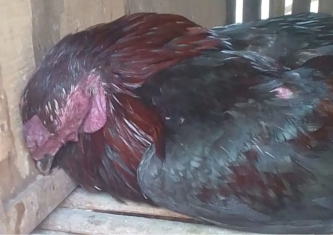
In recent months, hobbyists have complained of sudden death cases in their pet fighting chickens. There are also other hobbyists who tell in addition to sudden death also appears bluish color on the comb. Sudden death and bluish Combs can be caused due to infectious or infectious factors as well as non-infectious or non-infectious diseases.

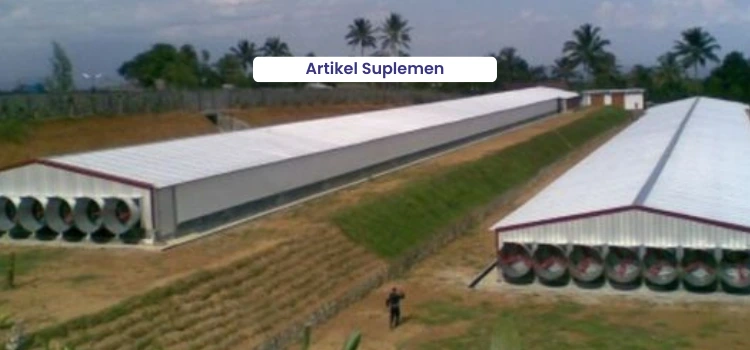
In non-infectious factors, death can be caused by the position of chickens placed in cages with poor air circulation. This causes the chicken to lack oxygen or fresh air. In addition, it can also be due to improper feed management, either the way of Administration, quality or quantity.
In infectious factors, sudden death is not a specific symptom in a particular disease, but can lead to several diseases. Both viral and bacterial diseases such as Avian Ifluenza (AI), Newcastle Disease Or cholera. To be able to diagnose the exact cause, further examination must be carried out for clinical symptoms and changes in anatomical pathology (changes in organs after chicken surgery) supported by laboratory tests.
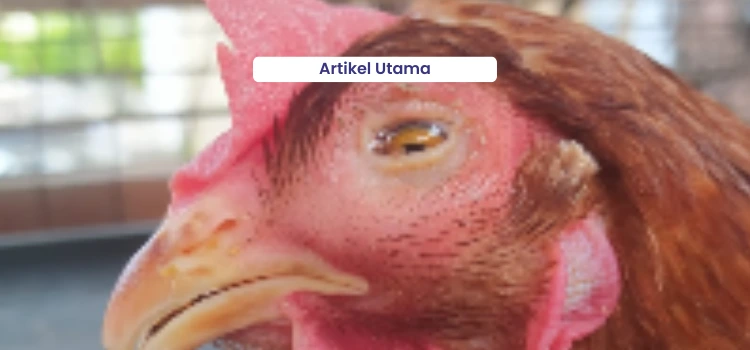
In chickens with cholera, clinical symptoms that can be observed are decreased appetite, lethargy, feather loss, diarrhea that is initially watery yellowish, then will turn greenish with mucus, breathing faster, comb and Wattle areas can be bluish.
After the chicken is dissected can be seen inflammation of the trachea, heart, lungs, and abdominal fat. The liver is enlarged, striped and there are white spots due to tissue death.

Chickens infected with AI diseases of a malignant nature/ high pathogenic avian influenza (HPAI) is characterized by a rapid disease process accompanied by high mortality. Other clinical symptoms that can be observed are, for example, Combs, bluish Wattles and feet, inflammation of the conjunctiva of the eyes, accumulation of mucus in the oral cavity, respiratory disorders such as coughing, sneezing and snoring and sometimes nerve disorders (torticollis) but not so significant are clearly visible.
Organ changes that appear after carcass surgery include inflammation in the upper respiratory tract including nasal sinuses, larynx and trachea, blackish lungs and turbid air sacs. Changes found in the digestive tract include inflammation in the proventriculus, intestines, wipe tonsils and pancreas. Heart and body fat bleeding in the form of dots, dilation of blood vessels of the brain and often found bleeding in the muscles and chest.
While in chickens that are attacked by malignant type ND disease can be acute or run fast with a high mortality rate. Chickens will show symptoms of lethargy, decreased appetite, snoring, diarrhea moss green and sometimes accompanied by white clots and abnormalities in the nerves that appear twisted neck. Changes seen when surgery is performed include inflammation of laryng and trachea, inflammation of the papillae of the proventriculus, caeca tonsil and peyer patches.
Thus, the symptom of a bluish comb or sudden death cannot serve as the main benchmark in diagnosing the disease. It is necessary to have as much other information as possible to draw conclusions about the disease that attacked the fighting chicken. The more data obtained, the conclusion will be easier. Data information that needs to be done include the pattern of spread, disease history, and other clinical symptoms that can be observed. If necessary can also be carried out laboratory tests in MediLab to help confirm the diagnosis of the disease.
Actions that need to be taken in the event of sudden death include:
- Immediately remove and destroy dead chickens by the method of burial or burning in a location far from the cage.
- Separating chickens with mild symptoms in different cages (isolation cages).
- If it leads to cholera, chickens need to be given antibiotics such as Neo Meditril or Tinolin Injection.

- AI and ND are diseases caused by viruses so there is no cure. If what is found is a case of AI, then do selective culling and chickens that are still healthy can be vaccinated with Medivac AI. If it leads to ND disease, emergency revaccination can be done with Medivac ND Clone 45.
- Provide supportive therapy to improve the immune system or body resistance by Super Stamina, Super Strong, Solvit, or Imustim.

- Perform disinfection of the cage and the environment around the cage every day with Neo Antisep, Medisep or Zaldes.
- Support good daily care by providing rations as needed in both quality and quantity, smooth air circulation, etc.
To prevent fighting chickens from avoiding the disease, things that can be done include:
- For diseases caused by viruses, one of the prevention through vaccination uses Medivac ND La Sota, Medivac ND Clone 45, Medivac ND G7 Emulsion to prevent ND and Medivac AI to prevent AI disease.
- Supplementation is important to maintain optimal endurance of fighting chickens so that they are not susceptible to disease. For example, with Super Stamina, Super Strong or Solvit.
- Equally important is the implementation of sanitation and disinfection. Sanitation and disinfection during the rearing of fighting chickens must be constantly carried out. Sanitation and disinfection of cages & cage equipment (feeders, drinkers) and the surrounding environment regularly at least 1 Week.