Just like humans, cats and dogs need a bath too! Bathing your dog and cat is an important part of their grooming. In addition to keeping your dog and cat's hair clean and fragrant, but also to avoid unpleasant odors and various problems that can arise due to various impurities that have accumulated in their bodies.
How Often Should Anabul Bathe?
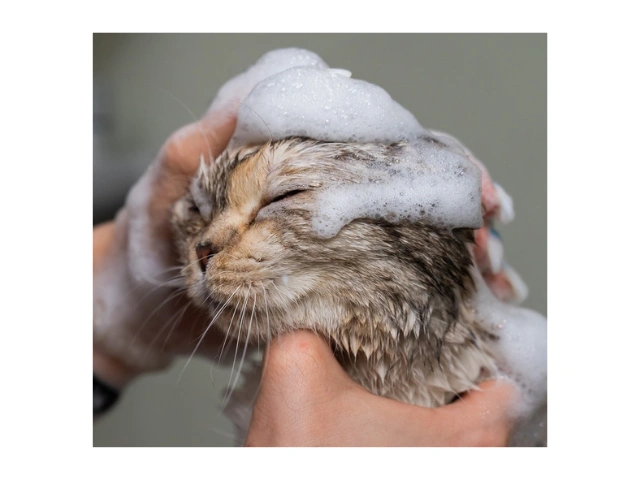
Although it seems funny after being bathed, the fact is that under normal circumstances cats and dogs do not need a bath every day. How often your pet is bathed depends on the breed, breed and needs of each animal. Bathing is generally needed when your anabul hair is dirty or smells bad. Bathing is also needed if your pet is exposed to harmful substances, such as when exposed to gasoline, oil, oil or other things that can threaten. In such conditions, immediately bathe your anabul to prevent ingestion of the substance or consult the nearest veterinarian immediately.
In certain circumstances, anabul requires bathing much more often than usual. Conditions such as skin disorders due to ticks and fungi require more frequent medicated baths than usual frequency. Some other conditions such as long-haired cats, outdoor lifestyles or cats with old age may also require more frequent bathing. Bathing too often can cause their skin to dry out to various other health problems. Consult the condition and frequency of bathing your pet to the veterinarian.
Causes Of Dull Anabul Hair
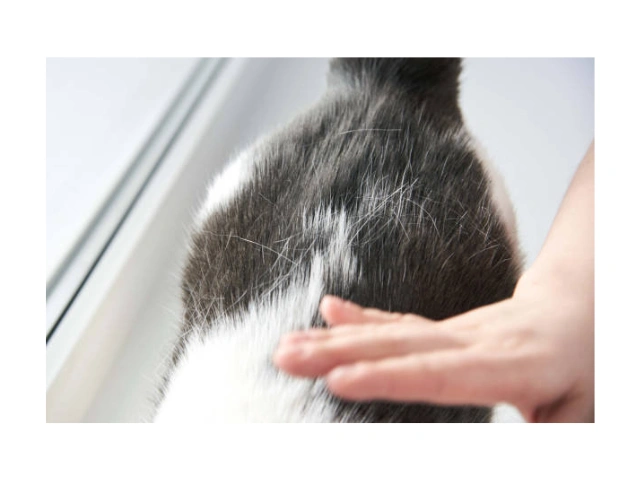
Anabul hair can also be dull and dirty, but guess what the heck is the cause of the dullness of your cat and dog hair?
1. Poor Diet and nutrition
Just like humans, dogs need a balanced diet and nutrition for their health to be fulfilled. If they do not receive adequate nutrition, then their hair will be dull and often fall out. Dogs and cats need nutritious and high-quality feed, as well as additional vitamins so that their hair can be healthy and shiny.
2. Skin infections
Allergies, mold and hormonal disorders can result in dullness of your anabul hair. When your animal is sick, the skin and hair will be one of the first organs affected as the body's immunity tries to fight the infection.
3. Ectoparasites
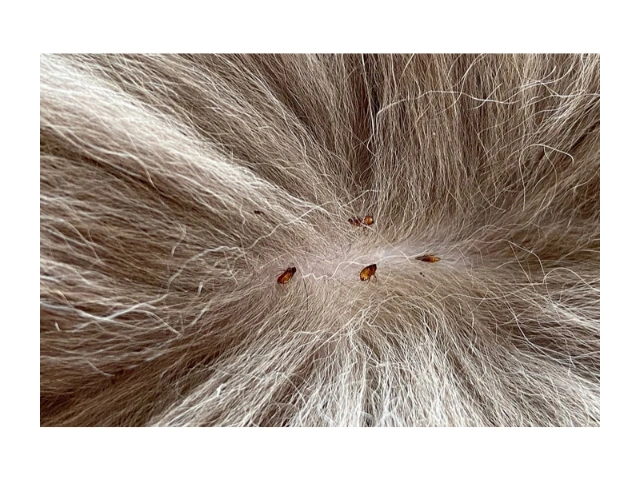
One of the most frequent causes of dullness of your anabul hair is parasites. Both endoparasites and ectoparasites can affect the skin and hair, especially when there is a large amount of infection. Ectoparasites such as fleas, ticks and mites will bite into your anabul skin, causing redness and itching. Some types of ectoparasites that often infect anabul hair include Ctenocephalides felis, Felicola subrostratus hingag Rhipicephalus sanguineus.
Ectoparasites are the most common cause of dull anabul hair, because ectoparasites cause itching, redness to hair loss. Anabul with an outdoor lifestyle or pattern of life has the highest risk of exposure to ectoparasites, especially if there are many other animals and environmental conditions are less clean.
Solutions To Overcome Ectoparasites
To overcome ectoparasite infestation in anabul, it takes a thorough handling of environmental aspects to health in order to achieve maximum results. Some prevention efforts that can be done include :
- Bathe dogs and cats with Golden Pet Anti Flea and Tick Shampoo to completely eradicate ectoparasites. The content of Pyrethrin & Piperonyl Butoxide in it can effectively kill ectoparasites such as fleas, ticks, fleas and mites and complete with conditioning formula that can nourish the fur and skin, making it remain soft, healthy and free from irritation. How to use is to bathe your dog and cat, then give shampoo Golden Pet Anti Flea and Tick Shampoo evenly and allowed to stand for about 5 minutes. After that, they are rinsed with water and dried.
- For maximum protection, Golden Pet Anti Flea and Tick Shampoo can be combined with Golden Pet Anti Flea and Tick for Cats for cats or Golden Pet Anti Flea and Tick for Dogs which can be given 1-2 days post-grooming. Golden Pet Anti Flea and Tick given by dripping on the nape of the neck regularly every month and can provide protection for up to 1 month from lice, fleas, and ticks.
- Limit interactions between your animal and wild animals or animals potentially infected with ectoparasites
- Regularly clean and disinfect the floor and the environment around your dog and cat, including mattresses, carpets and cages. Use effective disinfectants to prevent the proliferation of ectoparasites.
References
https://www.fallsroad.com/site/tips-resources-blog-baltimore-vet/2024/03/15/how-bathe-cat
https://www.rspcapetinsurance.org.au/pet-care/dog-care/dog-grooming-guide
https://thepetinstitute.com/cats/when-and-how-often-should-you-give-your-cat-a-bath/