Chicken health is a crucial point in supporting the success of farm productivity. Vigilance against diseases that infect the respiratory and reproductive tracts needs to be increased. The presence of Infectious Bronchitis (IB) and Avian Influenza (AI) H9N2 diseases has a significant impact due to their effects on reduced body weight and respiratory system disorders. The symptoms of IB and AI H9N2 in broiler chickens are often mistaken for respiratory diseases caused by bacteria, such as Chronic Respiratory Disease (CRD). Prevention efforts and sensitivity in diagnosing this disease are key so that the farm can avoid infection and speed up handling when cases occur.
Occurrence of AI H9N2 and IB in the Field
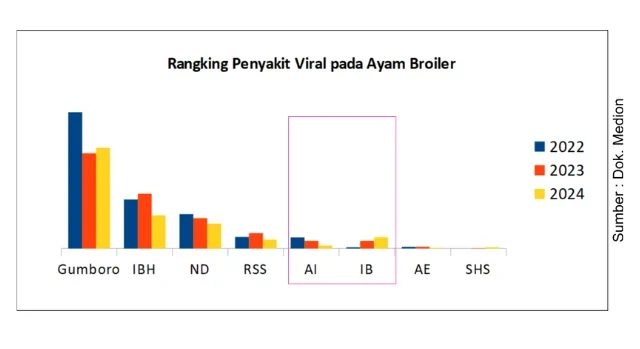
Based on data collected by the Technical Education & Consultation team of PT. Medion, AI and IB diseases ranked 5th and 6th in the Broiler Chicken Viral Disease ranking from 2022–2024.
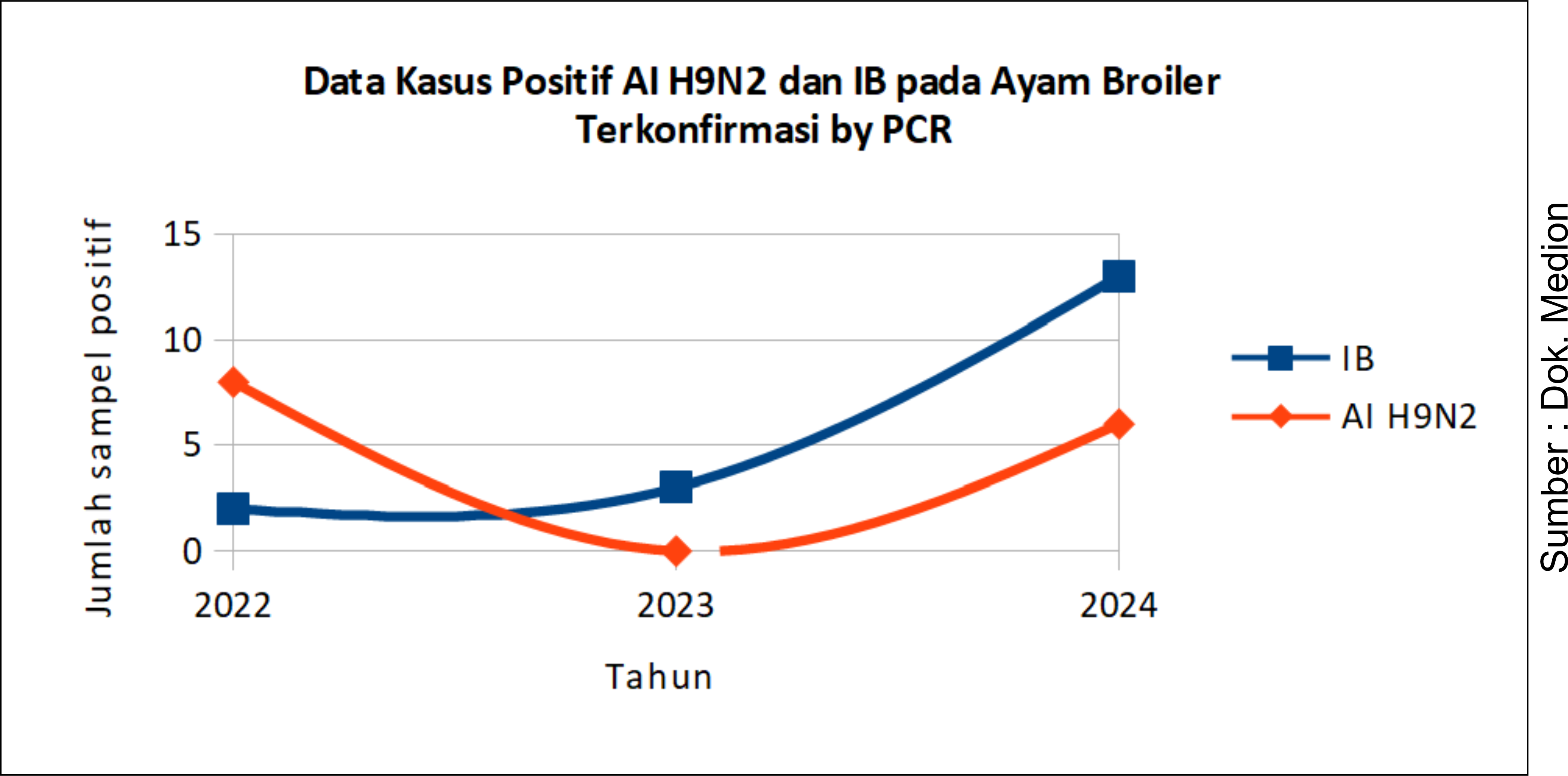
Meanwhile, samples successfully identified as positive from PCR (Polymerase Chain Reaction) testing conducted by the Medion Laboratory & Animal Trial team from 2022 to 2024 are shown in Chart 2. In 2024, the positive rate for AI H9N2 and IB in Broilers increased compared to the previous year. Therefore, this needs to be a warning for us in preventing case incidents in 2025.
Causes of IB and AI H9N2
Diseases IB or Infectious Bronchitis, is caused by coronavirus, which is an enveloped and single-stranded RNA virus. IB is an acute and highly contagious viral disease in all age groups of chickens with a short incubation period, ranging from $18-36$ hours. The IB virus can attack 3 systems in chickens: respiratory, reproductive, and urinary.
Avian Influenza or better known as Bird Flu belongs to the Orthomyxoviridae family and is divided into several subtypes based on the antigenicity of its two surface proteins: Hemagglutinin (HA) and Neuraminidase (NA). Currently, in Indonesia, two types of Avian Influenza are known: HPAI (High Pathogenic Avian Influenza) which has high virulence and LPAI (Low Pathogenic Avian Influenza) which has a low level of virulence.
However, both are detrimental to farmers. The HPAI that we have known so far is the Avian Influenza subtype H5N1 which causes high mortality in poultry, while another type of LPAI circulating in Indonesia is the subtype H9N2 which belongs to clade h9.4.2.5. It is called LPAI because a single attack by this type of AI does not cause high mortality but causes a drop in production in layer chickens and is dominantly associated with respiratory disorders and an immunosuppressive effect in broiler chickens.
This immunosuppressive effect makes other diseases easily attack and makes the given vaccination suboptimal. Infection with both AI H9N2 and IB will cause chicken growth to be stunted; moreover, if accompanied by secondary infections, mortality will also increase.
Clinical Symptoms and Pathological Anatomy Changes in Broiler Chickens
In general, AI H9N2 and IB infection in Broiler chickens is marked by respiratory problems, such as difficulty breathing and a audible rattling sound (snoring). However, farmers sometimes mistake these early symptoms for bacterial infections like CRD, and when antibiotics are administered, the disease often does not recover.
Therefore, when diagnosing, especially AI H9N2 and IB in Broiler chickens, we cannot only look at the clinical symptoms. We need to investigate more deeply by observing pathological anatomical changes in the organs through the necropsy or dissection process.
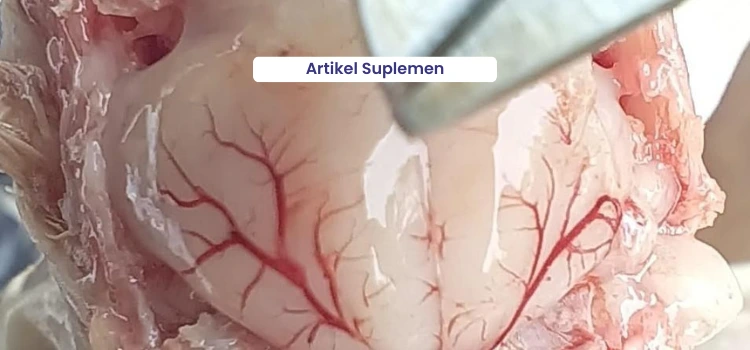
Due to several similar changes between AI H9N2 and IB, caution and thoroughness are needed in observing the organs that undergo changes during necropsy. AI H9N2 can attack all organ systems, both respiratory (in the form of tracheitis and laryngitis) and other organs such as the intestines and kidneys. However, some of the most characteristic (pathognomonic) changes are the appearance of brain blood vessel dilation, petechiae on the heart, hemorrhages in the muscles and fat, and inflammation of the proventriculus.
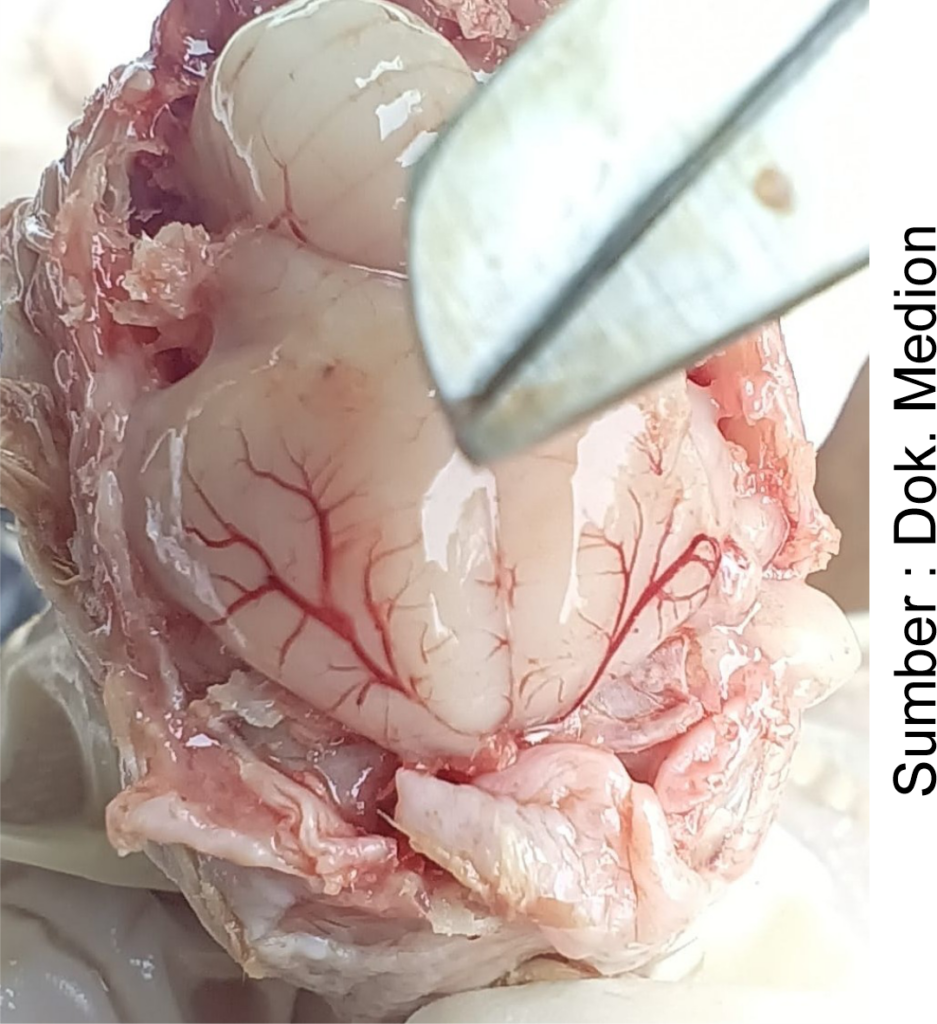
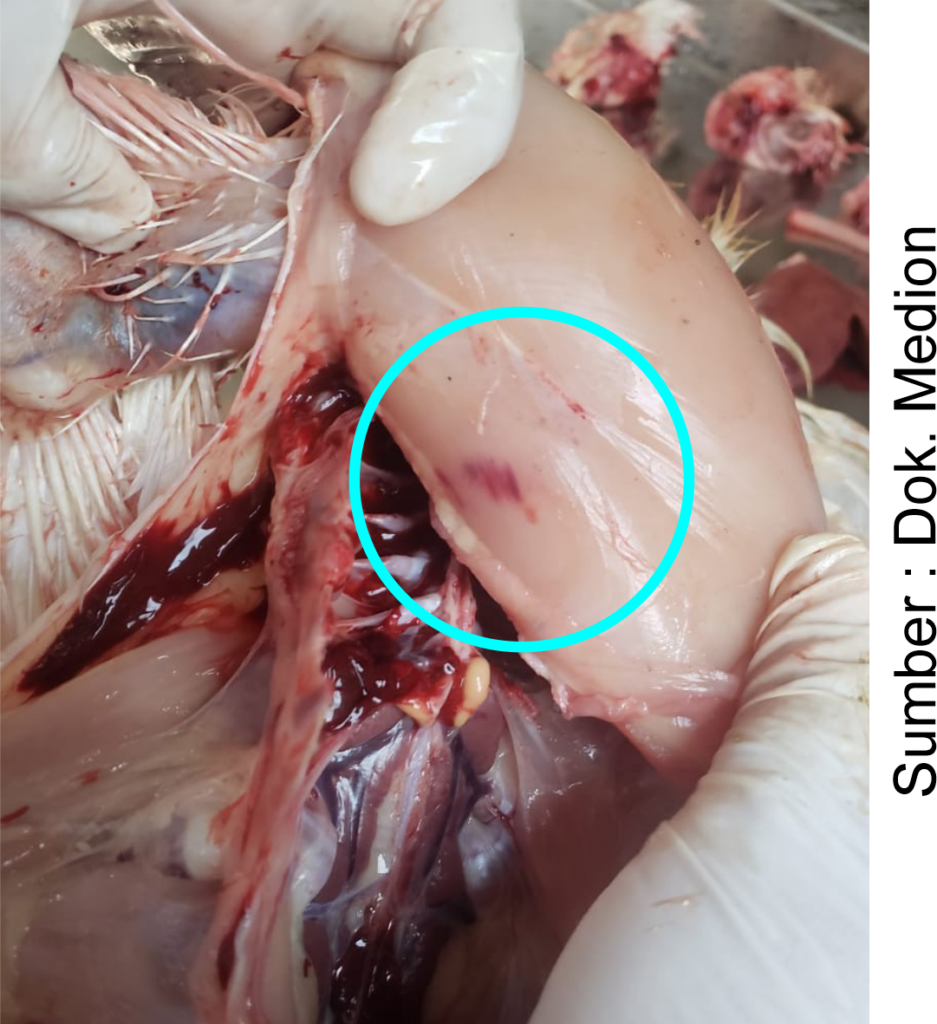
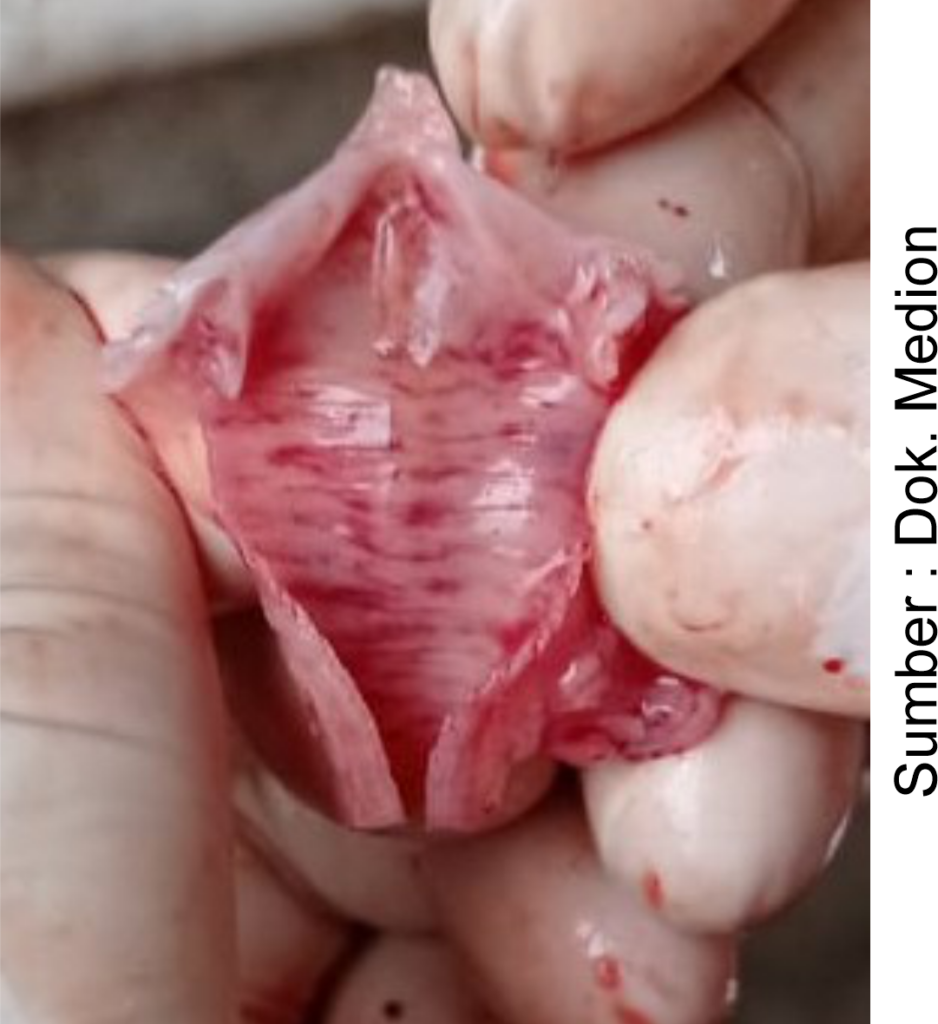
Pathologically, the infections of AI H5N1 and AI H9N2 cannot be definitively distinguished. If the infection is single, the changes in AI H9N2 will look milder compared to AI H5N1. However, this depends on the severity of the disease and the presence or absence of accompanying secondary infections. Based on some previous case information, single AI H9N2 incidents rarely occur. Some common bacterial infections that follow include colibacillosis, CRD and CRD complex, Coryza, and even Necrotic Enteritis (NE). In addition to secondary bacterial infections, viral infections such as ND and IBD are also often found concurrently with AI H9N2 cases.
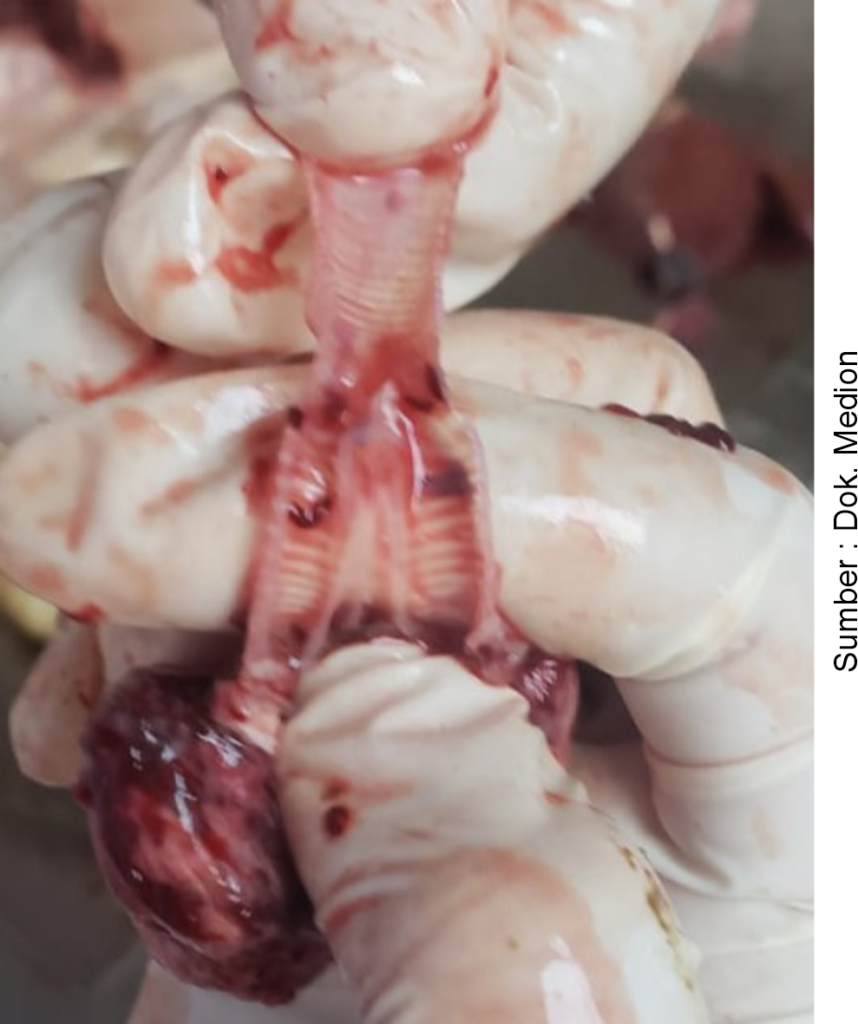
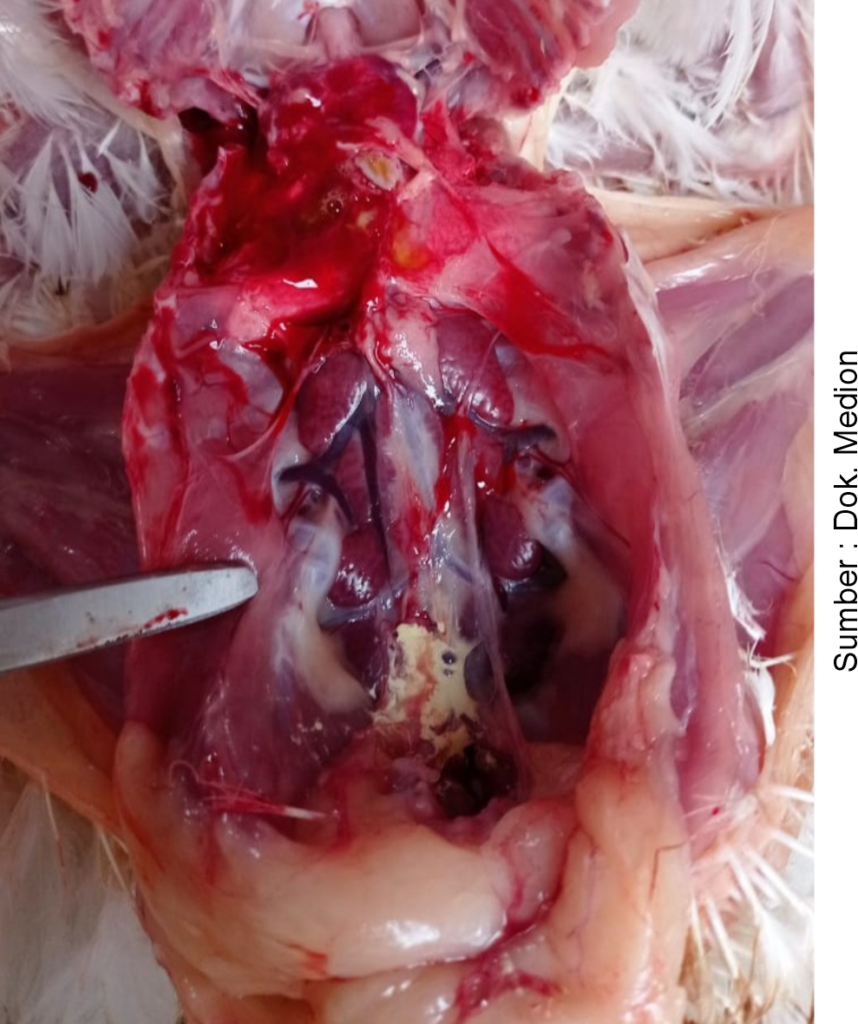
As for IB cases, the respiratory tract changes are almost similar to AI H9N2, namely inflammation of the larynx and trachea. However, for IB cases, a characteristic change (pathognomonic) can be found in the bronchial bifurcation (tracheal bifurcation) up to the inflamed bronchi. Furthermore, because IB also attacks the urinary system, causing kidney swelling, uric acid deposits in the kidneys are also found in severe cases.
Prevention and Handling During Cases
Prevention efforts against AI H9N2 and IB cases can be carried out with a combination of implementing biosecurity and sanitation, as well as vaccination. Although AI vaccination is rarely done in broiler chickens, if an area is already prone to AI or during the transition to the rainy season where infectious agents develop rapidly, the challenge of AI H9N2 in broiler chickens is likely high. The following is a general guide for the AI H9N2 and IB vaccination program that can be used.
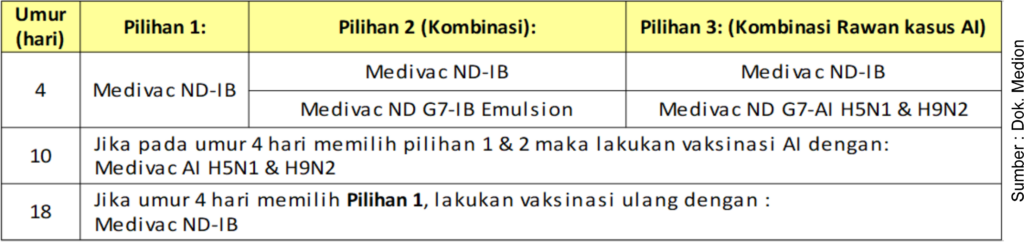
In addition to implementing the vaccination program, strict biosecurity implementation and good rearing management are required to prevent AI H9N2 and IB cases, including:
- Maximize the implementation of 3 biosecurity zones. Limit the traffic of people/vehicles entering and leaving the coop. Before entering the coop, carry out disinfection of both vehicles and personnel. Limit contact with other poultry.
- Routinely sanitize the coop and equipment with disinfectants from the oxidizing agent group, especially for IB, which is an enveloped virus, such as Neo Antisep, while for AI H9N2, disinfectants from all groups can be used. Routinely scrub footwear because just dipping/spraying disinfectant is not enough to penetrate the viruses found in the crevices of shoe soles.
- If using litter or rice husks, replace, add, and turn them over periodically to keep the litter dry. Administer Ammotrol through drinking water to help maintain dry feces and control ammonia levels inside the poultry house.
- When the coop is empty, cleaning must be done thoroughly on every part of the coop. The crevices of the coop and the bottom part of the raised floor coop should also not be missed during cleaning. After all equipment is removed, the coop is cleaned with detergent and brushed, then sprayed with high-pressure water. Spray a solution of quicklime on all internal parts of the coop such as the floor and pillars, as well as the exterior of the coop. Allow to dry.
- Create a comfortable environment for the chickens, including not having too many chickens in the coop (density control), sufficient coop ventilation, and if possible, implementing an “all-in all-out” system and a minimum coop rest period of 2 weeks after the coop is clean.
- Sanitize drinking water using Desinsep to reduce the risk of disease transmission through water. Perform flushing to remove algae or biofilm buildup (using Bioflush) inside the water pipelines. Regularly check the quality of drinking water on the farm, at least during seasonal transitions.
- Feed quality must be maintained until consumed by the chickens.
Handling When Cases Occur
In handling AI H9N2 and IB cases in broiler chickens, what we need to do is tighten biosecurity by routinely disinfecting the coop and drinking water. Select and cull chickens showing severe symptoms. Provide supportive treatment with Imustim or Fortevit. Treat secondary infections that arise; if accompanied by bacteria, antibiotics like Neo Meditril or herbal remedies like Fithera can be given.
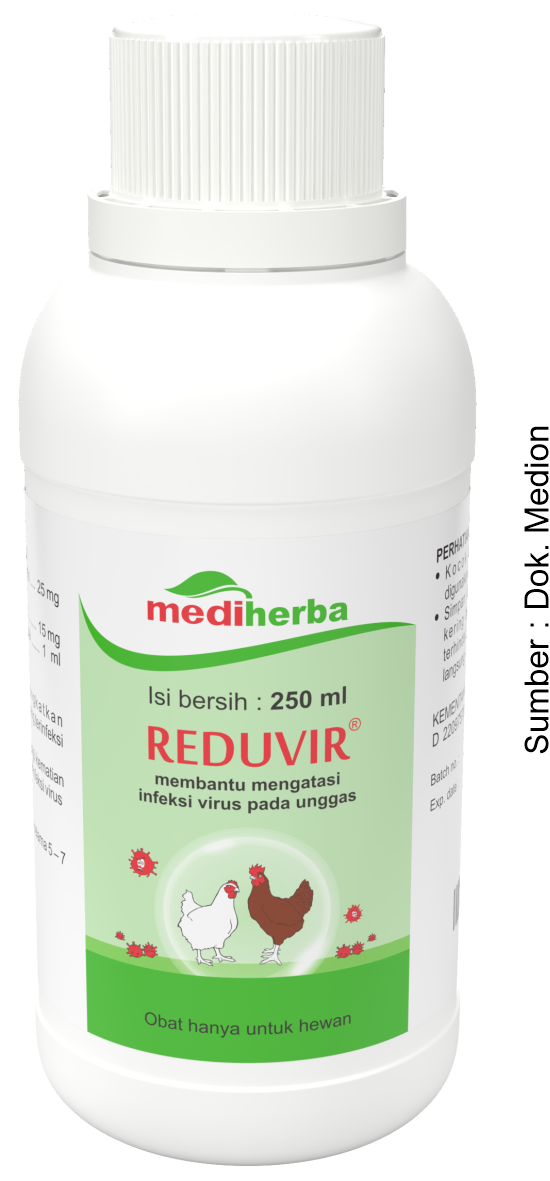
The administration of herbal remedies that have antiviral activity such as REDUVIR can also be done to help improve the health of chickens infected with AI H9N2 or IB, and reduce mortality in infected poultry. Reduvir is a liquid suspension preparation containing extracts of Rhizoma coptidis and Andrographis paniculata, both of which have antiviral activity. Considering the short rearing period, consider carrying out an earlier harvest if the case occurs near market age.
By understanding the causes, clinical symptoms, and pathological anatomy, as well as implementing prevention efforts with a combination of vaccination, biosecurity, and good rearing management, we hope our chickens will be free from AI H9N2 and IB infection.