One of the most common challenges in poultry farming is maintaining flock health. Poultry diseases pose a serious threat that can cause significant economic losses for farmers. These diseases can affect various organ systems in chickens, with the digestive system being a preferred target for many pathogens. Digestive disorders in poultry can have both short- and long-term negative impacts, often leading to poor growth performance and reproductive disturbances.
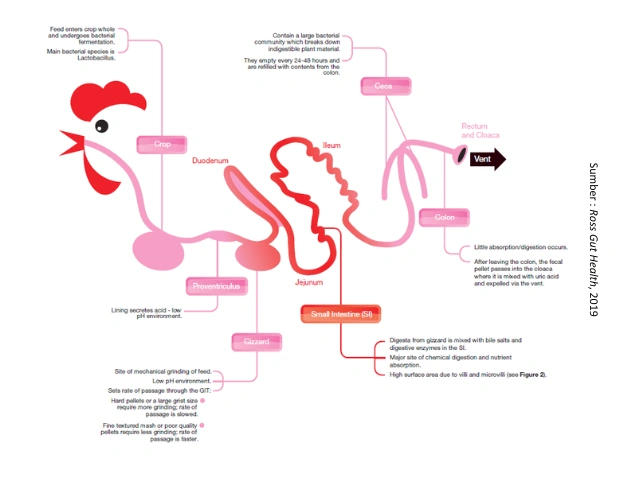
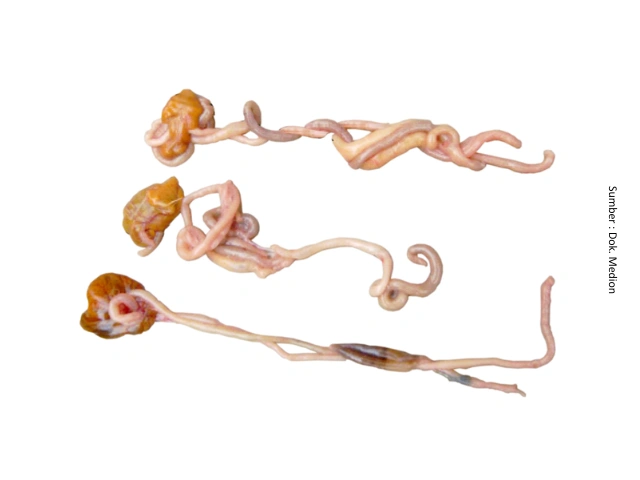
The avian digestive system is a complex network that plays a vital role in sustaining bird health and productivity. Each organ performs distinct functions, and disruption of even a single component can compromise the performance of the entire tract. The intestine (intestinum) is particularly important. It is divided into several segments (Figure 1); nutrient absorption occurs primarily in the jejunum and ileum, while microbial fermentation of residual feed takes place in the ceca. In healthy birds, the intestinal microbiota remains in balance. Under certain conditions, however, an imbalance of intestinal bacteria—known as dysbacteriosis or dysbiosis can develop.
Definition and Etiology of Dysbacteriosis
Microbes in the digestive tract or gastrointestinal system of poultry consist of more than 900 bacterial species and their metabolites. These microbes serve as indicators of poultry health and are influenced by nutrition, medication, and other factors. Dysbacteriosis is a condition characterized by a reduction in microbial diversity, marked by the loss of beneficial microbes and the increase of opportunistic microbes (which can become pathogenic under favorable environmental conditions). Dysbacteriosis is classified into three types: the loss of beneficial bacteria, the overall loss of bacterial diversity, and the overgrowth of pathogenic bacteria. Dysbacteriosis in poultry negatively affects growth, performance, health, flock uniformity, and overall animal welfare.
Dysbacteriosis can be caused by various factors, including:
a) Feed
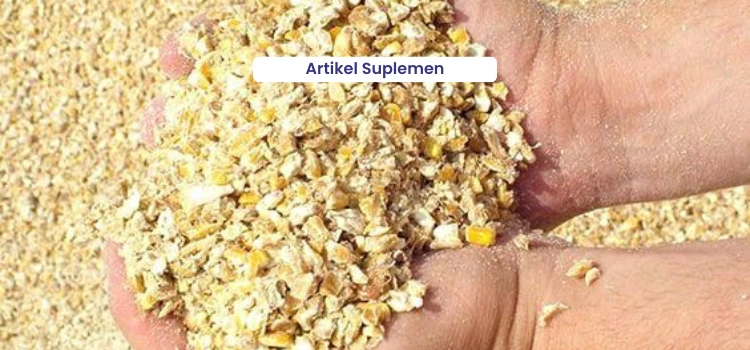
An unbalanced feed ration can directly or indirectly cause intestinal dysbacteriosis. For example, a diet containing a high crude protein-to-metabolizable energy ratio may lead to the accumulation of undigested protein in the ceca, resulting in the overgrowth of proteolytic (protein-degrading) microbes that produce hydrogen sulfide and ammonia. A diet with an imbalanced protein content also negatively affects gut microbes, as excessive protein levels can lead to the formation of toxic metabolites and gas products that suppress the poultry’s immune system.Fiber and fat in feed also influence intestinal microbial balance by increasing the population of butyrate-producing bacteria (Blautia, E. rectale, Roseburia, F. prausnitzii, and Faecalibacterium spp.), as well as Lactobacilli and Bifidobacteria. The effect of dietary fat on intestinal microbiota diversity is indirect—higher fat levels stimulate the production of bile salts (bile acids), promoting the growth of bile-tolerant bacterial species such as Alistipes, Bacteroides, and Bilophila.Meanwhile, a high-carbohydrate diet increases the population of bacteria involved in fermentation processes, including Clostridium cluster XVIII, Lachnospiraceae (Clostridium colostridioforme), Ruminococcaceae (F. prausnitzii), and Prevotella.
b) Improper Use of Antibiotics
An important issue regarding antibiotic use is the duration of administration. Long-term use leads to a decrease in microbial diversity within the gastrointestinal tract. The combined use of broad-spectrum antibiotics (such as neomycin, ampicillin, and others) for 7–14 days increases antibiotic-resistant bacterial species, causes gastrointestinal dysbacteriosis, slows intestinal development, disrupts intestinal barrier function, and weakens the immune system.Administering antibiotic cocktails or combinations for two weeks also significantly reduces the population of beneficial bacteria such as Firmicutes, Lactobacillus, and Bacillus, while increasing the abundance of Bacteroidetes, Proteobacteria, Cyanobacteria, and Enterococcus in the gut.
c) Mycotoxins or Fungal Toxins
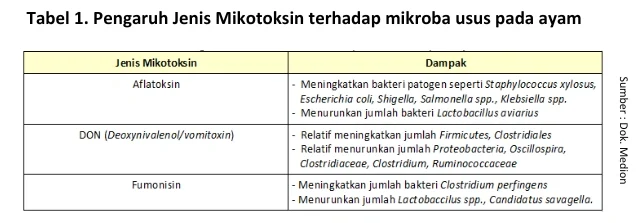
Mycotoxins are metabolites produced by fungi such as Aspergillus, Fusarium, and Penicillium. These toxins negatively affect the composition of intestinal microbes. The primary harmful effects of mycotoxins on the intestinal health of chickens include disruption of microbial homeostasis, alteration of microbial composition in the ceca, increased microbial diversity and richness, as well as intestinal damage and inflammation. Most mycotoxins target the epithelial cells of the intestine, and gut microbes play a crucial role in their detoxification. Each type of mycotoxin can affect intestinal microbiota differently (Table 1).
d) Disease Agents
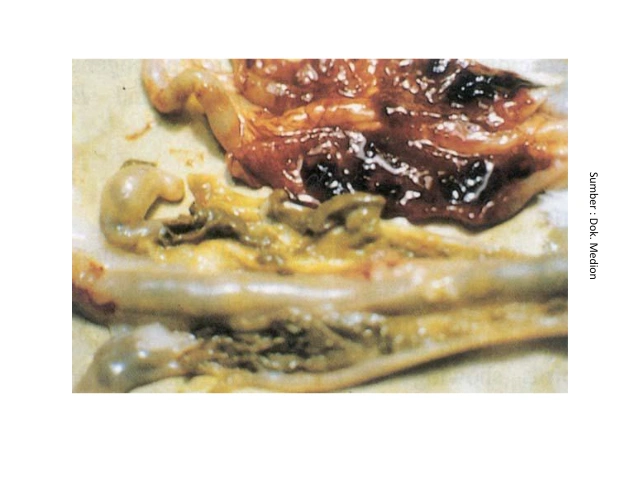
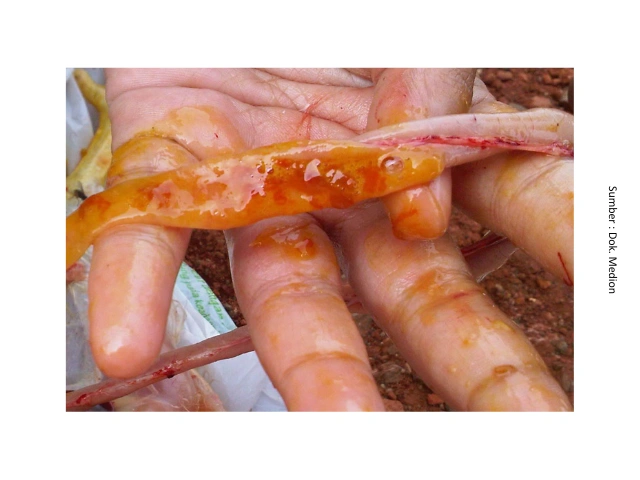
- Clostridium perfringens is a Gram-positive, anaerobic (does not require oxygen to grow), spore-forming bacterium that can cause necrotic enteritis (NE) in poultry. This bacterium leads to significant economic losses due to reduced growth performance and increased mortality in birds. C. perfringens can induce dysbacteriosis by producing toxins that damage the intestinal lining (Figure 2) and outcompete beneficial bacteria. Its virulence factors, including toxins such as CPE and CPA, disrupt the normal balance of intestinal microflora, resulting in a decline of beneficial bacteria and an increase in pathogenic ones.
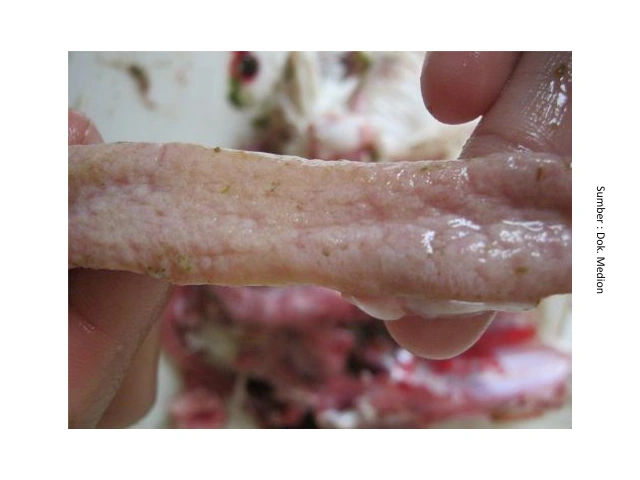
- Escherichia coli (E. coli) is a facultative anaerobic (able to grow with or without oxygen), rod-shaped, Gram-negative bacterium. It is typically motile and equipped with flagella. E. coli is a commensal bacterium in the poultry gut; however, certain strains such as APEC (Avian Pathogenic E. coli) can cause disease and dysbacteriosis in poultry by disrupting the natural balance of intestinal microbiota. This imbalance reduces the population of beneficial bacteria and increases pathogenic ones, impairing nutrient absorption and predisposing birds to secondary infections.
Predisposing Factors for Dysbacteriosis
Heat Stress
In poultry, several studies have demonstrated the significant effects of heat stress on the composition and structure of intestinal microbiota in both broilers and layers. Specific changes reported include decreased levels of Lactobacillus and Bifidobacterium, along with increased levels of Clostridium and total coliform bacteria.The mechanism by which heat stress affects gut microbes is largely indirect. For instance, reduced feed intake and increased water consumption alter the availability of nutrients in the intestinal tract that serve as substrates for microbial growth. Additionally, these changes trigger various alterations in the gut environment, such as shifts in secretion patterns, intestinal motility, and digestive tract viscosity.
Digestive organ damage caused by parasitic infestation
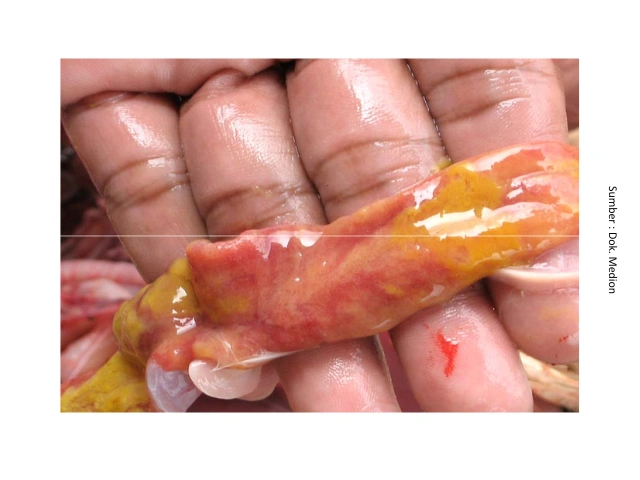
Coccidiosis, caused by various species of Eimeria, is a protozoan parasitic infection that severely affects the intestinal health of poultry. The parasites invade and damage the intestinal lining, leading to lesions and inflammation. This damage disrupts the normal gut microbiota, resulting in dysbacteriosis. The infection also weakens the bird’s immune system, making it more susceptible to secondary bacterial infections. Dysbacteriosis caused by coccidiosis can lead to diarrhea, poor feed conversion, and reduced growth rates.
Age
Young chickens have a developing intestinal microbiota, and during this period, the balance can easily be disrupted, potentially leading to dysbacteriosis. As broilers age (around 20–30 days), the intestinal microbiota usually stabilizes; however, if management practices are suboptimal, dysbacteriosis can still occur. In older laying hens, changes in gut microbial composition may also take place, with some studies showing a decrease in beneficial bacteria such as Lactobacillus.
Environment (Milieu)
- Stocking Density
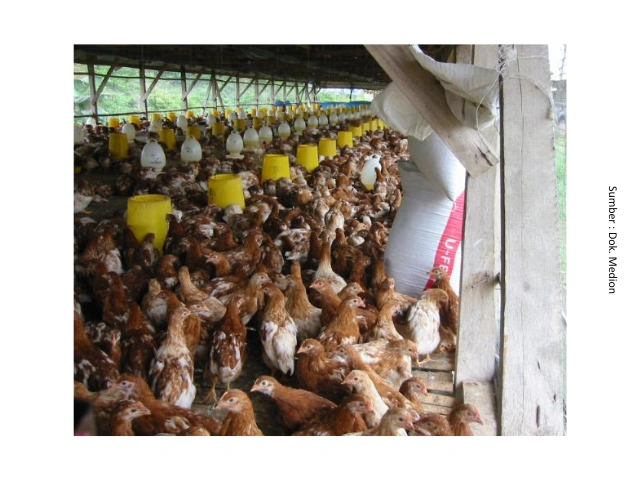
High stocking density affects the balance of intestinal microbiota. Excessive density increases litter moisture and the microbial load in the environment. Chickens may unintentionally ingest litter, which alters the composition of digestive microbes. In addition, high density reduces feed intake, which can further influence the intestinal microbiota. Overcrowded housing conditions have been shown to decrease the number of Lactobacillus in the ceca and small intestine, while increasing the population of Escherichia coli in the ceca.
- Brooding Management
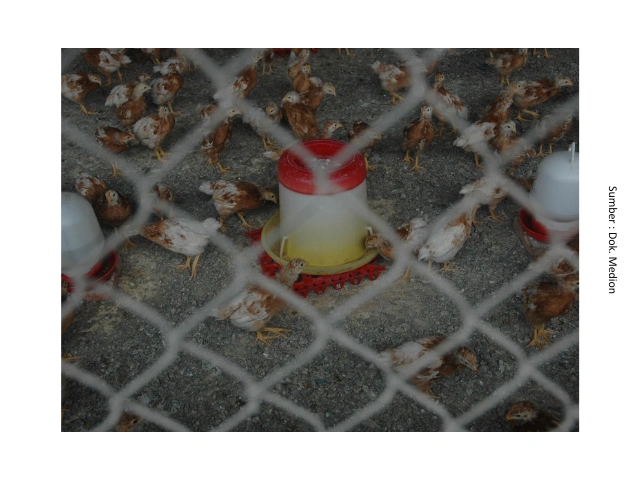
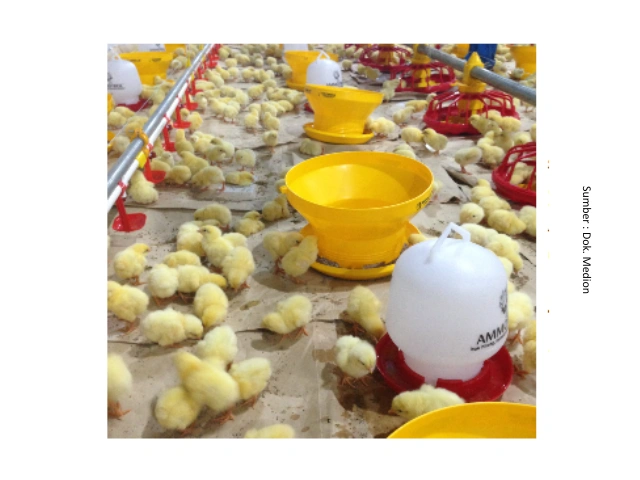
Optimal brooding management is crucial for the development of a healthy intestinal microbiota in poultry. Birds that receive proper brooding care are better able to develop resilient intestines capable of withstanding challenges within the poultry house. Early access to feed and water (early feeding system) is essential, as even short periods without feed can lead to dysbacteriosis. The gut microbiota can undergo significant changes within hours in the absence of nutrients. Moreover, water quality is vital for maintaining normal intestinal function and proper digestive tract pH. Ensuring these conditions supports gut health and enhances overall poultry welfare.
- Biosecurity that is lacking
Biosecurty that is lacking, particularly in relation to cleaning and disinfection procedures, can adversely affect poultry health. If these procedures are not performed correctly, pathogens can enter the poultry house. Exposure to these pathogens significantly impacts intestinal health and development. Improper litter management practices have been shown to have a substantial effect on the gastrointestinal tract (GIT) and the gut microbiota of chickens. Research has revealed that litter management can influence microbial diversity in the air and the respiratory system of chickens, with different changes observed over time. Effective Biosecurty, including thorough cleaning and disinfection, is essential to prevent the introduction of harmful pathogens and to support the development of a healthy intestinal microbiota in poultry.
Symptoms of Dysbacteriosis
Signs of dysbacteriosis in poultry may include changes in fecal consistency, such as diarrhea or increased moisture content, often accompanied by a foul odor. Affected birds may also exhibit reduced feed intake, poor growth performance, and increased susceptibility to diseases. This imbalance of intestinal microbiota can lead to impaired nutrient absorption, weakened immune function, and alterations in metabolic processes.
Dysbacteriosis disrupts the environment of the gastrointestinal tract (GIT), promoting the proliferation of pathogenic bacteria. These pathogens release toxins that increase intestinal motility and alter the amount and composition of mucus in the digestive tract. In addition, dysbacteriosis leads to changes in gastric acidity, reduced production of bacteriostatic peptides by the pancreas, and decreased secretion of immunoglobulins. This syndrome typically manifests between 20 and 30 days of age.
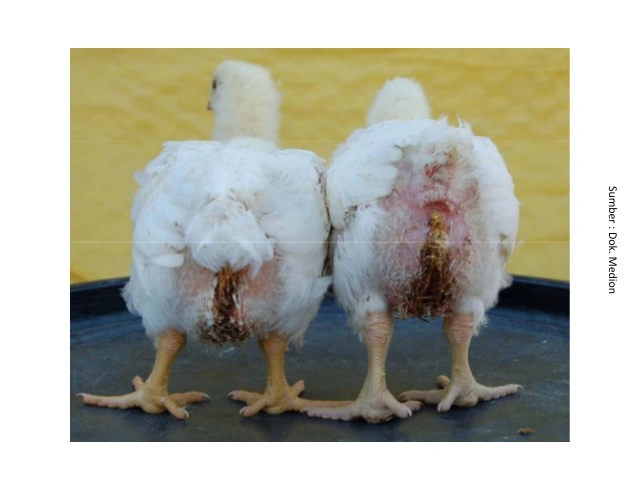
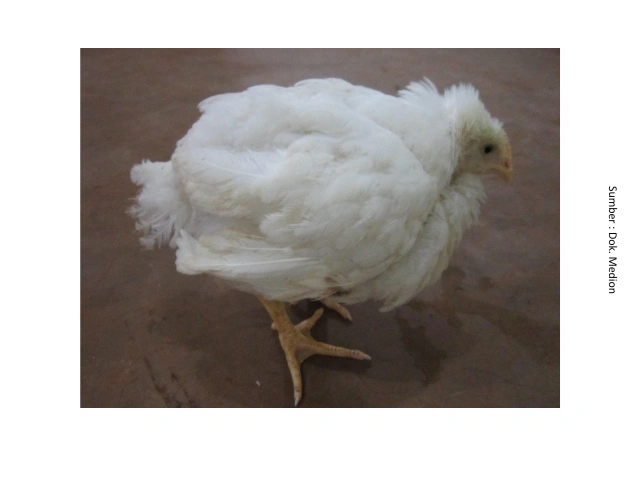
Field Conditions and Impacts of Dysbacteriosis in Broiler and Layer Chickens
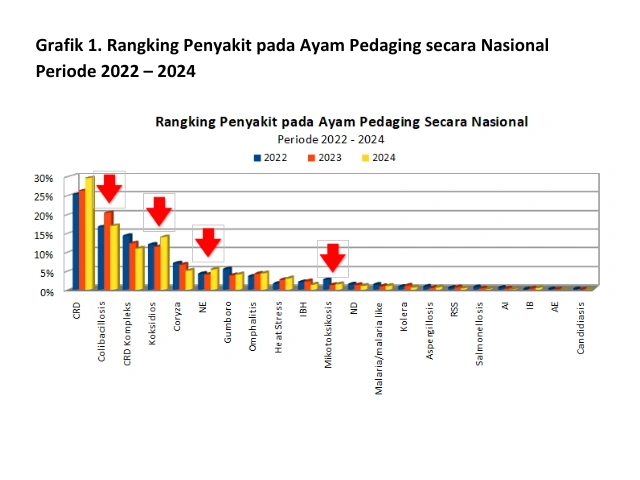
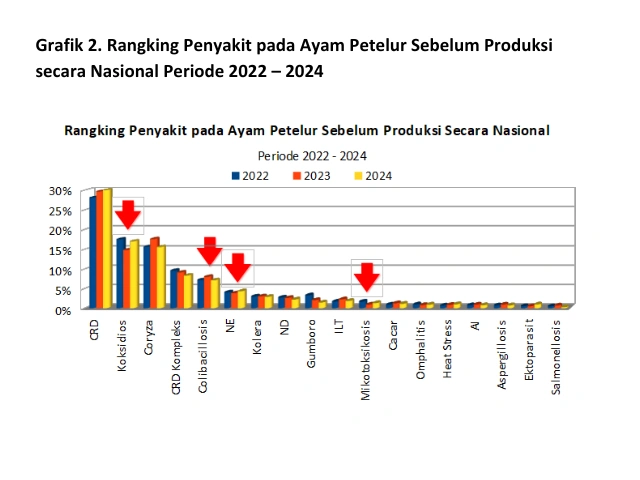
Dysbacteriosis is closely associated with infectious diseases such as necrotic enteritis (NE), colibacillosis, coccidiosis, and non-infectious diseases such as mycotoxicosis. The following data, collected by the Medion team nationwide over the past three years (Graphs 1–3), illustrate the occurrence of diseases related to dysbacteriosis. In both broilers and layers—whether before or during the production period—diseases associated with dysbacteriosis are quite common in Indonesia and should be carefully monitored.
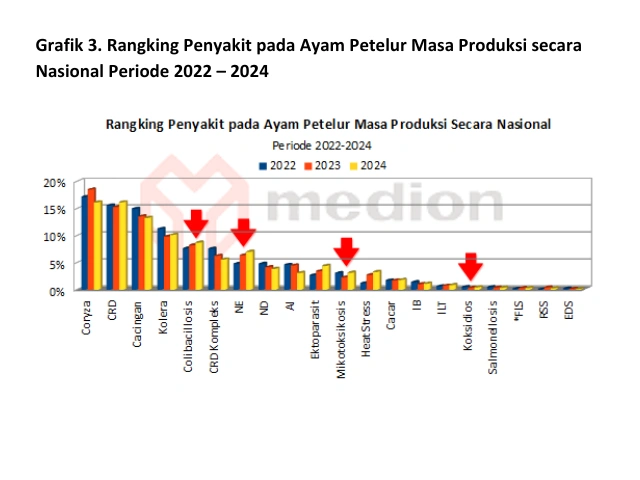
Economic losses for farmers often occur when dysbacteriosis persists without proper treatment, leading to reduced or suboptimal body weight gain and increased feed conversion ratio (FCR). Moist litter resulting from diarrhea raises ammonia levels in the poultry house, which can cause irritation and even rupture (shedding) of the cilia in the respiratory tract. This condition makes it easier for pathogenic microorganisms to infect the respiratory system of the birds.
Prevention of Dysbacteriosis
The most important factors to prevent dysbacteriosis are:
Minimizing environmental stress
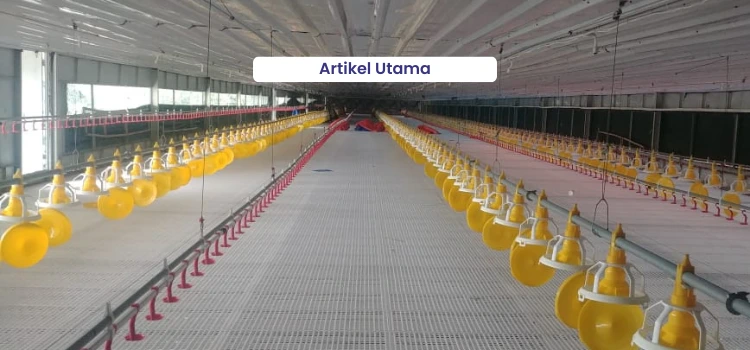
Avoid and minimize stress factors in chickens, such as during transportation, extreme weather changes, vaccination, loud noises, or feed transitions. Implementing a closed-house system with automatic ventilation plays an important role in maintaining a comfortable environment inside the poultry house. Pay attention to temperature, humidity, ventilation, and stocking density to ensure the birds remain comfortable and stress-free.To enhance immunity and help birds cope with stress, supplementation with multivitamins such as Vita Stress or Fortevit can be administered.
Maintaining good water quality
Indicators of drinking water quality include physical (clear, colorless, and odorless), chemical (neutral pH and low hardness), and biological (free from contaminants such as E. coli, Salmonella sp., etc.) parameters. Regularly check the quality of drinking water on the farm, especially during seasonal changes, at laboratories such as Medion Laboratory to detect the presence of bacterial contaminants like coliform or E. coli in the water supply.
Improving feed digestibility
One of the positive effects of adding organic acids to the digestive tract is the stimulation of beneficial bacterial growth. The greater the population of beneficial bacteria, the more optimal nutrient absorption becomes. Organic acids also enhance the production of the enzyme pepsin, thereby improving protein digestibility. Asiges contains a combination of organic acids that help eliminate pathogenic bacteria, maintain intestinal health, and enhance feed digestibility.
Maintaining feed quality
The feed provided to chickens must meet the required nutritional values. The quality of the feed should also meet proper standards, and clumped or moldy feed must be avoided. Mold growth in feed can produce mycotoxins that trigger dysbacteriosis. If necessary, add a mold inhibitor such as Fungitox to prevent fungal growth.Equally important, during humid conditions—especially in the rainy season—it is recommended to use a toxin binder such as Freetox to bind mycotoxins in the feed. Feed transitions should also be done gradually to minimize stress in chickens.
Adding Feed Additives
Adding feed additives that can modulate microbial components and prevent dysbacteriosis is highly beneficial. These include probiotics, prebiotics, enzymes, organic acids, essential oils, and phytomolecules. One example is Optigrin, a herbal feed additive that can serve as an alternative to AGPs. It helps eliminate pathogenic microbes and coats the intestinal villi, preventing Eimeria spp. from infecting intestinal cells. Additionally, Optigrin exhibits immunomodulatory activity that enhances the bird’s immune system.

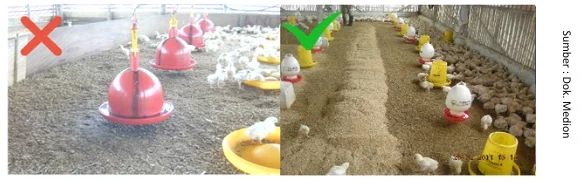
of feeders
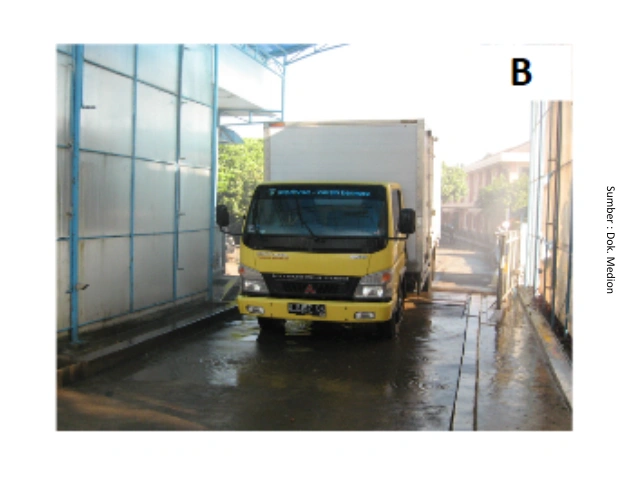
of vehicles
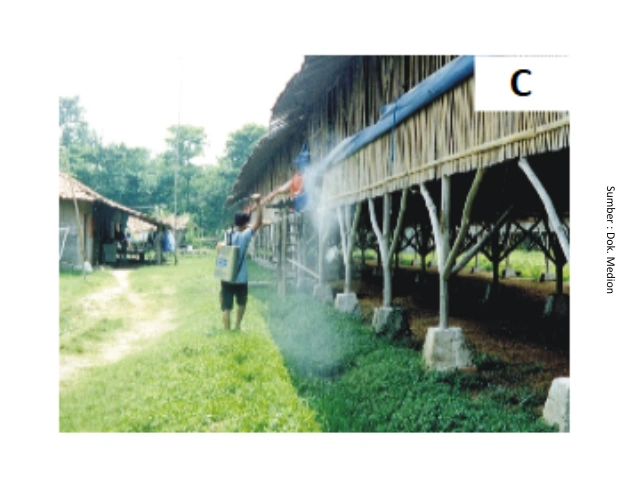
of poultry houses

Antibiotic Growth Promoters (AGPs) are known for their ability to suppress undesirable microbes. However, their negative impact lies in reducing the natural diversity of gut microbiota. The use of AGPs can also lead to bacterial resistance to antibiotics. Other products have been proposed as alternatives for promoting growth, considering the increasing issue of bacterial resistance to several categories of antibiotics.Entrozim is a powder formulation containing lysozyme, which functions as a growth promoter (dosage: 0.025 g/kg body weight) and can be administered through drinking water or feed. Lysozyme helps improve the condition of the digestive tract and enhances poultry performance, making it a safe feed additive option to prevent dysbacteriosis in the poultry gastrointestinal system.
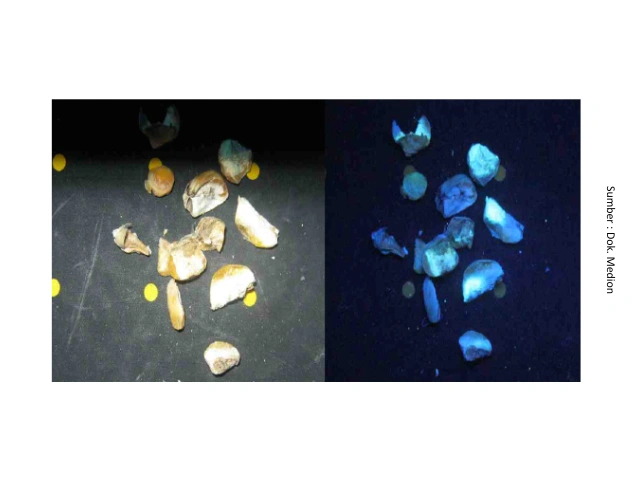
of mycotoxins in the feed)
By understanding the potential impacts of dysbacteriosis on the digestive system, it is important to remain vigilant and apply an integrated prevention approach. This includes improving biosecurity, implementing proper and consistent management practices, and ensuring high-quality feed and water so that poultry remain healthy and production reaches its optimal peak.