Evaluation of the productivity of laying hens seen from the quantity and quality of eggs produced. Efforts to achieve optimal productivity required quality feeding. Quality feed contains complete nutrients (macro and micro nutrients) and balanced (according to the needs of livestock). However, there are variations in the quality of raw materials and feed in the field, can make the productivity of laying hens fluctuate.
The challenge of variations in the quality of raw materials or feed in the field can affect the adequacy of nutrients needed by laying hens. The addition of premixes in feed can be an alternative solution to overcome the challenges of current feed quality variations.
A. Productivity Of Modern Laying Hens
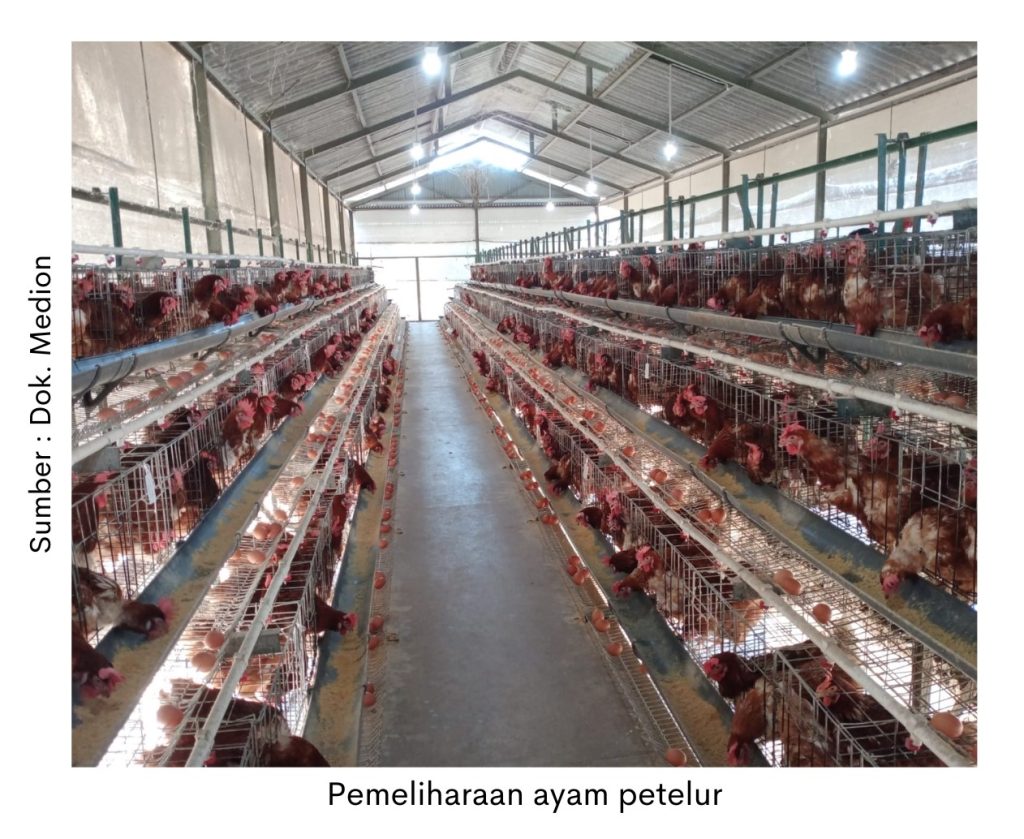
The productivity of modern laying hens is currently able to reach a peak production of 96.5% with a persistence period of 37 weeks. Although over time its quantity and quality have decreased.
However, to achieve these targets in the field, the practice is not easy. However, the genetic potential of modern laying hens today can be optimized, one of which is through the genetic of modern laying hens today can be optimized, one of which is through the approach of nutrition (feed). Chart 1. shows the genetic potential of modern laying hens productivity both in quantity and quality.
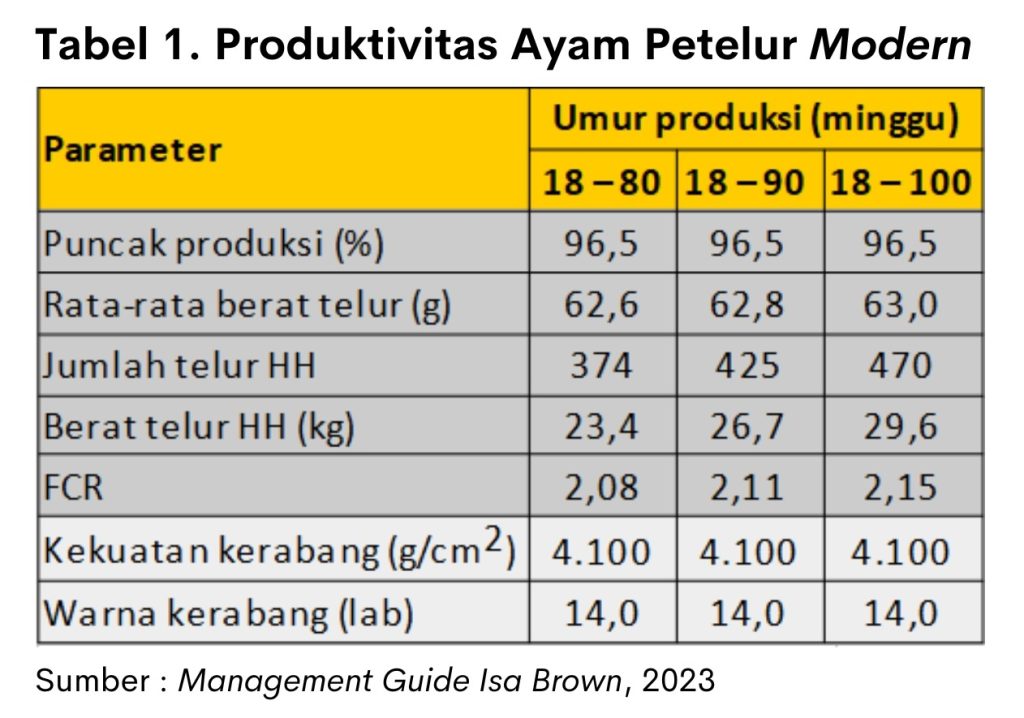
In addition to the quantity of egg production, the quality of egg shells is also the appeal of consumers with a more brown and shiny color (glowing). This is a consideration in preparing feed formulations along with the right premix to optimize the color of the egg shell.
B. Components of premixes in feed
It's a prequel (feed additive) or complement (feed supplement) or a combination of the two whose administration is mixed into the feed with a small amount or a little. In general, premix serves to improve or maintain the quality of feed.
Feed Supplement (FS)
Feed supplement serves to improve the quality of feed nutrition directly (nutritive). Consists of minerals, vitamins and amino acids.
Feed Additive (FA)
Feed additive serves to improve the quality of feed nutrition indirectly (non nutritive). Examples toxin, mold inhibitor, enzymes, phytobiotics, acidifier, probiotics, prebiotics, etc.
Combination Feed Additive & Supplement (FAS)
In the field of premix use with a combination feed supplement and additive it is commonly used and more practical in use.
C. The importance of premixes in feed
Complement the needs of micronutrients
The supply of micronutrients mostly comes from premixes, especially for feed selfmixing (mixing their own feed) premixes as raw materials that must be added. The variation in the quality of raw materials or feed causes a decrease in nutrients (not according to standards), especially micronutrients. The addition of premixes as a back up of micronutrients, especially when there is a decrease in nutrients and minimize the occurrence of volatile productivity.
Addition of premixes to feed selfmixing in the production phase laying hens such as Mix Plus LLM3A or Mix Plus LLM3B which contains complete micronutrients needed by livestock, namely multiminerals, multivitamins, amino acids and is equipped with feed additive alternative form egg promoter.
Complement the needs of micronutrients
Energy and protein content are the main nutrients that support the quantity of production of laying hens, but other supporting nutrients are no less important such as minerals, vitamins play a role in the metabolic process.
In addition, amino acids also play an important role in increasing the weight of eggs. Lysine and methionine are able to increase albumin production so that egg weight can increase.
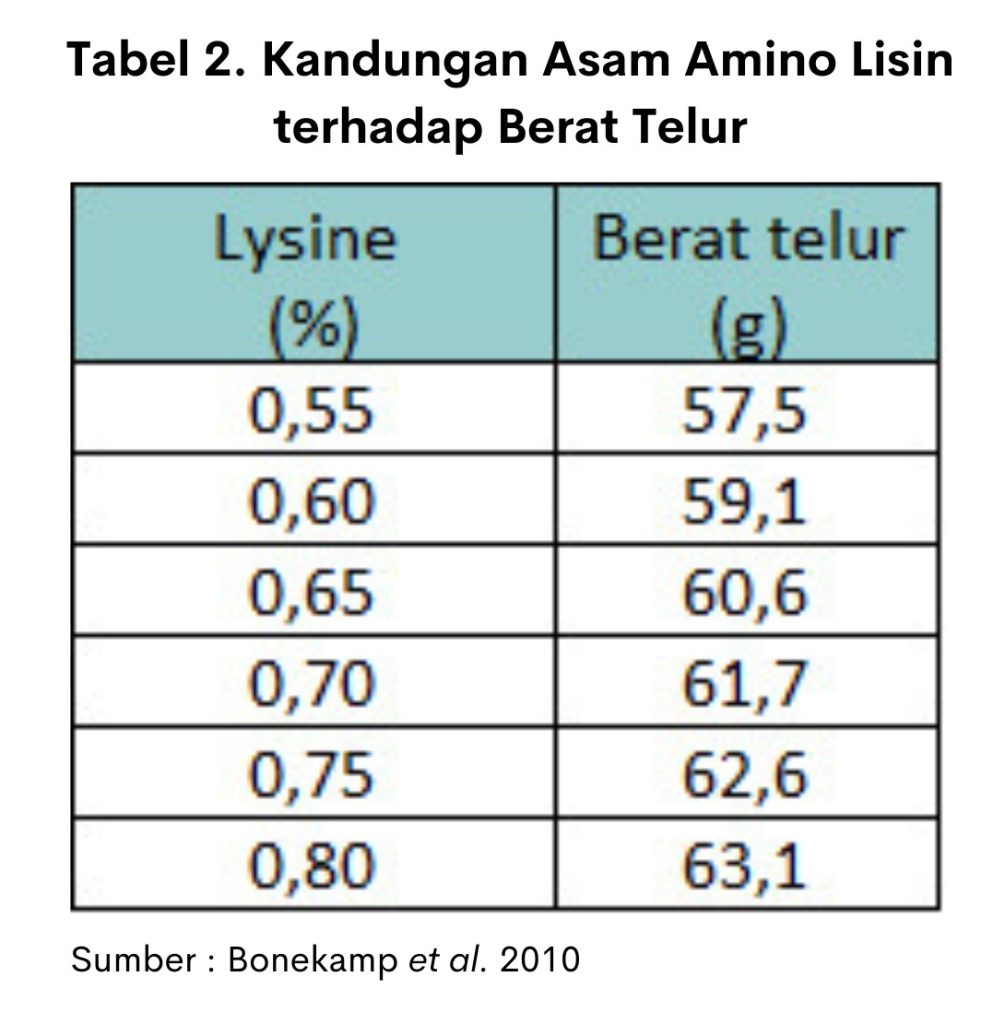
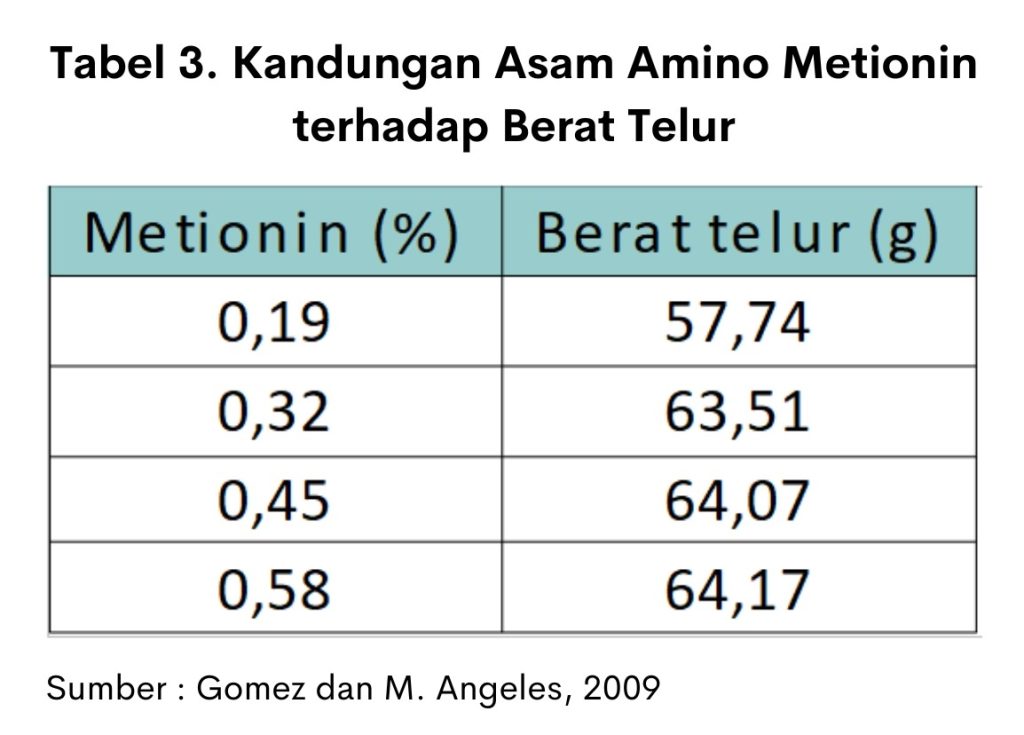
Minerals, vitamins, amino acids are needed in small quantities, but their availability is important to consider. Therefore, the addition of premixes to concentrate feed and finished feed is still recommended so that egg production is more optimal. Examples of premixes for concentrate feed or finished feed such as Mix Plus LLK3A, Mix Plus LLK3B, and Mix Plus LLK13A.
Optimizing egg shell quality
The largest nutrients that make up the egg shell are minerals (Ash), both macro minerals (calcium, phosphorus) and micro minerals (Fe, Cu, Mn, Zn). Generally, macro minerals play a major role in the process of egg shell formation. So it takes a supply of calcium and phosphorus derived from mineral raw materials such as flour or grit stone, DCP, MCP and or premixes.
While micro minerals play an important role in the coloring process and the density of eggshells usually come from premixes. When insufficient availability (deficiency) can cause pale and inhomogeneous color of scallops.
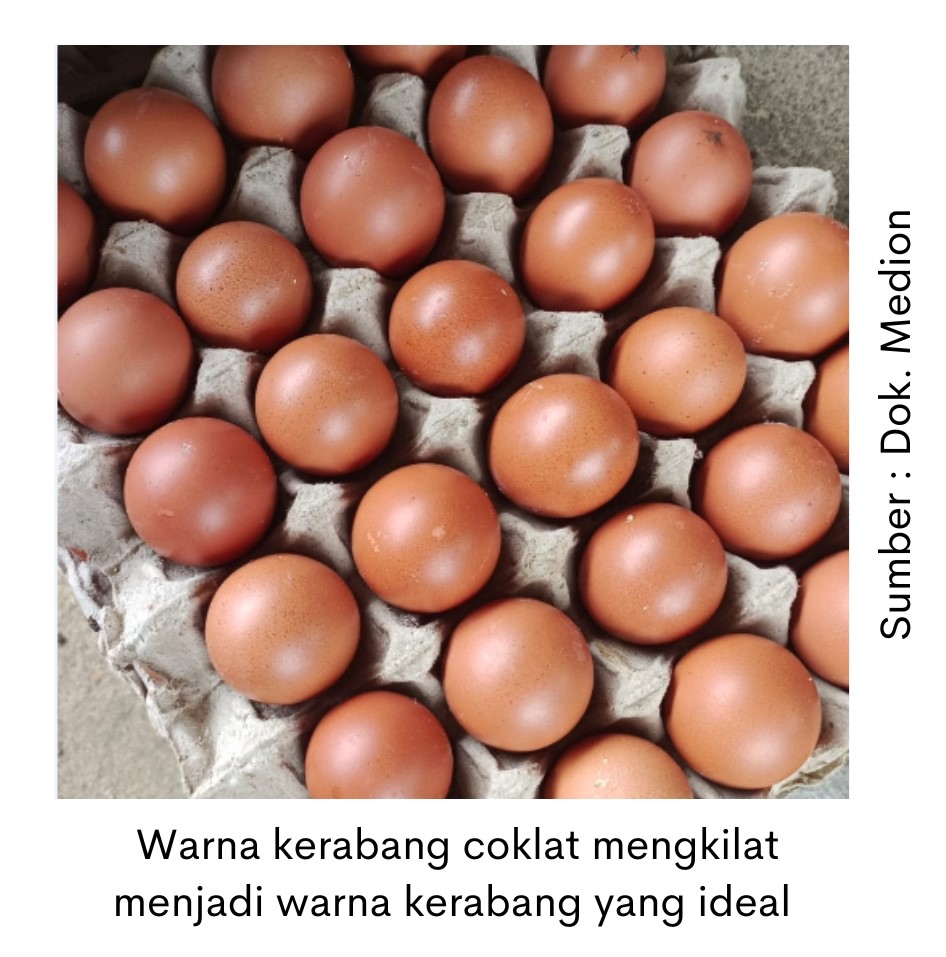
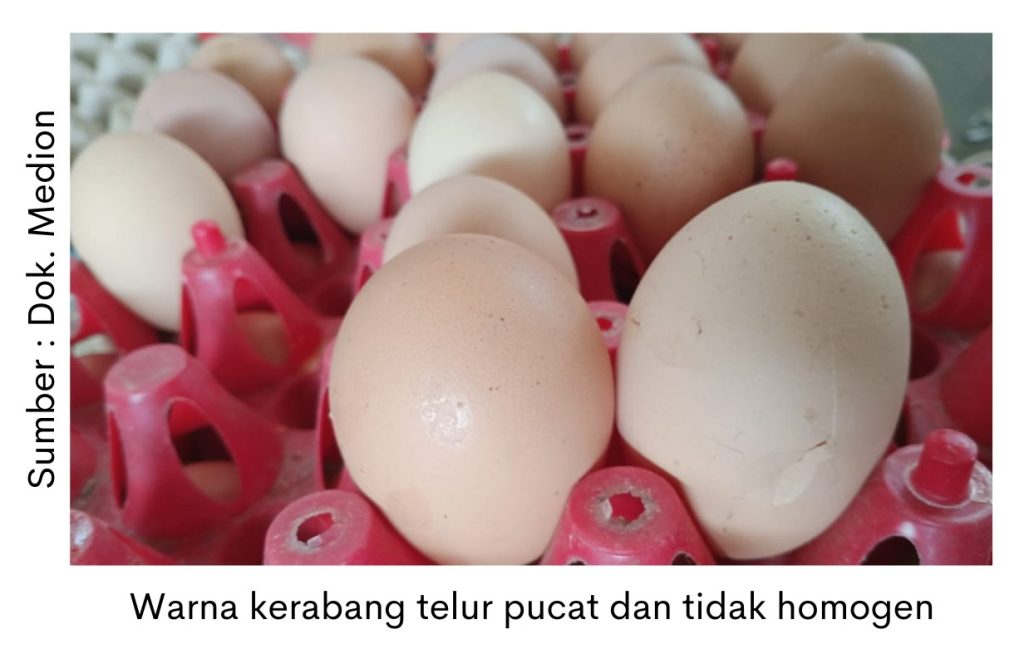
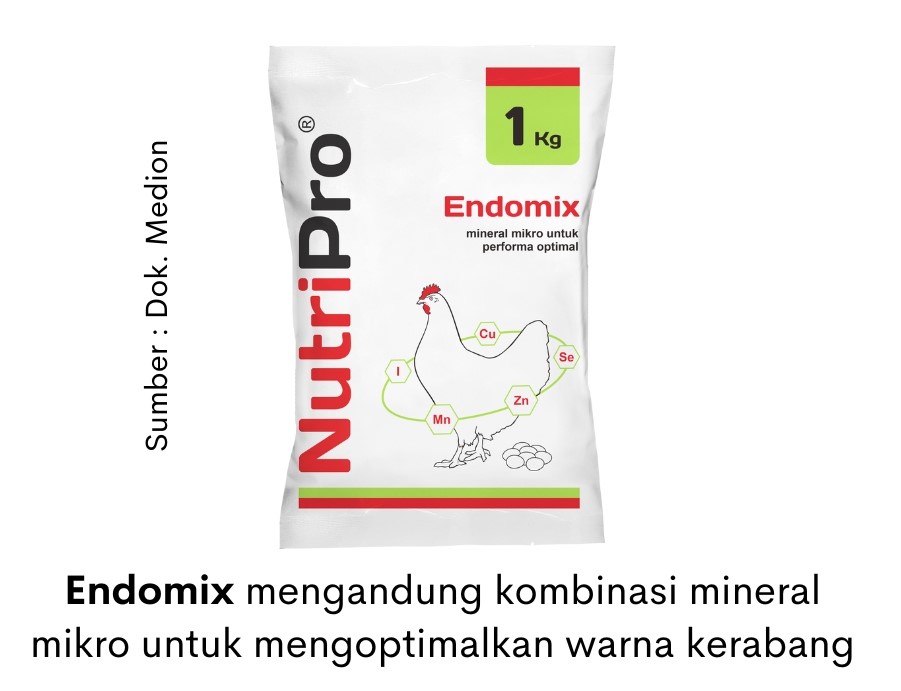
Endomix it is a combination of microelements (trace minerals) be the right choice to optimize the quality of egg shells. Some micronutrient elements such as Fe, Cu, Mn, and Zn serve as chelate carriers in the molecular structure protoporphyrin IX (Solomon, 1987), so that when the supply of micro minerals fulfilled optimal shellfish coloring process.
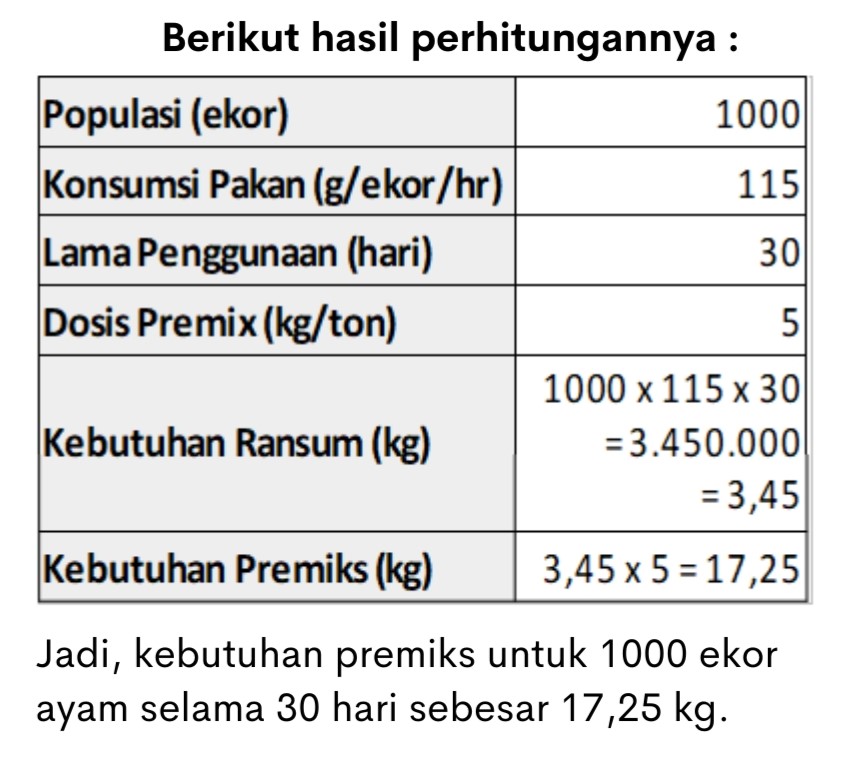
The key to the successful use of premixes in feed is the right dose according to the needs of livestock and mixed homogeneously. In the calculation of the need for premixes, the necessary data include :
- Livestock population
- Average daily consumption (g / Head/day)
- Long use of premixes
- Dosage of premixes
Formulas that can be used in the calculation of the need for premixes :
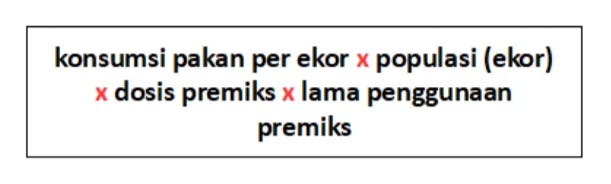
Here's an example of calculating the need for premixes :
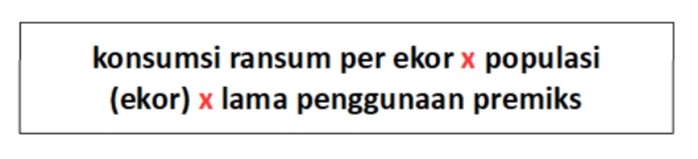
- Calculate feed consumption needs
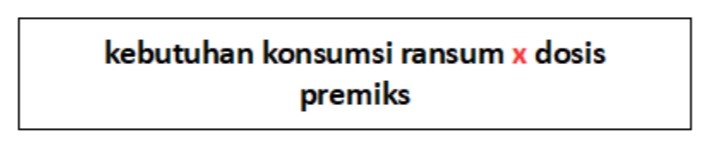
- Calculate the dosage of premixes based on feed needs. Examples of premixes used : Mix Plus LLK13A (Dosage 5 kg / ton feed)
Efforts to optimize the quantity and quality of eggs can consider the selection of appropriate premix, according to the needs of livestock and mixed homogeneously. Success always.