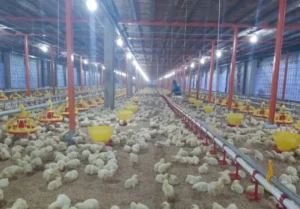
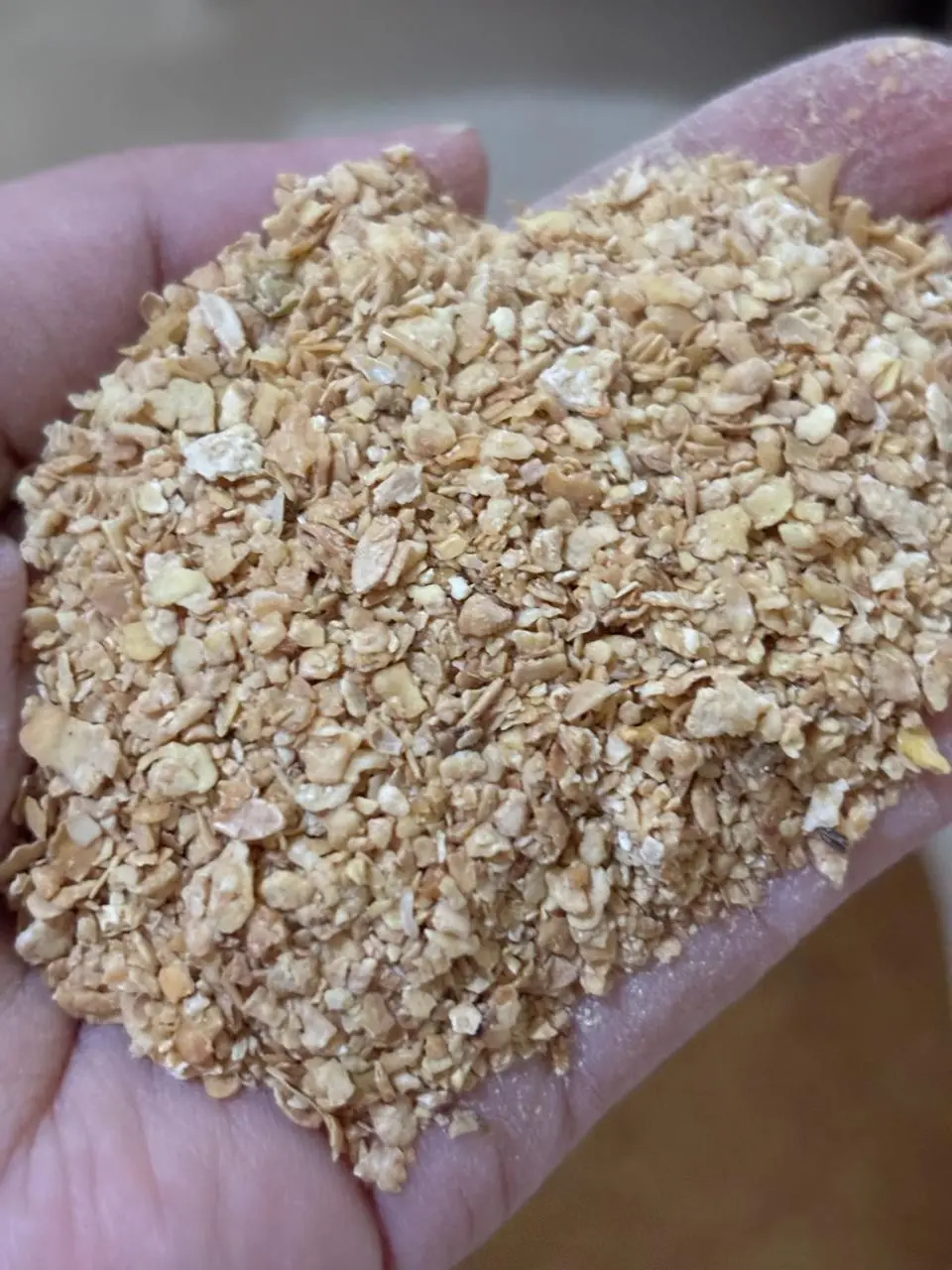
Feed ingredients are everything used to formulate feed. The nutritional content of feed ingredients is a crucial aspect in feed selection. Adequate and balanced nutrition can support optimal livestock performance. One feed ingredient with good nutritional value is soybean meal (SBM). SBM has a high protein content and a balanced amino acid balance. However, several field cases have shown that the available SBM varies in nutritional content. Decreased nutritional quality is partly due to errors during the production process and storage.
A. Overview of Soybean Meal
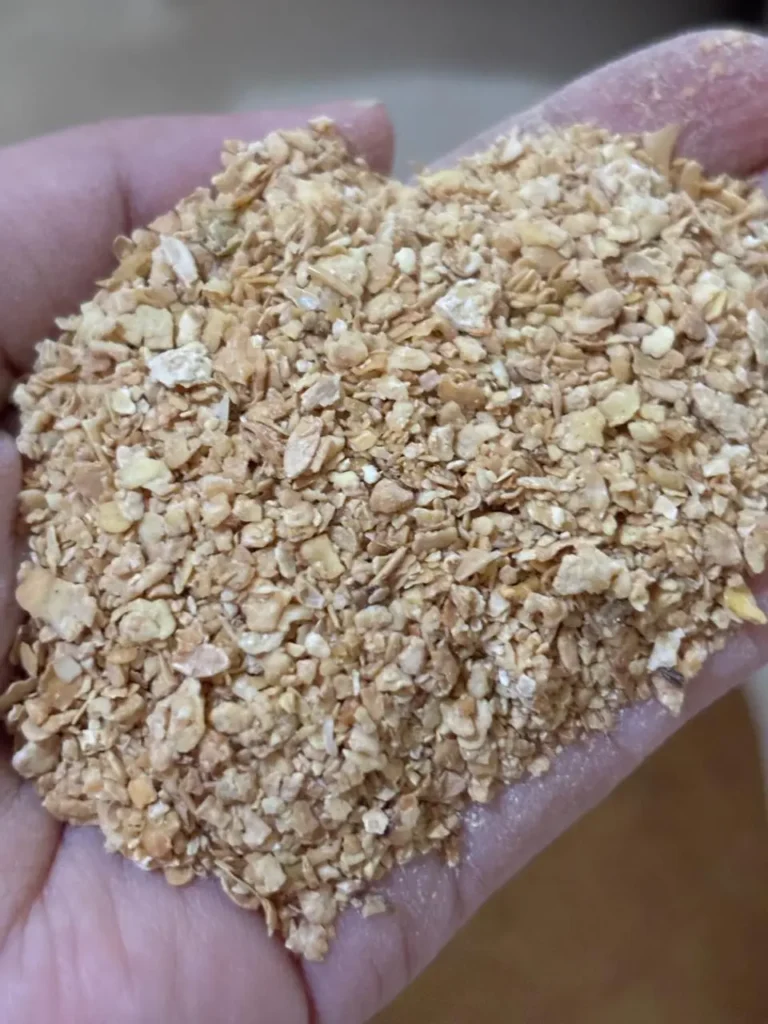
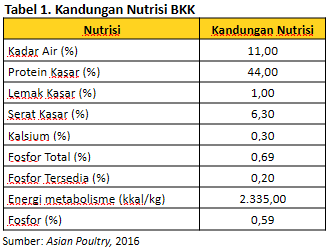
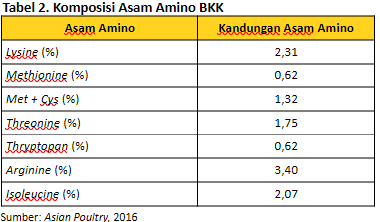
Soybean meal (BKK) or also called soybean meal (SBM) is a vegetable protein feed ingredient derived from the byproduct of soybean oil processing that has undergone a drying process. Its crude protein content is 43–48%, capable of meeting up to 50% of poultry's protein needs (Sitompul, 2004). Furthermore, digestibility is lysine The BKK showed the highest value (91%) compared to other protein source feed ingredients (Willis, 2003). The use of BKK in chicken feed broiler by 15 – 30% and in chickens layer of 15 – 20% (Wina, 1999). BKK contains anti-nutrients, namely trypsin inhibitor which interferes with the performance of the trypsin enzyme, thereby reducing protein digestibility. trypsin inhibitor The amino acids in BKK are lost during the heating process, making it safe for poultry consumption. Tables 1 and 2 show the nutritional and amino acid composition of BKK.
B. BKK Facts in the Field
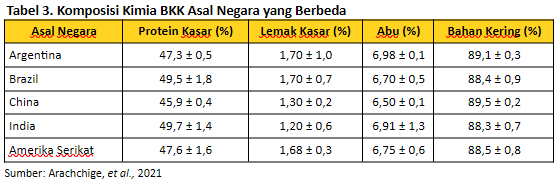
BKK is a feed ingredient that is largely imported. Indonesia is the world's second-largest importer after the European Union. BKK producing countries include the United States, Argentina, Brazil, China, and India. Differences in BKK origin lead to differences in quality due to different manufacturing processes (heating temperatures) and storage management in each producing country. Table 3 shows the differences in the chemical composition of BKK from different producing countries.
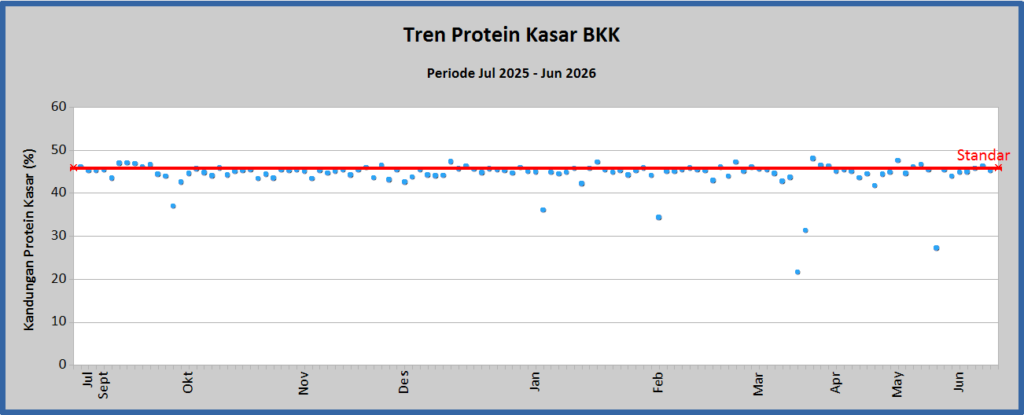
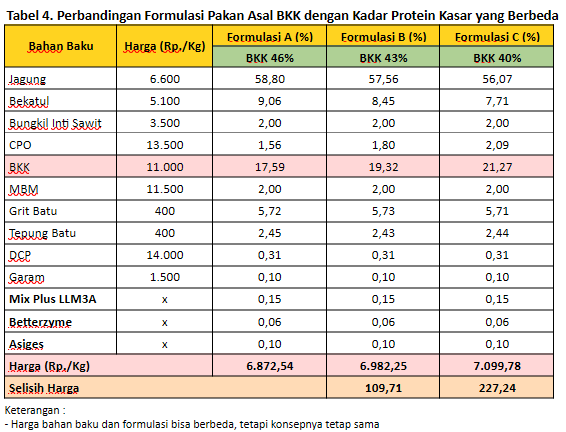
Facts on the ground show the same thing. Based on data from the results of BKK samples tested for crude protein at the Medion Laboratory (Chart 1) from July 2025 to June 2026, out of a total of 119 samples, 22 (18.5%) did not meet standards. Two samples exceeded the standard and 20 samples fell below the standard. Nutritional variations in BKK result in inappropriate nutrition for livestock. Therefore, the formulation used needs to be reviewed to suit livestock needs. Another fact is that BKK is an imported feed ingredient, so its price tends to increase due to currency differences and other factors such as trade wars. Therefore, the use of BKK in formulations needs to be maximized by selecting BKK with good quality (undamaged). Damage to feed raw materials causes a decrease in nutritional value, such as protein in BKK. The decrease in crude protein value requires reformulation of protein-based feed ingredients to maintain nutritional targets. Table 4 shows a comparison of feed formulations from BKK originating from different crude protein contents (46%, 43%, and 40%). The decrease in crude protein causes the use of BKK to increase so that feed costs become more expensive.
C. Factors Causing Damage to BKK
Damage to the BKK causes losses for farmers, both economically and nutritionally. Some damage to the BKK can be identified through the five senses or laboratory testing. Below are some of the factors causing BKK damage and their characteristics.
1. Overheating (Excessive Heating Process)
BKK is obtained through several stages, including fat removal, heating, and grinding (Boniran, 1999). The heating process destroys antinutrients such as trypsin inhibitors, making BKK safe for poultry consumption. However, excessive heating can cause the color to change to brownish (browning) on the resulting BKK. This color change is called a reaction Maillard (Figure 3).
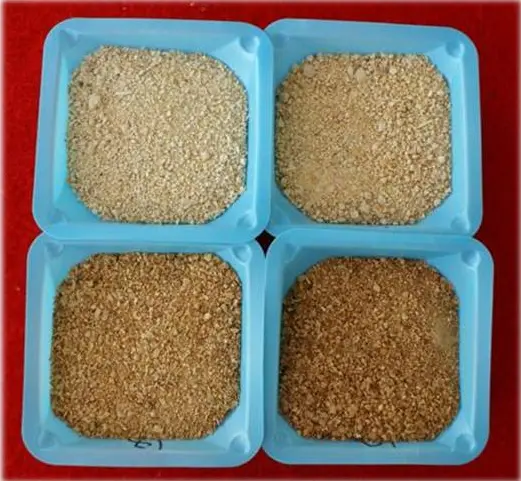
Reaction Maillard occurs due to the reaction of sugar in BKK reacting with the amine group in amino acids or proteins. Maillard resulting in decreased digestibility lysine even reduce the total amino acid digestibility. The optimal heating temperature in BKK processing is 140°C for 120 minutes or more, 150°C for 60 minutes or 160°C for 30 minutes (Hemetsberger, et al., 2021).
2. BKK Water Rates Are Too High
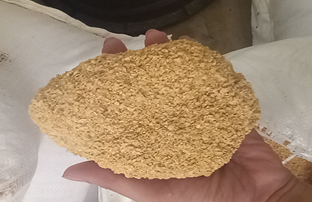
Moisture content is the percentage of moisture in a sample after weight loss due to heating at 105°C for 3 hours. Generally, the recommended moisture content for storing BKK is 12% (SNI, 2013). Too high a moisture content can trigger mold growth on BKK, shortening its shelf life. Excessive moisture content can also cause BKK to clump (Figure 4), so when mixed in mixer This results in longer mixing times and inhomogeneity. Non-homogeneous feed results in different nutrient intakes for each animal.
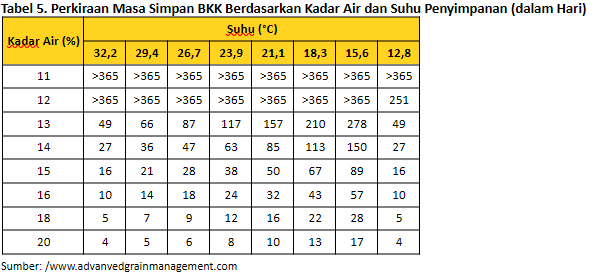
BKK merupakan bahan pakan yang dapat menyerap air dari udara di sekitarnya. Kadar air dalam BKK merupakan akumulasi dari suhu dan kelembapan udara di lingkungan sekitar. Semakin panas dan lembap tempat penyimpanan, mengakibatkan kadar air dalam BKK semakin tinggi. Berikut Tabel 5. yang menunjukkan perkiraan lama masa simpan BKK. Umumnya BKK yang memiliki kadar air <12% dapat disimpan selama 6 bulan.
3. Inappropriate BKK Storage Management
It's important to remember that BKK is an imported feed ingredient, so shipping from the producing country to the hands of farmers in Indonesia takes quite a long time. Shipping BKK from its country of origin takes 5-6 weeks. Long storage times can cause physical (color and odor changes), chemical (nutritional degradation), and biological (mold growth) changes.
Several aspects related to inappropriate storage management include damp storage areas (RH>70%) and high temperatures (>34°C) which cause the water content of BKK to increase, making it susceptible to mold growth and reducing the shelf life. The presence of pests/insects in the storage area causes shrinkage and a decrease in the nutrients of BKK.
4. Contamination/Forgery of BKK
Feed adulteration involves replacing some of the original ingredients with counterfeit ingredients. Dry bentonite is a non-flowing feed ingredient, often sticking to silo walls. In some cases, bentonite is mixed with it to prevent dust and facilitate flow. Dry bentonite has the physical properties of fine, light yellow, white, and gray particles that are difficult to distinguish by sight. Adulteration and adulteration alter the composition and reduce its nutritional value. Furthermore, several tests have shown that the crude protein content of dry bentonite meets standards, yet performance actually decreases production. This occurs due to reduced digestibility of the crude protein due to poor quality.
D. Prevention and Handling of BKK Damage
Damage to feedstuffs causes significant losses in livestock farming, as feed accounts for approximately 70% of livestock costs. Decreased quality and quantity during storage often result from errors during storage. To reduce losses due to damage to feedstuffs during storage, prevention and management can be implemented by implementing proper raw material storage management. Here are some suggestions for preventing and managing feedstuffs:
1. Regularly control the quality of BKK
Quality checks are conducted routinely, even from the initial arrival of raw materials. Macroscopic examinations, such as color, odor, and texture, can be used as initial indicators for assessing the quality of raw materials. Record important information upon arrival of raw materials, such as the supplier and the number of the raw materials. batch, arrival date, and weighing results. This is useful for estimating storage time and facilitating tracking in the event of an emergency. Regularly monitor the water content of the BKK to ensure it does not exceed 12%. Water content can be checked using a spectrameter (Figure 5) or water content testing in the laboratory.
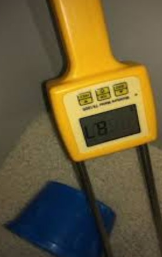
If you happen to obtain BKK with a moisture content of >12%, dry it immediately by drying it in the sun or using a special dryer. If neither is possible, manage your stock and use the BKK as soon as possible. Add more if necessary. mold inhibitor like Fungitox which contains organic acids and silicate mineral complexes which are able to inhibit fungal growth and reduce the effects of mycotoxicosis.
B. Warehouse storage management
Storage warehouses should consider three factors: air circulation, humidity, and temperature. Air circulation is essential to keep the warehouse dry and free from moisture, thus preventing mold growth. Some ways to increase air circulation include spacing rows and using pallet as a base and addition exhaust (fan). Humidity is maintained at no more than 70% and the temperature in the storage warehouse is 30 – 34°C. Use a system First In First Out (FIFO) and First Eid First Out (FEFO) means that the first-come, first-served BKK is used first, but if there is a BKK that is starting to break, the broken BKK is used first, even if it has just arrived.
C. Sanitation and fumigation
Storage warehouses should be kept clean to prevent them from becoming breeding grounds for rats and insects. Fumigate by covering the pile of BKK with plastic and then spraying fumigants such as sulfuryl flouride according to the dosage. When the warehouse is empty, carry out a thorough cleaning and spray disinfectant such as Antisep to eradicate disease germs.
D. Back up nutritional deficiencies
BKK is a crucial component in poultry feed formulation. Using poor-quality BKK can result in inaccurate nutritional values. Amino acids lysine which is damaged due to excessive heating needs to be repairedback up reason lysine is a limiting amino acid in chickens. Deficiency lysine can reduce body weight, inhibit growth, lower the chicken's immune system and reduce productivity. Addition premix like Mix Plus contains feed supplement and feed additive as back up lost nutrients so that poultry performance remains optimal.
That's a brief overview of soybean meal damage in the field. Hopefully, it's helpful and broadens our knowledge.. Regards.