The Meteorology, Climatology and Geophysics Agency (BMKG) predicts that the rainy season in Indonesia for the 2026 period will begin gradually from October to December 2026. The rainy season in tropical regions such as Indonesia has three main interrelated characteristics.
- High humidity
Air humidity increases due to high rainfall and evaporation of water from the soil. The addition of water vapor from rain or frequent precipitation directly adds water vapor to the atmosphere. Cooler air during rain has a smaller water vapor holding capacity, causing the relative humidity to rise rapidly.
- Fluctuating temperatures
Air temperature can change (fluctuate) in a short time, especially between hot mornings, dark cloudy afternoons, and colder nights due to cloud cover and the movement of monsoon winds.
- Extreme rainfall
Strong convection processes in the atmosphere trigger the potential for heavy to very heavy rain for a certain duration.
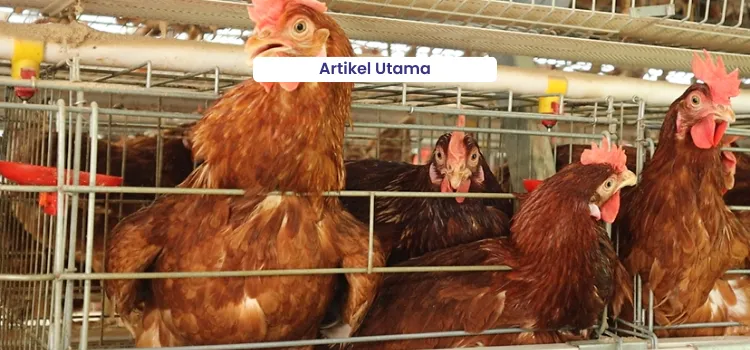
This condition can have a major impact on chicken farming, ranging from physical damage to buildings to decreased productivity and livestock health.
- Damage or collapse of the enclosure. Strong winds and storms can damage the enclosure's structure (open house) or even cause it to collapse.
- High humidity and mold. High humidity levels trigger the growth of mold and toxins (mycotoxins) in stored feed, as well as causing litter (rice husk) gets wet quickly.
- Cold stress (cold stress). Strong winds and cold temperatures that accompany heavy rain make chickens cold, reduce their immune system, and disrupt growth.
- Spread of disease. A wet and humid environment is an ideal breeding ground for bacteria, viruses, parasites, and fungi, making chickens more susceptible to respiratory and digestive diseases.
- Decreased Productivity: Sick or stressed chickens experience decreased appetite, stunted growth, a worsened feed conversion ratio (FCR), and decreased productivity.
Coop preparation for the rainy season requires structural improvements, ventilation and temperature adjustments, and hygiene management to ensure chickens remain comfortable, productive, and healthy. Here are the steps you need to take to prepare and manage your coop:
1. Physical and structural improvements to the cage
- Repair leaking roofs: Immediately check and repair damaged or leaking roof sections to prevent rainwater from wetting the floor and litter.
- Roof widening: If rainwater is often blown in by the wind and enters (splashes), widen the roof or install additional retainers.
- Repair the drainage: Make or clean the gutters around the cage so that rainwater flows smoothly and does not cause puddles around or under the cage.
2. Air ventilation and air circulation settings
- Double blind setup: Install plastic blinds with a flexible opening and closing system. During heavy rain and strong winds, close the side of the blinds facing the wind.
- Leave top ventilation: Even with the curtains closed, leave a ventilation gap at the top of the wall (approximately 20 cm wide) to allow fresh air to circulate and allow ammonia gas to escape. Even if it's cold outside, don't close the cage tightly without any gaps. Leave a ventilation gap of about 20–30 cm at the top to remove moisture and harmful ammonia gas from the cage.
- Prevent ammonia buildup: Ammonia gas trapped in a damp coop is very dangerous because it damages the chicken's respiratory tract and triggers respiratory diseases.
- Density and fan control: Add fans if necessary to improve circulation and prevent the cage air from becoming too humid.
3. Cage base care (litter)
- Keep dry: High humidity during the rainy season makes litter easily gets wet and clumps. Sprinkle new husks routinely every day if needed. Spread husks/litter new ones that have been sprayed Sporades. Litter which is thick functions optimally to absorb heat from brooder and keep DOC's feet warm.
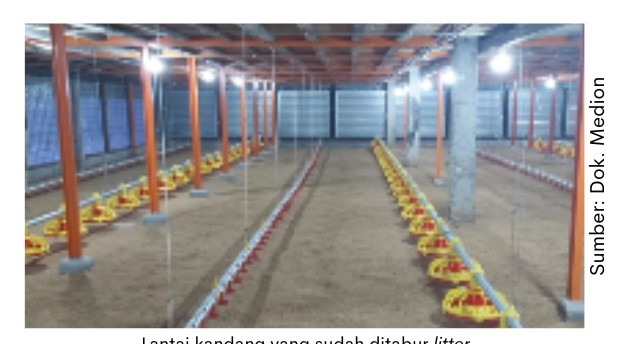
- Use agricultural lime: If the floor or litter is already a little wet or muddy, sprinkle agricultural lime (dolomite) to absorb water and prevent the growth of fungal and bacterial pathogens on the cage floor.
- Feces scooping: Scour or clean the feces (dirt) under the cage more frequently (for example, once every 3 days).
4. Temperature and heating settings (brooding period,)
- Must pre-heating: Turn on the heater like Medion gas (IGM)inductor at least 1–3 hours before the DOC arrives. This step is important so that the air temperature (target 33–35°C) and the temperature of the chicks can be maintained. litter (minimum 30°C) is stable and warm when the DOC is released.
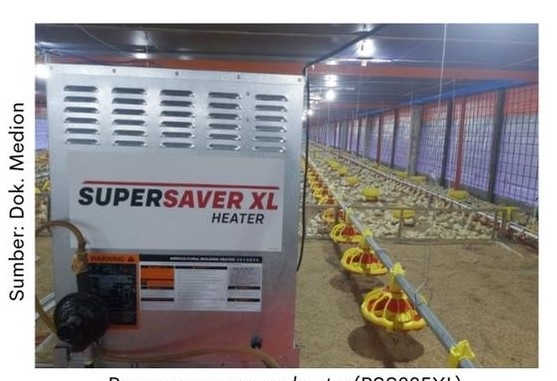
- Provide heating: Temperatures can drop drastically during rainy seasons (as low as 16–18°C). Turn on a light bulb or heater (brooder) to maintain the chickens' comfort zone temperature. During the rainy season, set the heater to turn on earlier and stay on longer because ambient temperatures tend to drop drastically.
- Monitor the distribution of the chickens: Pay attention to their behavior. If they're spread out evenly, the temperature is right. If they're crowded or bunched together, it's still too cold.
- Additional lighting: Because sunlight is decreasing and the weather is often cloudy, increase the lighting time so that the chickens' eating and drinking activities do not decrease.
5. Sanitation, Feed, and Drinking Water
- Outdoor environmental sanitation: Clear weeds and improve the drainage system around the cage to prevent stagnant water that can become a breeding ground for disease.
- Final disinfection: After the minimum 14-day cage rest period is complete, re-spray all corners of the cage using a disinfectant such as Formades or Sporades.
- Wash the food and drink containers: Clean the drinking containers every day and the food containers regularly to prevent them from becoming a growing medium for fungus.
- Clean water channels and reservoirs to prevent the growth of biofilm (a layer of bacteria caused by increased groundwater volume during the rainy season). Clean water channels to prevent the growth of biofilm (a thin layer on the surface of drinking vessels, reservoirs/water tanks, and water pipes that can become a breeding ground for pathogenic bacteria such as E. Coli infection (causes colibacillosis).
- Use drinking water antiseptics such as Antisep, Medisep, or Desinsep to kill pathogenic bacteria (such as E. Coli infection) whose population increases in the rainy season.
- Check the quality of drinking water: Groundwater tends to change during heavy rainfall; ensure the water's cleanliness and pH are maintained, and consider supplementing with vitamins (such as Vitamin C and Vitamins A, D, and E) to boost your chickens' immune systems.
- Feed quality control: Store feed in a dry warehouse to prevent mold, because moldy feed contains mycotoxins that damage chicken digestion.
6. Health protection (biosecurity & immunity)
- Periodic disinfection: Spray disinfectant (such as Medisep or Antisep) to the cage area at least 2 times a week to suppress the population of viruses, bacteria and fungi.
- Providing vitamin and herbal supplements/support: Provide stamina-boosting vitamins (such as Fortevit or Vita Stress) and immunostimulants (such as Imustim) to maintain the chicken's immune system against the threat of respiratory diseases. To maintain optimal digestive tract health, it can be given Optigrin to maintain the stability of microflora in the intestine. In addition to herbal products, there are other products such as Asortin made from organic acids to help improve performance and maintain the digestive health of chickens
- Scheduled vaccination: Adjust vaccination programs (such as ND, AI, or IB) to the conditions and areas of each farm, especially during the rainy season when the risk of disease can increase.
- Antibody titer monitoring is essential, especially for laying hens and breeders. Routine antibody titer testing will provide a baseline titer for the farm. To control viral diseases (such as dengue fever and AI), some farmers routinely monitor antibody titers through serological tests. Therefore, if a titer difference is detected, this can serve as an early warning.early warning system) will condition the chicken.