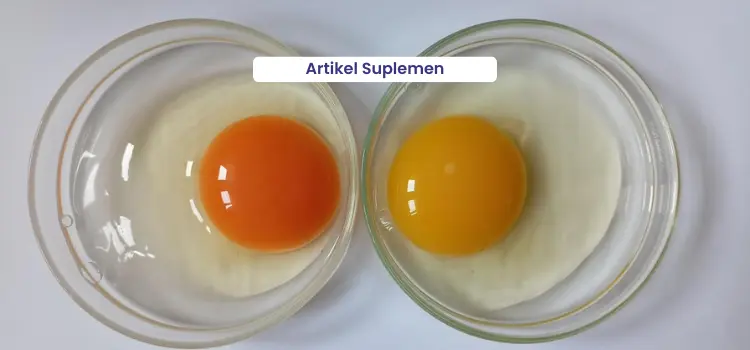
The egg-laying chicken farming business has grown in line with increasing market demand. Consumers in Indonesia have long preferred domestic chicken eggs with browner, shinier, and cleaner shells. These criteria are often considered to be the best quality. golden standard Egg quality is affected by public perception that eggs come from healthy chickens and tend to last longer when stored. However, even eggs with cream-colored shells are still safe to eat. Market demand is also increasing due to the trend of colored egg yolks (yolk) which is more orange-reddish in color. The color yolk The more orange ones are often identified with Omega eggs, even though they are nutritionally very different (due to differences in feed ingredients). Color deposition yolk itself is produced by coloring pigments (carotenoids) which comes from feed and the process is influenced by various factors.
Carotenoid Pigments
Carotenoids is a group of brightly colored fat-soluble pigments with a yellow-orange-red color spectrum naturally found in many fruits, plants, and living creatures. According to Shete and Quadro (2013), Carotenoids In terms of chemical structure, it is divided into 2 types, namely Carotene and Xanthophyll. The difference between the two lies in the oxygen molecules that accompany the hydrocarbon groups in Xanthophyll, while oxygen is not found in Carotene. This is what makes Xanthophyll more polar and more soluble. Examples of Carotene namely Alpha-carotene and Beta-carotene. Example of Xanthophyll namely Lutein, Zeaxanthin, and Canthaxanthin.
Factors Affecting Deposition Carotenoids
According to Guyot et.al. (2011), female laying hens are genetically unable to produce egg yolk pigment in their bodies, but genetics still influence the hen's ability to utilize pigments derived from feed and deposited during egg formation. Factors that influence egg utilization carotenoids in feed for color deposition yolk among others:
1. Content Carotenoids on feed
The higher the content carotenoids on the feed, then the color yolk will become more yellow-orange. Feed ingredients have a high content of carotenoids which are different. For example, corn has a different level of carotenoids 10 – 30 mg/kg, while CPO contains carotenoids is quite high, namely 500 – 700 mg/kg (Karunajeewa, 1984). Some feed raw materials have carotenoids low, for example soybean meal 8 – 15 mg/kg (Berhane, et.al., 2022) and rice bran is even smaller, namely 0.9 – 1 mg/kg (Pohndorf, 2016).
When the feed raw materials are formulated for livestock needs, the content... carotenoids total in feed for example as follows:
| Raw material | % Usage | Carotenoid Levels | Contribution of Carotenoids |
|---|---|---|---|
| Corn | 52 | 50 | 26 |
| uprightness | 13 | 1 | 0,13 |
| CPO | 2 | 700 | 14 |
| Soybean Meal | 23 | 15 | 3,45 |
| Other raw materials | 10 | 0 | 0 |
| TOTAL | 43,58 | ||
It should be understood that the total carotenoids different from the total xanthophyll. Total xanthophyll in feed ingredients can be the same or lower because it is part of carotenoids oxygenated. For example, CPO has carotenoids up to 700 mg/kg, containing only xanthophyll (Lutein, Zeaxanthin, etc.) as much as 2% – 10% or around 14 – 70 mg/kg (Elisa, et. al. 2021).
2. Type Carotenoids
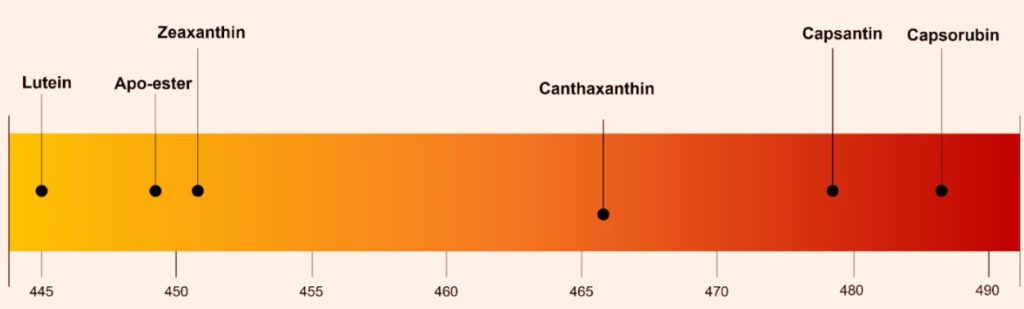
Differences in types and comparisons between xanthophyll and carotene in a feed formulation will determine the color gradation yolk which will be produced. Carotenoids Pigments naturally present in feed or intentionally added as additives have different wavelengths (color spectra). For example, if you want a more orange-red color, you need to look for pigments with a wavelength >460 nm, such as Canthaxanthin or Capsorubin.
3. Feed consumption (feed intake) chicken
Low feed consumption makes carotenoids which enters the body is also small. The content carotenoids High levels of nutrients in feed will be wasted if feed intake is not met. Therefore, it's crucial to maintain feed intake standards from the early stages of chicken rearing. Always pay attention to factors that could disrupt the stability of daily feed intake, especially during feed transition periods, hot weather conditions, or changes in feed formulation.
4. Digestion and function of the digestive tract
Carotenoids Consumed nutrients, like other nutrients, will naturally be metabolized in the chicken's body. Digestive tract function must be maintained optimally, both mechanically and enzymatically, in terms of the condition of the intestinal villi, and in the balance of the gut microbiota. Carotenoids will enter with fat, be emulsified by bile salts and absorbed in the cells mucosa The small intestine is then tied off by lipoprotein blood and distributed throughout the body. The pigment will be deposited massively in the membrane yolk and on target tissues such as subcutaneous fat, abdominal fat, beak, and shank (Frame, 2009).
5. Health and physiological status of chickens
The general health and physiology of chickens also significantly affect how nutrients are absorbed and utilized. For example, chickens with worm infections or stress will experience impaired absorption, resulting in a paler yellow color even when the feed is rich in nutrients. carotenoids (Sparks, 2006). Other diseases such as coccidiosis which damage vili-vili the small intestine will reduce the absorption of pigments and reduce the color yolk. In addition, all diseases that disrupt the function of the liver as a place of metabolism lipoprotein, for example mycotoxicosis will also reduce the color yolk (Close, 2022).
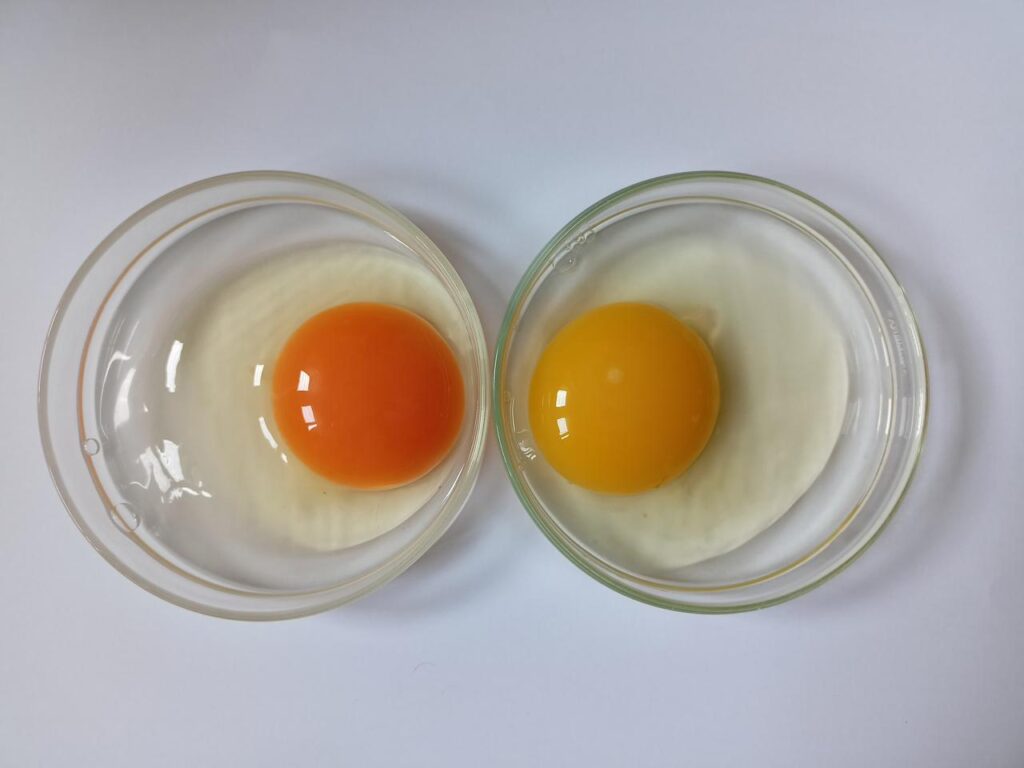
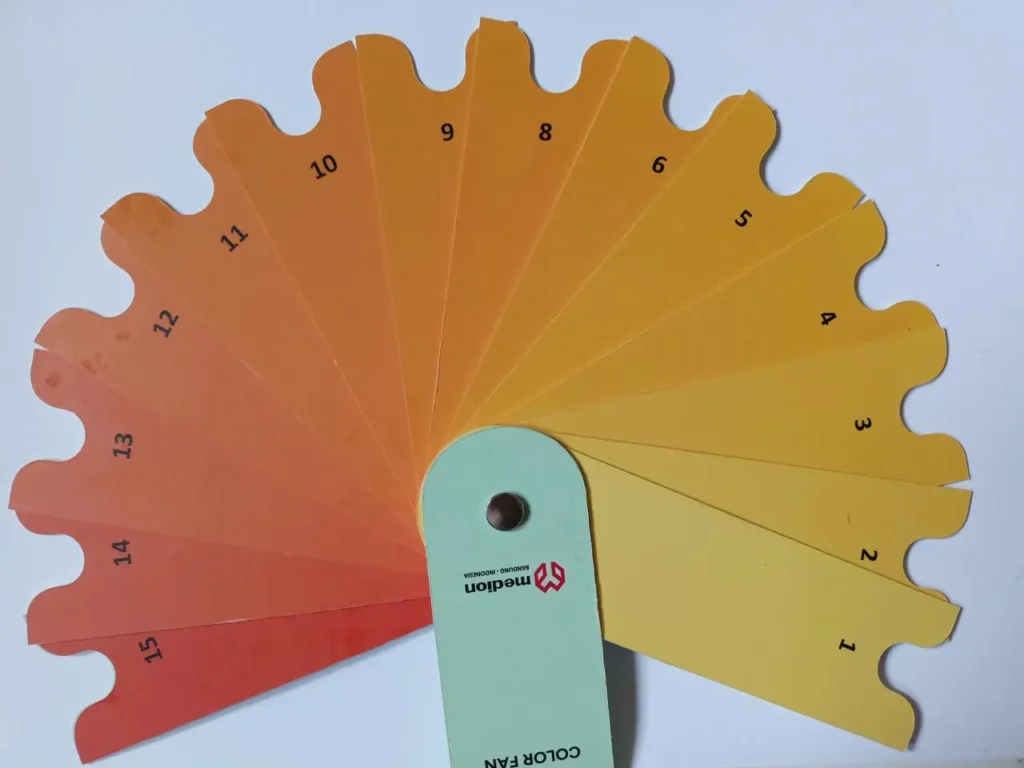
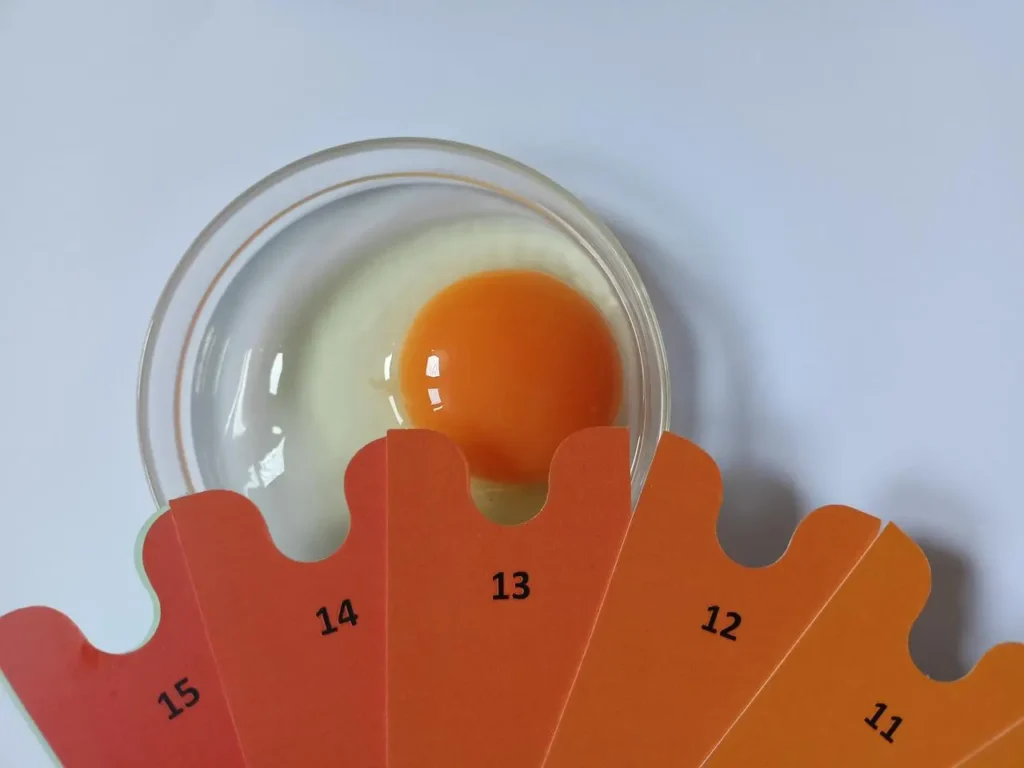
Figure 3. Color measurement yolk using Medion color fans (Source: Medion Doc.)
Color Measurement Yolk
Color measurement yolk can be done using a colored fan yolk (Yolk color Fan). In measuring the color of the fan, things to note include using eggs. sampling from the same chicken, environmental light contrast conditions, the observer must be the same trained person, cannot be changed (because there can be subjectivity in the measurement), and the measuring tool must be the same fan (because different vendors will have different gradation scales).
Feeding and Feeding Strategy Additives
Carotenoids can be obtained naturally from feed or synthetic supplements as additives. The strategies that can be implemented are:
- Choosing high-content feed ingredients carotenoids suitable
In terms of color spectrum carotenoids can be divided into 2, namely yellow and red :
- If you want the egg yolk to be more yellow, add feed ingredients such as yellow corn (Zea mays) proportion in feed 50-55% (Sudarman, 2011).
- If you want it to be orange, you can add flowers. marigold (Tagetes erecta) or moringa leaves (Moringa oleifera) with a proportion of 3-5% in feed (Nkukwana, et.al., 2014).
- If you want it to be red, you can add red paprika flour or red chili flour (Capsicum annuum) with a dose of 0.5-1% (Sari, et.al., 2018).
- Pay attention to the fat content
Carotenoids is a compound that has properties lipophilic (fat soluble) then the presence of fat in the feed will play a major role in its absorption. According to Surai (2002), a fat content of 3-4% in feed is sufficient to help with absorption. carotenoids. Substances such as emulsifier will also help in fat metabolism.
- Pay attention to feed according to field conditions
Make sure the feed is stored properly, not exposed to sunlight and moisture because it can accelerate oxidation. carotenoids. Changing feed between phases needs to be done gradually to avoid stress so that feed consumption is not disturbed and carotenoids can be consumed according to the dosage. Macronutrients must also be regulated to ensure the chickens maintain an ideal ratio and avoid nutritional deficiencies. If using a lot of alternative feed sources or obtaining poor-quality corn, it is important to add coloring pigments. yolk from outside.
- Addition of supplements and additives
Adding supplements, especially vitamins and minerals (vitamin E, vitamin C, and selenium) can act as antioxidants to reduce the risk of oxidative stress in chickens (e.g.: heat stress), and oxidation carotenoids itself. Pigments that are usually added to feed are Canthaxanthin to enhance color gradation yolk towards an orange-reddish color. It's important to remember that external pigments appear and disappear quickly (within a few days) in the body, so a single dose won't have a permanent effect. Therefore, it's important to regularly supplement and additives if you want color quality yolk better and more consistent such as adding premix Mix Plus LLK8A into the feed.
The multivitamin and multimineral content in it acts as back up micronutrients when the chicken's condition is disturbed by environmental factors. Vitamin B complex in Mix Plus LLK8A functions to stimulate appetite while vitamin E and vitamin C are able to suppress the negative impacts of stress. The amino acid content in Mix Plus LLK8A Which It is the simplest form of protein, so it can be directly absorbed by chickens and plays a role in egg production and egg white quality. Pigment content Canthaxanthin in precise numbers in Mix Plus LLK8A able to increase the color of the egg yolk to be more orange-reddish. The antioxidant content in Mix Plus LLK8A plays a role in protecting vitamins and pigments Canthaxanthin from oxidation damage.
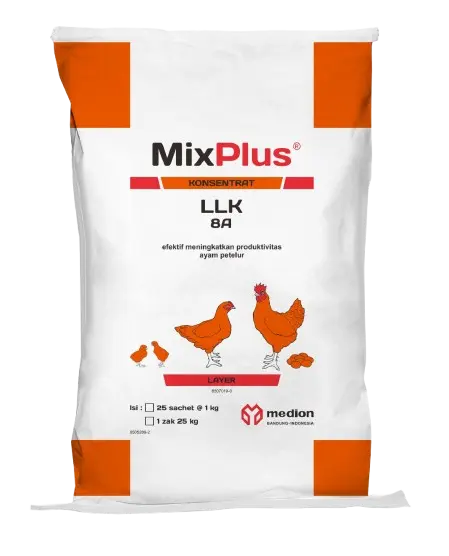
Color yolk More orange-reddish eggs are a consumer choice that we can control through feed. Choosing feed ingredients that are rich in carotenoids, maintain health conditions and reduce stress in chickens, as well as provide complete premix supplements containing pigments canthaxanthin These are some of the efforts you can make as a farmer. Hopefully, this is helpful.
References
- Varsha Shete, Loredana Quadro. 2013. Mammalian metabolism of β-carotene: gaps in knowledge. National Library of Medicine. Nutrients. Nov 27;5 (12)) : 4849-68. doi: 10.3390/nu5124849.
- Elisa 2021 : https://e-journal.politanisamarinda.ac.id/index.php/jurnalloupe/article/view/902/335
- Loka, JR (2022). Non-feed factors that influence the decrease in yolk color intensity in laying hens. Journal of Veterinary and Tropical Medicine, 6(2), 88-95.
- Pohndorf, et.al. 2016. https://www.sciencedirect.com/science/article/pii/S0260877416301108
- Berhane, et al. 2022. https://www.sciencedirect.com/science/article/pii/S2095311922002611
- Karunajeewa, et al. 1984. https://www.cambridge.org/core/journals/world-s-poultry-science-journal/article/abs/review-of-factors-influencing-pigmentation-of-egg-yolks/7A4DC186D2FD99715BD9B2D9D90C982D
- Nkukwana, TT, dkk. (2014). Fatty acid composition and egg yolk cholesterol of broiler lines fed Moringa oleifera leaf meal. South African Journal of Animal Science, 44(2), 162-171.