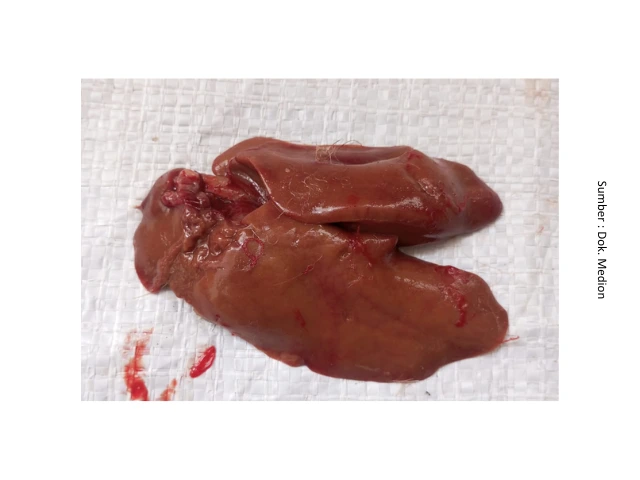
Genetic development of chickens modern layer shows rapid increases in production and efficiency. The feed consumed by chickens is digested and absorbed by the digestive system, aided by accessory organs such as the pancreas, gallbladder, and liver. Among these accessory organs, the liver plays a vital role in detoxification, bile secretion, and the metabolism of carbohydrates, proteins, and fats. Disrupted nutrient metabolism leads to suboptimal production and the risk of reduced chicken health and even death. A normal chicken liver is characterized by a reddish-brown color, a soft consistency, and tapered edges or sides that are not swollen.
Mechanism of Occurrence Fatty Liver Syndrome
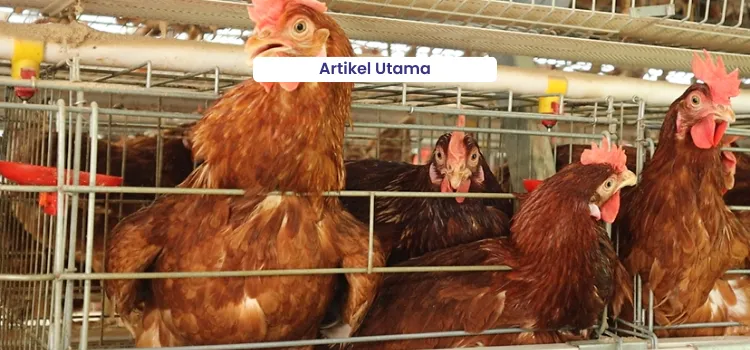
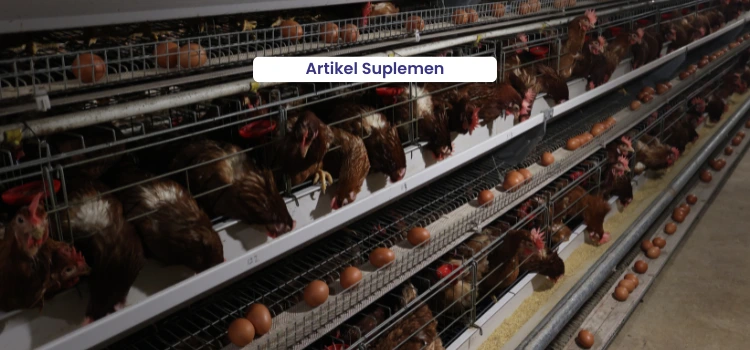
Fatty liver syndrome (FLS) is a metabolic disorder characterized by excess fat deposits in the liver of chickens. FLS is characterized by an enlarged liver, a fragile texture, and a pale yellowish color. In some cases, bleeding in the liver, also known as liver cirrhosis, is also found. fatty liver hemorrhagic syndrome (FLHS). The negative impacts of FLS include decreased production and sudden death. FLS cases are more common in battery cages because the chickens' limited movement allows excess carbohydrates to be stored as fat.
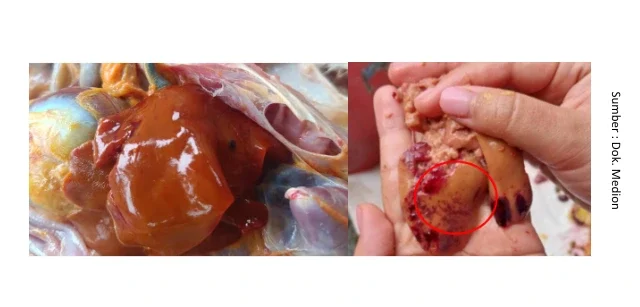
Current Cases of fatty liver syndrome It doesn't appear suddenly but rather accumulates. However, externally, it's difficult to detect unless a necropsy or autopsy is performed. FLS cases in laying hens have been reported to occur at peak production or near the culling period. Modern laying hens have a high egg production of around 400-450 eggs in 100 weeks. The chicken liver is the largest site of fat synthesis (around 90%). A chicken consumes 3 grams of fat daily, while the yolk requires 6 grams of fat. This imbalance between fat consumption and the amount of fat needed in the yolk is compensated for through hepatic lipogenesis, the synthesis of fatty acids and triglycerides from sources other than fat, namely carbohydrates (Shini et al., 2020). Excessive lipogenesis results in excess fat deposits in the liver.
Causative factor Fatty Liver Syndrome
Fatty liver syndrome This is caused by several factors, including genetics, the environment, and nutritional balance in the feed. The genetic makeup of modern laying hens, with their high egg production, leads to high estrogen metabolism, which puts a strain on liver function. Environmental factors such as temperature, cage density, and stress can also trigger cases. fatty liver syndrome. While nutritional balance is the main factor causing fatty liver syndrome. Here are some of the causal factors fatty liver syndrome in terms of nutrition.
1. Excess energy in feed
Energy is a nutrient that plays a role in increasing body weight and influencing egg size. Excess metabolic energy is stored as fat. This excess fat accumulates in the liver and other organs, including the chicken's abdominal cavity. Therefore, it is not uncommon for cases of fatty liver syndrome Excessive fat was also found in the abdominal cavity with a thickness of > 5 mm.
2. Imbalance of protein and energy in feed
The setting of protein and energy in feed generally refers to manual guide or other sources such as SNI, NRC or research results. Setting An imbalance of protein and energy can cause decreased production and health problems, one of which is fatty liver syndrome.
a. Low protein, high energy
Low crude protein causes feed intake increases, as the chicken attempts to meet its amino acid needs. Amino acids are used in the synthesis of apolipoproteins, which are used in the formation of lipoproteins. The effect of amino acid deficiency is that fat that accumulates in the liver cannot be transported out of the liver. Increase feed intake High-energy feeds increase the chicken's energy intake. Excess unabsorbed energy leads to fat accumulation.
b. High protein, low energy
Excessive protein intake leads to excessive deamination of amino acids into nitrogen, which is then converted into uric acid in the liver. Excess uric acid increases the liver's workload, making it susceptible to triggering cirrhosis. fatty liver syndrome.
3. Calcium deficiency
Calcium is essential for laying hens' metabolism, bone maintenance, and eggshell formation. Similar to protein deficiency, calcium deficiency causes feed intake increases, so that the energy consumption entering the body also increases.
4. Fungal toxin contamination (aflatoxin)
Fungal toxins are not a nutrient required by laying hens. However, they are closely related to the condition of the raw materials. Fungal toxins commonly found in tropical regions, including Indonesia, are polar fungi such as aflatoxins. Aflatoxins cause liver cell damage, disrupt fat metabolism, and induce oxidative stress (Melissa et al., 2015).
Nutritional Strategies to Maintain Liver Health
Current Cases of fatty liver syndrome It doesn't appear suddenly but rather results from long-term accumulation. Preventive measures can be taken to minimize the risk, particularly from a nutritional perspective, including the following.
1. Fulfill nutritional needs in a complete and balanced manner
A complete feed means all the nutrients the chicken needs are provided, while a balanced feed means each nutrient meets the needs in the appropriate amounts. In other words, each nutrient cannot stand alone; other nutrients must be considered. Here are some recommendations for the nutritional needs of laying hens in the production phase.
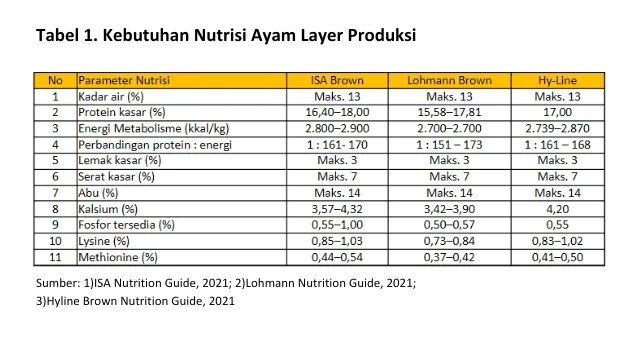
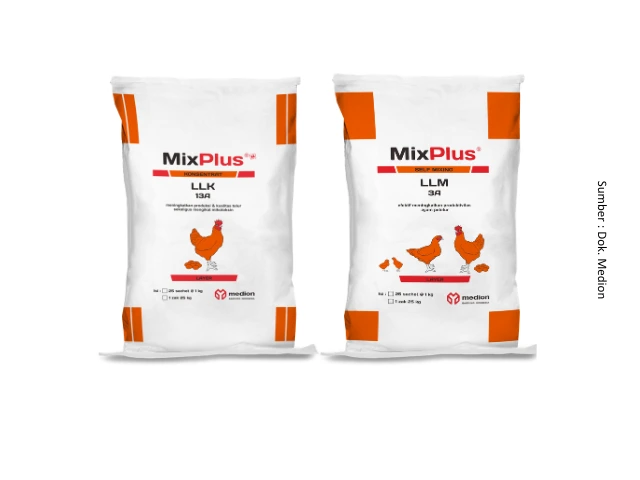
There are 3 main nutritional parameters that need to be considered to prevent cases. fatty liver syndrome These are metabolic energy, crude protein, and calcium. High-energy feed is often provided to help catch up on lost weight. However, it's important to pay attention to the duration and amount of energy specified in the formulation. Regularly weigh the chickens to monitor their weight development. Chickens that have reached standard body weight should not be fed high-energy feeds because they can trigger fattening. Therefore, selection is necessary before increasing the energy content of the feed. In addition to considering macronutrients, additional nutrition is also important. feed additive + feed supplement like Mix Plus (Concentrated feed: LLK3A, LLK3B, LLK13A; self-mixing feed: LLM3A, LLM3B) as a backup of micronutrients such as vitamins, minerals and amino acids. Vitamin B complex in Mix Plus functions to stimulate appetite while vitamin E can reduce stress. The amino acid content in Mix Plus It is the simplest form of protein, so it can be directly absorbed by chickens. It also contains choline chloride, a lipotropic agent.
2. Agent supplementation lipotropik
Feed additive lipotropik is a supplement that helps with fat metabolism and transport, thus preventing fat accumulation in the liver. Some lipotropic agents that can be supplemented include:
a. Choline cloride
Choline Plays a role in preventing fat accumulation in the liver by stimulating its transport in the form of lecithin. Choline works synergistically with methionine, inositol, vitamin B12, biotin, tryptophan, carnitine, and selenium to regulate fat metabolism and support liver function. choline cloride in laying hen feed 300-500 grams/ton of feed.
b. Betaine
Betaine can act as a methyl donor, facilitating the synthesis of lecithin, which facilitates the transport of fat throughout the body. Furthermore, betaine plays a role in the formation of carnitine and creatine. Carnitine plays a role in increasing fatty acid oxidation and reducing the amount of long-chain fatty acids in adipose tissue (Fernandez-Fígares et al., 2008; Yang et al., 2008). et al., 2021). The recommended use of betaine in laying hen feed is 100-500 grams/ton of feed.
C. L- carnitine
Helps accelerate the breakdown of fatty acids in the mitochondria into ATP. ATP can be used as an energy source, thereby reducing excess fat deposits. Strong n Fit contains L- Carnitine can help convert fat into energy.
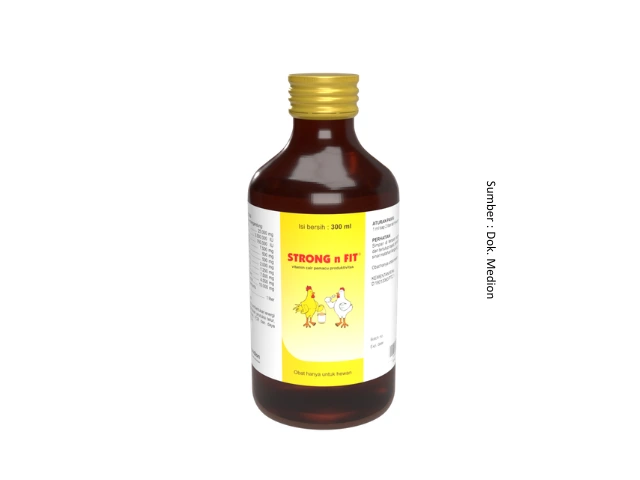
Current Cases of fatty liver syndrome Fatty liver syndrome occurs due to long-term fat accumulation, so providing a diet containing complete and balanced nutrition is a step that can reduce the risk of developing fatty liver syndrome. Adding lipotropic agents can be a treatment step if cases occur. fatty liver syndrome. In addition to nutritional factors, minimize triggering factors fatty liver syndrome Other factors include overcrowding in cages, environmental stress, and mycotoxin contamination (fungal toxins in feed). Hopefully, this is helpful.