
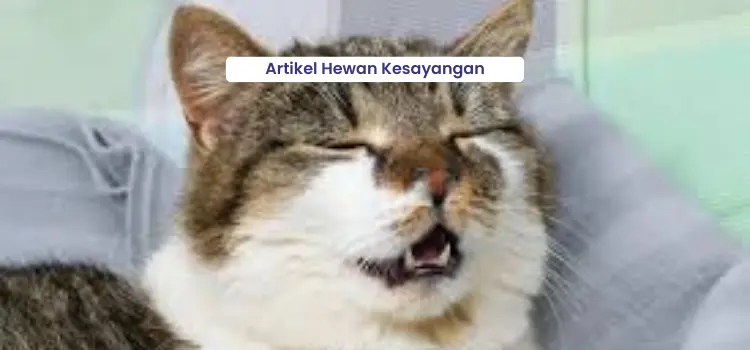
Flu in pets is often referred to as feline upper respiratory infection (upper respiratory tract infections) are not seasonal and can strike at any time of the year. Unlike some other illnesses that are affected by seasonal changes, the flu in cats is not seasonal and can appear in both hot and cold weather. This disease is transmitted to cats through direct physical contact with infected organs, such as through the eyes, nose, or mouth. Cat flu often does not fully resolve because the virus remains latent in the body, much like herpes in humans. Symptoms may disappear but can recur when the cat is stressed, has a weakened immune system, or has an unclean environment. Although not completely cured, the flu can be managed to keep the cat healthy.
Pets that are frequently taken out of the house, placed in pet hotels, or exposed to new environments are particularly susceptible to weakened immune systems, which can lead to flu symptoms. Furthermore, kittens, elderly cats, and cats with certain health conditions are also at higher risk of upper respiratory infections.

Flu symptoms in cats can vary, from sneezing, runny nose, watery eyes, decreased appetite, to lethargy. In some cases, cats may also experience fever and difficulty breathing. Because cats' sense of smell is reduced when they have a cold, they often become less interested in eating and drinking.
Although cat flu often cannot be completely cured due to the persistent nature of the virus in the body, symptoms can be managed with proper care. Maintaining a clean environment, reducing stress, providing a balanced diet, and ensuring adequate fluid intake are all important steps to aid the recovery process.
Furthermore, routine vaccinations are also important in reducing the risk of infection and alleviating symptoms if a cat is exposed to the flu virus. While vaccines don't always completely prevent infection, they can help increase protection so that the condition doesn't worsen. If your pet shows flu symptoms, pet owners should immediately separate the sick cat from other cats to reduce the risk of transmission. Regularly clean feeding and drinking utensils, litter boxes, and living areas to minimize exposure to viruses in the environment.
One of the simplest and most effective products for treating flu and allergies that cats and dogs often experience is Flustop. Flustop Flustop is a caplet containing Chlorpheniramine maleate (CTM) that effectively treats flu and allergy symptoms such as sneezing, watery eyes, and runny noses in dogs and cats. It is affordable and registered with the Indonesian Ministry of Agriculture. Flustop can also be given with food, making it much easier to administer.
How to use:
- cat: 1 caplet per head orally, given 2x a day
- Dog: 2 caplets per head orally, given 2x a day
- Contents 10 capsules