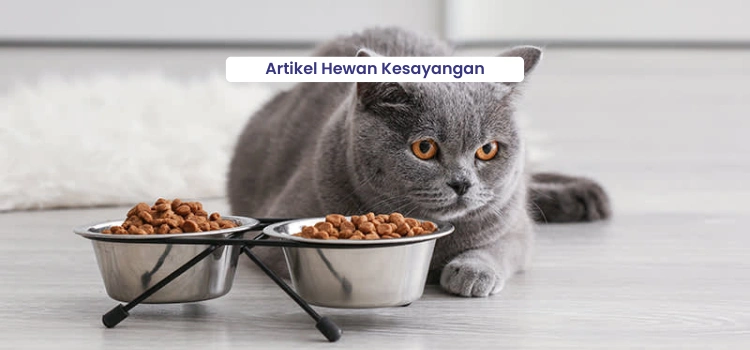
After a busy day, seeing your pet's adorable behavior at home is certainly a joy for any pet owner. Their soft fur, soothing voice, and playful behavior are often the most anticipated things after a long day of activities. However, when we start to notice "changes" in our pet, worry often arises. Food that used to be immediately finished, now is left unattended. At first, it might seem trivial, such as "maybe he's not in the mood to eat" or "he seems bored with his food." However, this condition is not always considered normal.
In dogs and cats, appetite is an important indicator of health. A decreased or even complete loss of appetite can be caused by a variety of factors, including environmental changes, stress, dietary changes, and certain health conditions.
Why doesn't Anabul want to eat?
Small changes in your pet's life can have a big impact on their appetite. New environments, such as being placed in a pet hotel, moving house, or even a change in daily routine, can trigger stress. Furthermore, a sudden change in diet is often the main cause. On the other hand, a decrease in appetite can also be a sign of a health problem, such as digestive issues, infection, or general health issues. Therefore, it's important for owners to not immediately dismiss this condition.
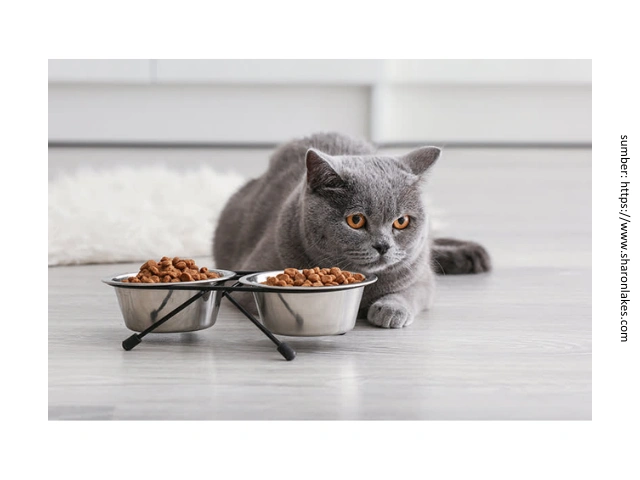
When to be wary?
A pet's refusal to eat should not be taken lightly, especially if it persists for more than a day. Pets should be especially vigilant if this decreased appetite is accompanied by other behavioral changes, such as appearing lethargic, less active, sleeping more, or not responding as usual. Furthermore, other symptoms such as vomiting, diarrhea, or changes in drinking habits can also be signs of a health problem that requires attention.
In some cases, pets may still appear "fine" even though they aren't eating, often delaying treatment. However, the body still needs energy and nutrients to function normally. When these needs aren't met, the immune system can weaken, physical condition weakens, and the recovery process is slowed. If left untreated, this condition risks developing into more complex health problems, making early intervention crucial.
The Importance of Nutritional Fulfillment When Appetite Decreases
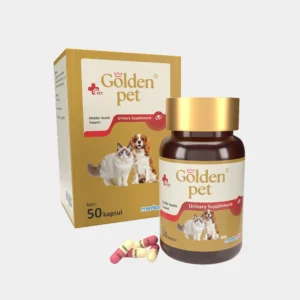
One practical way to help meet your pet's nutritional needs when their appetite decreases is to provide additional supplements. Golden Pet Gel Supplement offers an easy-to-administer and effective nutritional solution to help maintain the health of dogs and cats, especially when they are not eating, recovering, or need extra nutrition.
Why should you choose Golden Pet Gel Supplement?
- Practical and easy to give, because it is in gel form so it can be consumed directly or mixed into food.
- Helps increase appetite and supports body metabolism, making it suitable for use when your pet experiences a decrease in feed intake.
- Enriched with essential vitamins and minerals that help maintain body resistance, healthy skin and coat, and support optimal body condition.
- It can be used for various conditions, such as when your pet is sick, stressed, during recovery, and even for pregnant and lactating animals.
To get optimal results, make sure the administration is done in the right way.
Give the recommended dosage, which is approximately 1–2 teaspoons per 5 kg of body weight per day. It can be given directly or mixed into food for easier consumption. Give regularly as needed, especially when your pet needs additional nutritional support.
Don't let your pet's refusal to eat go on for too long, as it could affect their health. Let's help meet your beloved pet's nutritional needs in a practical and effective way together. Golden Pet Gel Supplement!