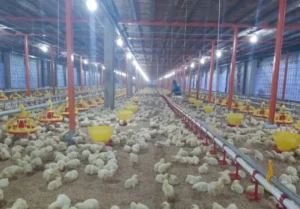
Phase brooding period, often referred to as the golden age (golden period) in chicken rearing broiler. Even the slightest error in this phase will have a long-term impact on subsequent maintenance phases. In the current maintenance cycle, where the target harvest weight can be achieved in less than a month, the period brooding period, will greatly determine the harvest weight that can be achieved later. Considering the genetics of the chicken broiler modern today which is growing very fast, management brooding period, is no longer an option, but a necessity to achieve optimal performance targets at harvest.
Amidst the increasingly extreme climate challenges and daily weather fluctuations, especially the striking differences between hot daytime temperatures and night air that can be very cold, management brooding period, conventional methods are no longer adequate. Management brooding period, now demands optimization of cage technology, namely closed house and reliable human resources in carrying out maintenance operations.
Phase Strategy Brooding in Performance Broiler Management
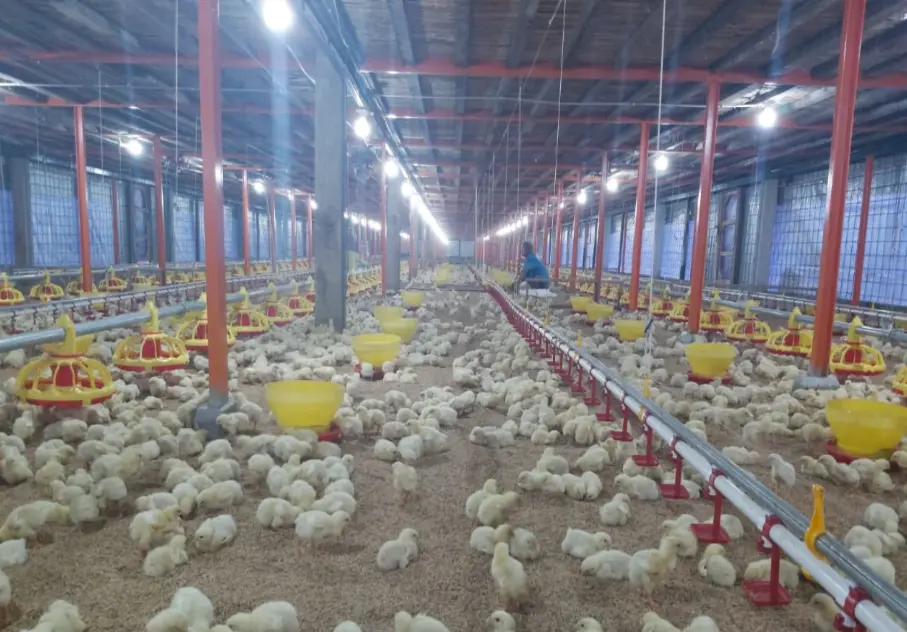
Time brooding period, is the preservation period broiler from DOC to off the heater. The purpose of brooding period, is to provide the state of the environment corresponding to the needs of the chicks. Usually in time brooding period, Artificial heating is needed because at the beginning of raising the chicken's body cannot adapt to the environmental temperature or is called a cold-blooded animal (poikilothermic). At the beginning of chicken rearing broiler This is crucial because during this period, organs such as the digestive system, respiratory system, immune system, skeleton, and feathers develop. Furthermore, the chick's own immune system is just beginning to develop during this phase. A comfortable environment will reduce stress and help develop a stronger immune system.
Key strategies for success period brooding period, The key is to create an artificial "comfort zone" so that the nutrients obtained from the feed are fully utilized for the growth of vital organs and meat formation. Uncomfortable chickens will impact physiological processes and their weight gain. Many factors can affect a chicken's comfort, including:
1. Coop Preparation
Coop preparation contributes 50% to even 70% to the success of chicken farming. broiler closed houseA coop is a home for chickens. If the house is uncomfortable or full of disease-causing germs, the best genetic potential and high-quality feed will not produce optimal results. Coop preparation is crucial because it can break the disease cycle, create comfort, and ensure equipment readiness, especially in the coop. closed house.
There are several things we must prepare before welcoming the arrival of the chickens. Good preparation will make it easier for farmers to achieve optimal productivity. Don't forget, farmers must review their records. recording beforehand so you know the history of any problems within the coop. Here are the things you should prepare before welcoming the chickens:
Cage cleanliness and disinfection
Cleanliness is the key to a successful new rearing period. Before the DOCs are introduced, the cage must be sterile to break the cycle of disease-causing germs that may have been left over from the previous rearing period. This process requires careful work schedule planning and adequate availability of supporting resources (water, electricity, and equipment).
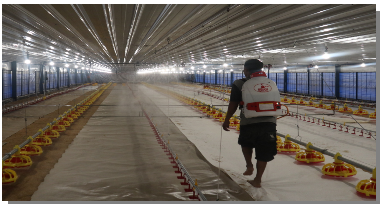
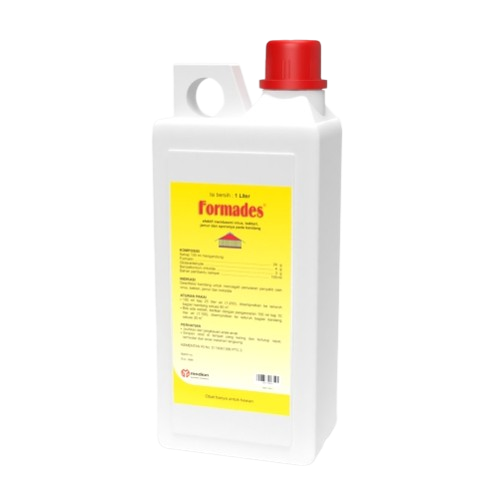
- Cleaning planning must be carried out in a structured manner, starting from dredging up feces to washing and disinfecting the entire cage area such as walls, floors, ceilings and warehouse areas using... Formades
- Cleaning also includes all cage equipment including cup nipple, pipe nipple, torn drinking water, DOC feeder, pan feeder, to the fan area and cooling pad
- This process also includes whitewashing of walls and floors, spraying of insecticides (Delatrin), and ends with a second disinfection process (Formades) and thorough fumigation
Ventilation equipment inspection
The ventilation system is like the "breath" for the cage. closed house. Equipment such as fans, heaters, cooling pad, until the curtains work together to create an ideal microclimate (temperature and humidity) for the chicks. Failure to prepare this equipment can directly impact the comfort and health of the chicks.
- Control panel: ensure the power supply to the panel is normal, the power and voltage are stable, the OCR amperage is appropriate, and all cable connections and nuts/bolts are tightly attached.
- Fan: check the physical condition of the fan including bolts, motor, V-belt, shutter, pully, cone, and blade. Test Perform performance testing to ensure the air velocity is evenly distributed (tests are conducted at 9 sample points). There are no obstructing materials and the fan can be controlled automatically by climate control
- Temperature and humidity sensor: make sure the sensor is properly calibrated
- Heater: Heater performance is ensured to be on, according to instructions. controller, produces heat according to the target, positioned precisely, the heat flow is directed evenly throughout the room
- Curtains and partitions: pulleys (handwinch) The inlet curtain must function normally. Ensure the curtain is tight and free of leaks.
- Cooling pad : check the smooth running of the artificial rainwater system (rain maker). Wet flatness on the surface cell pad, its density, and the cleanliness of the water reservoir
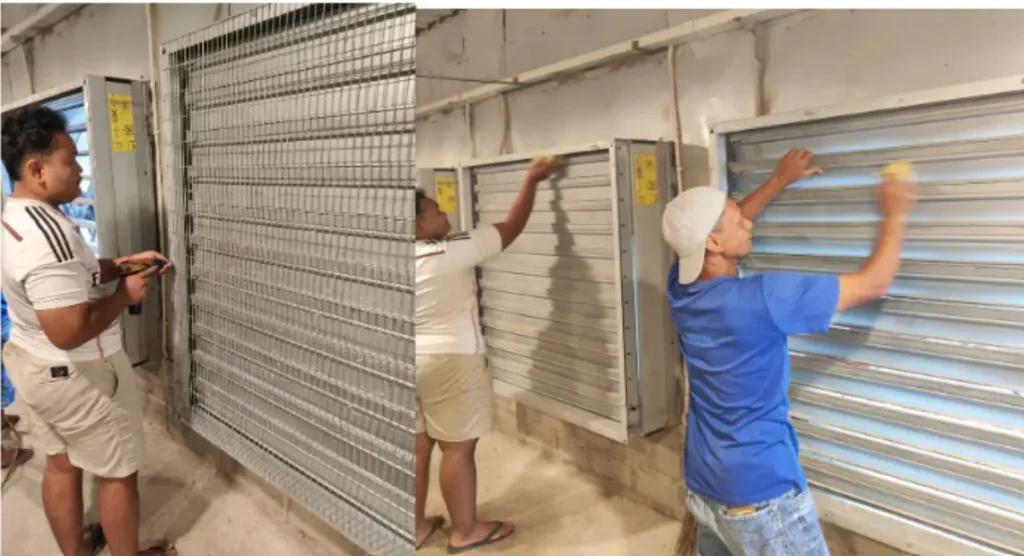
Equipment inspection and emergency conditions
Drinking water and feed are very important requirements to support the initial metabolism of DOC after the journey from hatcheryThe drinking water distribution system must be sterile, free from blockages, and able to deliver water at the correct flow rate and pressure. Feeding equipment must be ensured to be operating smoothly and clean before the chickens take their first bite. litter, make sure to treat the rice husks before spreading them, such as spraying them with disinfectant and turning them over to ensure they are evenly distributed. litter spread evenly across the area brooder with a recommended thickness of around 5 to 8 cm. Cage closed house Sophisticated devices are extremely vulnerable to power outages. Power failure can lead to mass deaths due to oxygen depletion or heat stress in just a matter of minutes. Therefore, prepare the functions of the entire alarm system, generator, and emergency curtains (curtain drop) so that unwanted things don't happen.
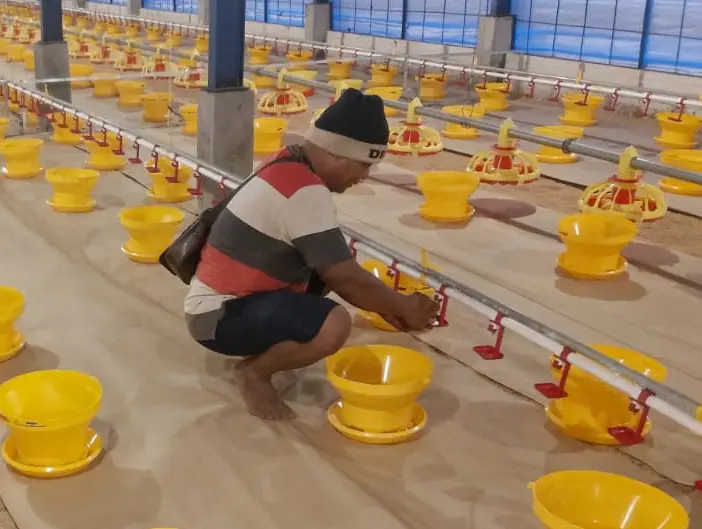
on the consumption of feed and drinking water of chickens (Source: Medion Doc.)
2. Pre-heating
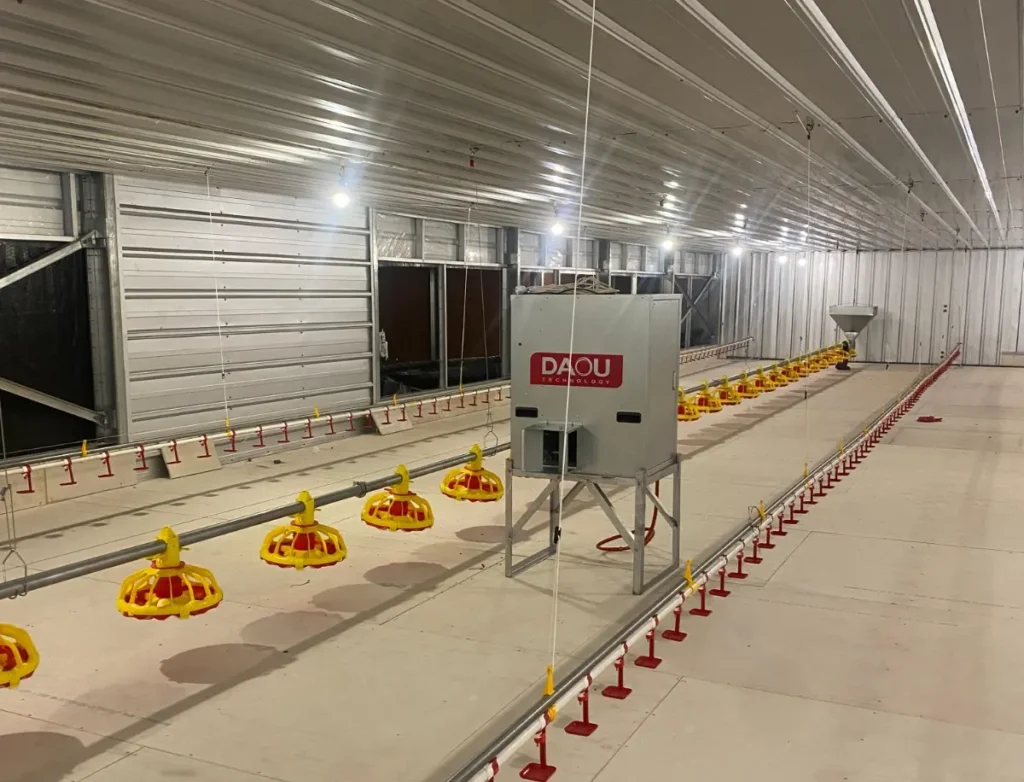
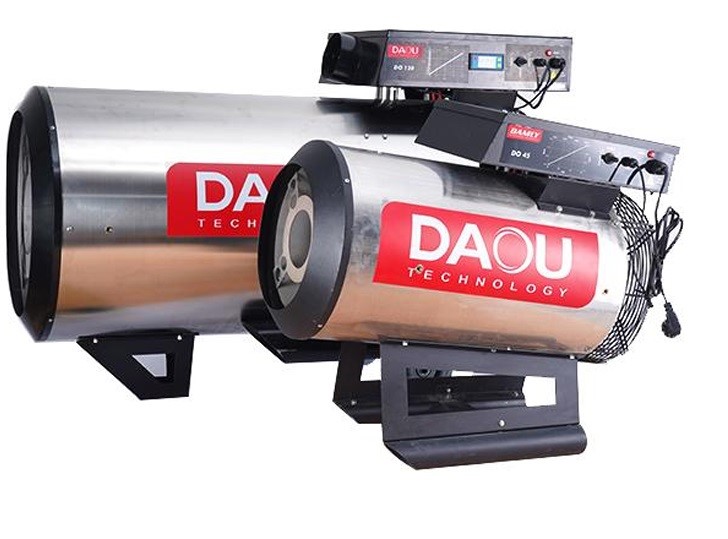
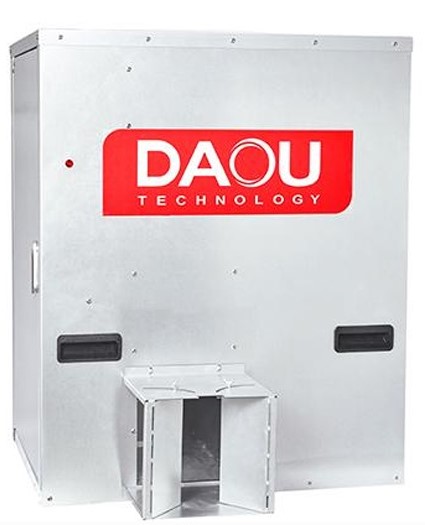
Pre-heating is the process of turning on the heating system (heater) in the cage or area brooding period, before the DOC arrives in the cage. Pre-heating aims to achieve the target temperature in the room and the temperature litter. The chick sensor is located on the soles of the DOC's feet. The soles of the DOC's feet are very sensitive to cold temperatures. If litter In cold weather, chickens lose body heat through conduction. This causes them to feel cold, reluctant to move, and eventually huddle together even when the room temperature is reached. The optimal, warm environmental temperature reaches all the way to the chickens. litter This will speed up the absorption of the remaining egg yolk and encourage the chickens to actively eat and drink in the coop. The ideal time to turn on the heater is about 1 to 2 hours before the chicks arrive. However, it can be longer if the coop is located in a highland area with low outdoor temperatures. The target room temperature is around 34°C.oC to 35oC and temperature litter ranging between 30oC to 32oC. Use an optimal heater such as a Space Heater DAOU which is capable of heating the entire cage room with economical gas consumption and automatic temperature control.
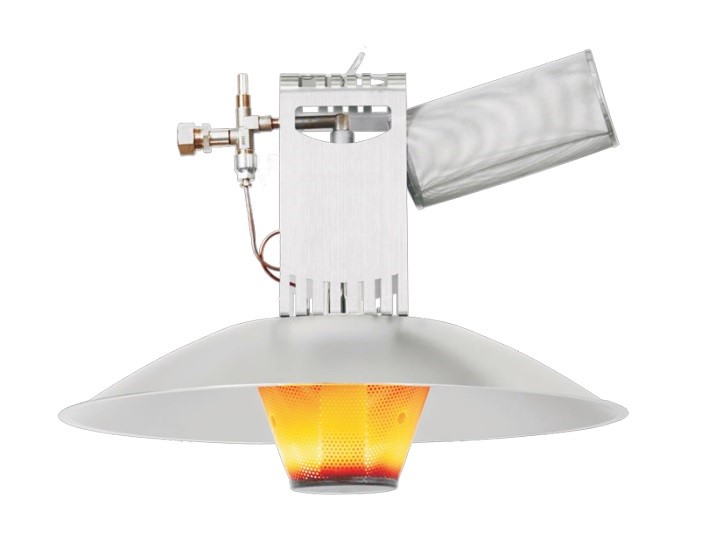
Coop management significantly impacts chicken performance. This includes ventilation, drinking water, feed, and litter. Human resources within the coop must implement appropriate management tailored to the chickens' needs to ensure optimal productivity. After this, coop operators should routinely check the coop's condition to address any issues or discomfort. The following management guidelines should be considered during this period. brooding period, :
Ventilation management
Ventilation is a primary need for chickens in a coop. Ventilation in a coop is closely related to the air conditions inside and outside the coop. The air inside the coop is necessary for chicken maintenance. broiler consists of air quantity, air temperature, air humidity, and air speed. To meet the air quantity requirement, it can be met by utilizing air circulation regulated by a fan or exhaust and for the cage closed house or open and close the curtains for the cage open houseThe amount of air is calculated based on the chicken's weight at each age, so as the chicken ages, its air requirements increase. Therefore, it is mandatory to measure the chicken's weight sample. broiler per day. Air quality inside the coop significantly determines the development and health of chickens. The air quality standards required by chickens are as follows:
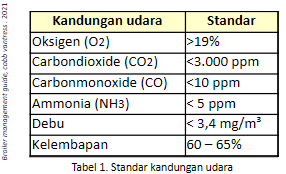
After understanding the ideal air content for chicken growth, we must also meet the air requirements in the coop by regulating air circulation. Standard air requirements for chickens broiler can be seen in table 2.
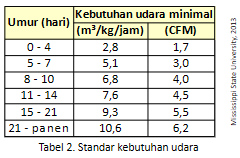
Regulation of air requirements in the period brooding period, called minimum ventilation. The objectives of drinking ventilation include:
- Keeping the temperature in the cage
- Maintain air quality (oxygen supply)
- Releases harmful gases (ammonia)
- Removing moisture
- Removing dust
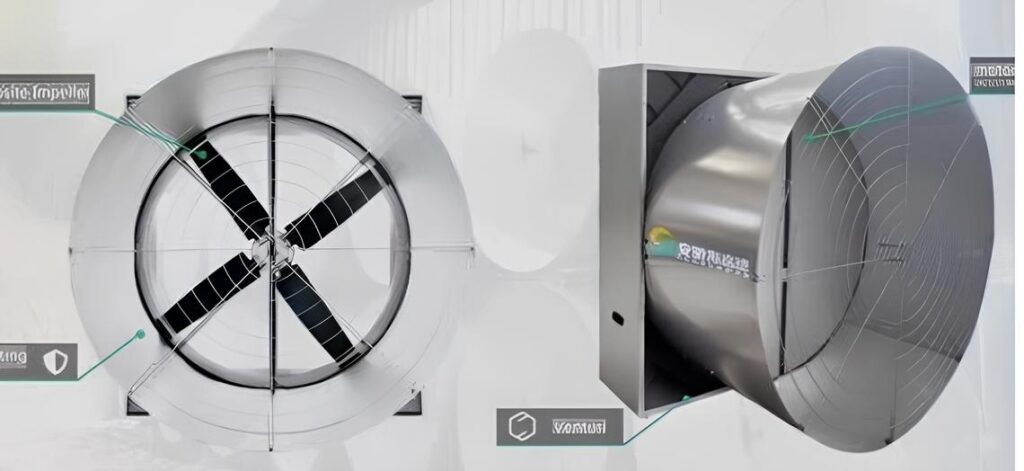
In the period brooding period,, the minimum air requirement must be met and the chickens must not be cold due to high wind speeds. intermittent or inverter usually used at an early age. The use of inverter fans has its own advantages compared to conventional fans (intermittent). The advantage is that it is more energy efficient due to low power consumption and can save 30-40% on electricity costs. Scoredman Fan has the advantage of high electrical efficiency and high fan capacity. Scoredman Fan is a fan that is durable and anti-corrosion. Interestingly, the fan does not use belt so that it excels in terms of maintenance, durability and noiselessness. The wind capacity of Scoredman fan as much as 44,900 m3/hour.
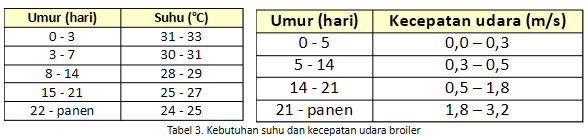
Temperature, humidity, and air velocity are also important parameters in air conditions, and we must meet them to ensure optimal chick growth. Temperature, humidity, and air velocity will affect the effective temperature experienced by the chick's body. Ideal air humidity during the brooding period brooding period, is 50-60%. The following standards for temperature, humidity, and air speed can be seen in Table 3.
Drinking Water Management
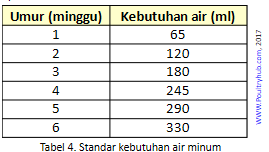
Water makes up 70% of a chicken's body. DOCs require 1.0 ml/chick/hour for the first 24 hours, and then, over the first 10 days, chicks consume 1/3 of their body weight in drinking water. Therefore, the quality and quantity of drinking water must be considered. Water provision at the beginning of rearing should be adjusted to the chicks' needs, as shown in Table 4.
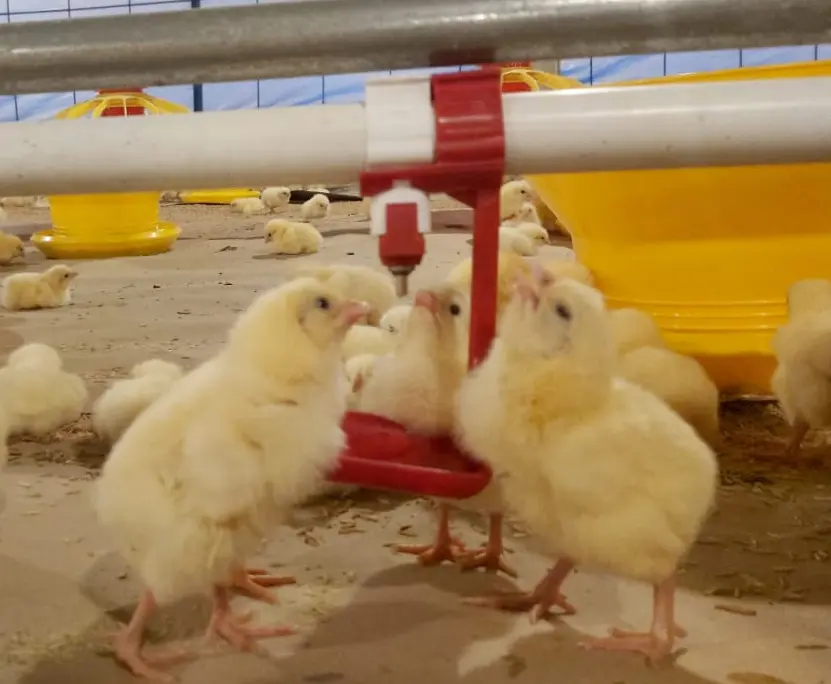
To meet the need for drinking water, it is necessary to have a drinking place that is appropriate for the population of chickens in the cage or is called water space. Water space or the number of drinking places available based on the chicken population must be adjusted because it will affect the uniformity of drinking water consumption for each chicken. The number of drinking places for each type of chicken nipple is 10 – 12 tails/nipple while for the type bell drinkers is 80 tail/bell drinker. In addition, the pressure nipple in the period brooding period, It's also important to note that the water temperature is 25–40 ml/minute. The ideal drinking water temperature is 18–24°C. If the water temperature is 24°C, water consumption will decrease.
Feed Management
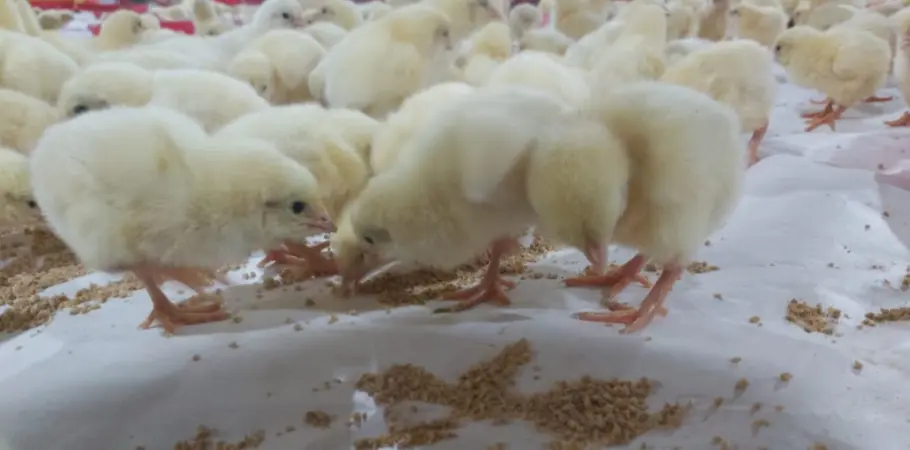
At the time of chick in, The plan for providing the number of feeding places must be determined based on the chicken population so that the chicks will receive the appropriate amount of feed and there will be no competition or scrambling for food. This can be implemented on the first day. paper feeding that is, feeding on a paper base so that the chicks can easily get feed or make it easier for the chicks to get feed. This is done to maximize early feed consumption/early feed intake at the start of maintenance. When chick in the first 24 hours of the day (early feed intake). Feed consumption during this period is approximately 20-25% of body weight. Failure to consume feed early in this period results in decreased weight gain.daily gain and uniformity/uniformity bad. About 30 minutes before chick in, It is best to spread the feed on the DOC base so that the chickens will be stimulated to eat as soon as they are spread in the cage.
Management litter
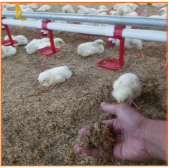
Function litter is as an insulator of the floor and as a heater, absorbs water moisture from dirt, reduces ammonia and maintain the soles of the chicken's feet. If the condition litter good or dry, then the growth of chickens will be good, otherwise if the conditions litter damp or lumpy, then the growth of chickens will not be optimal. Materials that can be used as litter including rice husks, sawdust, wood shavings, chopped straw, and others. In the initial maintenance period litter Spread the seeds at a thickness of approximately 5–8 cm, while still paying attention to the humidity conditions in the cage. If the cage environment is very humid, spreading the seeds can be done. litter starting from 5 cm first then added little by little according to conditions litterher.
(source: Dr. Medion)
Broiler Maintenance Monitoring and Evaluation
After implementing the strategy on maintenance broiler modern, monitor and evaluation is key because if there are any deviations in the comfort of the chickens, improvements can be made immediately. Monitoring what we can do is like checking recording berupa deplesi (standar <0,75%/minggu), konsumsi pakan, konsumsi air minum, berat badan atau pemeriksaan penunjang lain (cek temperatur rektal, keterisian crop, checking temperature history, observing the condition of the chicken distribution, etc.). The cage operator is required to follow the SOP of waking the chickens at least once every hour to conduct checks and wake them up to eat and drink.
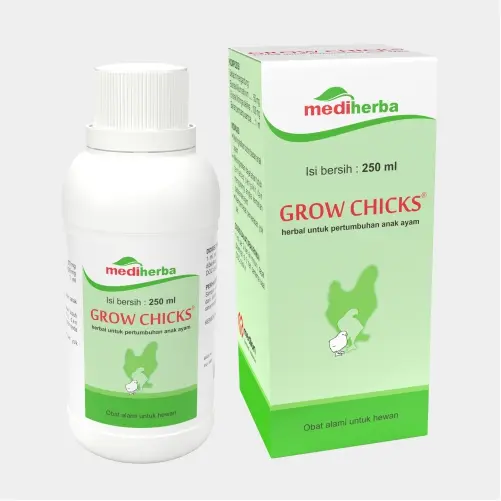
Checking body weight and uniformity is a key parameter for the success of our daily rearing. Body weight should not be left behind until 14 days of age. Calculating body weight and uniformity in a single pen requires collecting weight data using an appropriate sampling method. Chickens are weighed in groups at 0–14 days of age, and then individually weighed after 14 days. Good chicken uniformity is at least >85% with a CV of 5% (Cobb Vantress, 2021). To achieve optimal body weight, the use of herbal supplements such as Grow Chicks very effective for increasing body weight, improving the immune system, and accelerating the absorption of remaining egg yolk so that chicken performance can be optimal.
Implementation of management brooding period, proper and comfortable care will determine the success of keeping chickens broiler. After all the comfort requirements are met, it is necessary monitor routinely so that deviations can be addressed immediately and evaluated. This is a brief overview of the right steps to maximize the period. brooding broiler hopefully it can add insight and be useful. Greetings.