Digestion is the Main Engine that Supports Chicken Productivity Layer
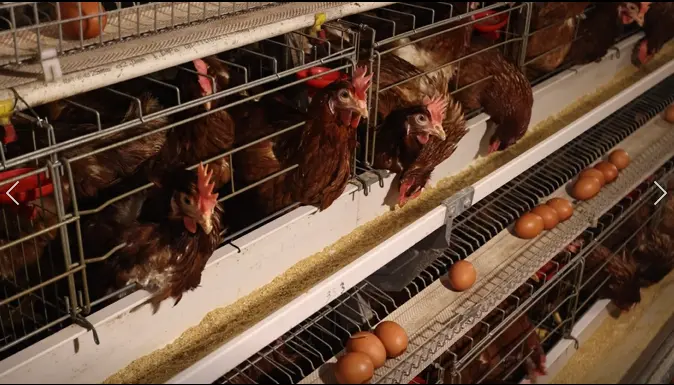
The digestive tract is the most vital organ in the laying hen farming industry (layer). The main function of this organ is to break down food, absorb nutrients, and remove metabolic waste. However, more than just a digestive organ, the chicken intestine also contains immune organs (Gut-Associated Lymphoid Tissue/GALT) which is the first line of defense against various pathogens that enter the chicken's body through the digestive system.
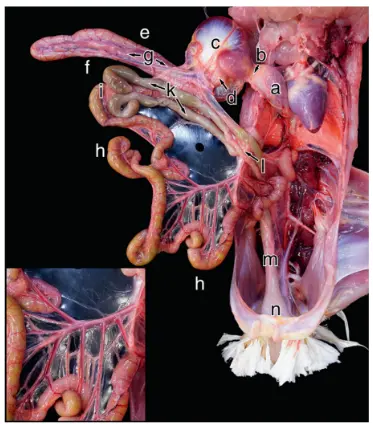
(source: Khamas, 2024)
After the food is swallowed, it will sequentially enter the organs shown in Figure 1. The food will first enter the crop or cache, then proceed to (a) proventriculus, (c) gizzard, (d, e) duodenum that surrounds pancreas, nutrients from feed will be absorbed by (h) fasting and (i) ileum, then it will enter the (k) appendix or cecum, (m) right, and the remaining waste will be excreted through the (n) cloaca[8].
In the egg-laying chicken industry, Feed Conversion Ratio (FCR) and percentage Hen-Day (%HD) is a key indicator of profitability. Feed accounts for approximately 60-70% of total production costs. If the digestive tract is compromised, nutrient absorption efficiency will decrease drastically. As a result, even "expensive" feed, its nutritional value, will be wasted in the feces. The subsequent impact is decreased egg production, decreased eggshell quality, and increased susceptibility to disease.
Maintaining digestive tract health (gut health) is no longer just an option, but an absolute necessity to ensure chicken productivity. layer The products we raise remain optimal. We must always maintain the productivity of laying hens, even though they are always facing serious threats, starting from the increase in cost production is inversely proportional to the market price of eggs in various regions of the country recently.
The Post-AGP Ban Era and Regulatory Updates
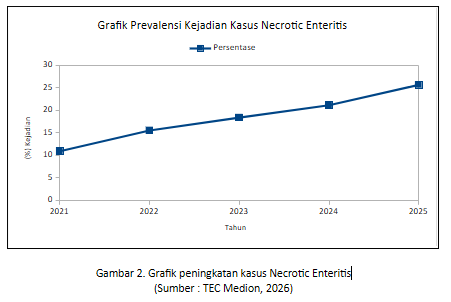
Farm conditions layer in the field today is facing complex dynamics. Since the ban on the use of Antibiotic Growth Promoter (AGP) in Indonesia (referring to Permentan No. 14/2017), the pattern of digestive diseases has shifted significantly. Farmers reported a spike in cases of wet droppings (wet dropping), subclinical and clinical coccidiosis, and Necrotic Enteritis (NE) caused by bacteria Clostridium perfringens. The increase in cases of digestive diseases occurs due to the loss of prophylactic protection or preventive measures with the use of antibiotics in the digestive tract from the administration of AGP.
The ban on AGP is not without purpose, it is proof of the government's seriousness in tackling and preventing the emergence of resistance to antibiotics (antimicrobial resistant) the impact of which will greatly affect the health of livestock, the environment and humans.
In early 2026, the Indonesian government, through the Ministry of Animal Husbandry, also began implementing bans and restrictions on several active antibiotic substances. The latest 2026 regulations regarding this matter are contained in the Decree of the Minister of Agriculture (Kepmentan) of the Republic of Indonesia Number 63/KPTS/PK.300/F/01/2026 concerning the Prohibition of the Use of Veterinary Drugs on Livestock Products for Human Consumption. This regulation was officially enacted on January 5, 2026. The main focus of this circular is the ban and strict restrictions on several active antibiotic substances included in the group Fluoroquinolon : Ciprofloxacin, Norfloxacin, Levofloxacin, Ofloxacin dan Oxolinic acid, also Cephalosporin generation 3 and 4 (except Ceftiofur).
We must also carefully consider the ban or restriction on antibiotic use. Currently, the development and research of alternative natural (herbal) medicines for animals is gaining traction. These herbal veterinary medicines are being developed as a substitute for medications, especially antibiotics, whose use in livestock is increasingly restricted or even banned. Furthermore, Indonesians have recognized the potential and utilized various plants considered to have medicinal properties since ancient times, but this knowledge has been passed down through generations as a form of interaction between the community and its environment.
Non-Infectious Factors
Although infectious disease agents (bacteria, viruses, and parasites) are often accused of being the main cause of digestive and productivity problems in chickens layerField data shows that performance fluctuations are often initiated by non-infectious disorders. Extreme microclimates in the barn, poor air management, and contamination with certain fungal toxins (mycotoxins) in feed work synergistically to damage the functional structure of the digestive tract.
– Climate Dynamics in Indonesia
Non-infectious factors that often cause digestive disorders include inappropriate coop management. This management is key to the well-being of our chickens. Unhealthy chickens are more susceptible to disease and their productivity will decline.
From a management perspective, for example, chickens experiencing excessive heat stress in the coop can trigger the emergence of heat stress. Heat stress It has been reported by various studies to have a significant impact on digestive tract health, especially due to the increase in oxidative stress caused. [1].
Based on the 2026 Dry Season Prediction for Indonesia, released by the Meteorology, Climatology, and Geophysics Agency (BMKG) last March, several regions in Indonesia are predicted to enter the dry season starting in April, May, and June, with most regions experiencing its peak in August 2026 (Figure 1). This year's dry season is also predicted to be longer than normal. [7].
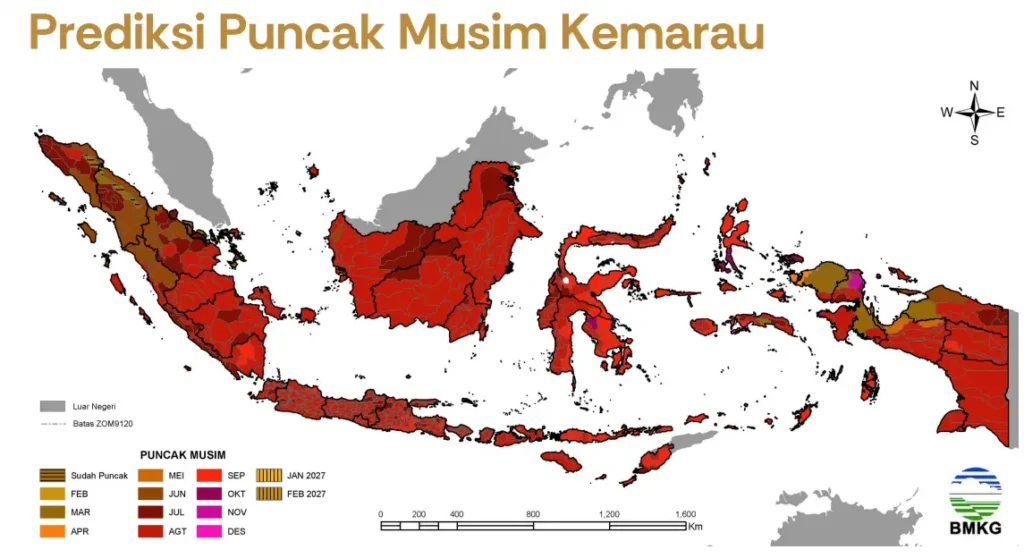
The thing we have to be aware of as breeders is the potential for heat stress felt by chickens which can cause a condition often known as heat stress. heat stress. Condition heat stress occurs when chickens are exposed to temperatures above their comfort zone (comfort zone) at a temperature of 25-28° C with a humidity (RH) of 60-70%. The reaction of the chicken's body to high temperatures and more details related to heat stress can be read again in the article Info Medion May 2026 Edition. Chickens do not have sweat glands, so one way to release heat is by... panting (acceleration of breathing frequency).
Process panting prolonged due to excessive heat stress causing the release of carbon dioxide gas (CO2) excessively shifts the blood's pH balance to a more alkaline state, a pathological condition called respiratory alkalosis. Many researchers have demonstrated that this condition can lead to physiological disturbances in the digestive tract. Decreased digestive function can certainly impact the productivity of laying hens.
Condition heat stress In chickens, it can also be characterized by changes in intestinal tissue morphology, namely increased intestinal permeability.[2]. Like other single-stomached animals, chickens also have a barrier (barier) intestines consisting of tight junction which ensures a strong connection between the membranes of enterocytes (intestinal cells) and their protective mucosal layer. When exposed to heat stress feed intake Chickens will decline, along with hypoxia (a condition where the body lacks oxygen) and ischemia (a condition where the blood supply to organs is blocked), this causes damage to the protective mucosal layer and weakening. tight junctions[3]Oxidative stress worsens this condition because it can cause tissue death (apoptosis) in intestinal mucosal cells.[1].
Several studies have also shown changes in the microbiota living in the digestive tract due to heat stress in chickens. heat stress may be one of the main causes associated with the decline in the population of commensal bacteria, such as Lactobacillus and Bifidobacterium[4]. Bacteria such as Escherichia coli is one of the most frequently reported cases related to heat stress. In chickens, the bacteria E. Coli infection is a pathogenic bacteria that can cause disease colibacillosis[5].
In conclusion, the intestinal epithelium, which serves as the first line of defense against pathogenic microbes, may no longer be able to fully perform its role when subjected to heat stress, resulting in severe damage to enterocytes and tight junctions. Furthermore, the growth of beneficial bacteria may be impaired due to limited nutrient availability, which may exacerbate the invasion of pathogenic agents and lead to systemic infections, which are frequently observed in chicken flocks raised under high environmental temperature stress.[6].
– Feed Quality and Feed Contamination
From the nutritional factors, one thing that needs to be considered is the balance of nutrients contained in the ration according to the chicken's needs and ensuring that... feed intake standards are still met. Nutritional imbalances and inadequate ration quality can affect the digestive process in the gastrointestinal tract, potentially damaging certain organs.
Crude fiber is a sign of poor bran quality, such as high levels of husk contamination. Husks contain high levels of antinutrients in the form of phytic acid. This phytic acid cannot be broken down by endogenous digestive enzymes in the digestive tract and binds phosphorus and protein, making them unavailable to the chicken. This will undoubtedly result in decreased productivity for laying hens.
Another antinutrient to watch out for is NSP (Non Starch Polysaccharide), NSP is found in large amounts in plant-based raw materials such as corn and soybeans. If it is not broken down by the right enzymes, it can cause intestinal viscosity to become thicker, making it difficult for nutrients to be absorbed and can result in the appearance of wet drop or the feces tend to be wetter.
Vitamin A deficiency can also disrupt the digestive system, resulting in decreased function of the esophagus, stomach, and kidneys. In addition, bacterial contamination, such as Escherichia coli which is in rations or drinking water can be swallowed and cause chickens to suffer from digestive diseases due to the bacteria.
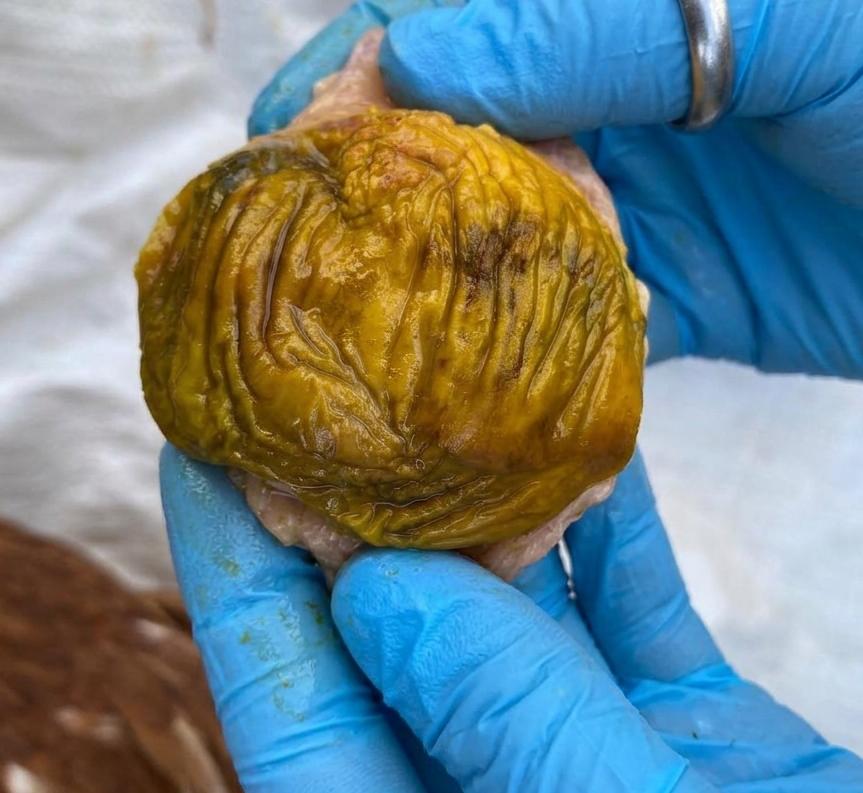
What sometimes goes unnoticed is the presence of mold in rations. Mold in rations can reduce nutrients, thus impairing optimal nutrient absorption by chickens. Mold can also produce mold toxins, often called mold toxins. mycotoxin. Mycotoxin produced from fungi can also contaminate feed, and can irritate the digestive tract such as irritating gizzard/gizzard in chicken resulting in gizzard erosion. The disease caused by this fungal poison is known by the name of the disease: mycotoxicosis.
Infectious Factors
Digestive disorders in chickens layer is rarely a stand-alone problem. Digestive system problems are often the result of an interaction between infectious agents and non-infectious factors. Among the infectious agents that frequently cause digestive disorders are bacteria, viruses, and parasites/protozoa. These disease agents can damage certain organs throughout the digestive system.
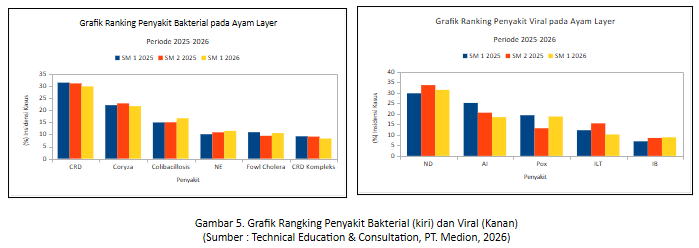
The current trend of infectious diseases that affect the digestive system is dominated by bacterial diseases such as Colibacillosis, Necrotic Enteritis and Fowl Cholera. Meanwhile, infectious diseases caused by viruses are dominated by Newcastle Disease and Avian InfluenzaThese diseases not only damage the digestive organs but can also directly damage the reproductive system, significantly impacting the production performance of laying hens.
In line with this information, the following is disease incidence data collected by the team. Technical Education and Consultation Median for the last three semesters. This data can be used as a guideline and overview for disease control in the second half of 2026 (July–December).
1. Colibacillosis (dyspnea, heart and liver covered by fibrin)
Colibacillosis (dyspnea, heart and liver covered by fibrin) caused by bacterial infection Escherichia coli. Bacteria E. Coli infection is also a bacterium that lives naturally in the digestive tract of poultry. Due to its opportunistic pathogenic nature, this bacterium E. Coli infection can cause disease colibacillosis when there is an increase in its population in the digestive tract.
These bacteria then contaminate the environment, feed, water, fertilizers, and other materials. They can then re-enter the chicken's body through various routes, including inhalation (breathing), oral ingestion (intake through the mouth/eating/drinking), and the conjunctival mucosa of the eye. These bacterial infections can be local, such as inflammation of the conjunctiva (conjunctivitis), inflammation of the intestines (enteritis), inflammation of the subcutaneous layer (cellulitis), and inflammation of the oviduct, resulting in salpingitis.
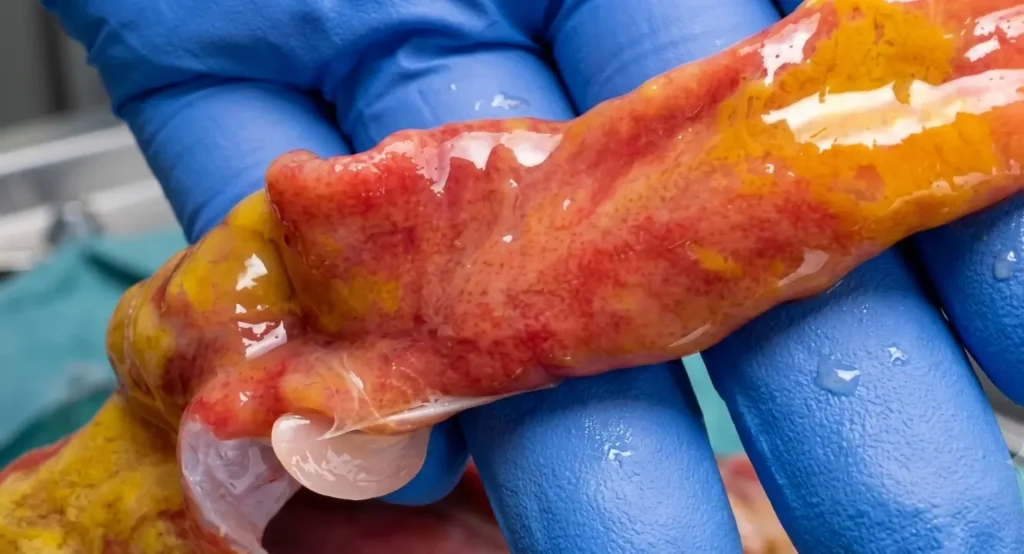
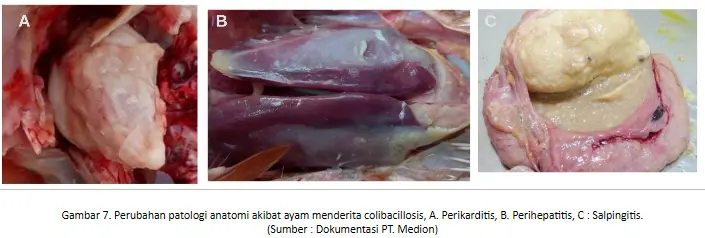
Salpingitis occurs due to the movement of a large number of bacteria E. Coli infection from the cloaca to the oviduct or its movement E. Coli infection through air sac infection (air sacculitis). A mild infection of the oviduct causes a decrease in egg production in chickens. However, if the inflammation of the oviduct continues over a long period (chronic), the lining of the oviduct will thin and a blockage will form. This blockage can be a thick, pus-like fluid or a hard, cheese-like, foul-smelling solid. Sometimes, salpingitis is accompanied by inflammation of the peritoneum (peritonitis).
In addition to local infections, these bacteria can penetrate blood vessels and cause bacteremia (bacteria circulating throughout the body in the bloodstream) and systemic infections. Once a systemic infection occurs, various organs... visceral Chickens can be the target of attacks such as the air sacs causing airsaculitis, the heart causing pericarditis, the liver causing perihepatitis, the ovaries causing oophoritis, and various other organs. The inflammation is characterized by bacterial infection. E. Coli infection is the presence of a cheesy mass in the inflamed tissues, as shown in the following image:
2. Necrotic Enteritis
Necrotic enteritis is a bacterial disease that is sporadic in chickens caused by infection Clostridium perfringens Type A and C. Clostridium perfringens are naturally occurring, commensal bacteria found in the digestive tract of healthy chickens. However, these bacteria also have the potential to become pathogenic. They transition from harmless commensals to disease-causing agents when environmental stressors or mucosal damage lead to an overpopulation of these bacteria in the intestine. [9].
Several factors trigger an increase in the bacterial population C. Perfringens in the intestines that causes NE is an unhygienic environment such as litter Humidity/wetness, stress, changes in weather, and diseases that cause intestinal damage, such as coccidiosis. Changes in intestinal viscosity due to nutritional quality or raw materials can also trigger NE. These changes in viscosity are caused by providing rations with excessively high protein and energy content, as explained in the previous non-infectious discussion, or they can also be caused by sudden changes in feed.
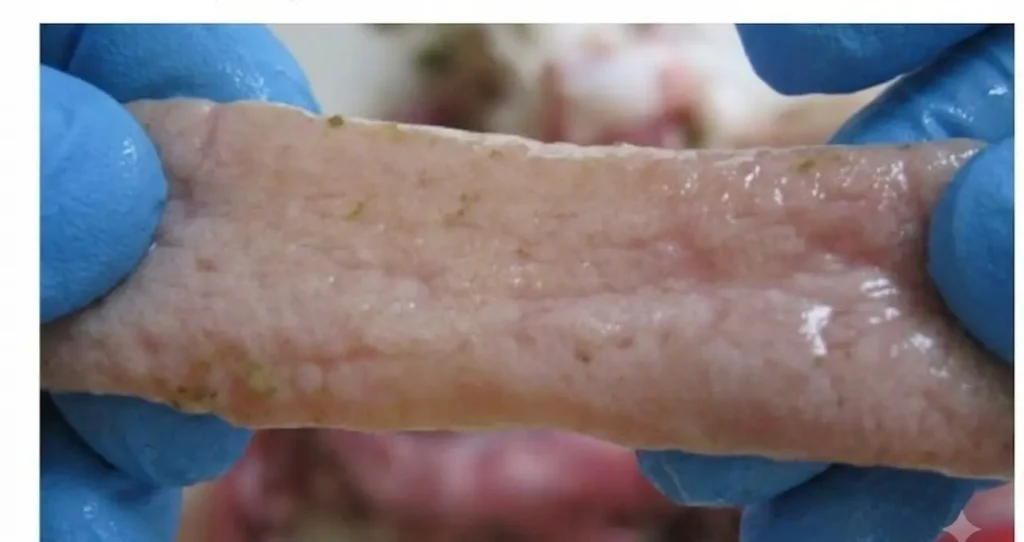
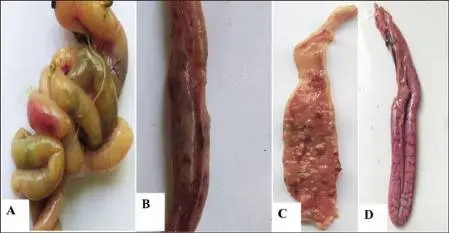
EN can cause damage to the intestinal mucosa. Because the mucosal lining is damaged, undigested food residue, such as corn residue, is often found in the stool. Anatomical changes in EN include gas-filled, swollen intestines, a characteristic odor, and a fragile or easily torn intestinal wall. In severe cases, the intestinal mucosa can appear rough, resembling the surface of a towel, often referred to as "nausea."turkish towel”.
3. Fowl Cholera
Fowl Cholera or fowl cholera is caused by bacteria Pasteurella multocidaThis bacteria can attack and cause infections in acute, acute, or chronic forms. Chickens can be infected with the bacteria. P. multocida through inhalation, orally, and wounds on the surface of the tissue (skin). However, the most important transmission is orally (digestive tract) through mucus discharge from the nose or mouth.
Transmission in the flock is very difficult to detect because the chickens affected by the disease fowl cholera which is chronic in nature can become carrier This is especially true for chickens that have recently recovered from the disease. The bacteria can persist in the nasal cavity or upper respiratory tract and can then be transmitted directly or indirectly through contamination of drinking water, drinking vessels, the environment, farm equipment, vehicles, and workers.
Disease of fowl cholera can be triggered by various stress factors, such as changes in seasons, sudden changes in weather, fluctuations in temperature and humidity, after the chickens move cages, beak trimming, or stress due to treatment (vaccination/weighing)[11], and others. This disease is also often found during long dry seasons.[11] as currently predicted by BMKG, so we must be aware of the increase in cases.
As a control strategy in vulnerable areas fowl cholera can be done with a prevention strategy by carrying out vaccinations using Medivac Fowl CholeraThis vaccination aims to stimulate the body to form antibodies, so that when the field challenge is high against bacteria P. multocida, birds that have had antibodies can survive and minimize losses due to illness fowl choleraPathological changes due to disease fowl cholera sometimes it is not found specifically, especially in peracute cases, or is limited to the discovery of bleeding (hemorrhage) in several organs such as heart fat, abdominal fat, liver, and mucous membranes of the digestive tract (intestines, proventriculus, and gizzard).
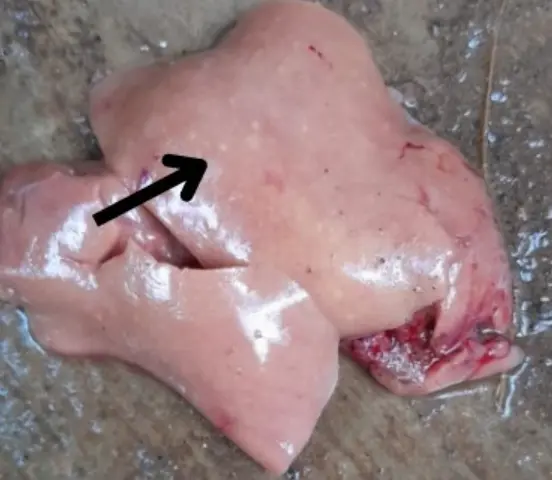
Enteritis (inflammation of the intestines) can be found in the digestive tract, resulting in diarrhea, weight loss, and greenish stools. Therefore, breeders also know this disease as green feces. Another specific change that can be found is multifocal necrosis of the liver, as shown in Figure 10. This disease can also cause damage to the reproductive system in the form of ruptured ovaries in the abdominal cavity, known as yolk peritonitis [12].
Digestive Disease Control Strategy
Findings in the field show that decreased productivity can be caused by problems in the digestive tract, both non-infectious and infectious, such as diseases. colibacillosis, necrotic enteritis, and fowl choleraTherefore, comprehensive efforts are needed to maintain digestive health. Here are some important factors that can be controlled to prevent digestive problems in poultry, especially during the upcoming dry season.
- Implementation of management to create comfortable and ideal cage conditions in terms of air quality, temperature and humidity.
- Minimize immunosuppressive factors (suppress the immune system), carry out vaccinations and repeat vaccinations according to the program or disease vulnerability in the environment.
- Strict biosecurity is implemented, adhering to the principles of isolation, separation, traffic management, and routine sanitation and disinfection. For more information on biosecurity, please visit Info Medion September 2023 edition.
- Maintain sufficient quantity of drinking water with good quality, such as no bacterial contamination. coliform or E. Col. Routine flushing or cleaning the chicken drinking place so that it does not become a hiding place for disease seeds such as the emergence of biofilm.
- Providing feed with the right nutritional content and maintaining the quality of the feed so that it does not grow mold.
- Maintain the body condition of livestock so that it remains fit by giving multivitamins.
- Observe, separate, or immediately treat any chickens showing signs of illness to prevent them from becoming a source of disease spread. We must be especially observant of changes in the color and/or consistency of chicken feces, as this can serve as an early warning system for digestive diseases in chickens.
Treatment for Digestive Diseases
If our chickens are already sick due to infectious agents such as colibacillosis, necrotic enteritis, or fowl cholera We can administer treatment according to the recommendations of the health care professional or veterinarian handling the case at the enclosure. For example, we can use antibiotics from the penicillin group, such as Amoxitin or Ampicol, tetracycline group such as Choleridine or injection with Medoxy-I or Medoxy-LA.
The choice of antibiotics can of course also be based on the results of bacterial sensitivity tests to certain active substances.[13]. We can also do the principle rolling antibiotics by replacing the active antibiotic substance from a different antibiotic group after 3-4 treatments using the same antibiotic to prevent the emergence of bacterial resistance to the active antibiotic substance.
Using herbal remedies as an alternative treatment solution can also be an option for digestive ailments. Medion continues to innovate to create herbal products that function similarly to antibiotics. One of Medion's herbal antibiotic products is Intesfit, which is a herbal antibacterial for digestion that can speed up healing fowl cholera and necrotic enteritis.
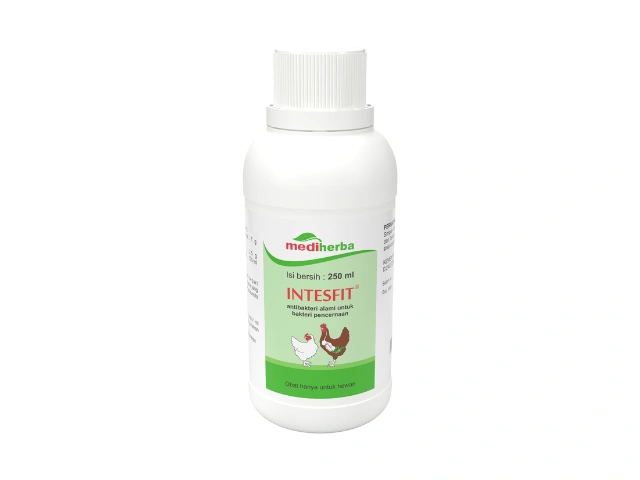
The active ingredient andrographolide is from herbal plant extracts. Andrographis paniculata in the product Intesfit It will work by inhibiting the formation of bacterial DNA and preventing the formation of pathogenic bacterial colonies. In addition, other active ingredients contained in the extract Kaempferia galanga will stick to the bacterial cell membrane, then damage the cell membrane, so that the bacteria will die due to the damage. Intesfit form of liquid preparations, making it very soluble and friendly to use on dosing pump also nipple drinker. The recommended dose is 1 mL/L of drinking water, administered for 5-7 days.
References
[1] Liu G, Zhu H, Ma T, Yan Z, Zhang Y, Geng Y, et al. Effect of chronic cyclic heat stress on the intestinal morphology, oxidative status and cecal bacterial communities in broilers. J Therm Biol. 2020;91:102619. 10.1016/j.jtherbio.2020.102619.
[2] Rocchi A, Ruff J, Maynard CJ, Forga AJ, Señas-Cuesta R, Greene ES, et al. Experimental cyclic heat stress on intestinal permeability, bone mineralization, leukocyte proportions and meat quality in broiler chickens. Animals (Basel). 2022;12:1273. 10.3390/ani12101273.
[3] Gilani S, Chrystal PV, Barekatain R. Current experimental models, assessment and dietary modulations of intestinal permeability in broiler chickens. Anim Nutr. 2021;7:801–11. 10.1016/j.aninu.2021.03.001.
[4] Song J, Xiao K, Ke YL, Jiao LF, Hu CH, Diao QY, et al. Effect of a probiotic mixture on intestinal microflora, morphology, and barrier integrity of broilers subjected to heat stress. Poult Sci. 2014;93:581–8. 10.3382/ps.2013-03455.
[5] Simoneit C, Burow E, Tenhagen BA, Käsbohrer A. Oral administration of antimicrobials increase antimicrobial resistance in E. coli from chicken – a systematic review. Prev Vet Med. 2015;118:1–7. 10.1016/j.prevetmed.2014.11.010.
[6] Ncho CM. Heat stress and the chicken gastrointestinal microbiota: a systematic review. J Anim Sci Biotechnol. 2025 Jun 16;16(1):85. doi: 10.1186/s40104-025-01225-6. PMID: 40524217; PMCID: PMC12168420.
[7] BMKG, 2026. Prediksi Musim Kemarai 2026 di Indonesia. Direktorat Perubahan Iklim, BMKG. Jakarta, email: avi@bmkg.go.id
[8] Khamas & Rutlant, 2024. “Anatomy and Histology of the Domestic Chicken”. John Wiley & Sons, Inc.
[9] Fathima S, Hakeem WGA, Shanmugasundaram R, Selvaraj RK. Necrotic Enteritis in Broiler Chickens: A Review on the Pathogen, Pathogenesis, and Prevention. Microorganisms. 2022 Sep 30;10(10):1958. doi: 10.3390/microorganisms10101958. PMID: 36296234; PMCID: PMC9610872.
[10] Kouchey AB, Shah SA, Shafi M, Farooq S, Showkat S, Bashir A, Kamil SA, Mir MS, Hassan MN, Wani ZA, Rather MA. Prevalence, molecular detection, and histopathological analysis of necrotic enteritis in chickens. Open Vet J. 2025 Sep;15(9):4248-4254. doi: 10.5455/OVJ.2025.v15.i9.31. Epub 2025 Sep 30. PMID: 41200316; PMCID: PMC12587982.
[11] Manual Penyakit Unggas : Kolera Unggas, ISIKHNAS
[12] Fowl Cholera, Pasteurellosis. 2019. https://www.thepoultrysite.com/disease-guide/fowl-cholera-pasteurellosis (accessed June 17, 2026) and various other sources
[13] Hendrix Genetik. https://layinghens.hendrix-genetics.com/en/articles/fowl-cholera-in-laying_hens/ (accessed June 17, 2026)