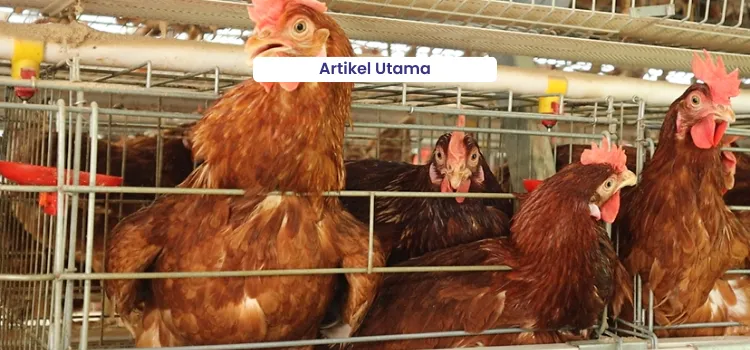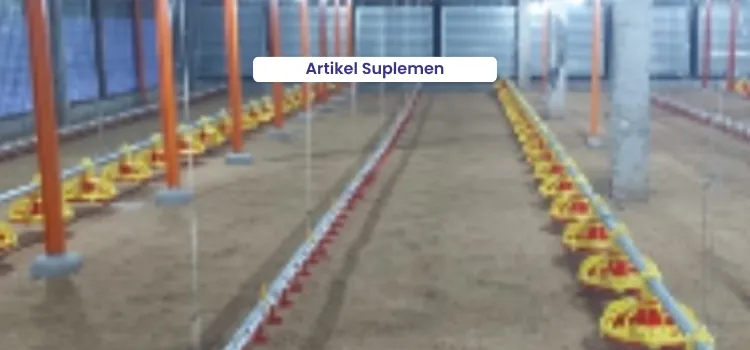
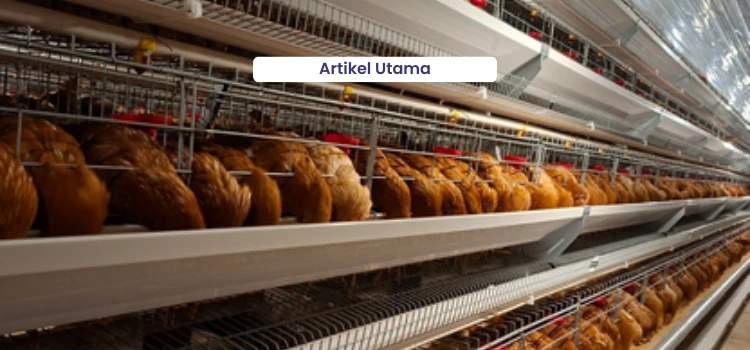
Feasibility study of the cage layer cages modern in general is a comparison between the cages cages closed house automatic with conventional cage or battery cage open house. In the cage layer cages modern An automated feeding and watering system, lighting adjustments to meet the chickens' needs, and egg collection have been implemented. This automated system results in improved feed efficiency and lower mortality. layer cages modern While it does require a high initial investment, it can yield optimal chicken performance. Keeping chickens in conventional cages results in less than optimal egg production due to unstable and uncomfortable environmental conditions. Uncomfortable cages, for example, can be very hot and humid, which can reduce the performance of laying hens.
Cage layer cages modern requires special attention during maintenance because it will determine the level of success. The genetic potential possessed by several strains Laying hens each have their own unique advantages, but their genetic potential can be optimally realized if supported by ideal environmental conditions. Here are some important considerations when raising laying hens in a coop. layer cages modern :
1. Technical and Production Aspects
A. Type of Cage
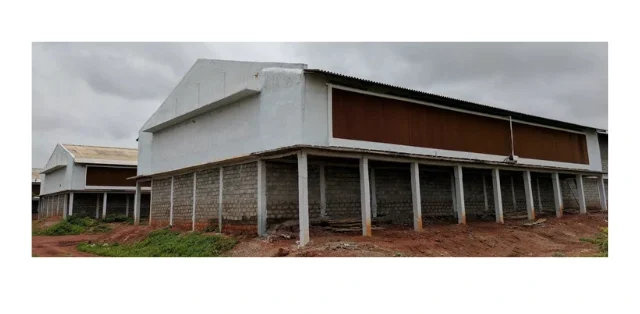
Cage layer cages modern , conducted via sistem closed house or closed cage with ventilation settings from fans/exhaust fan. Microclimate in the barn closed house These include temperature, humidity, and air velocity, which can be adjusted to meet the chickens' needs. A microclimate that meets these needs will ensure their comfort, leading to optimal productivity. The microclimate inside the coop is also influenced by the surrounding climate, so ventilation settings must also be adjusted accordingly.
B. Battery System
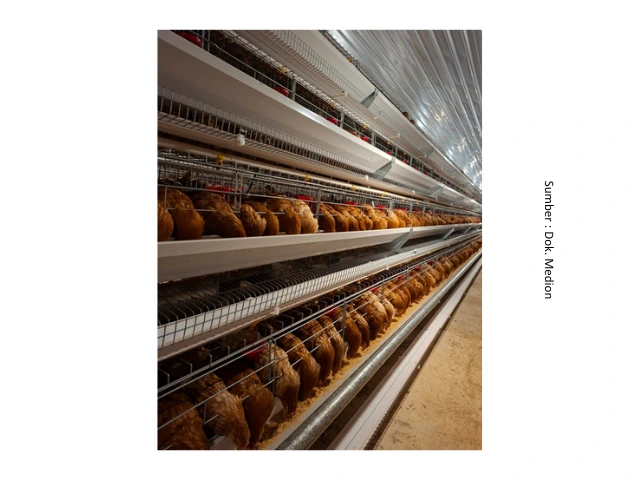
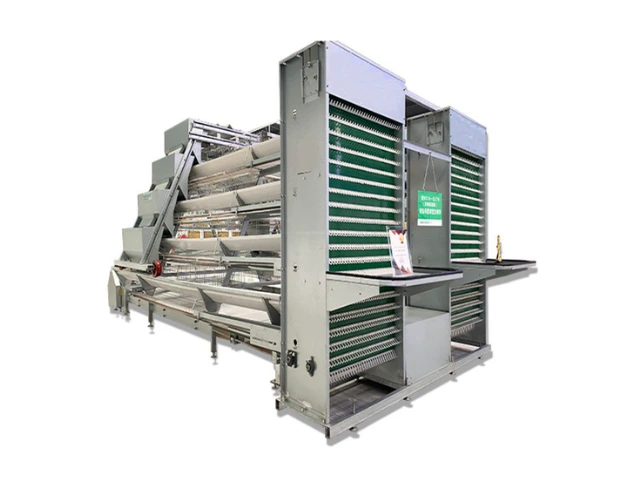
Cage layer cages modern Using a tiered battery system, the batteries are made of strong, rust-resistant galvanized iron, ensuring longevity. This battery-powered cage system improves space efficiency, maximizing the chicken population. In conventional cages, the battery system is made of bamboo or wood, making them susceptible to damage and short-lasting, and also poses some challenges during the cleaning/disinfection process.
C. Tool Automation
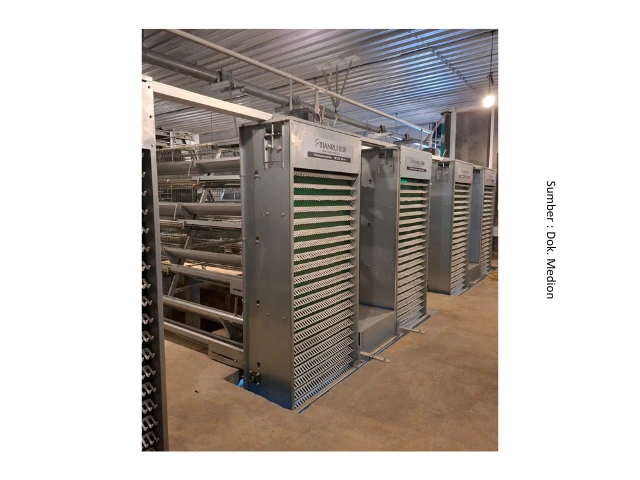
Cage layer cages modern Using an automated feeding and watering system, this reduces dependence on labor. Other systems, such as lighting, egg collection, and manure removal, are also automated. Chicken rearing in a cage layer cages modern This is almost all done automatically so it will make it easier to distribute feed and drinking water, take and collect eggs, and remove feces or feces. In the cage layer With the conventional system, there is the potential for uneven distribution of feed and drinking water, resulting in less than optimal performance and difficulties in the cage cleaning process.
D. Peak Production
Cage layer cages modern Supports peak production and longer, more stable production persistence because it can maintain the comfort of the chickens. Egg production during the laying period will be disrupted if the comfort of the chickens is unstable or experiences significant fluctuations. Chicken comfort in conventional cages open house The cage is highly dependent on the external climate surrounding the cage, so it must be modified to control the microclimate inside. Microclimate control in conventional open-house cages is very limited and sometimes does not meet the chickens' needs.
E. Chicken Density
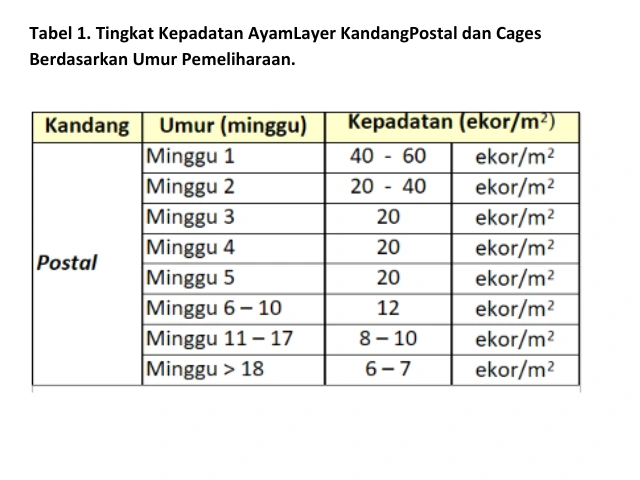
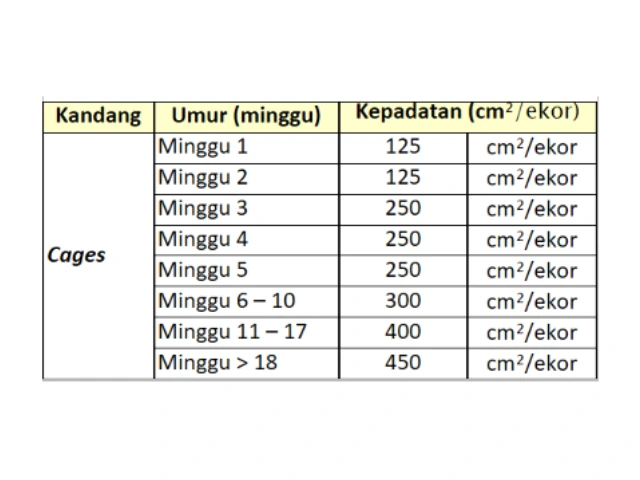
Cage layer cages modern has a higher capacity when compared to conventional cages open house. Area requirements or floor space for chicken layer Varies depending on age and cage type. Inappropriate stocking density will impact performance. Stocking density should be adjusted weekly through thinning or population reduction techniques.
2. Financial Aspects (Investment and Costs)
A. Initial Capital (Investment)
Initial capital in building a cagelayer cages modern this is very high because it includes the construction of the cage closed house, cages galvanis, and automatic equipment (ventilation system, feeding system, drinking system, cooling pad, lighting system, manure belt, egg collector system). Lifespan of the system cages This is relatively long, namely around ±20 years, and with the system cages This will result in optimal egg productivity. An automated cage equipment system can reduce operational costs, save feed, and improve chicken health.
B. Cost Estimation
Estimated cost of building a cagelayer closed house For a capacity of 20,000 chickens, the cost can reach billions of rupiah, or around Rp 5 billion. The cost of building this enclosure includes the civil construction of the enclosure, equipment, and supplies.
C. Operational Costs
Electricity costs in the stable layer closed house The operating costs for fans and other cage equipment are quite high. The operational costs for raising laying hens are dominated by the purchase of feed, which is around 70-80%, followed by the cost of pullet, vaccine/medication costs, employee salaries, and electricity costs. The following is a breakdown of the operational cost components for raising laying hens:
- Feed costs: Concentrate feed, corn, and bran are the highest daily expenses.
- Vaccine costs: Routine vaccinations, vitamins, and medications to maintain chicken health and productivity.
- Labor costs: The salary of the barn staff is for cage maintenance, providing feed and drinking water, collecting eggs, and cleaning up droppings.
- Electricity and water costs: Electricity is used for ventilation systems, distribution of feed and drinking water, and lighting.
- Production equipment costs: Purchase of additional equipment such as egg trays/egg tray, cage base/litter, and improvements to feeding and drinking equipment. Net profit depends on feed efficiency, daily egg production percentage (%HD), and egg selling price.
D. Mortality
Chicken mortality rate in cages layer closed house are generally lower because the environment inside the cage is more protected from disease and stress. In the cage layer cages modern The chickens' comfort will be maintained and stable so that the environmental conditions inside the coop are in accordance with the chickens' needs. layer cages modern It is also easy to maintain cleanliness so that the chickens are healthy and have low mortality.
3. Business Feasibility Analysis
Cage layer cages modern It is economically more viable in the long term (±20 years) compared to conventional cages and produces a higher percentage of egg production (% HD). Feasibility of business in cages layer cages modern namely more primary income, higher profit ratio and more stable productivity.
A. Source of Income
The main source of income for the chicken business layer Income comes from daily egg sales, which reach >90%, the sale of culled chickens that are no longer productive, and the sale of manure or feces used as manure. This egg-laying chicken farming business promises a stable income due to the relatively high and sustainable demand for eggs. The following is a breakdown of income sources from chickens. layer:
- Egg sales are the main product of chicken farming. layer. Egg sales are a stable source of primary income. Laying hens begin producing eggs at around 18 weeks of age and have a long productive life span of approximately 100 weeks.
- The sale of culled chickens, or chickens that have reached the end of their productive life. These culled chickens still have market value for their meat.
- The sale of manure or feces used as manure. The resulting chicken manure will contribute an additional 1% to total revenue.
B. Profit Ratio
On the chicken business modern layer Although the initial capital is large, feed efficiency and egg production are relatively consistent, resulting in more stable profits. The profit ratio of a chicken business modern layer generally have an R/C value (Revenue/Cost) which is around 1.05 – 1.96, which means that the business is feasible and profitable. FCR (Feed Conversion Ratio) The ideal profit efficiency is 2.0–2.5, where the given feed is efficiently converted into eggs. Profitability or net profit ranges from 4–7%, depending on operational management. The main factors affecting profit are feed prices and egg price fluctuations. Good management will result in a high FCR value and percentage. Hen Day (%HD) which is optimal and determines profitability.
4. Risks and Mitigation
A. Electricity
Cage layer cages modern It is highly dependent on electricity because all the equipment uses electricity, so a generator unit (genset) is needed as a backup power source. The risk of power outages on chicken farms modern layer including high and fatal. Reliance on electrical equipment makes these systems vulnerable to significant losses due to power outages. Areas that frequently experience power outages or voltage instability should always be considered. Some risks from electrical disturbances in the enclosure cages layer modern is:
- Mass deaths due to power outages: Ventilation in the cage layer closed house rely on fans (exhaust fan). The cooling system in the cage closed house implementing mechanical and evaporative cooling systems generated by the performance exhaust fan or cooling pad. A power outage can drastically increase the temperature of the coop, causing acute stress and rapid suffocation in chickens.
- Huge economic losses: Some incidents involving power outages or power outages lasting for several days can cause a large number of deaths.
- High fire risk: Electrical equipment is often the main cause of barn fires due to short circuit, dust buildup on electrical panels, corrosion from ammonia, or cables damaged by rats. Preventing these fires is the most appropriate.
- Generator failure: Generators that are not maintained or are unable to operate continuously during a power outage can cause the power backup system to fail completely.
- Stray voltage or stray voltage: Stray voltages are common in humid farm environments. While not directly lethal, these small electrical surges can cause stress and frighten chickens.
- Lightning disturbance: Lightning strikes can damage electrical panels, control systems, fans, and other equipment, triggering sudden blackouts and potential fires.
- Risk mitigation: Farmers must have a reliable generator backup system, regular maintenance of electrical installations, installation of grounding, as well as the use of corrosion-resistant electrical components.
B. Technical
Cage layer cages modern requires skilled personnel to operate all the equipment in the coop automatically. Farm operator on a chicken farm layer cages modern Farm operators have a different role compared to conventional chicken farms. The primary role of a farm operator is to supervise and monitor automated systems and ensure biosecurity practices. Chickens are raised in cages. layer closed house need farm operator skilled and reliable. Farm operator This will act more as a technician for all systems within the farm. The main duties of a farm operator are:
- Automatic system monitoring of the cage (monitor) namely monitoring the performance of the feed system (hopper/eyelet), drinking water system (nipple drinker), egg collection system (egg conveyor), and waste disposal system (manure belt).
- Controlling the environment in the cage (cage microclimate) using climate controller. Climate controller this will calculate and ensure the fan (exhaust fan) and cooling pad work according to the desired target.
- Feed and drinking water management, namely ensuring that feed is distributed evenly through an automatic system and ensuring a clean drinking water supply that is available 24 hours a day.
- Health care and biosecurity namely conducting daily health checks, taking chicken samples, vaccinations, and maintaining the cleanliness of the cage to prevent the growth of disease germs.
- Egg handling is managing eggs starting from cages go down to egg conveyor towards the table egg collector and stored or packed in a storage warehouse. The capabilities and qualifications of farm operator is a technical ability, namely understanding how to operate and repair minor damage to cage equipment. Farm operator able to comply with standards biosecurity strict (entry/exit procedures), able to read and record daily data such as feed consumption, drinking water, mortality and number of eggs produced.
C. Management
In raising chickens in cages layer cages modern requires proper lighting and ventilation management to avoid “cage fatigue” (cage layer fatigue) due to lack of movement. Management of laying hens in cages cages layer modern The focus is on the use of closed house systems to optimally control temperature, humidity, and ventilation. The key to success involves strict environmental control within the enclosure, lighting, nutrition, and biosecurity.
Following are some key points in cage management. layer cages modern:
- Closed cage system (closed house): The use of closed cages can regulate temperature, humidity, and air speed so that heat stress can be avoided, especially in tropical areas.
- Automation of drinking water and feed places: Usage nipple drinker to prevent water spillage and the use of automatic feeders to facilitate distribution and reduce spilled feed and maintain cleanliness. With an automatic feeder and drinking water system, it will make feed intake and water intake more precise and uniform.
- Stool/feces management: System usage manure belt under the battery will automatically make the excretion of feces easier and the chickens will not be stressed. With the system manure belt This automatically makes the air quality of the cage better maintained because ammonia formation is lower.
- Curtain management: On the cage modern layer already equipped with automatic curtain drop system This is an emergency measure during power outages or power outages to ensure air circulation. Curtain management is crucial because ventilation failure can impact air quality and the microclimate inside the coop. Rapidly changing environmental conditions inside the coop can stress chickens and even lead to high mortality rates.
- Ventilation management such as fans (exhaust fan) and cooling pad: The air speed inside the coop is adjusted according to the age of the chickens. If fan cooling is not optimal, cooling pad can be used to lower the temperature (cooling effect/cooling effect). Cooling with cooling pad This is the last method to cool the cage evaporatively after mechanical cooling (fan) has reached its maximum.
- Lighting management: Lighting in the cage layer cages modern is made automatic so that the start time and duration of exposure are more precise. In the period pullet until layer The lighting program will undergo changes. Additional lighting program 1-5 hours from the period pullet should be given when production starts to reach 5% and feeding can begin in the morning at 05:00. Total lighting during the production period is approximately ±16 hours with a light intensity of ±30 Lux. Lighting greatly influences the process of reproductive hormone development so it must be properly regulated, especially when entering the egg-laying period (laying period).
- Chicken transfer management pullet: The process of moving the chickens must be carried out carefully to minimize stress. During the move, selection is also carried out, so the chickens are immediately separated by grade or weight. Lights are turned on upon arrival so the chickens can immediately recognize the feed and water troughs. Ensure sufficient water and feed are available and easily accessible to each chicken. If the process of moving the chickens is not carried out properly, it can impact stress levels and performance.
- Health and hygiene management: Washing the cage and disinfecting the cage thoroughly must be done before pullet Enter. Regular health checks on chickens must be carried out and immediately isolate any chickens that are suspected of being sick.
Investment Feasibility Analysis Cages Modern
Cage closed house integrated with the battery system modern is a significant investment in the poultry industry. The initial investment costs include not only the building construction and ventilation system, but also a sophisticated automated battery system. Some systems cages modern used in laying hen cages are:
A. Layer cages A-frame
An A-frame is shaped like the letter 'A', where manure from the upper level falls to the floor. This system is simpler and is often used in cages. open house or semi closed house. The capacity per cage is approximately 4 birds with a density of 432 cm2/bird. Sub-system in the cage cages covering cages, automatic drinking and feeding places, egg belt and egg collector, as well as manure cleaning. Pen layer cages A–frame suitable for beginner breeders because it tends to be easier to handle manure in the cage. Estimated investment costs layer cages A-frame around Rp. 40 per head for a simple system consisting of cages and automatic drinking, whereas for full system around Rp. 70 per head consisting of cages, automatic drinking, automatic feeding, egg belt and egg collector, as well as manure cleaning.
B. Layer cages H-frame
H-frame is a vertical frame system in the shape of the letter 'H' which is used to support the unit cages in stages (multi-tier). Every frame functions as the main support to support the weight of chickens, feed, water, and automatic equipment such as egg belt, manure belt, and feeding lineThis design is more space-efficient, as it can accommodate up to 10-12 tiers. This design is typically used by farmers who are already familiar with the process of handling manure or feces. Estimated investment layer cages H-frame simple around Rp. 46 per head consisting of cages and automatic drinking. Investment layer cages full system around Rp. 90 per head consisting of cages, automatic drinking, automatic feeding, egg belt, egg collector and manure cleaning.
C. Pullet cages
Pullet cages is a battery cage system specifically designed for raising chickens pullet namely chicken from DOC (day old chick) until the age of 12-16 weeks or before being moved to the cage production layer. Estimated investment costs for raising pullets in a cage cages around Rp. 45 per head consisting of cages and automatic drinking, while the full system around Rp. 78 per head consisting of cages, automatic drinking, automatic feeding, and manure cleaning.
Capital expenditure are the costs incurred by farmers to build cages, such as land, buildings, machinery, and equipment. Costs for building cages open house Automatic costs include costs for the construction and civil engineering of the barn building, barn equipment, mess, electrical installation, fence, road, operational vehicles, warehouse, generator, and site permits. The total cost is approximately IDR 5 billion. Operational costs are the costs incurred by farmers to carry out their daily livestock business activities routinely. Operational costs include variable costs and fixed costs.fixed cost). Operational costs are calculated over a long period from the time the pullets enter the flock until they are culled. Operational costs in the flock closed house with a population of 15,000 is around Rp. 8.46 billion, while for cage maintenance open house around ±Rp8.7 billion. After calculating production costs/expenses, farmers need to calculate production results. Production results in farm layer can be in the form of selling eggs, culled chickens, and manure. Estimated production results layer A-frame with a population of 15,000 in the cage closed house is around ±Rp. 10.9 billion while the automatic open house cage is around ±Rp. 10.59 billion.
The next step in determining the investment feasibility of a laying hen coop is to calculate a financial analysis. This financial analysis is used to determine whether the investment in the coop is worthwhile. closed house layer A frame This is financially feasible or not. The financial analysis used is the Benefit per Share method. Cost Ratio (B/C), Return On Investment (ROI), Payback Periode (PP). The benefit-cost ratio (B/C ratio) shows the comparison between the benefits and costs of a business. The B/C value for closed houses is around 1.29, meaning that for every Rp1 spent, the farmer will receive Rp1.29 in profit. For open-houses, the B/C value is around 1.21. Return On Investment Return on Investment (ROI) is used to measure the rate of return on investment, which is how much profit is made compared to the capital invested. An investment of Rp100 will generate a net profit of Rp49 per year in the poultry farm. closed house and Rp. 43/year on the cage open matic. Payback periode (PP) is the time required for the investment capital to be returned from the profits obtained. Investment capital closed house will return in a faster time compared to automatic open houses. ROI on the cage closed house around 49% while in the cage open matic around 43%. Payback period in the cage closed house around 3.9 years while in the cage open house around 4.4 years. By understanding feasibility study, we can help analyze the feasibility of the business and can be used in making decisions whether to invest in a poultry farm layer closed house or cage layer open house. Implementation of the cage system layer cages modern is a capital-intensive investment that requires in-depth analysis.
Conclusion
Cage layer cages modern is a laying hen cage with a system closed house and cages modern, as well as automatic cage equipment. While the cage layer conventional is a laying hen cage in an open cage (open house) with a manual system of equipment and cage supplies. If these two types of cages are compared, the cage will have more advantages. layer cages modernThis cage is highly suitable for long-term investment in medium to large populations. The high initial investment is offset by good feed efficiency, low mortality, long service life, and high egg productivity. layer cages modern plays an important role in determining chicken production performance layer optimal, along with the genetic development of laying hens which are more sensitive to environmental changes in the cage and climate change in general.