The poultry industry plays a vital role in providing affordable animal protein to the public. Despite its rapid growth, this sector faces increasingly complex challenges due to technological advances and changing environmental conditions. Climate change directly impacts poultry performance. High temperatures and humidity, as well as unpredictable weather changes, can cause stress in chickens. This condition lowers immunity and increases susceptibility to diseases, including Swollen Head Syndrome (SHS).
SHS causes respiratory problems that are often confused with coryza, IB, CRD, or other respiratory diseases. Furthermore, in laying hens and breeders, SHS infection impacts the quality and quantity of egg production. Consequently, poultry production performance is impaired. This, in turn, reduces production efficiency and reduces farmer profits.
Characteristics of the Causes of Swollen Head Syndrome (SHS)
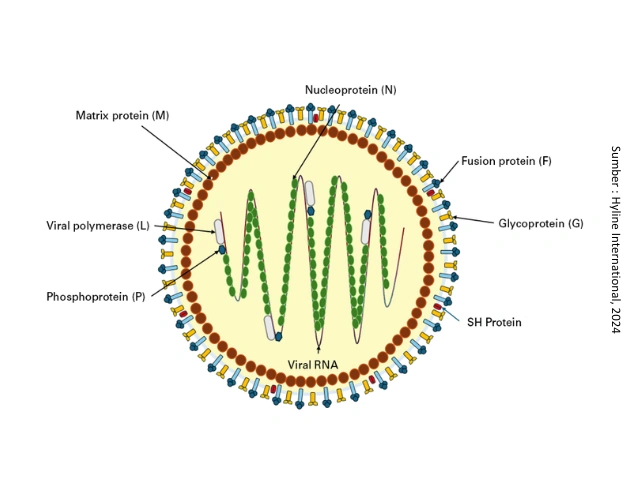
Swollen head syndrome is caused by the Avian Metapneumovirus (aMPV) virus from the Pneumoviridae family, Pneumovirus subfamily, and Metapneumovirus genus with single-stranded RNA (80-200 nm). This virus has an envelope so it is sensitive to all types of disinfectants including oxidizing agents such as Antisep and Neo Antisep, QUATs such as Medisep and Zaldes, and formaldehyde such as Sporades and Formades). This virus is resistant to cold and humid conditions. The resistance of aMPV is estimated to be around 4 weeks at 20°C, 2 days at 37°C, and 6 hours at 50°C (Dallas and Frederic, 2026).
The aMPV virus, which causes Swollen Head Syndrome (SHS), is spread horizontally, both directly and indirectly. Healthy chickens can be infected directly from sick chickens via aerosol. Indirect transmission occurs through contact with objects contaminated with the virus, such as bedding, feed, drinking water, vehicles, and humans, or the feathers of other chickens, with an incubation period of 3-5 days. According to Dallas and Frederic, wild birds play a significant role in the spread of aMPV, both through direct contact with wild bird populations and the possible contamination of water sources around farms.
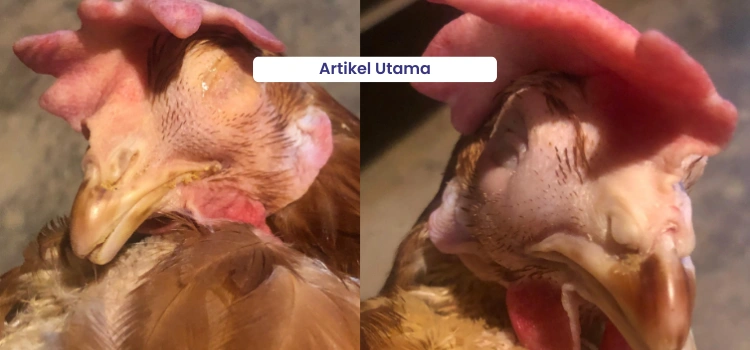
In chickens, this virus attacks the respiratory and reproductive systems. Clinical manifestations include respiratory distress, followed by an inflammatory response that leads to the accumulation of mucus and exudate deposits in the subcutaneous tissue (head and mandible). This causes swelling in the head and lower jaw (mandible) of chickens. This swelling usually begins around the eyes and then spreads to the upper head, intermandibular tissue, and wattles. In severe cases, the eyes of chickens showing facial swelling may appear almost closed (almond eyes).
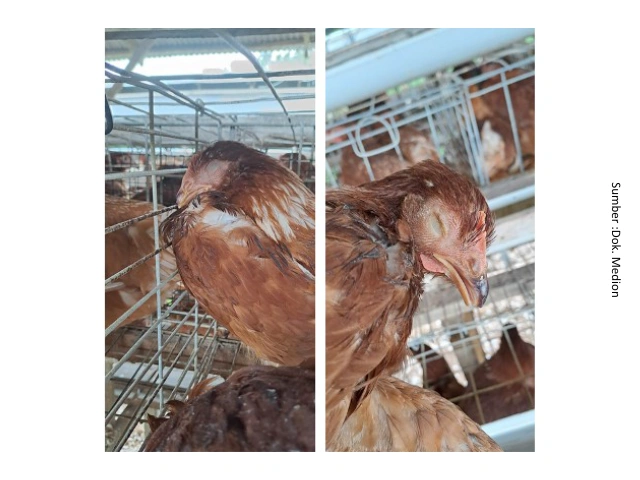
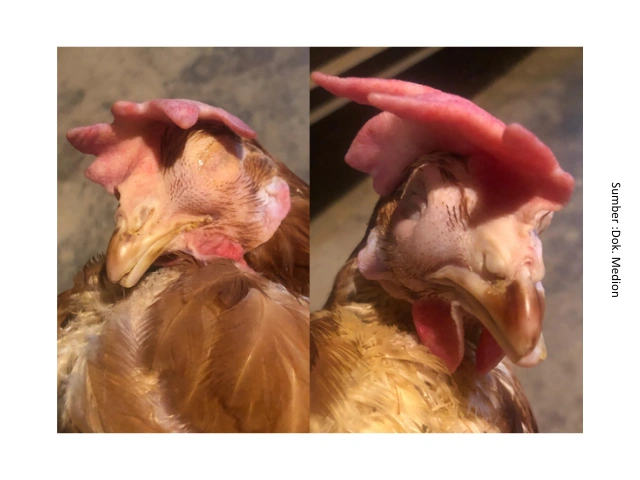
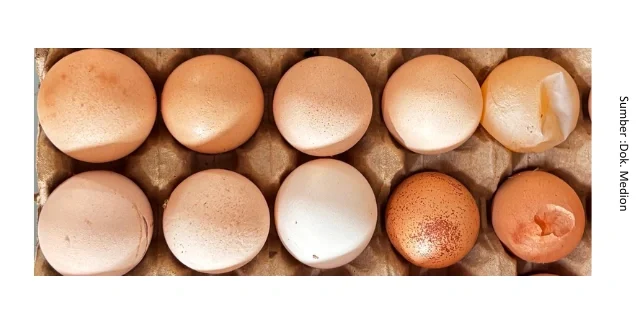
In the reproductive system, this virus causes a decrease in the quantity and quality of egg production. The virus enters the respiratory tract mucosa, then spreads through the bloodstream and reaches reproductive organs such as the ovaries and oviducts. According to Roberts et al. (2011), decreased production in laying hens due to Swollen Head Syndrome (SHS) can occur.
reaching 5-30%. This decline varies depending on the severity, the presence of accompanying secondary infections, and management and biosecurity conditions on the farm. Furthermore, Swollen Head Syndrome (SHS) infection also affects eggshell quality, resulting in pale, thin, and soft eggshells. In breeder chickens, this disease can reduce fertility (in males) and egg hatchability.
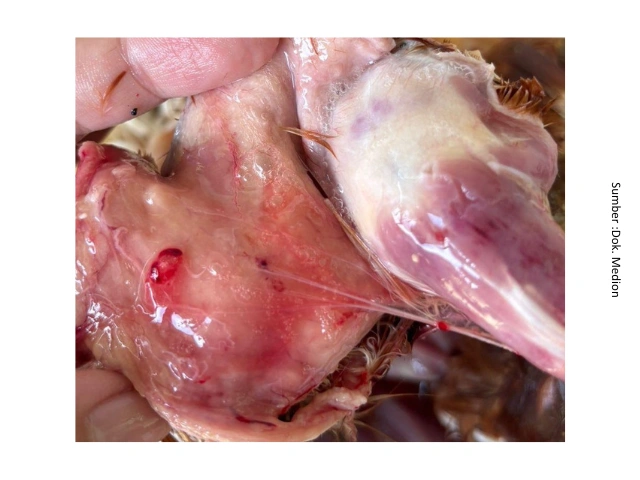
Anatomical pathologic changes observed during necropsy of chickens infected with Swollen Head Syndrome (SHS) generally include inflammation of the respiratory tract. Severe cases with secondary infections cause subcutaneous fluid accumulation accompanied by ecchymosis. Infections of the reproductive organs include inflammation of the oviducts, caused by the aMPV virus damaging the ciliated epithelium in the chicken's oviducts (Villarreal et al., 2007).
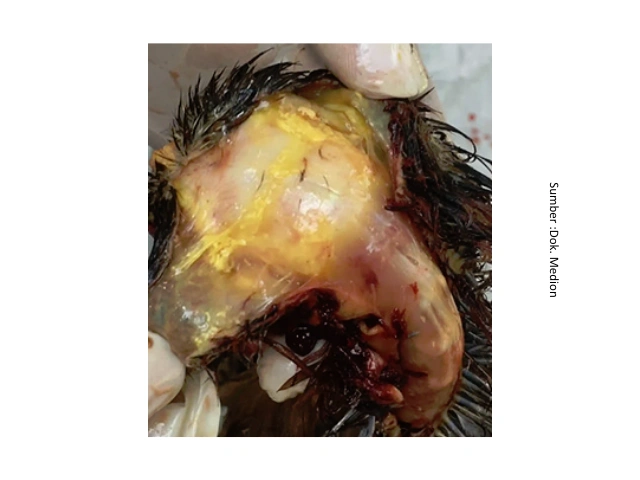
Swollen Head Syndrome (SHS) incidents in the field
Globally, Swollen Head Syndrome (SHS), caused by Avian Metapneumovirus (aMPV), was first reported in South Africa in the late 1970s in turkeys with respiratory symptoms. The disease then spread to Europe and has been found in commercial chickens worldwide.
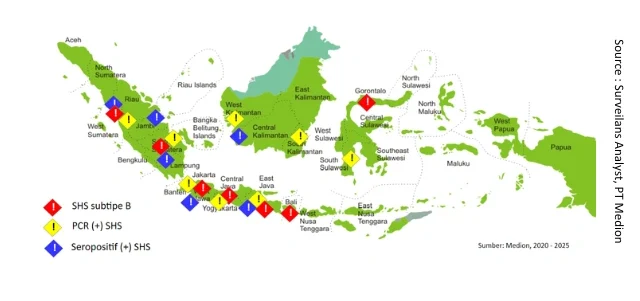
This global spread is influenced by the role of wild birds as a natural reservoir of the virus. To date, six subtypes of aMPV that cause SHS have been identified: aMPV subtypes A, B, C, D, and New Subtype 1 and 2 (Kaboudi & Lachheb, 2021). Meanwhile, according to David E. Swayne (2020), the aMPV virus is divided into four subtypes: A, B, C, and D. Based on data collected by the Medion Surveillance Analyst team, the aMPV that causes Swollen Head Syndrome (SHS) circulating in Indonesia is currently identified as subtype B. The following distribution map is displayed in Graph 1.1.
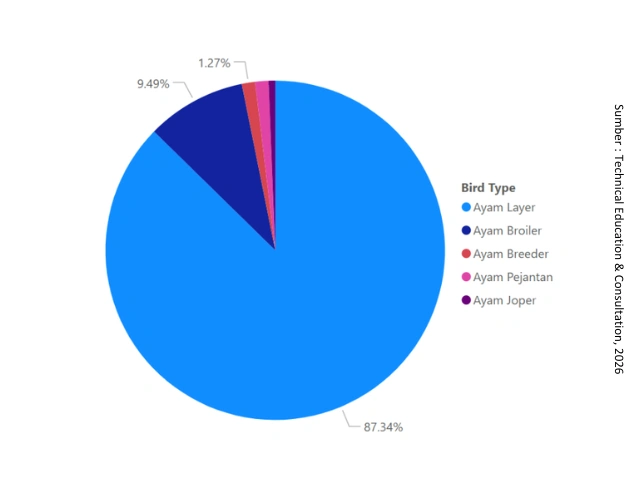
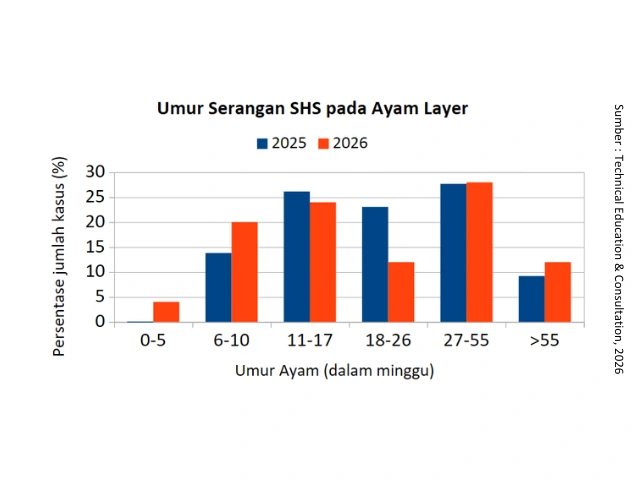
Based on necropsy diagnostic data conducted by Medion teams across Indonesia, SHS cases from 2014 to 2015 in laying hens reached 87.34%, broilers 9.49%, breeders 1.27%, and the remainder in roosters and jopers (Chart 1.2). A closer look at the age at which SHS attacks occur in layers is most common between 27 and 55 weeks of age, as shown in Chart 1.3 below. In broilers, SHS most often occurs at 3 weeks of age.
Challenges of Controlling Swollen Head Syndrome (SHS) in the Field
1. Climate Challenges in Indonesia
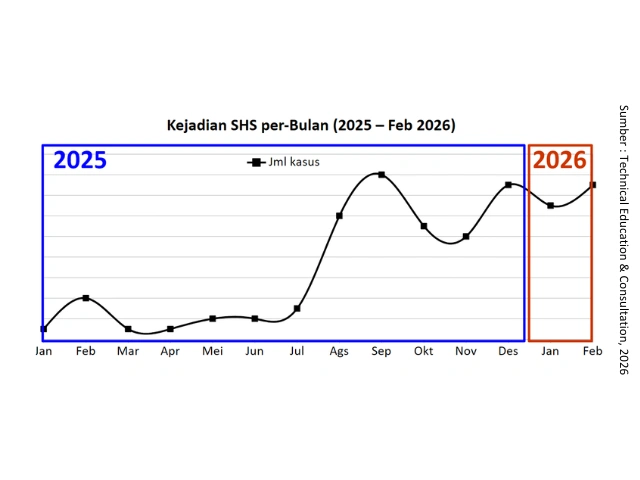
Indonesia's high humidity, particularly during the rainy season, supports the proliferation of infectious agents, including the virus that causes SHS, and accelerates its transmission through the air and in the enclosure. High rainfall causes damp and wet enclosures, increasing pathogen concentrations and worsening ventilation, particularly in farms that still use open-house systems. Furthermore, daily temperature fluctuations between day and night can stress chickens and reduce their immune system (immunosuppression), a key factor contributing to SHS. Consistent with these factors, the risk of SHS increases, particularly during the rainy season, as shown in graph 1.4.
2. Difficulty in Early Detection and High Risk of Secondary Infection
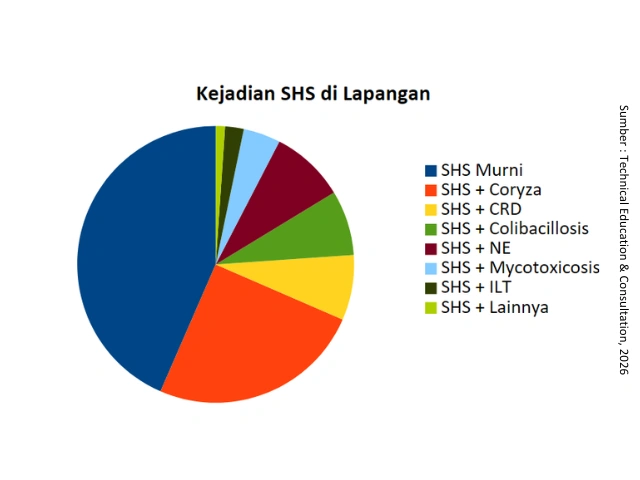
Swollen Head Syndrome (SHS) infection is often difficult to detect in the early stages because its symptoms mimic those of other respiratory diseases. Laboratory detection methods such as PCR are most effective in the early stages of infection when the virus is still actively replicating. After this stage, viral shedding decreases, making PCR detection difficult (Wang et al., 2022). However, in this situation, diagnosis can be aided by serological testing to detect antibodies as an indicator of previous infection (especially in unvaccinated chickens) by comparing them with a seropositivity standard using an ELISA test. Furthermore, damage to the respiratory tract caused by aMPV opens the door to the entry of other pathogens, causing secondary infections and worsening the disease. This mixed infection increases case complexity and reduces treatment effectiveness, making it a major obstacle to SHS control. Based on data compiled by Medion (Chart 1.5), the following diseases frequently co-occur with SHS on farms.
3. Suboptimal Maintenance and Biosecurity Management
This factor is one of the main challenges in controlling SHS in Indonesia. Poor ventilation results in suboptimal air circulation within the coop, high ammonia accumulation, and increased humidity. This condition is exacerbated by high chicken density, which not only increases stress on the flock but also accelerates the transmission of disease agents through direct contact and airborne (respiratory) transmission. Furthermore, inconsistent sanitation, disinfection, and coop rest practices allow infectious agents to persist in the environment for extended periods. This combination of factors creates an environment highly conducive to the spread of diseases, including SHS, making control efforts more challenging and requiring a more rigorous and integrated management approach.
Strategic Efforts in Controlling Swollen Head Syndrome (SHS) in the Field
Controlling Swollen Head Syndrome (SHS) requires an integrated approach because the disease is multifactorial and heavily influenced by interactions between infectious agents, the environment, and husbandry management. Therefore, control strategies cannot be implemented in isolation but must encompass the following key aspects.
1. Implementation biosecurity and strict maintenance management
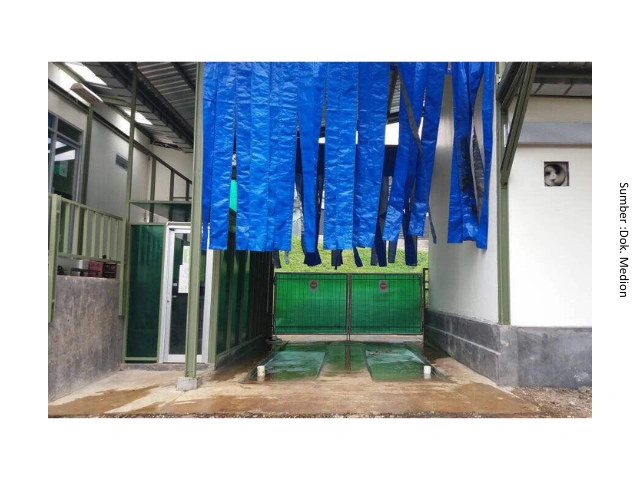
This is the most fundamental step. Farms need to limit the movement of personnel, vehicles, and equipment into the pen area, as demonstrated by the widely implemented three-zone biosecurity system, along with consistent disinfection using the appropriate disinfectant. Pens and equipment should be sanitized regularly by cleaning, washing, and spraying with disinfectants such as: Neo Antisep or MedisepWhen a disease outbreak occurs, spraying can be done daily to suppress the spread of infectious agents. Furthermore, drinking water hygiene must be maintained by adding antiseptics such as Desinsep or Neo Antisep, thereby reducing the risk of disease transmission through mucus contaminated with infectious agents. Equally important is preventing the entry of wild birds, which play a significant role in the spread of the SHS virus. Install netting or fine wire (bird netting) on ventilation and regularly check and repair any gaps in the cage to prevent wild birds from entering. Good ventilation must also be ensured to ensure smooth air circulation and control ammonia levels in the cage. Chicken density management is also important to reduce stress and contact between individuals. A minimum of 14 days of cage rest should also be optimally maintained, and empty cages should be disinfected with Sporades or Formades to break the cycle of disease in the previous period.
2. Proper vaccination management
In controlling diseases caused by viruses such as Swollen Head Syndrome (SHS), one effort that can be done is prevention through vaccination. This vaccination aims to stimulate the development of specific immunity in chickens, so that when an infection enters, the chicken's body already has a defense. Medion continues to innovate to meet the needs and commitment to customer satisfaction. One of its developments is producing a vaccine specifically to protect poultry from Swollen Head Syndrome (SHS) infection, namely the Medivac SHS vaccine, a freeze-dried active vaccine containing the Turkey Rhinotracheitis virus (Avian Metapneumovirus subtype B) strain M01.
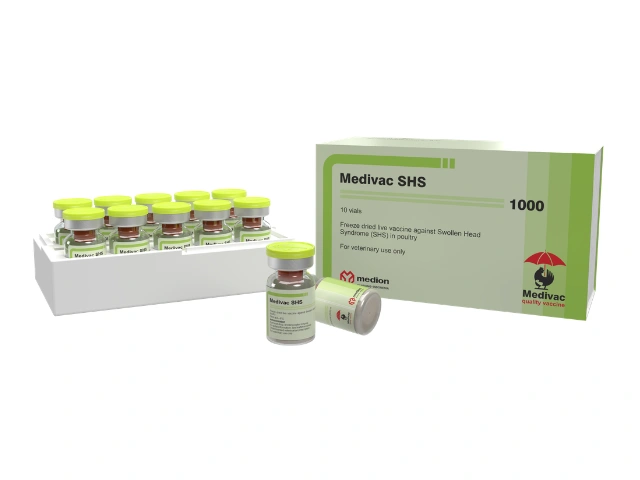
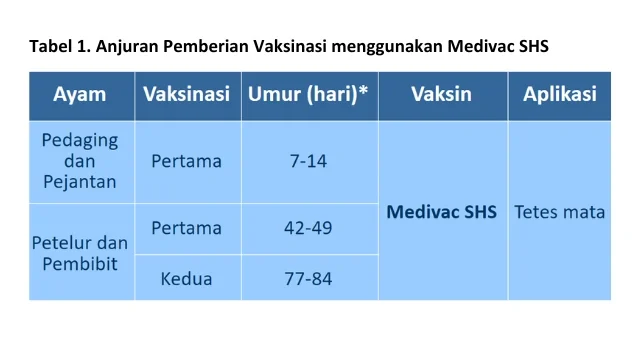
To ensure successful vaccination, it's crucial to pay attention to vaccine quality and accurate scheduling. Recommended vaccination programs using Medivac SHS are listed in Table 1 below. Furthermore, proper vaccination technique and application, as well as the condition of the birds at the time of vaccination, are also crucial for successful vaccination.
3. Control secondary infections and optimize chicken conditions
This also requires attention, as SHS is often accompanied by bacterial infections such as E. coli. Appropriate and judicious use of antibiotics, based on sensitivity testing, can help reduce the impact of the disease. Furthermore, maintaining optimal chicken condition is crucial to boosting the body's resistance to disease. This can be achieved by providing high-quality, balanced feed and vitamin supplements or immunostimulants such as Fortevit/Vita Stress/Imustim. Minimizing stress factors also plays a major role in maintaining a chicken's immune system.
4. Improvement of monitoring and early detection systems
Routine health monitoring by regularly recording production performance and clinical symptoms can provide early indicators of health problems in the flock. If necessary, laboratory tests, such as serology using an ELISA test, can be performed.
Overall, SHS control requires a combination of sound biosecurity practices, optimal husbandry management, an appropriate vaccination program, and ongoing monitoring. This integrated approach is key to minimizing economic losses from the disease in the Indonesian poultry industry.