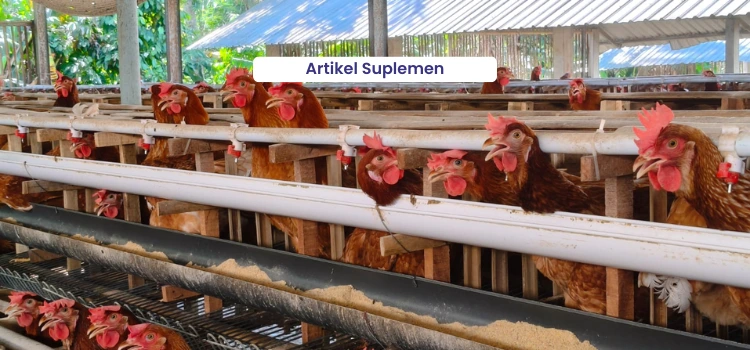
Have you ever wondered why poultry performance often declines despite optimal feed intake? This could be due to Indonesia's tropical climate, with daily temperatures often exceeding 35°C and humidity reaching 70-80%. These conditions are far from the poultry comfort zone, which is 25-28°C with 60-70% humidity. When environmental temperatures and humidity are too high, birds experience heat stress. If this condition persists, it not only disrupts comfort but also becomes a major factor in reducing livestock productivity.
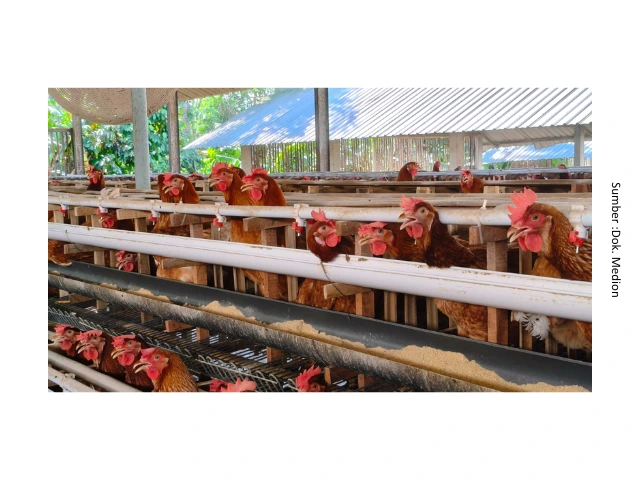
Chicken Body Reaction to High Temperatures
Heat stress is caused by an imbalance between the heat produced by the body and the heat received from the environment. This occurs because poultry lack sweat glands to release heat. Heat loss from the body occurs through evaporation, radiation, convection, and conduction (Saeed et al., 2019) through the following mechanisms:
- Evaporation is the release of heat through the evaporation process that occurs when the chicken is panting (gasping for breath).
- Radiation is the process of releasing heat through the transfer of heat from the surface of the chicken's body to a cooler surface without any intermediary medium, this condition can be seen when the chicken spreads its wings.
- Convection is the removal of heat through fluid flow, which is when the surrounding wind carries the body heat produced by the chicken out of the coop.
- Conduction is the transfer of heat through direct contact with a solid object, such as when resting the body on the floor of the cage or the side of the drinking bowl.
Heat stress in livestock can be divided into two forms based on the duration of exposure to environmental temperatures: acute and chronic. Acute heat stress occurs when environmental temperatures rise suddenly or drastically, while chronic heat stress results from a gradual increase in temperature over a long period of time. This condition has various physiological impacts on livestock, including:
1. Decrease in Feed Consumption
The process of metabolizing feed produces body heat, known as heat increment (HI). When experiencing heat stress, chickens tend to reduce feed consumption to suppress body heat production. However, this results in inadequate nutritional intake. As a result, digestion and metabolism are disrupted, ultimately reducing egg production and causing weight loss.
2. Imbalance of body electrolytes
Heat stress can cause chickens to pant or hyperventilate, resulting in excessive CO₂ loss. Decreased blood CO₂ levels increase blood pH (respiratory alkalosis). This condition decreases the activity of the enzyme carbonic anhydrase, inhibiting the transfer of calcium and carbonate ions to the reproductive organs. Consequently, eggshell quality declines and becomes thinner.
3. Drinking water consumption increases
Chickens experiencing heat stress tend to increase water consumption to help balance their body temperature. However, an imbalance in body fluids can disrupt digestive tract function, resulting in suboptimal nutrient absorption. Some nutrients are lost in the feces, resulting in more liquid feces (wet dropping). This feces is utilized by environmental bacteria to produce ammonia, increasing the ammonia odor in the coop. Long-term, high ammonia exposure can trigger health problems, particularly respiratory diseases in chickens.
4. Decreased immunity
Heat stress stimulates the adrenal glands to increase the production of adrenocorticotropic hormone (ACTH). This increase in hormone levels can suppress immune system function, reducing livestock's resistance and making them more susceptible to various diseases.
Nutritional Needs of Livestock in Normal and High Temperature Conditions
The difference in environmental conditions between normal and high temperatures directly impacts livestock's nutritional needs. At high temperatures, livestock experience physiological changes that affect feed consumption, metabolic processes, and nutrient utilization efficiency. Therefore, adjustments in ration formulation are necessary to ensure optimal nutritional requirements are met.
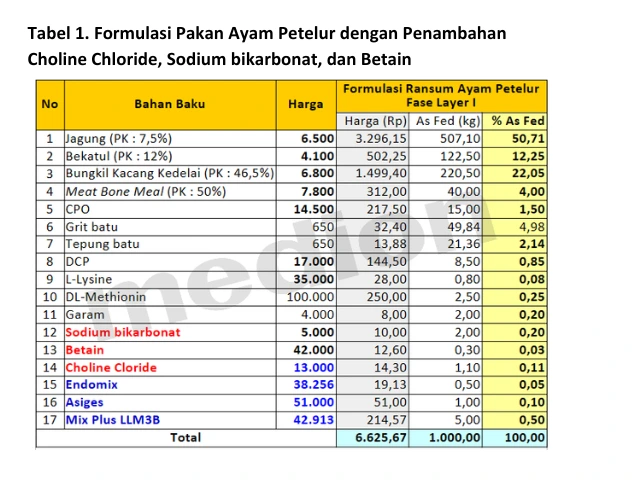
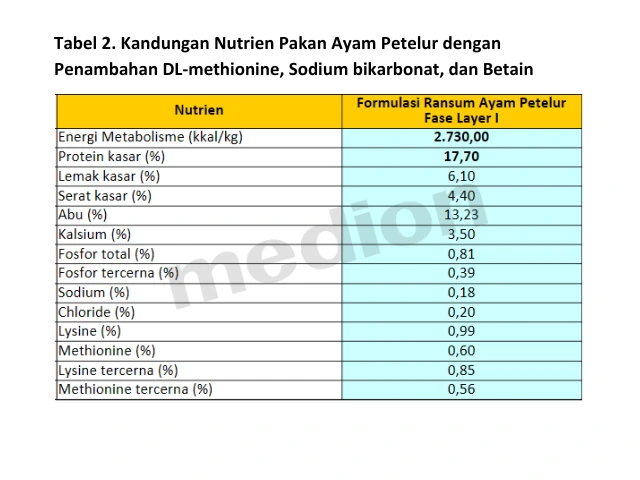
Farmers can add other energy sources, such as oil or feed additives like sodium bicarbonate (NaHCO₃), betaine, choline chloride, and L-carnitine. These ingredients provide energy in the form of adenosine triphosphate (ATP) with lower heat production, thus helping livestock cope with the effects of heat stress. The role and uses of each of these ingredients are as follows:
1. Crude Palm Oil (CPO)
Crude Palm Oil (CPO) is a potential energy source for use in chicken rations. CPO has a high energy content of around 7,000–9,000 kcal/kg, so adding even small amounts can significantly increase the energy content of the feed. In addition to being an energy source, CPO also contains bioactive compounds such as beta-carotene and vitamin E, which act as antioxidants, helping to reduce oxidative stress, which generally increases in high ambient temperatures. The recommended amount of CPO in rations is generally 1–4% (Medion, 2021). Supplementing fats and oils in feed can improve feed palatability, thus maintaining feed consumption even in high ambient temperatures. Furthermore, increased energy intake from fat contributes to increased livestock productivity. Improved growth performance under these conditions is related to the efficiency of fat metabolism. Fat produces lower metabolic heat (heat increment) than protein and carbohydrates. Therefore, the use of fat in rations can help reduce the body's heat load. In other words, fat metabolism is more efficient in providing energy with minimal heat production. Therefore, the strategy of adding fat and oil to the ration, including CPO, is recommended to increase metabolic energy intake while suppressing body heat production.
2. NaHCO₃ (sodium bikarbonat)
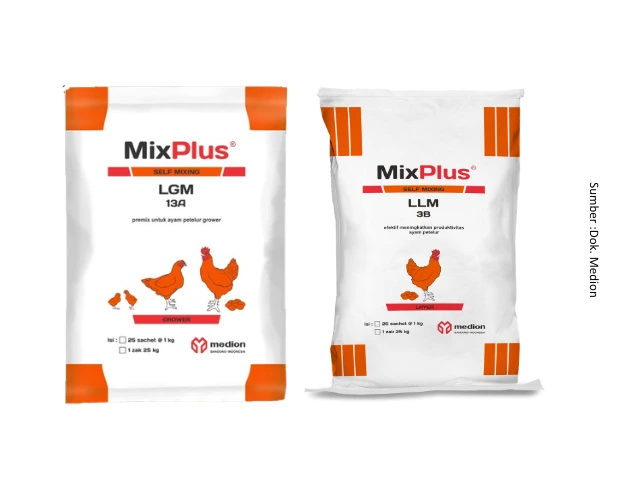
Under heat stress, chickens often experience panting, which causes increased CO₂ excretion. This can disrupt the balance of the bicarbonate buffer system in the blood. Providing sodium bicarbonate helps provide sodium and bicarbonate ions to maintain electrolyte balance. Supplementing sodium bicarbonate up to approximately 1% of the ration can improve nutrient digestibility in laying hens during the hot season (Medion, 2023). In addition to direct supplementation with sodium bicarbonate, several Medion premix products already contain sodium bicarbonate, making them more practical. Medion premix products that contain sodium bicarbonate include layer premixes (Mix Plus LGM13A and Mix Plus LLM3B).
3. Betaine
Betaine, or trimethylglicine, is a feed additive with two main functions: osmoregulation and methyl group donor. These two functions play a crucial role, especially when livestock are under heat stress due to temperature changes. Betaine supplementation can minimize the effects of heat stress by increasing antioxidant capacity. Furthermore, betaine is considered the most effective osmoprotectant, helping maintain and restore cell integrity and function. Betaine also plays a role in energy metabolism and reduces the energy requirements for osmoregulation. Under stress, Reactive Oxygen Species (ROS) levels increase. As a result, oxidative stress occurs, and livestock produce Heat Shock Proteins (HSPs), which impact meat quality and fat deposits. Betaine supplementation can minimize the effects of heat stress by increasing antioxidant capacity. Betaine supplementation in chicken rations can be done at a rate of 1 kg per ton of feed (Poultry World, 2021).
4. Chlorine Chloride
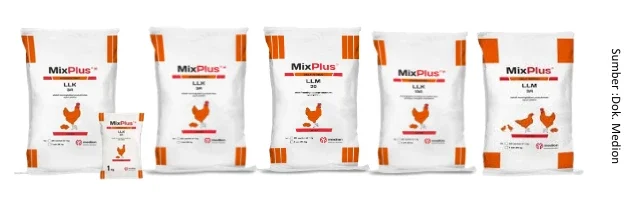
The addition of choline chloride to rations also aims to minimize heat stress in livestock. If conditions in the field have the potential for heat stress, choline chloride should be added separately to the ration formulation at 0.1% (1 kg/ton of ration). Organic osmolytes such as choline can be used as an alternative electrolyte replacement. Choline supplementation in rations can increase osmotic pressure and reduce excreta moisture in chickens experiencing heat stress (Kpodo et al., 2020). Choline chloride supplementation can be added to premixes. Medion premix products such as Mix Plus LLM3A, Mix Plus LLM3B, Mix Plus LLK3A, Mix Plus LLK3B, and Mix Plus LLK13A are enriched with choline chloride to help meet livestock needs.
5. L-carnitine
L-carnitine is an effective supplement in reducing the impact of heat stress in poultry. This compound works by increasing energy metabolism, strengthening the antioxidant system, and helping reduce fat accumulation, particularly abdominal fat. L-carnitine plays a crucial role in transporting long-chain fatty acids into the mitochondria for beta-oxidation, producing ATP as an energy source to repair damage caused by heat stress. Combining L-carnitine with antioxidants such as vitamin C or E can further increase metabolic efficiency and help lower stress hormone levels (corticosterone). Generally, the addition of L-carnitine to feed ranges from 100–300 mg per kg of feed (Ahmadipour et al., 2025).
Protein Requirements in High Temperature Conditions
Research by Cheng et al. (1997) reported that providing low-protein feed can help mitigate the negative impacts of high ambient temperatures. This is due to the protein metabolism process producing greater heat (heat increment), which can reduce protein synthesis. To address this, a strategy that can be implemented is balanced supplementation of essential amino acids. This approach aims to continue to meet amino acid requirements without excessively increasing body heat production, thereby minimizing the negative effects of high temperatures. Some nutritionists recommend increasing the amino acid content in the ration as a percentage of the feed until the ambient temperature reaches 30°C. However, at temperatures above this limit, further increases are not recommended because they can actually suppress growth performance. Therefore, under conditions of heat stress, breeders are advised to reduce the crude protein content (% CP) in the ration, while maintaining the balance and adequacy of essential amino acids.
Two amino acids that can help reduce the effects of heat stress are methionine and tryptophan. Methionine, a sulfur-containing amino acid, plays a crucial role in heat stress conditions because it functions as an antioxidant through its ability to donate methyl groups (Kar et al., 2025). Meanwhile, tryptophan is also an important feed additive due to its antioxidant properties. Tryptophan metabolism contributes to protecting the body from oxidative stress and maintaining balanced intestinal function. This mechanism occurs through modulation of the immune response, specifically through the aryl hydrocarbon receptor (AhR) pathway. Research by Ouyang et al., (2022) showed that tryptophan supplementation in rations can reduce oxidative stress and mitochondrial dysfunction, thereby mitigating the impact of heat stress.
Therefore, by considering changes in nutritional needs due to rising environmental temperatures, farmers need to adjust rations and implement appropriate husbandry management. These efforts are crucial for maintaining nutritional balance, supporting the physiological condition of livestock, and ensuring optimal performance and production even in high temperatures. We hope this is helpful.