Mr. Anto – East Java
The weather has been unpredictable lately, sometimes scorching hot during the day, then suddenly pouring rain in the afternoon. As a result, egg production on our farm has decreased, many eggshells are thin, and chickens are starting to show respiratory problems. What's the best way to deal with these extreme weather changes to maintain stable egg production?
Answer :
Strong winds, sudden and short-lived rain, hot air, and erratic wind direction are all signs of the arrival of the transitional season. The obvious changes that occur during the transitional season are drastic weather changes, high relative humidity, sharp fluctuations in temperature and humidity, and a marked difference between day and night. Extreme weather leading up to this transition can trigger a domino effect on the productivity of laying hens. It's no surprise that chickens in coops often pant during the day but tend to huddle together at night due to the cold temperatures. This high sensitivity can negatively impact chickens, making them easily stressed. This stress can be the starting point for problems in poultry farming.
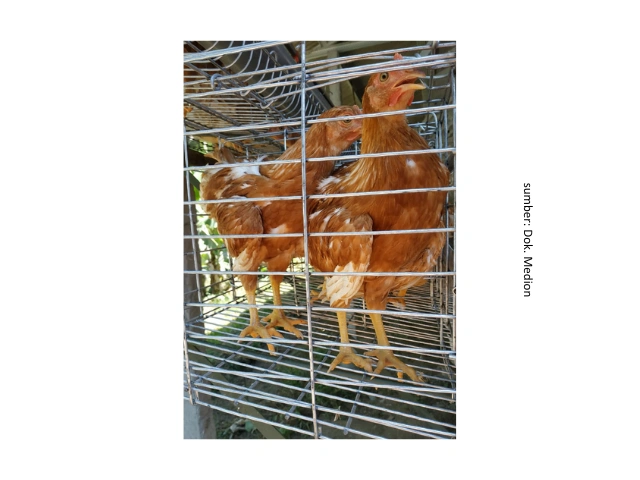
The Impact of Extreme Weather Changes or Transitional Seasons on Egg-Laying Hen Farming
1. Physiological impact
Stress is a condition of immunosuppression, which can negatively impact a bird's defense system. Stress caused by extreme temperatures triggers the adrenal glands to release the hormone cortisol. This hormone is immunosuppressive, meaning it suppresses white blood cell activity, making chickens susceptible to infection. When hot, chickens pant or gasp for air. This causes excessive carbon dioxide (CO₂) to be released from the lungs. As a result, the blood pH becomes more alkaline, significantly disrupting calcium metabolism, which is essential for egg production. In an effort to cool their body temperature, chickens will drastically increase their water consumption. This dilutes digestive enzymes in the intestines, preventing proper feed absorption, leading to digestive problems.
2. Impact on egg production and quality
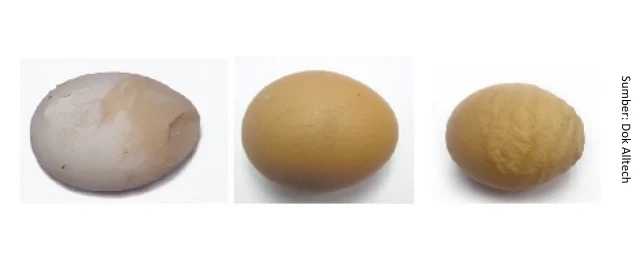
In laying hens, heat stress can lead to decreased egg quantity and quality, such as decreased egg weight and size, and decreased shell quality. The resulting chronic stress causes the ovaries to stop regularly releasing yolk (ovulation), resulting in a drastic decrease in daily production by 10-20%. Laying hens experiencing heat stress often lay eggs with thinner shells due to acid-base disturbances in the blood caused by hyperventilation. When hens hyperventilate, there is excessive loss of CO₂ from their lungs and blood. Lower CO₂ levels in the blood cause the blood pH to rise, or become more alkaline. This condition is called respiratory alkalosis. Higher blood pH reduces the activity of the enzyme carbonic anhydrase, resulting in reduced calcium and carbonate ions being transferred from the blood to the reproductive organs. As a result of respiratory alkalosis, the availability of carbonate ions to form calcium carbonate (CaCO₃) in the shell is reduced.
As a result, eggs are often found cracked, soft, or even without shells. Decreased appetite due to heat stress can also reduce amino acid intake (especially methionine), which directly impacts the size of the eggs produced.
3. Impact on the environment
Relatively heavy rain can increase humidity in the coop, making the litter even wetter and exacerbating ammonia levels. If chicken manure is wet (due to excessive drinking or rain splash), decomposing bacteria will work faster to release ammonia gas (NH₃). High ammonia levels can disrupt the chicken's respiratory system and facilitate the entry of pathogens that cause respiratory diseases. Ammonia-induced respiratory tract damage provides a gateway for the bacteria Avibacterium paragallinarum, which causes coryza, or Mycoplasma, which causes CRD.
The impact of seasonal changes also impacts feed quality. Drastic changes in temperature and humidity often lead to the destruction of feed nutrients during storage. The quality of raw feed ingredients declines due to increased susceptibility to mold and mycotoxin growth. Seasonal changes also impact drinking water quality. During the transition from the rainy season to the dry season, water flow decreases, leading to higher concentrations of E. coli bacteria. Poor drinking water quality, particularly high microbiological content, can become a medium for the development and transmission of diseases (e.g., colibacillosis).
Facing the current weather challenges, proper management needs to be carried out starting from cage preparation, air management, regulation of drinking water and feed systems, lighting arrangements, ammonia level control, cages, density levels, chicken uniformity, biosecurity to the right OVK program.
- Avoid and minimize stress-inducing factors such as moving cages, vaccinations, or uncomfortable cage environments. If these actions must be taken, they should be done carefully to minimize stress.
- Maintain good air circulation in the coop and clean dust around the coop, as it could potentially be contaminated with pathogenic bacteria. Ensure good air circulation, easy air exchange, and a comfortable environment for the chickens. Adjust the ventilation system promptly to avoid prolonged disruption to the chickens' comfort. Extreme heat can be managed with effective mechanical and evaporative cooling systems. If you experience extreme cold, ensure an effective heating system with uniform heat distribution.
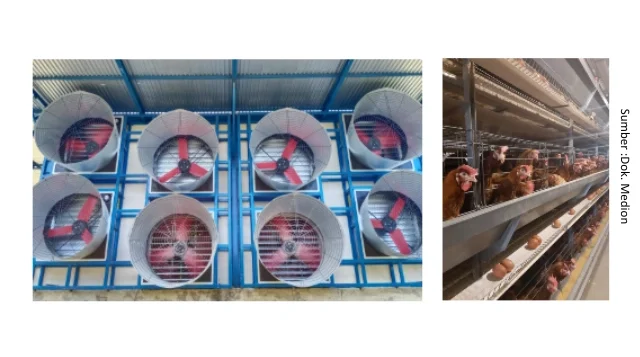
- For open-air cages, adequate ventilation is recommended, ensuring proper air circulation. The cage should be constructed in an east-west direction, and roofing materials designed to reduce heat are selected. If necessary, use a monitored roof system. A slatted cage with a height of 1.5-2 meters will help improve air circulation. Adding a blower or fan further improves air quality inside the cage, but ensure the wind speed is no higher than 2.5 meters per second. Furthermore, the wind direction should be consistent.
- Improvements in livestock management include adjusting livestock density, managing litter to prevent wetness and dampness, ensuring adequate nutrition in feed, and controlling ammonia levels. Ammotrol, containing yucca extract, is often used to control ammonia levels and odors in livestock areas, as high ammonia levels can trigger respiratory illnesses in livestock.
- The use of multivitamins and electrolytes such as Vita Stress and antioxidant-rich products like Vitesel-C, which contain a combination of vitamins E, C, and selenium, work together to protect cells from oxidative stress that can occur due to extreme weather changes. Electrolytes can also act as a body-balancing solution to prevent dehydration and maintain fluid balance in chickens when the coop temperature is high. Fever-reducing medication (Paramed C) can also be administered to lower the chicken's body temperature during acute heat stress.
- Vitamin supplements containing multivitamins and amino acids to increase or maintain egg productivity in laying hens when the weather is less than favorable can be used. ANDgg Stimulant or herbs such as Eggstima.
- Don't feed during the day or during hot weather. Shift the feeding schedule to cooler times (early morning and late afternoon/evening) to avoid double the heat generated by the chickens' metabolism during the day.
- Provide good quality, cold water. The ideal drinking water temperature is 20-24°C. Cold water can help chickens stabilize their body temperature when the ambient temperature is high. When temperatures rise, chickens' appetites increase dramatically, even reaching 32°C (92°F) can increase water consumption by 50%. Also, regulate the distribution of drinking water stations and regularly monitor water availability. If necessary, increase the number of stations to ensure access is not difficult for chickens.
- Also, ensure that nutritional requirements are met daily during the rearing period, both in quality and quantity. These nutritional requirements are adjusted to each growth phase. If you change the feed composition, do so gradually to avoid stress. Also, provide multivitamin supplements and premixes to optimize productivity and boost the chickens' immune systems.
- Disinfection and sanitation of pens and equipment are essential to prevent disease from entering and spreading to the livestock environment. Disinfect pens regularly, at least once a week. During the dry season, rainy season, or transitional seasons, disinfect equipment (feeding containers, drinking troughs, etc.) using Medisep. Also, disinfect pens and the environment with Medisep or Neo Antisep every day to reduce germs in the environment. Desinsep for drinking water disinfection as an anticipation of disease transmission via drinking water.
- Humid conditions allow fly larvae to develop easily. It's no surprise that flies are vectors that play a role in transmitting disease. Insecticides such as Flytox, and Delatrin can be used to help eradicate flies, mosquitoes, and other insects. Additionally, there are other products that can be used as alternatives to eradicate fly larvae, such as Larvastop.
- Mold in feed produces toxins that damage the liver and permanently reduce egg production. Store feed on wooden pallets to prevent moisture, and ensure feeders are regularly cleaned of clumped old feed. To combat mold toxins, add Freetox Meanwhile, to prevent fungal growth, you can add Fungitox.