
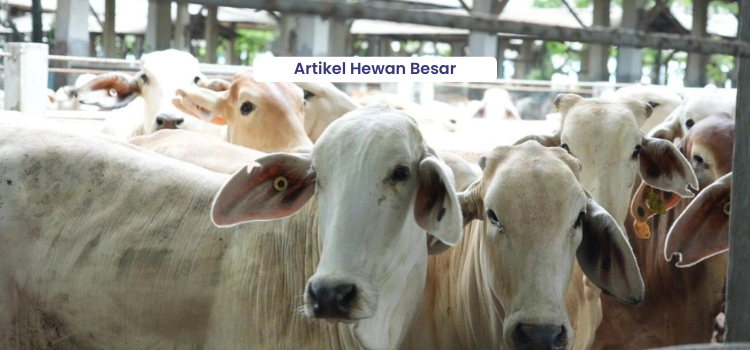
The goal of fattening feeder cattle is to optimally increase the productivity of beef cattle in a relatively short time. Developing cattle farming, particularly feeder cattle, is crucial to meeting the growing demand for beef. Demand for beef continues to increase in line with population growth and public awareness of nutritional needs.
The success of a cattle fattening business is greatly influenced by effective and efficient cattle management. Good cattle management encompasses various aspects, from managing the arrival of feeder cattle, feeding, barn sanitation, health management, and monitoring weight gain. An analysis of applied cattle management practices can provide insights into effective solutions to problems in cattle fattening.
Proper management of incoming feeder cattle requires standard procedures for selection, quarantine, and adaptation. This includes a gradual feed adjustment program and intensive health monitoring during the adaptation period. In terms of feed management, intensive systems have proven effective in increasing cattle weight gain. Proper feed management, including providing forage and concentrates of the appropriate quality to the livestock's needs, can optimize cattle growth. Implementing a regular and systematic pen sanitation program to maintain a comprehensive clean environment can minimize the risk of disease transmission and optimize livestock comfort.
The critical period in cattle fattening is crucial for determining the success of the business. During this period, cattle are highly susceptible to stress, disease, and decreased appetite, which directly impact average daily weight gain (ADG). This phase requires intensive attention to minimize the risk of mortality and maximize daily weight gain. The critical or crucial period for raising calves is the initial arrival of calves. The following points should be considered or addressed during this period:
Adaptation Time (Early Arrival)
During this period, cattle experience stress due to travel, environmental changes, and changes in feed. This typically occurs in the first 1–2 weeks after arrival at the farm. This increases the risk of cows refusing to eat, experiencing diarrhea, stress, and susceptibility to disease, especially respiratory illnesses. Treatment includes administering stress-relieving supplements such as vitamins and electrolytes, as well as intensive monitoring of the cows' behavior, especially during adaptation to drinking and eating. Transolite administration can help reduce and accelerate recovery from stress, address fluid (electrolyte) deficiencies, and increase endurance. Transolite is also beneficial for increasing energy intake.
Feed Transition Period
Fattening cattle require high levels of nutrition, especially concentrates, to achieve maximum growth. During this crucial period, drastic changes in feed can cause digestive disorders. This can increase the risk of acidosis, bloat, and ketosis. The necessary treatment involves gradually adapting the feed by slowly increasing the portion of concentrate over the first 2-3 weeks.
Environment and Cage Management
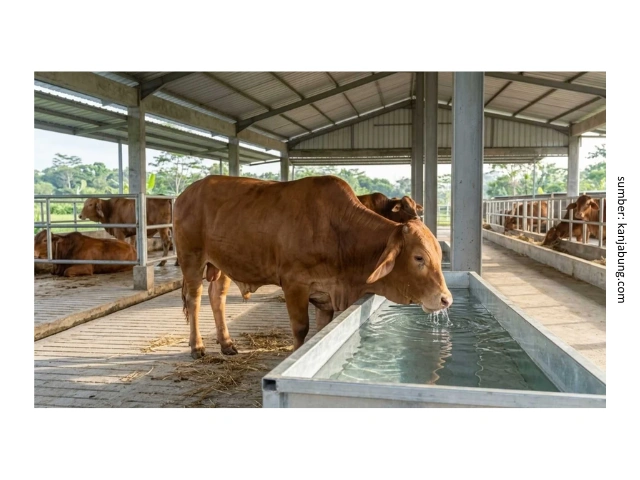
High temperatures and humidity (tropical climates) can reduce cattle performance. The risk is heat stress, which makes cattle reluctant to eat and reduces ADG. Necessary management includes ensuring good barn ventilation, providing sufficient drinking water ad libitum (unlimited), and maintaining barn cleanliness to minimize ammonia. Clean, odorless, and readily available drinking water is a basic necessity that should not be overlooked in cattle fattening. In conditions of heat stress, the availability of drinking water alone is insufficient. Transolit supplements can also be added, but ensure the cattle's basic drinking water needs are met first.
Health and Environmental Management
Maintaining a clean pen is crucial for ensuring a healthy environment. Regular pen cleaning procedures are essential for maintaining livestock health, ensuring the comfort of pen staff, and reducing the risk of contamination of manure or waste with feed and animal products. In fattening feeder cattle, optimal pen sanitation management will support better growth, reduce the risk of disease, and ultimately increase production efficiency and profitability.
Newly arrived livestock should be quarantined before being introduced to the rearing pen. Routinely disinfect cattle upon arrival and throughout the quarantine period, using, for example, Medisep or Neo Antisep. Similarly, sick livestock should be separated from healthy livestock. Implement a good health program, including vitamin administration (ADE Plex Inj) and anthelmintic (Wormzol Suspension or Wormectin Liquid) and the implementation of vaccination programs. In addition to prevention programs, livestock health monitoring is also crucial. Observe livestock behavior and symptoms and conduct daily observations for early detection of disease. Health monitoring can be done through direct observation of livestock, routine physical examinations, and recording livestock health. This includes recording vaccination history, treatment, disease occurrences, and health programs that have been implemented. Direct observation is carried out by paying attention to livestock behavior, appetite, feces, urine, and other physical signs. Changes in behavior such as decreased appetite, lethargy, or abnormalities in feces can be early indicators of health problems in livestock.
Fattening Period
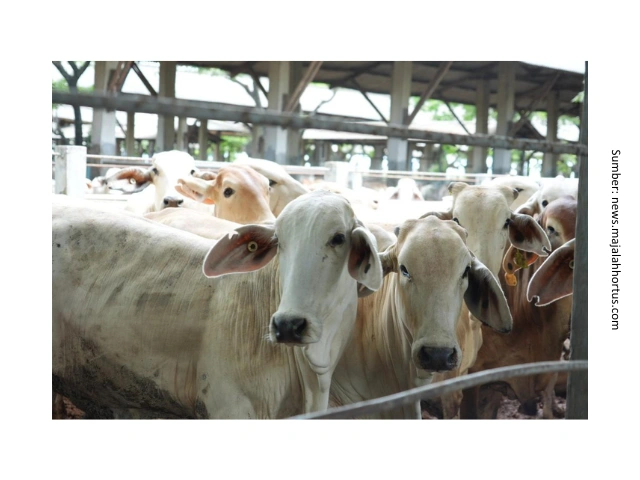
Even though cattle have adapted, careful attention is required during the fattening period. This is to minimize the risk of decreased growth rate (reduced compensatory growth) and increased feed cost/gain (feed cost per weight gain). The necessary management measures include weight monitoring during critical periods.
Successful fattening depends on early management upon arrival (the first 1-2 weeks) and stable feed management to avoid acidosis and stress. Successful rearing is determined by proper management at these critical points through quality feed management and maintaining a healthy and comfortable environment.