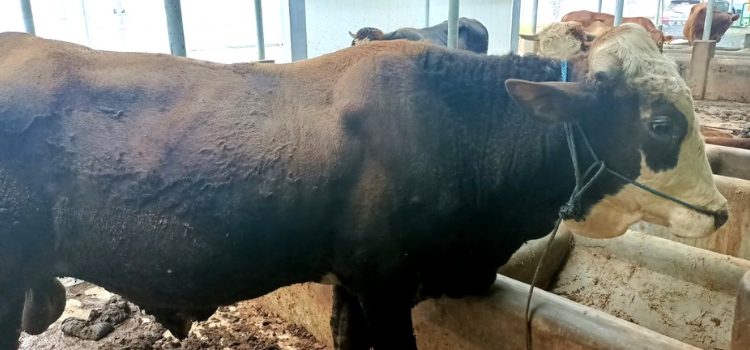
In the maintenance of livestock, it is possible that health problems occur during maintenance. Some health problems that are often encountered are digestive disorders such as cattle do not want to eat, bloating, diarrhea and injury to the body.
As a farmer, of course, you have to be alert to the condition of the livestock and want to immediately take action if you find your livestock sick. The goal is that it will be resolved soon and the livestock will be healthy again. So it is necessary to do first aid before calling animal health workers.
To be able to deal with sick livestock and provide quick and effective initial assistance, of course, some veterinary drugs must be available. And equipped with equipment such as bandages, scissors, sterile gauze, wound washers, cotton, tweezers and sterile gloves.
Things to note
In dealing with livestock, of course, knowledge and experience in first aid measures are very important. Examples of some things that need to be ascertained first before handling include:
- Checking the condition of livestock from the head, body to the anus and leg area. It is important to know which parts are experiencing abnormal conditions and the direction of the disease.
- Look for the causative factors of the disease. For example diarrhea, diarrhea can be caused by infectious factors or non-infectious factors. Cows that have diarrhea because it is not a disease usually with diarrhea symptoms are not accompanied by mucus, blood, worms, or other abnormalities. For example, from feed factors, so the history of feeding also needs to be traced.
- More observant observation. For example, on the wound, how big or deep the wound is. This will certainly affect the handling done.
First aid for cattle
For example, here are some initial aids that can be done on livestock. Especially in digestive disorders and injuries.
- First separate the sick cattle.
- Treatment of open wounds begins with stopping the bleeding that occurs by pressing the wound. After the bleeding has stopped, clean the wound area with clean water and proceed with the administration of an antiseptic Antisep. Then spray Oxytic to treat wounds. Oxytic effectively treat external infections on the skin caused by bacteria as well as accelerate wound healing.
- In cattle that have decreased appetite, one of the common diagnoses is the presence of digestive disorders in the form of simple indigestion caused by changes in the quality and quantity of feed suddenly or feed with high fiber, carbohydrate and protein content. Treatment of cases of simple indigestion in cattle is carried out with the aim of restoring the environmental conditions of the rumen back to normal.
The condition of the rumen that has returned to normal is characterized by the presence of rumen motility and a sufficient number of rumen microbes. Some handling that can be done is to provide good quality feed with high palatability and stop feeding silage or high fiber. Supplementation Digesfit to improve and overcome indigestion. To find out the diagnosis or the cause of the disease, it is necessary to call a veterinary worker for a more complete examination. - If the livestock shows symptoms of bloating, it is necessary to immediately treat it with caution. Give bloating medicine Bloatex which serves to remove excess gas. The drug will work by lowering the surface tension so that the gas bubbles will break down into small bubbles so that they can be removed from the digestive tract. If the bloating is not severe, the cattle can also be taken to a large yard to make light movements or walks to stimulate belching. After that, dry feed can be given to stimulate the chewing process that will help reduce bloating.
- Diarrhea in cattle is a digestive disorder that needs quick treatment. In young newborn cattle immediately give colostrum (milk that comes out first from the mother). In livestock that already consume feed, provide quality and balanced feed.
It can also be given antidiarrheal for early help. Animal health workers will provide treatment according to the cause. If it is caused by bacteria such as colibacillosis disease can be given antibiotics (G-Mox LA). If the cause of worms can be given worm medicine (Wormzol-B or Wormzol Suspension) and if diarrhea due to coccidiosis can be given anticoxidia (Toltradex). - In addition to treatment measures need to be supported by adequate environmental conditions. Keeping the cage clean and disinfecting the quarantine cage or cage for treatment every day, is very important to do. For example, using Medisep.
Alertness in early assistance to sick livestock plays an important role in providing assistance as soon as possible before receiving medical care from animal health workers. Equipping the first aid kit with medicines is noteworthy.
This is very important to ensure the livestock will get prompt and effective treatment. Some medicines that need to be available in the first aid kit include:
- AntisepticAntisep) to clean wounds and eradicate disease seeds around livestock.
- External wound medicine (Oxytic) to accelerate wound healing and overcome infections on the skin. The healing of wounds (Dicodine).
- VitaminVita B Plex Bolus Extra Flavor) to improve metabolism and increase the endurance of livestock.
- To increase appetite and improve digestion (Digesfit).
- Drug bloating (Bloatex)
- Anthelmintic (Wormzol-B or Wormzol Suspension) to prevent and treat worms.