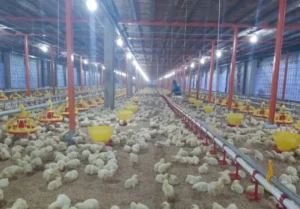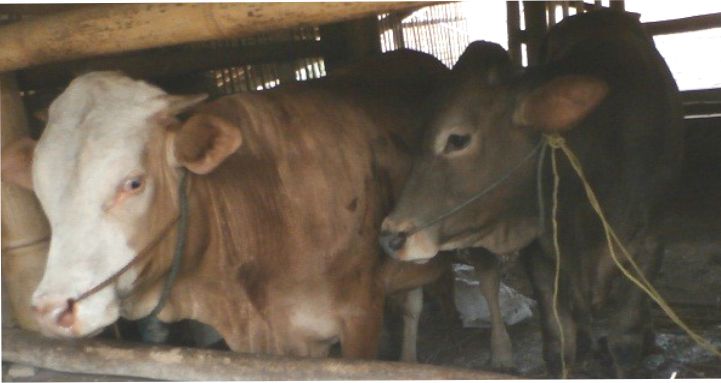
One of the signs of ruminants that are kept in healthy conditions is that the cattle can eat or have a good appetite. When cattle appetite is high, it is expected to produce well such as weight gain, and increased milk production.
In general, the appetite of cattle falls due to the condition of cattle being sick, cattle in a state of stress due to travel fatigue, extreme weather changes, livestock rumen is full, or a decrease in rumen pH.
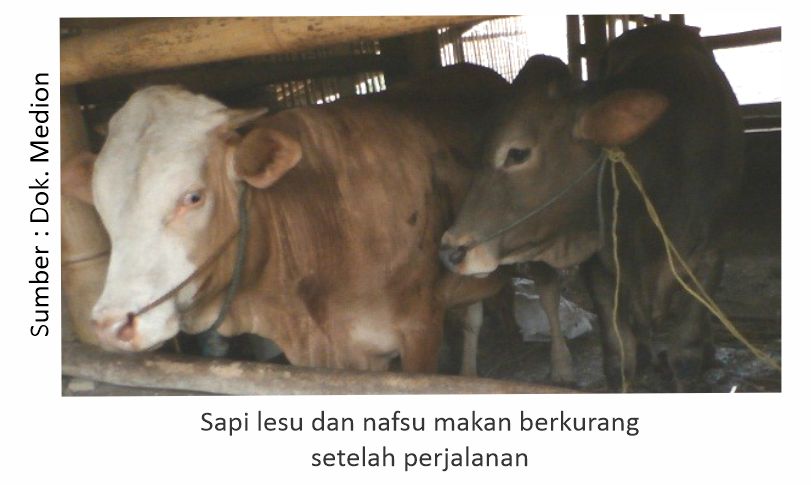
To keep the cattle appetite good and increase, efforts can be made, among others:
Comfortable cages for livestock
One of the conditions that can stress livestock is hot weather. Livestock will give the body's response to hot environmental conditions to adjust body temperature to its environment. The response is done by reducing the amount of eating and increasing the amount of drinking. Livestock needs to be placed in a comfortable cage with attention to the height of the cage, roof and ventilation so that it feels shady and good air circulation.
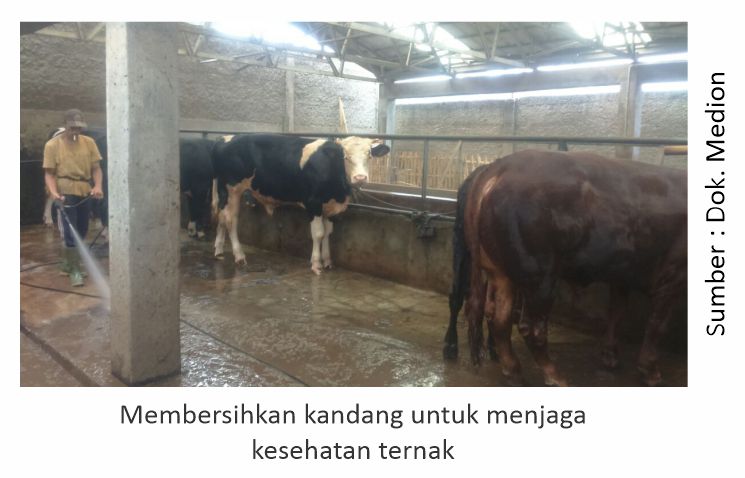
The cleanliness of the cage is also important to note. Livestock manure needs to be cleaned daily. Dirty cages are a source of various diseases and accumulated dirt can increase ammonia levels which can interfere with livestock health. If ammonia is inhaled in an amount that exceeds the limit, it can irritate the respiratory tract. To suppress ammonia levels can be given Ammotrol it is incorporated into the feed.
Quality and consistent feeding
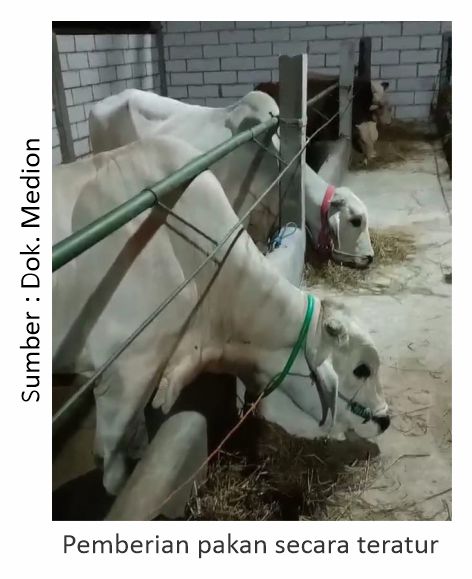
The feeding of livestock is certainly of good quality and is given regularly in both quantity and time. Ruminants need fiber to keep their digestion healthy. However, if only fiber from forage livestock growth is less than optimal so that concentrates with high nutrient content are added so that productivity is better and in a faster time, especially for fattening livestock.
However, if only given concentrate without forage can be at risk of rumen acidosis. So it needs a balanced feed so that optimal productivity and cows remain healthy.
Cattle appetite can be influenced by the time of administration or a change in the type of feed. Feeding needs to be done at the same time and if there will be a change of feed is not done suddenly. In the provision of forage, can be accustomed or tried to be given forage interlude so that if there will be a change in the type of forage, livestock have recognized before. Similarly, for concentrated feed it needs adjustment if there will be changes. Feed changes are made gradually every week or can be faster depending on the condition of the livestock. In the process of changing the feed, it is necessary to observe the appetite and condition of the livestock.
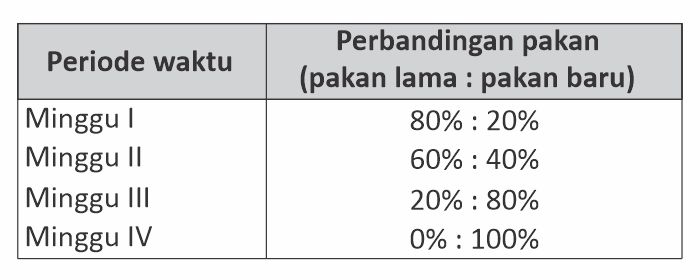
The availability of drinking water is also important to note and can affect the consumption of animal feed. Drinking water should always be availablead libitum), replaced daily and clean.
Keeping livestock healthy
The state of health of livestock greatly affects appetite. Sick cattle will generally decrease appetite, either due to infection of seedlings or diseases that are not infectious or non-infectious.
To keep livestock healthy, the implementation of health maintenance programs must be routinely carried out such as deworming and maintaining the body's immune system by providing supplements and multivitamins. Livestock also need regular observations or health checks to determine the condition of livestock. So that if there are unhealthy livestock can be immediately known and immediately handled.
Administration of vitamins
Cattle experiencing vitamin deficiency may experience a decrease in appetite. This has led to slow growth. An example of vitamins that play an important role in the body's metabolic system is vitamin B complex.
Although in fact vitamin B-complex can be formed (synthesized) in the body of ruminants, but when cattle are under stress, or lack of feed nutrients, the work of bacteria in the stomach in synthesizing vitamin B-complex will decrease.
It requires additional B-complex vitamins. Vitamin B-complex acts as a cofactor of metabolic enzymes so that the absorption and utilization of nutrients in the body of livestock will increase. The livestock will appear hunger and increased appetite. For example, with Vita B Plex Bolus Extra Flavour.