One of the popular pets in Indonesia is birds. Raising birds is one of the hobbies that many people are interested in. There are many reasons that hobbyists have, ranging from their melodious and unique voice, the attraction of the beauty of fur, agility/ behavior to maintenance that does not require a large space or can even be placed anywhere. There are many advantages that hobbyists feel when raising chirping birds, such as:
- Eliminates saturation, relaxes and relieves stress
Hearing birds chirping feels very natural and can provide a sense of calm or relaxation that can reduce stress levels and saturation due to the density of activities/ daily routines.
- Maintain eye and motor health
Unconsciously, hobbyists do eye exercises when they see and follow the movements of birds. During the process of feeding the bird, the fingers and body of the hobbyist are also trained to move so that they are not stiff.
- Economic value
At first, raising birds just to enjoy the chirping alone but over time can also bring a fortune for the hobbyist. For example, from the chirping that is getting better and becoming the champion of the contest will be worth more expensive, even more so if the bird lays eggs and then becomes a puppy.
Types of birds chirping
There are many types of birds that are interested in chirping hobbyists or bird lovers. This type of bird chirping is in demand and is often used in various contests or bird competitions, such as Magpie, Canary, Kacer, Red anise, Cucak Rowo, Love Bird, Pleci and Starling Suren.
- Kacer Bird
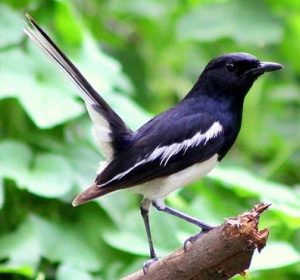
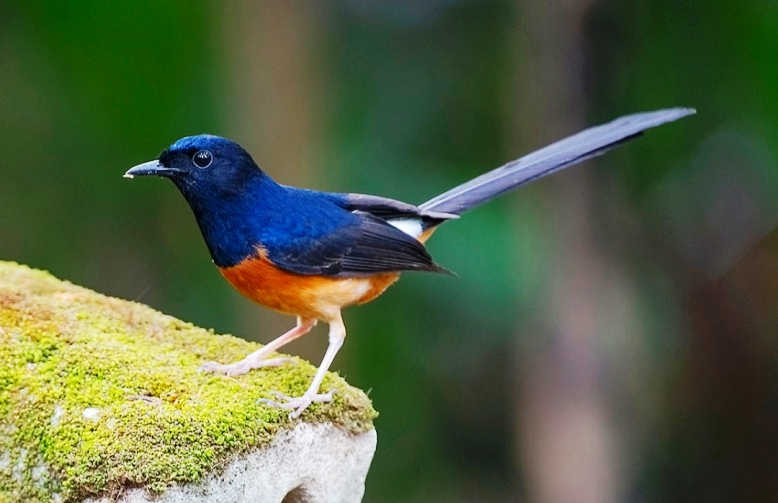
Kacer birds have dense black/ bluish feathers all over the body and there is a slight white color in certain parts such as on the wings and tail. Kacer birds have the ability to sing very clever, especially when imitating the sounds around him.
- Magpie Bird
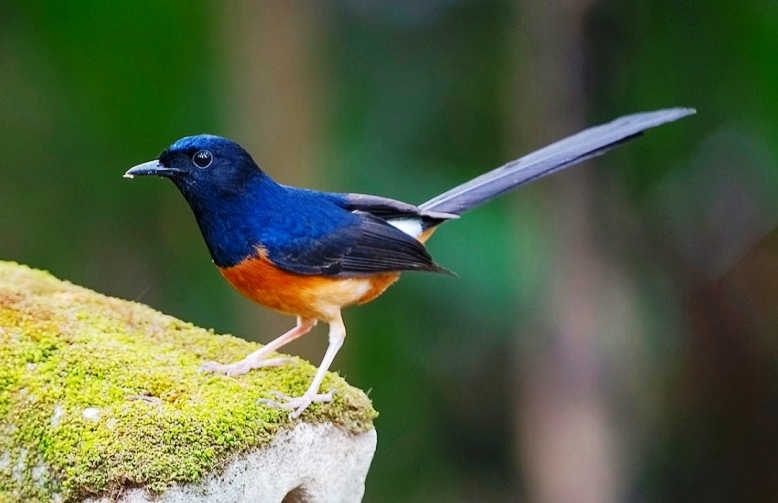
The color of the fur is dark black or bluish and shiny. Magpies are good at chirping and have a small body shape, charming and pleasing to the eye. Its long tail is a special attraction.
- Canaries
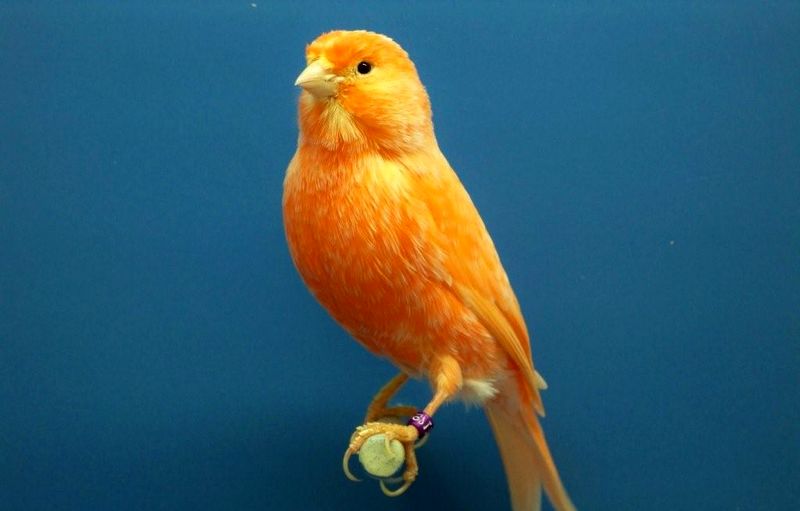
The Canary is a small bird that has a melodious voice. This bird has a fairly large market in Indonesia because of its cute shape, striking color and easy to maintain and breed.
- Birds Cucak Swamp
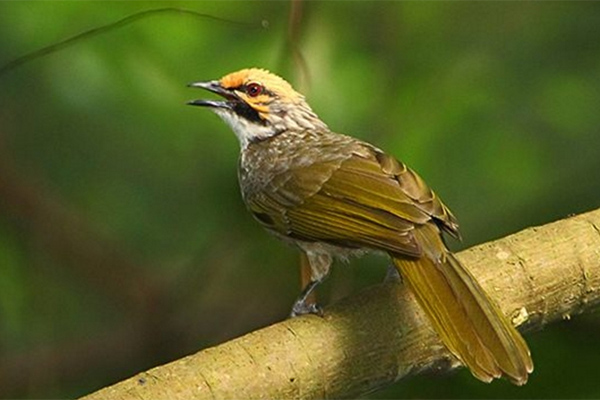
The Swamp Cucak has an orange crown of earflaps, a brown and white back and a gray chest. This bird often lives in swamps, rivers, forests and lakes while emitting melodious and shrill chirping.
- Red Anise Bird
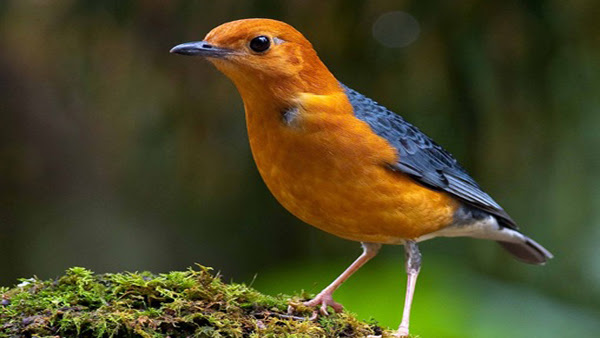
This golden orange bird has a very beautiful and unique chirping style. The characteristic of Anis Bird is pretending to be stoned by shaking his body to the left and right while issuing chirps at the peak of his performance.
Twitter Bird Contest
Bird lovers chirping in Indonesia has been more and more. This can be seen from the emergence of a community of bird lovers and competitions/ contests birds chirping in various regions. One of them is the 2018 President Jokowi Cup chirping bird Festival and Exhibition which took place at the Bogor Botanical Garden. Bird contest events are certainly awaited by bird hobbyists. In addition to scoring outstanding birds, bird contests are also a means of meeting between hobbyists from various circles. Before participating in the contest should need to know what the assessment criteria of the race. This becomes very important, in order to prepare the bird as much as possible. The basic criteria for assessing the chirping bird competition include:
1. Rhythm and song
Rhythm and song is a combination of ups and downs of tone, a combination of short length of tone and rhythm that becomes a song that is pleasant to hear. The more variety of sounds and the faster the rhythm of the song will be the higher the score obtained.
2. Volume and sound
Sound Volume is emphasized on sound quality. In addition to loud sounds, an element of sonority is also noted. The quality of good bird sound volume is not shrill bird sounds, clean not hoarse and loud/ loud.
3. Physique and style
For physical assessment can be done by sight directly. Those. the bird must be healthy, not deformed, the color of the plumage is not dull. For style assessment, this is very dynamic depending on the character of each bird species. (Girl, D.S., 2005)
Treatment Of Chirping Birds
In order for the bird to become a champion, it needs to be prepared and cared for as best as possible. The key to successful bird care is routine and consistency. Things that need to be considered in the daily care of birds include:
1. Bathing birds
Bathing birds can be done 1 or 2 times a day with water mixed with a special disinfectant (Medi Bird) that can nourish birds (kill germs & fungi), refresh the body, and shiny feathers. Bath time for example at 07.30 and 15.30 (if 2 times). Before bathing the bird can be aerated for 30 minutes.
2. Cleaning the cage/ cage
A dirty cage is a growth medium for germs that are a source of disease. Clean the cage daily and spray with disinfectant (Medisep) to kill germs.
3. Giving food and drink
Food and drink should always be in fresh condition so that the bird is always awake intake. Birds are very sensitive to feed changes. Feed according to a predetermined schedule, for example, morning-afternoon-evening. If there is a change in feed should be done gradually. Tambahkan vitamin secara rutin untuk menjaga burung tetap dalam kondisi yang prima (Vita Plex-B/ Vita Plex Drops)
4. Drying birds
Drying birds with sunlight aims to convert pro vitamin D into vitamin D in the bird's body, kill fungi and germs in the cage and in the bird's body and warm the bird's body. Regular drying is enough 30-60 Minutes in the morning (hours 08.00-11.00).
5. Training birds
Just as with humans, if you want to have a long voice then it takes breathing exercises in a cage/cage umbaran as well as voice training from a master bird that has the appropriate character so that birds can record and imitate it. Exercises with the master can be carried out day to evening (at 10.00-15.00) or evening to morning. Give additional supplements to prepare birds going and birds that have been “so” to be diligent chirping (Sing A Song).
6. Monitoring the condition of birds
Every bird needs to have health & behavior records. Such as diet records, bathing and drying patterns, agility in the cage and medical history. These records are very helpful in monitoring the condition of birds and consistency in caring for birds, especially if the birds are owned in large numbers. Give multi
In addition to paying attention to daily care, care before the bird is competed also needs to be done. Here are the things to consider for the care of birds that will be competed :
- Maintain the condition and health
Maintaining the condition and health can be done by providing quality feed and vitamins to increase vitality before the birds will be competed (Sing A Song).
- Keeping chirping sound
Avoid constantly ringing birds throughout the day (for example, from morning to evening) because it can lower stamina, especially when it is contested.
- Train mentally
Hang the bird cage occasionally in a crowded place to get used to the crowds in a race and provide supplements to reduce stress due to travel, cage movement or adaptation to a new place (Vita Stress-B). Birds can be brought to the race area 2 or 3 hours before the start in order to adapt in advance to the environment of the race.
- Enough time to restt.
Increase the bird's rest time, especially at night, by turning off the lights in the place where the bird is hung so that the bird can collect energy before competing.