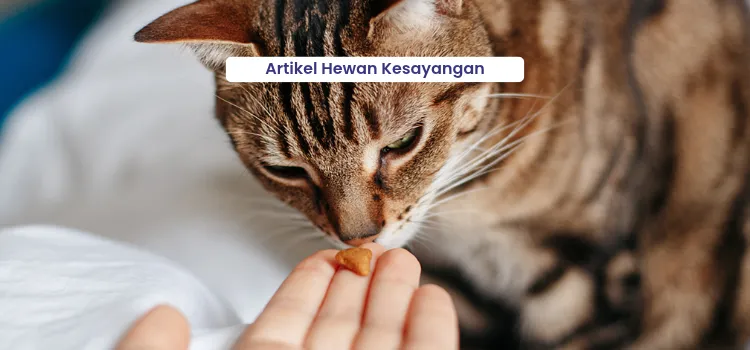
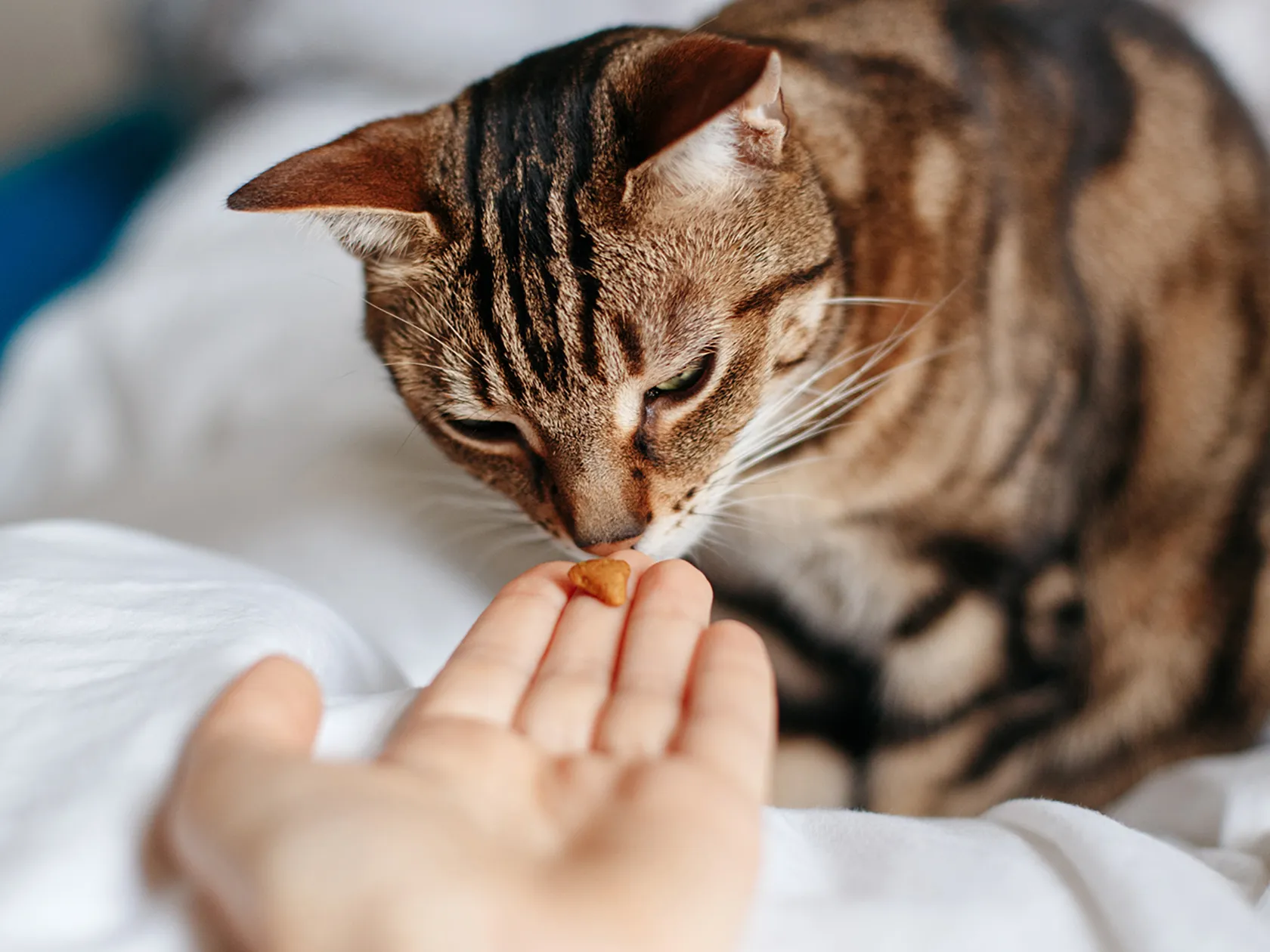
Pet supplements contain a variety of vitamins, minerals, and nutrients packaged in various forms, from capsules and gels to powders. As pet owners, we often wonder: Do our cats and pets need vitamins? And what kind of vitamins do they need?
Most cats obtain their nutrition from the food they eat. However, a "complete" diet doesn't always mean optimal, especially for older cats or those with certain medical conditions. Not all cats require the same or equal nutrition. The amount of nutrients and vitamins needed is determined by various factors, such as age, lifestyle, and breed, which can influence the vitamin ratios required.
Some cats accustomed to indoor living tend to become less active, which can affect their joints and weight over time. Outdoor cats, on the other hand, tend to be more active, thus having better immunity and higher energy needs. In terms of breed, larger breeds can have joint and mobility issues, and long-haired breeds often experience skin and coat problems. Therefore, feeding and vitamin supplementation must take these factors into account.
What Types of Vitamins Are Important for Cats?
Some types of nutrition are very important to know because of their big role in the life of your pet, including:
- TaurineTaurine is a nutrient essential for cats, supporting heart function, vision, and digestion. Taurine is generally present in your cat's dry food, but the amount varies, sometimes even in small amounts.
- Omega 3 Fatty Acids: Omega is very helpful in skin and fur health, helps joint function and vision health. This content is one of the most useful content for senior cats, especially those with dull hair and joint problems.
- Vitamin A: Vitamin A supports vision, immune function and skin health. If your child has dull hair or eyes that are not bright enough, it could be a sign of Vitamin A deficiency.
- Vitamin E: It is an antioxidant that protects cells and is useful in the immune system. Vitamin E also works with Omega 3s to help protect skin and hair.
- Vitamin B ComplexVitamin B helps support energy metabolism, appetite, and nervous system function. Cats that appear weak, lethargic, or are recovering from an illness will benefit greatly from vitamin B.
What Supplements Should I Give My Pet?
Supplementation should be based on your cat's lifestyle and condition. The dosage should also be adjusted according to your veterinarian's recommendations. In general, vitamin supplementation is very beneficial for cat health. One vitamin option that pet owners can choose is Golden Pet Gel Supplement.
Golden Pet Gel Supplement contains complete vitamins including Vitamin A, E, B1, B2, B6 and amino acids which are very useful for anabul health. For anabul that has dull fur until recovering from illness, Golden Pet Gel Supplement can be very useful for increasing appetite, digestive function and shinier hair. With the form of paste preparation and small packaging, only 15 grams, which will make it easier to give to anabul without causing stress and trauma.
When it comes to vitamin supplementation, consistency is crucial. Ingredients like Omega-3 don't work overnight, but over time. Effective supplementation occurs when it becomes a regular part of your pet's daily routine. So, don't forget to give your pet these vitamins. Golden Pet Gel Supplement for a stronger and healthier anabul!
References
- Beitz, D.C., Bauer, J.E., Behnke, K.C., Dzanis, D.A., Fahey, G.C., Hill, R.C., Kallfelz, F.A., Kienzle, E., Morris, J.G. and Rogers, Q.R., 2006. Your Cat’s Nutritional Needs: A Science-Based Guide for Pet Owners. National Research Council, National Academy of Sciences, pp.1-16.
- https://www.cats.org.uk/cats-blog/do-cats-need-vitamin-supplements
- https://www.bobmartin.co.uk/blog/do-cats-need-supplements-what-every-owner-should-know/