Idrus Ishak ' S
Makassar-South Sulawesi
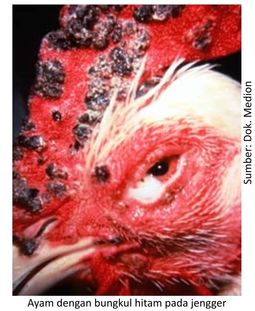
My 5-month-old laying hens have almost 50 dead because they cannot eat and die suddenly at night. During this 1 week, it looks sick with the characteristics of a black spot on the comb, after 1 or 2 days it spreads to the face, ears and eyes. Then the comb becomes withered and black. Within 2 days the upper and lower eyelids of the chicken are fused. After that, because the eye membrane comes out a lot of fluid and slimy so that the chicken becomes blind with a swollen condition such as suppuration. Transmission to other chickens is quite fast, within a day. The condition of the cage is also a lot of Bram (small black insects and bites make itchy), has been sprayed with cyper killer but there are no signs of diminishing. Bram is also quite a lot on the body of chickens. What diseases affect my chickens? How to handle it?
Answer :
Dear. Mr. Idrus, thank you for the question. Based on the characteristics that you have mentioned, the diagnosis of the disease leads to smallpox. However, not only chickenpox, but there are complications with other diseases namely colibacillosis type panopthalmitis which causes symptoms of swollen and festering eyes in the father's chicken.
Fowl pox or chicken pox caused by a virus family Poxviridae by genus Avipox virus. Virus pox do not hold at a temperature of 50 °C for 30 minutes or a temperature of 60 °C for 8 minutes. The Virus can grow and multiply in the cells of the mucous membranes. In dry conditions, for example, in a detached scab, the virus can survive for 3-4 years.
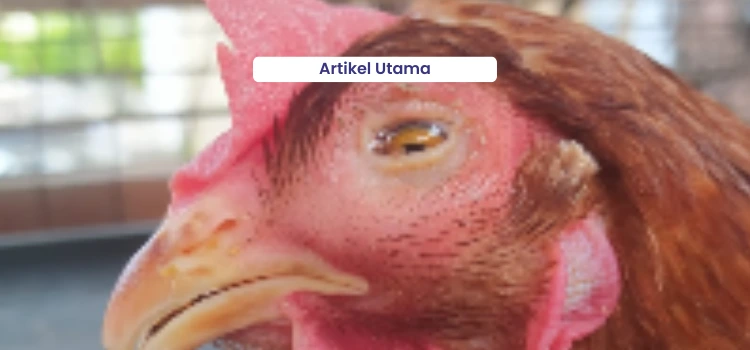
There are 2 types of fowl poxdry form and wet form. The dry form is characterized by small grayish humps. The humpback is clearly visible on the hairless parts of the skin such as wattles, combs, the base of the beak, the skin around the eyeballs, the skin of the feet and toes. Over time, the humpback grows and eventually breaks, giving rise to a scab. This form is similar to the symptoms you mentioned earlier. In mild infections, the mumps will heal within 3-4 weeks.
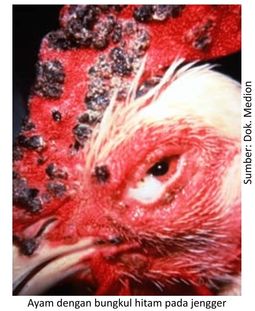
Meanwhile, in the wet form, a small white humpback will be found in the area of the respiratory and digestive tract. If observed, then the humpback forms like cheese.
Chicken pox disease is transmitted horizontally from sick chickens to healthy chickens. The Virus enters the body through skin wounds, cannibalism bites of mosquitoes or other insects. Virus pox in a scab that has broken off in a sick chicken it can also spread through the air. In a polluted environment, the air mixed with feathers and dry scabs containing the virus is a source of transmission through the skin and respiratory tract. Other contagions can result from mosquito bites that contain the virus pox.
Symptoms of purulent swollen eyes are generally caused by bacterial infections e.Col. Bacterial infection e. bra causes swelling in the eyes, as well as the eyeballs appear cloudy and blurry. Changes that occur begin with redness of the eyes. While the final form of this infection the eye will shrink, followed by the formation of a mass like cheese and chicken blindness. Generally, blindness only occurs in one eye. However, if blindness occurs in both eyes, the consumption of chicken rations and drinking water will decrease. It can even lead to death.
For the treatment of chicken pox caused by a virus, until now no cure has been found. However, you can do a way to reduce the spread of the disease by first separating or isolating chickens whose condition is severe enough, then apply CIL or Antisep in the black scab wound, however, a scraping must be done on the wound or the scab pack. To resolve cases of colibacillosis panopthamitis chicken should be inculling/ diafkir, while for other chickens that have not experienced severe swelling in the eyes, you should give antibiotics such as Neo Meditril or Collimezyn by administration through drinking water. If the chicken is difficult to drink, then it can be given Gentamin or Vet strep by injection or injection. Multivitamins (Vita Stress, Strong Egg or Fortevit) can be done to accelerate healing and provide Imustim to increase the endurance of chickens.
Prevention of smallpox is recommended by vaccination using Medivac Pox or Medivac AE-Pox after the chicken is 10 weeks old (or adjust to the history of the disease in farm, vaccination is carried out at the latest, a maximum of 2-3 weeks before the age of onset of the disease). On the farm, the attack pox occurs when the chicken is 5 months old or approximately 20 weeks old, smallpox vaccination can be done no later than when the chicken is 17-18 weeks old.
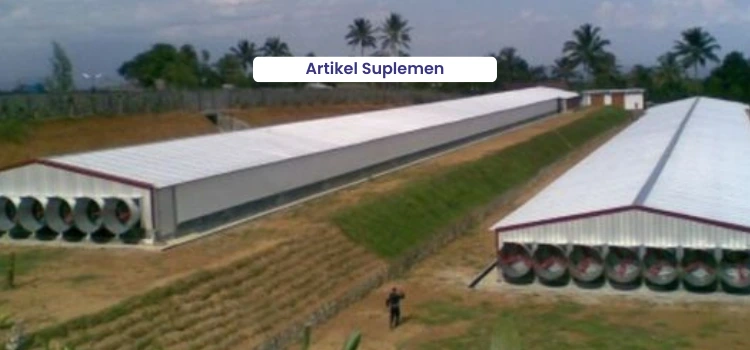
In the event of an outbreak of the cage sanitation should be increased at least 2-3 times a week. We recommend doing cage spray using Medisep. This is to minimize the number of seeds contained in the cage environment. The cage must also be ensured to be free of mosquitoes and insects that are vectors of disease Fowl Pox.