Climate change is making weather conditions increasingly difficult to predict. Shifts in the onset of the rainy and dry seasons, changes in rainfall distribution, and the emergence of longer periods of hot and dry weather can pose challenges for the agricultural sector. One climate phenomenon that requires vigilance is El Niño. This condition can affect atmospheric circulation and cause changes in rainfall patterns in various regions, including Indonesia. Some areas in Indonesia may experience decreased rainfall, resulting in longer-than-usual dry conditions.
Pengertian The Child
El Nino is one phase of the phenomenon El Nino–Southern Oscillation (ENSO) is formed by the interaction between the ocean and the atmosphere in the tropical Pacific Ocean. Simply put, El Niño occurs when sea surface temperatures in the central to eastern tropical Pacific Ocean are warmer than normal. This condition then affects wind patterns, cloud formation, and rainfall distribution across various regions.
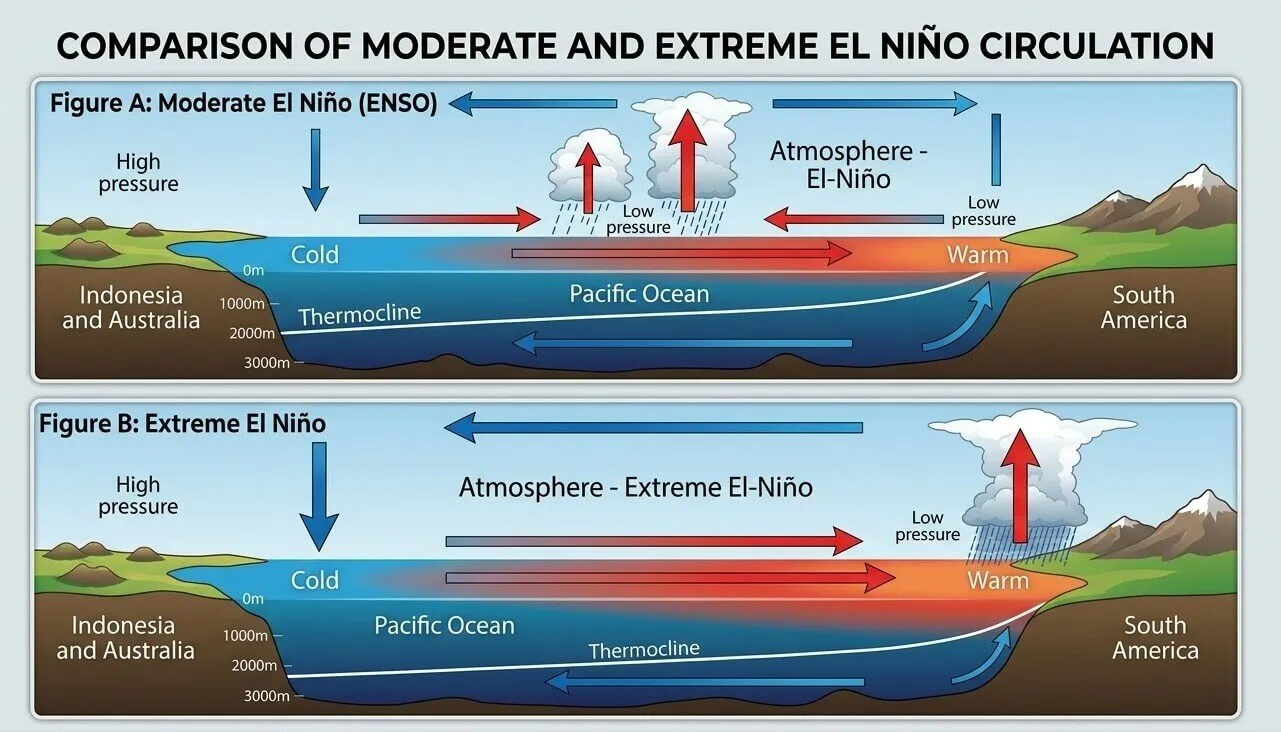
Climate Change and the Environment
Drastic Decrease in Rainfall
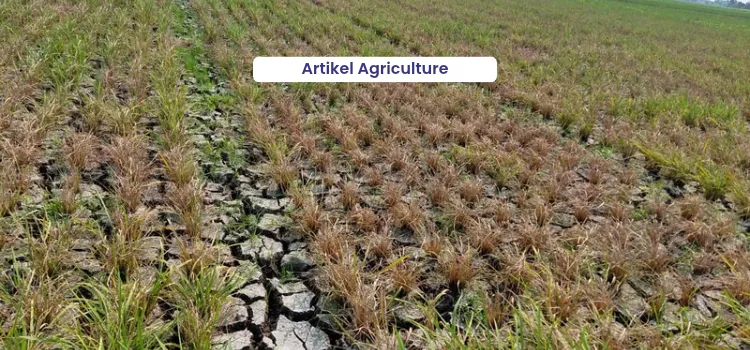
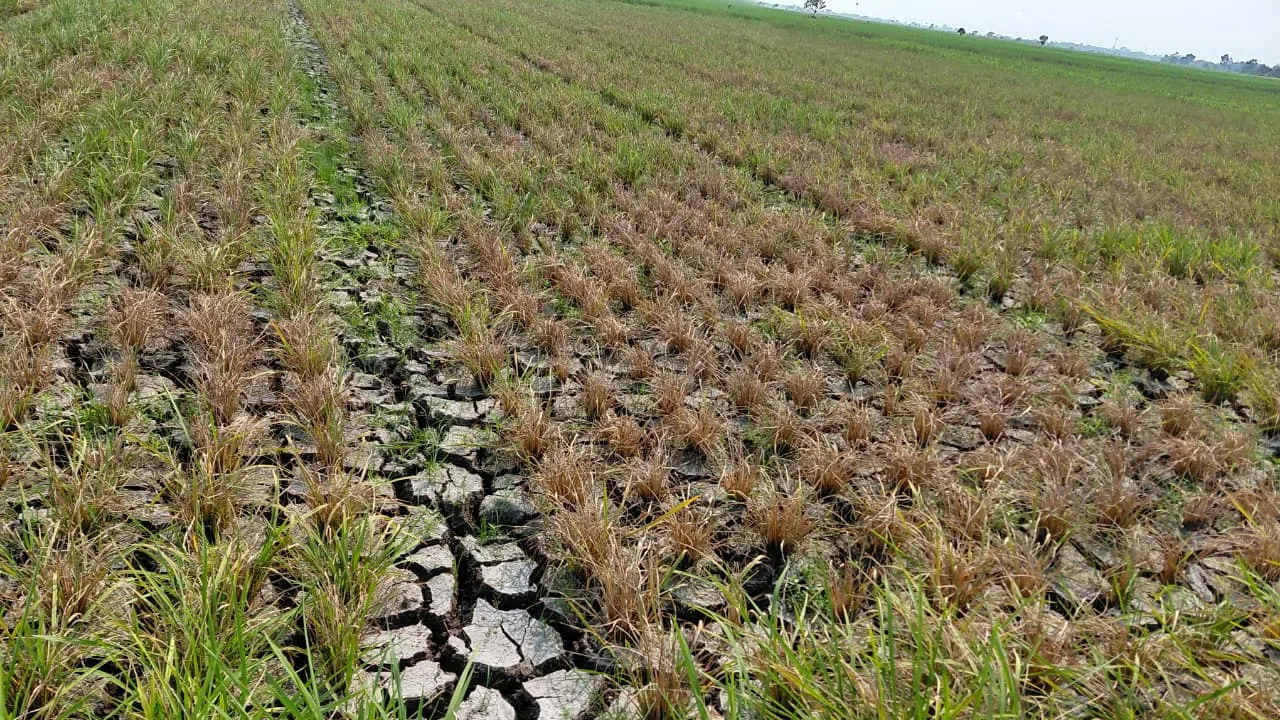
Decreased rainfall can lead to increasingly limited water availability in the root zone, especially in rainfed areas and soils with low water retention capacity. In rainfed areas, the water content in the soil can decrease more rapidly, triggering cracks in the soil surface (cracking) which can interfere with the fine roots of plants.
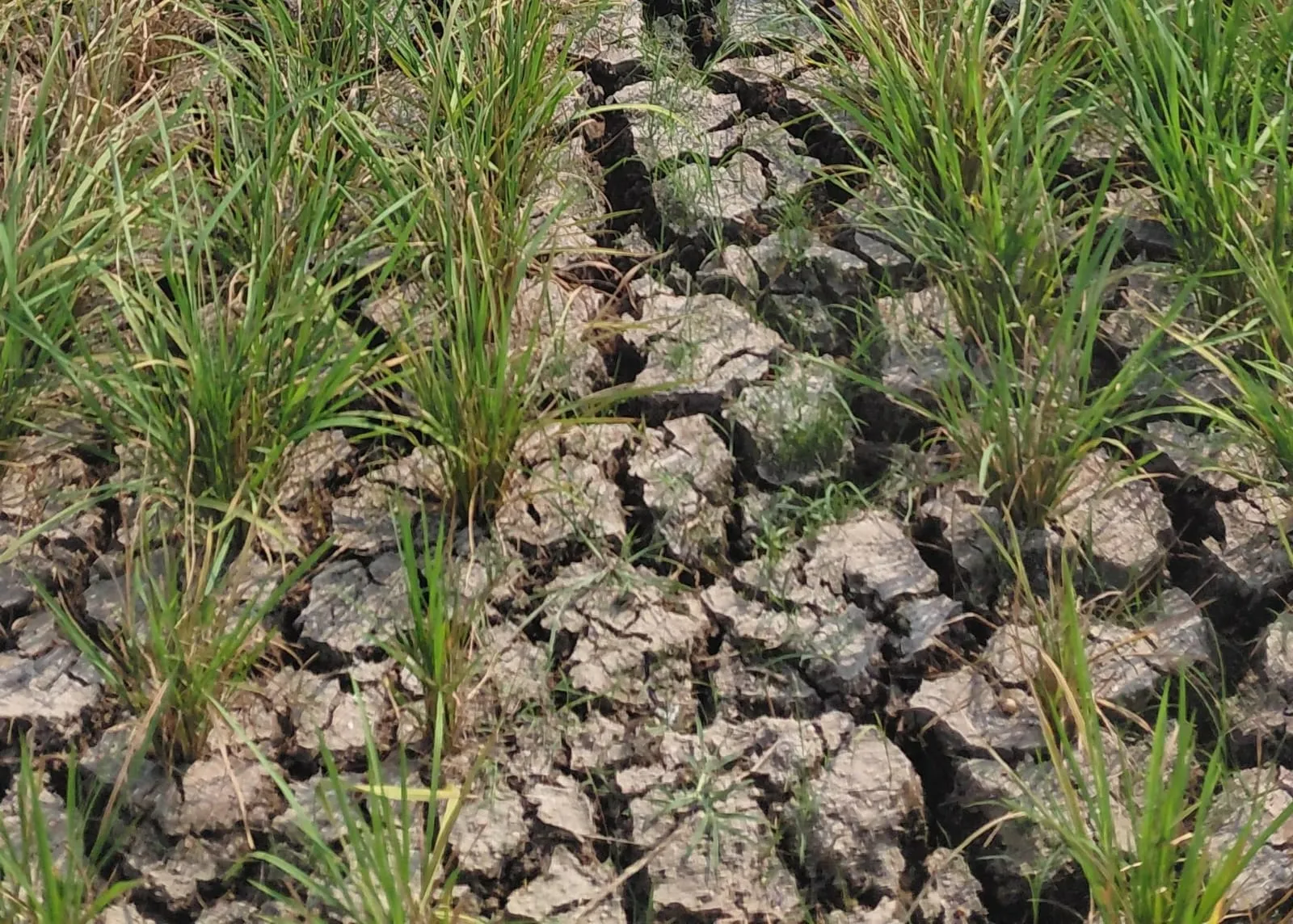
Increased Average Air Temperature and Low Air Humidity
Rising temperatures accompanied by low humidity can accelerate water loss from plants through transpiration. If persisted over a prolonged period, these conditions can increase drought stress and impair plant growth.
Increased Evapotranspiration Rate in Soil and Plants
Evapotranspiration is a combination of evaporation, the loss of water from the soil surface, and transpiration, the release of water from plants. In hot and dry conditions, the rate of evapotranspiration can increase, causing soil water to deplete more rapidly. This is especially important for plants experiencing high water demand.
Physiological Mechanisms of Drought Stress in Plants
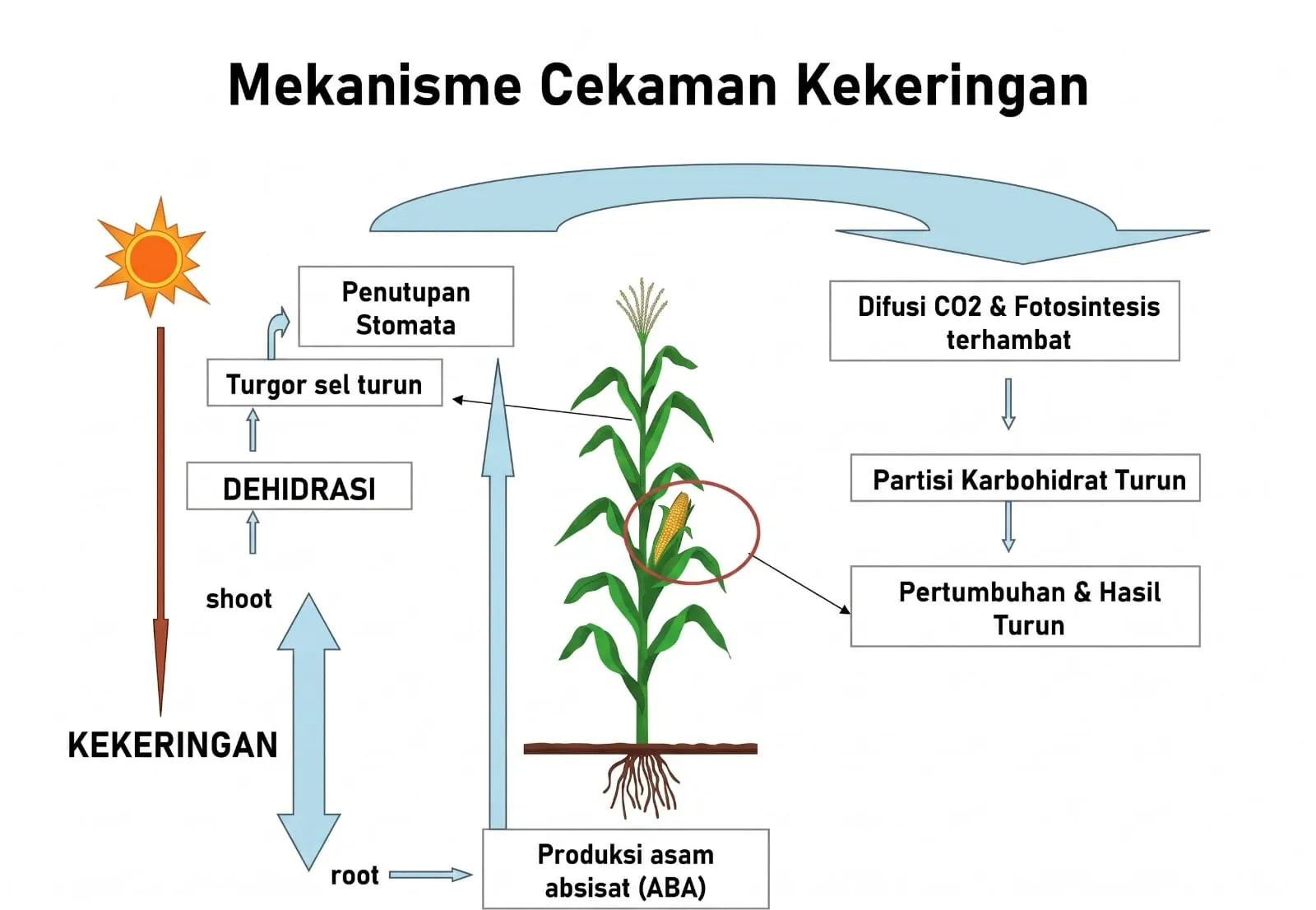
- Groundwater availability is decreasing: This condition causes water reserves in the soil to decrease, while high air temperatures can accelerate water loss through evapotranspiration.
- Water absorption by roots is disrupted: Roots have a harder time absorbing enough water to meet the plant's needs. This condition causes the plant's water status to decline and cell turgor to decrease, leading to symptoms such as curled or wilted leaves.
- Plants increase ABA production: This hormone plays a role in helping plants reduce water loss and maintain water balance in plant tissues.
- Stomata close: ABA triggers stomatal closure to reduce water loss through transpiration. This mechanism helps plants conserve water, but it can also limit gas exchange between the leaves and the atmosphere.
- CO₂ diffusion and photosynthesis decreaseStomata closure limits the entry of CO₂ into the leaf. As a result, the rate of photosynthesis can decrease, resulting in lower levels of photosynthetic products, including carbohydrates.
- Plant growth and development is disrupted: Reduced photosynthesis results in limited availability of assimilates to support plant growth and development. If drought stress persists for a long time, this condition can inhibit vegetative growth and disrupt the development of plant generative organs.
- Crop yields have the potential to decrease: Under severe or prolonged stress, disruptions in water uptake, photosynthesis, and assimilates distribution can impact yield formation and filling. Ultimately, these conditions can lead to decreased plant productivity.
Impact of Drought
1. Impact of Drought on Plants
Insufficient water availability during germination can cause:
- germination may occur more slowly
- sprout growth is not uniform
- some seeds may fail to grow
- The growth of young plants becomes slower.
During the vegetative phase, plants focus on forming roots, stems, and leaves. Water deficiency can cause:
- slower plant growth
- smaller leaf size
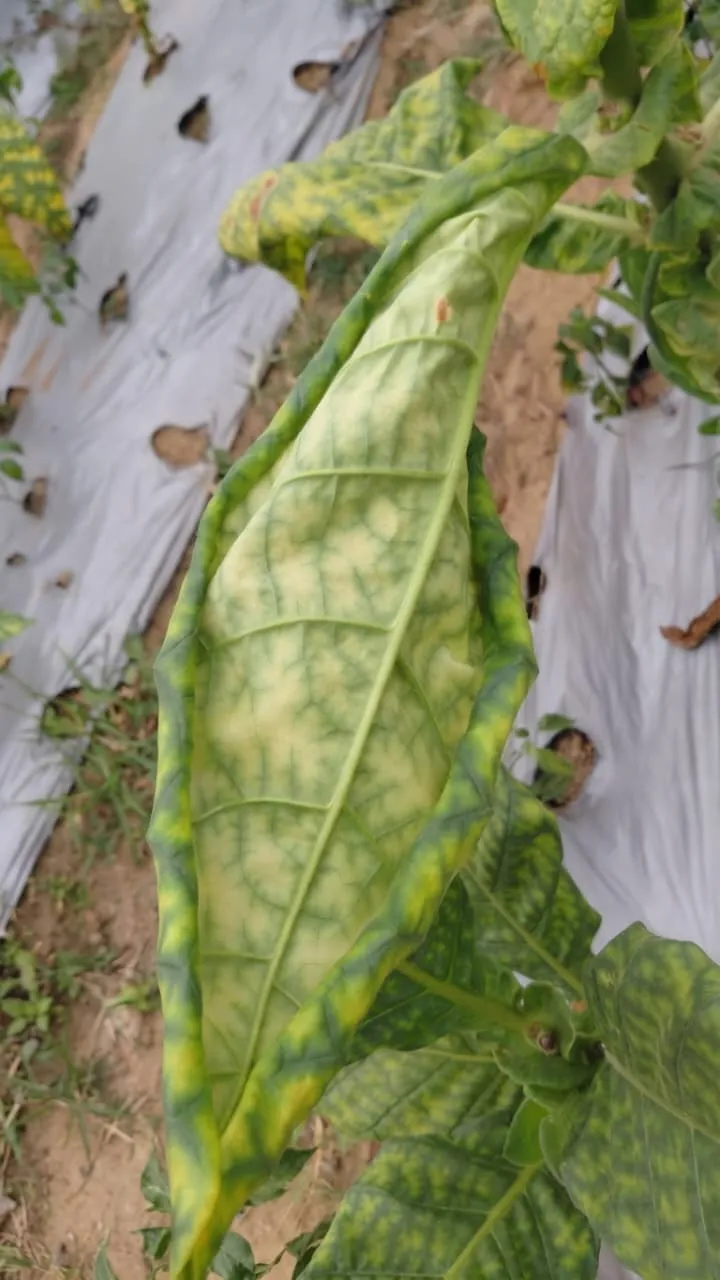
- leaves curl
- the plants look wilted
- impaired root development
- in severe conditions, leaf drying can occur
Insufficient water availability during the flowering phase can disrupt various plant reproductive processes. The impacts can include:
- disturbed flower formation
- flowers fall off easily
- pollination success decreases under certain conditions
- the fruit ovaries fall off
- stunted fruit or seed development
- smaller output size
- decreased yield weight
2. Shifting Planting Seasons
Changes in rainfall patterns due to El Niño can prolong the dry season, shifting planting times due to insufficient water availability. This can impact planting and harvest schedules in the following season.
3. Decreased Crop Productivity
El Niño can reduce national agricultural productivity because prolonged dry conditions reduce water availability, inhibit plant growth, and increase the risk of crop failure in drought-sensitive commodities. The impact is felt not only by farmers but can also impact the availability and supply of agricultural commodities nationally.
Plant Pest Organisms (OPT) during El Nino
Hot and dry weather can create conditions that favor the growth of several types of plant pests (OPT). Under certain conditions, the life cycle and development of pests can accelerate, potentially increasing their populations. Some pests to watch out for include aphids, mites, whiteflies, and thrips.
Anticipating the Impact of El Nino on Plants
- Managing water efficiently: In irrigated areas, water supply can be adjusted according to the plant's growth phase. If possible, drip irrigation can be used to deliver water directly to the root zone.
- Maintain soil moisture and condition: Using mulch can help reduce water evaporation from the soil surface and maintain moisture. Additionally, adding organic matter can help improve soil conditions.
- Controlling weedsWeeds can compete with the main crop for water and nutrients. Proper weed control is essential, especially when water availability is limited.
- Adjusting timing and plant choices: Planting time and varieties can be adjusted to climate conditions, water availability, and commodity characteristics.
The Role and Application of Lamor as a Plant Recovery Solution
Coping with the hot and dry conditions caused by El Niño requires more than just maintaining water availability. Plants also need support to maintain their physiological processes. One way to do this is through the use of biofertilizers. Lamor is a liquid biofertilizer containing Rhodovulum sulfidophilum HNI-1 with a concentration of 2 × 10⁸ CFU/ml SC. Lamor acts as a biostimulant that supports photosynthesis and plant growth.
The use of Lamor can help keep plants green and healthy and support plants in dealing with less than optimal environmental conditions.
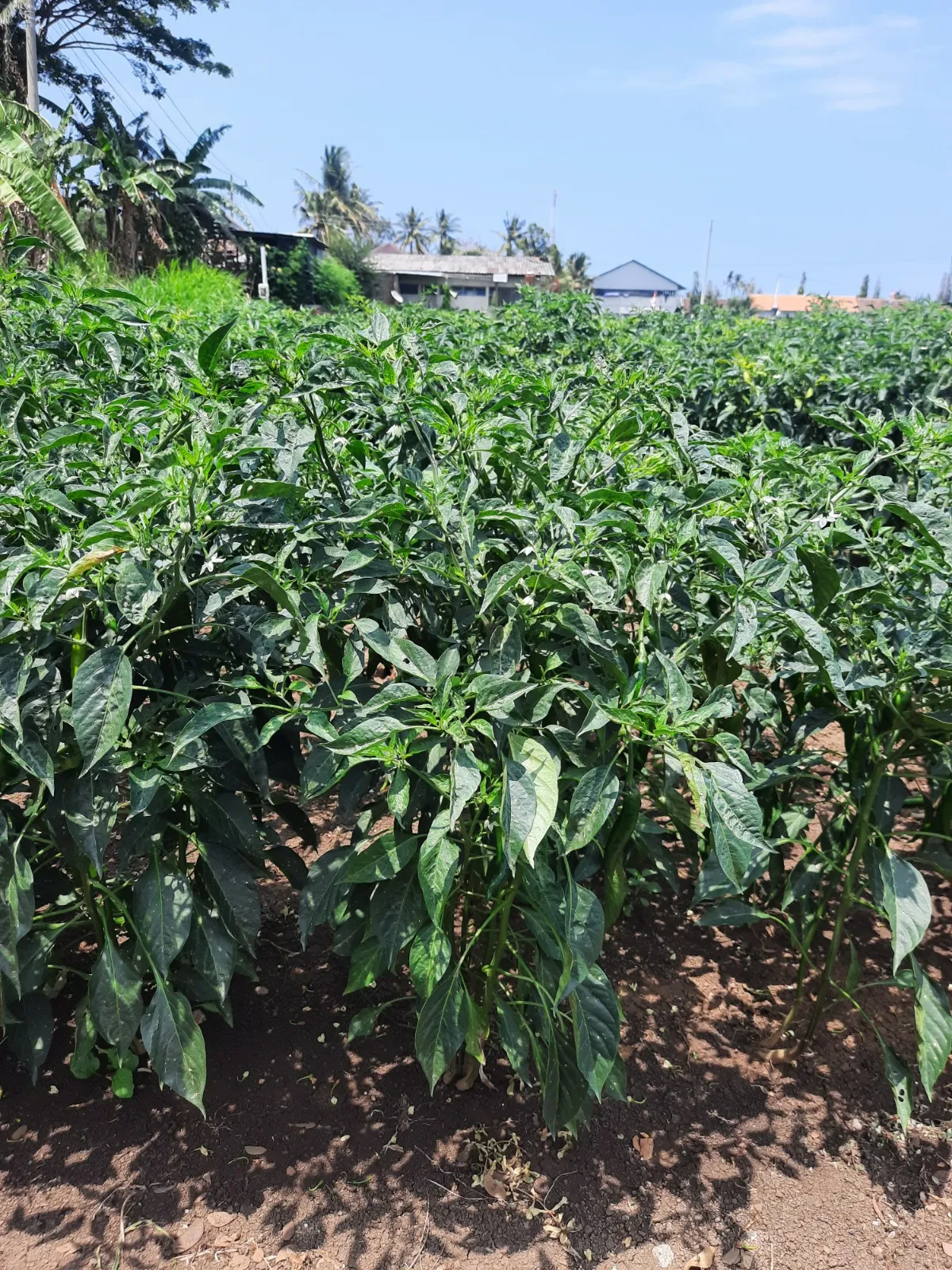
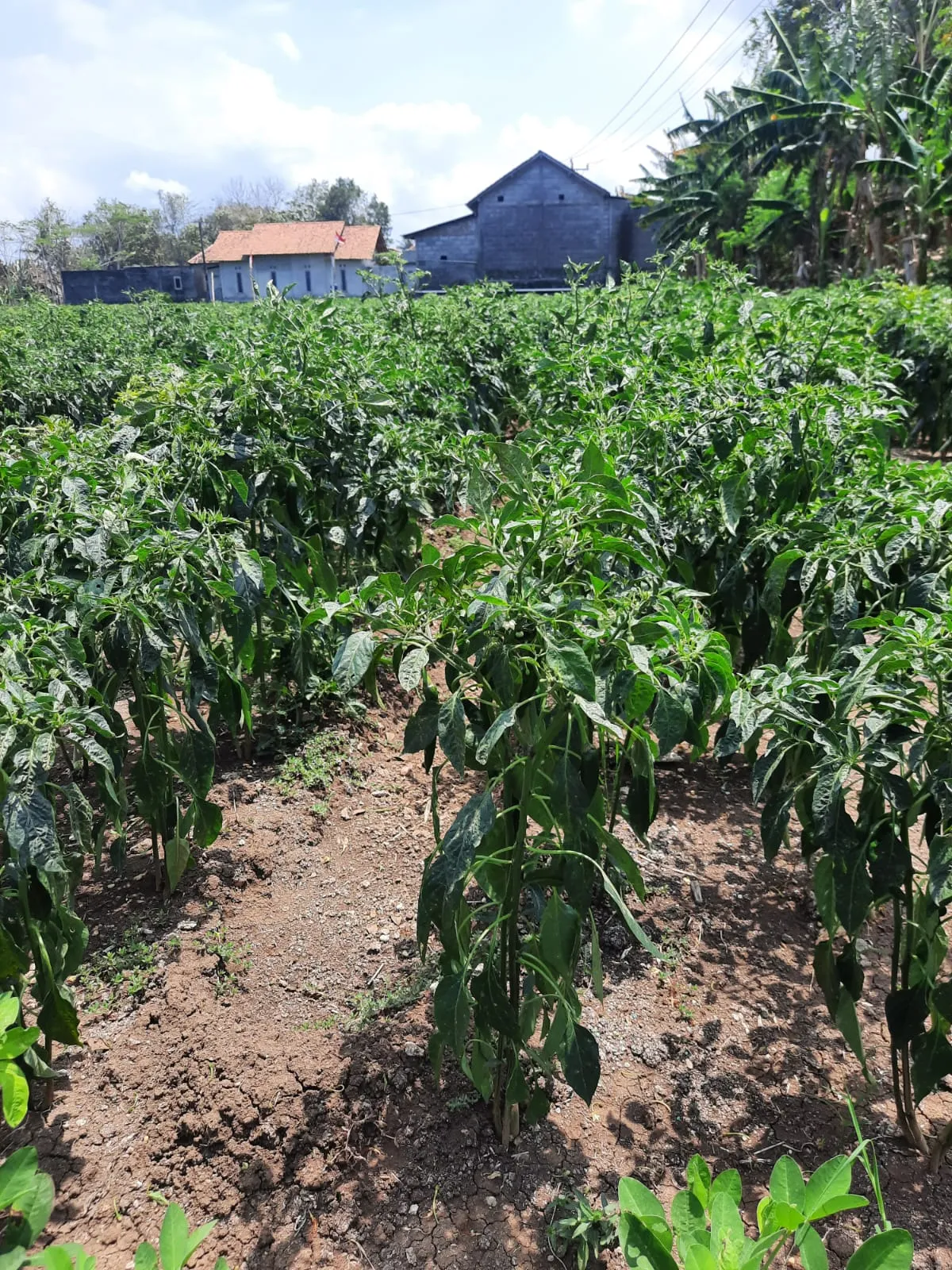
Some of the benefits of Lamor include:
- Supports the process of photosynthesis
- Helps keep leaves green and healthy
- Supports plant growth
- Helps increase plant resistance to disease and stress
- Supporting plant recovery
- Helps increase crop yields

Lamor can be applied to various crops at a dose of 0.5–1 ml/L. Application times and intervals are adjusted according to the plant type and growth phase.
Coping with El Niño requires comprehensive plant management. Applying Lamor can be one supportive measure to maintain plant growth and condition, while still maintaining proper water management and cultivation practices.