During the rainy season with high rainfall characteristics will be a challenge for chicken hobbyists. Changes in temperature and humidity will make chickens need to adjust and adapt to climate change. Some effort needs to be made to keep the chicken fresh and healthy.
During the rainy season, hobbyists will face problems such as strong winds, high rainfall, high cage humidity, low temperatures and decreased water quality. Increased air humidity will cause an increase in the challenge of disease seeds in the cage area such as fungi, bacteria, viruses and parasites. The condition can also increase the population of insects such as flies and mosquitoes that act as disease vectors.
Thus, during the rainy season to maintain the condition of the chicken remains healthy and good performance, the things that need to be done include:
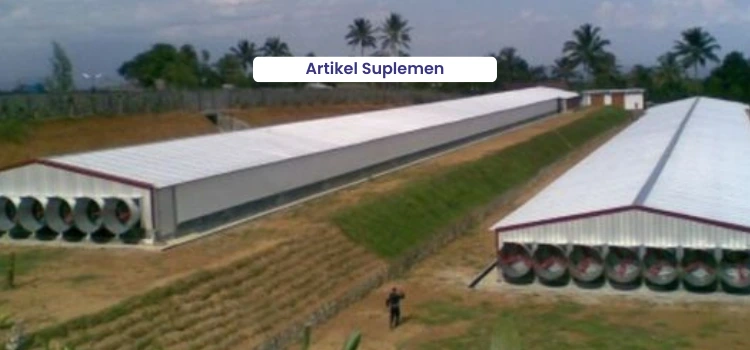
Keeping the cage comfortable
It is necessary to keep the cage clean, especially from feces because in a dirty cage it will be easy to spread the disease and also a high accumulation of ammonia which can be a triggering factor for respiratory diseases.
So the cage needs to be cleaned every day and more often wash livestock equipment such as drinking places, food places, do not let fungi and bacteria can multiply on livestock equipment. In addition, it is also necessary to maintain good air circulation in the cage, and keep the cage dry and not humid. When rainfall is high and temperatures get colder, the cage can be provided with heating. This is done to stabilize the temperature in the cage also warms the chicken's body.
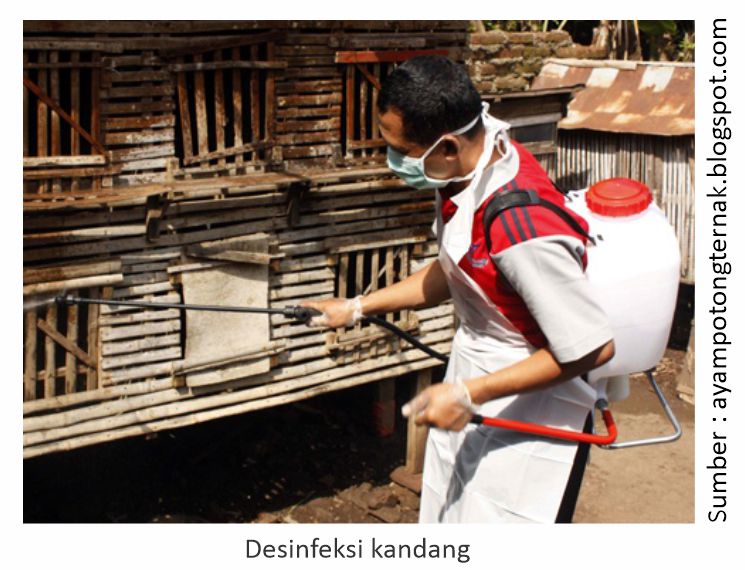
Performing cage disinfection
A damp Cage is a comfortable condition for breeding disease agents. So it is important to disinfect the cage and the environment around the cage every day, especially in a humid place and rarely exposed to sunlight. Disinfection can be carried out with Neo Antisep, Medisep or Zaldes to suppress the breeding of disease seedlings.
Keeping chickens clean
During the rainy season chickens also need to be kept clean by bathing. When bathing can be selected in the morning when the sun comes up then the chicken can be dried to maintain its health.
Provide quality feed
In the presence of cold temperatures, sufficient food is needed to produce energy that is useful for maintaining stable body temperature. Thus during the rainy season the provision of nutritious food is absolutely given.
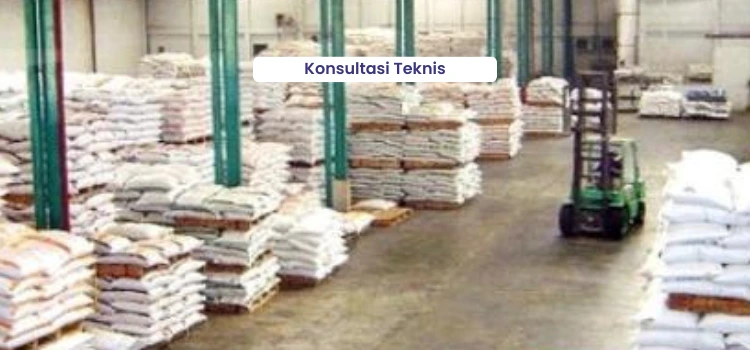
Also note how the storage of feed in the feed storage warehouse. The quality of feed that quickly decreases when exposed to contact with air makes us have to be extra careful in giving feed. To avoid the growth of fungi can also be given anti-fungal and fungal poison binder for example Freetox by way of mixed feed.
Provide quality drinking water
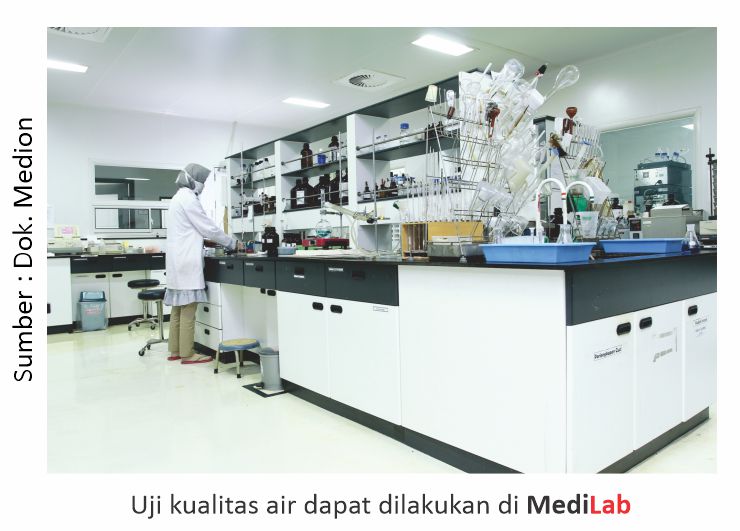
Maintaining the quality of drinking water is very important to note. Water quality tests can be carried out periodically, especially during seasonal changes and during the rainy season. As we know water is also a medium of disease transmission, especially during the rainy season.
Drinking water can be treated with disinfectants Desinsep to kill bacteria contained in drinking water. And no less important, routine to clean drinking water and disinfect it every day.
Giving supplements
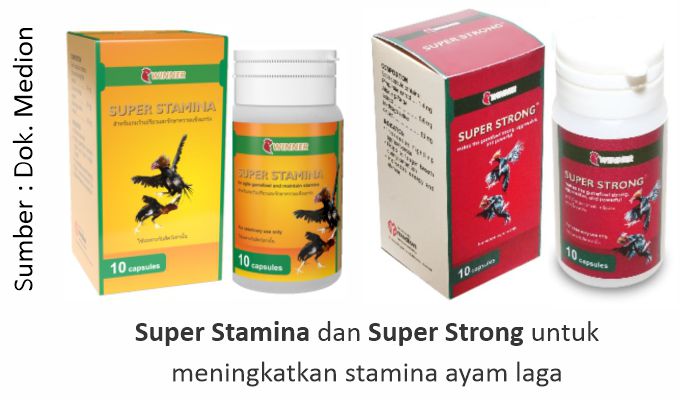
Maintaining chicken endurance is very important to do especially during the rainy season which makes chicken endurance decrease faster and the challenges of environmental diseases are getting higher. For example, by giving Super Stamina, Super Strong or Solvit. Giving supplements to fighting chickens, especially during treatment, is effective in maintaining chicken stamina, endurance and overcoming stress.
The deworming program
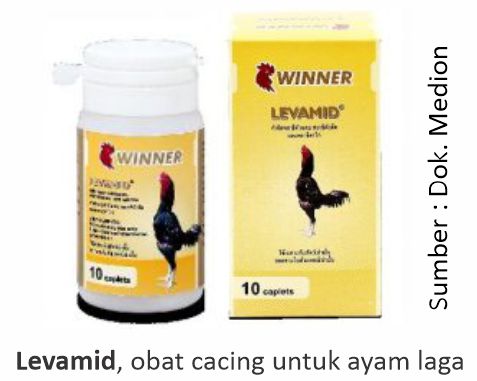
In addition to providing supplements to keep chickens healthy, deworming or deworming programs also need to be done, for example with Levamid for fighting chickens. Worm infections in the digestive tract can cause damage to the intestinal lining so that it will interfere with the process of absorption of feed nutrients.
In the transmission of worms caused by tapeworms, flies act as vectors/ intermediaries where during the rainy season the fly population will increase. In this condition the risk for disease transmission is also higher.
So it is important to give a course of deworming. Deworming requires a repeat process. The repetition can be adjusted according to the life cycle of the worm and the conditions of the cage. Gilik worms have a life cycle of 1-2 months, while tapeworms are about 1 month. So that deworming can be repeated 1-2 months later.
Control of insects or disease vectors
Control of insect populations can begin by preventing breeding sites by keeping cages clean and dry. Insect populations such as flies can also be controlled by the use of Flytox to kill adult flies, and Larvatox to inhibit the development of fly larvae.