Mr Rizal Ali
Banjarmasin
My chickens are sick with symptoms that look different, 1 tail seen coughing, snoring, sneezing and yellowish green diarrhea. In the second chicken does not cough, snore and sneeze but diarrhea whitish Green, the third cough, snore, sneeze, snot out of the nose, watery eyes and diarrhea whitish green. The other chicken was seen snot from the nose, coughing, snoring, sneezing and grayish diarrhea.
What I want to ask you is, 1. What is possible in 1 maintenance site may occur complications of the disease (more than 1 disease) ? 2. What are the symptoms of CRD, Korisa, and cholera diseases considering that all three have the same clinical symptoms? and how is the treatment? 3. Does the chicken affected by korisa also cough and snore?
Answer:
Accept thank Mr. Rizal Ali for the question.
- It is quite possible the presence of complications of more than one disease. When chickens get sick, the immune system becomes decreased, so chickens will be easily infected with various types of diseases. This condition will get worse if the environment is uncomfortable, such as ammonia levels in the cage are too high, the chicken population is too dense, and stress due to hot weather.
- Diagnosis in sick chickens in addition to seeing the clinical symptoms can also be through organ changes that are visible after surgery carcass (necropsy). This is done to direct to a disease based on abnormalities and changes in organs (anatomical pathologies) that occur.
- CRD disease
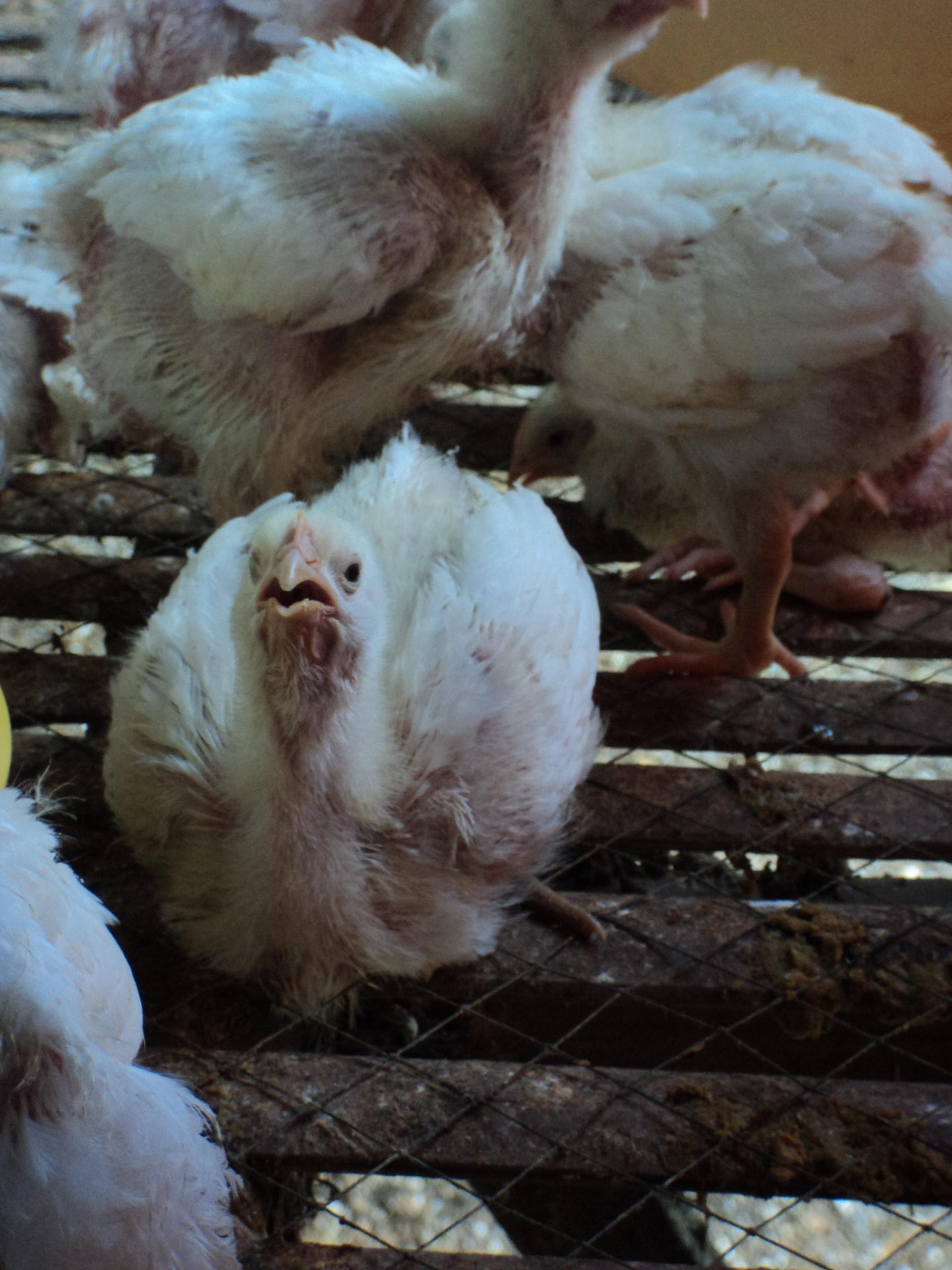
Visible clinical symptoms of snoring, especially at night, difficulty breathing, conjunctivitis (inflammation of the conjunctiva), snot from the nose, whitish-green diarrhea. While the changes in organs / anatomical pathologies that occur are slimy nasal cavities and sinuses, larynx and trachea inflammation, turbid air sacs. Treatment that can be done is by administering antibiotics such as Neo Meditril or Doxytin. High-dose multivitamins such as Fortevit to increase the stamina of the chicken. In addition, spraying the cage with disinfectant is also carried out Antisep or Neo Antisep.
- Infectious coryza/Coryza (cold, nasal discharge, swollen face)
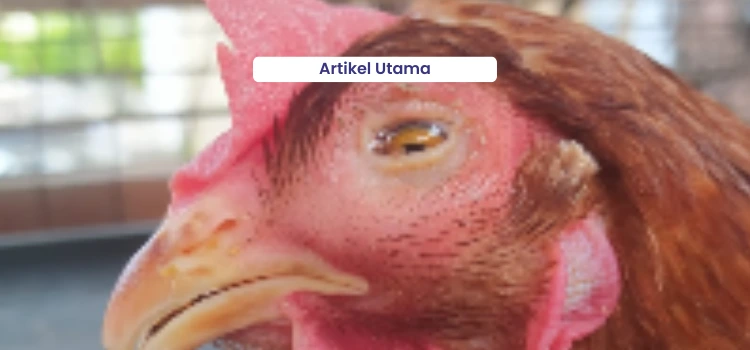
Visible clinical symptoms are sneezing, snoring, thick exudate comes out of the nose and has a characteristic odor, swollen face and closed eyes (severe condition). While the changes in organs / anatomical pathologies that occur, namely the nasal sinuses, have inflammation and the presence of thick and characteristic smelling exudate, the trachea has inflammation and the presence of exudate. If the korisa attack has caused the chicken to experience severe swelling of the face and decreased appetite, give injection antibiotics such as Gentamin, Medoxy-LA, or Vet Strep. Chickens with mild to moderate severity (chickens can still eat and drink), need to be treated with antibiotics that have a higher absorption into tissues, such as Amoxitin, Proxan-S, Doctril, or Neo Meditril. Isolate or separate chickens that look sick, bury dead chickens as far as possible from the housing environment, as well as giving multivitamins, such as Fortevit, Vita Stress or Vita Strong to improve the condition of the body of chickens.
- Fowl Cholera/Fowl cholera (greenish droppings)
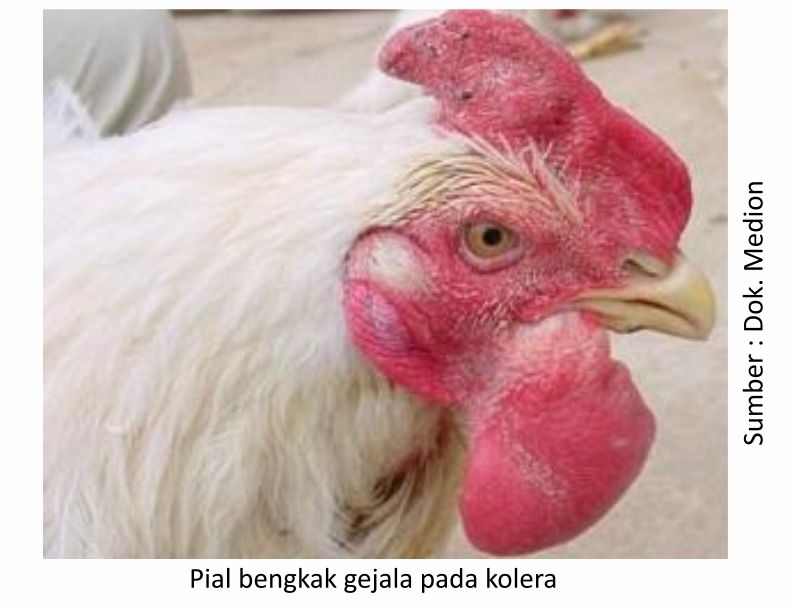
Visible clinical symptoms are green stools, face, enlarged Combs and wattles, respiratory disorders with nasal discharge. While changes in organ / anatomical pathology occur, namely Combs and swollen Wattles containing material in the form of solid cheese, trachea inflammation, bleeding spots on the heart muscle, abdominal fat, ventricles, intestinal mucosa, striped enlarged liver, and there are white spots. Treatment with the administration of effective antibiotics for Gram-negative bacteria such as Koleridin, Collimezyn, or Ampicol. After treatment can be carried out administration of vitamins such as Fortevit, Solvit, or Strong n Fit.
- CRD disease
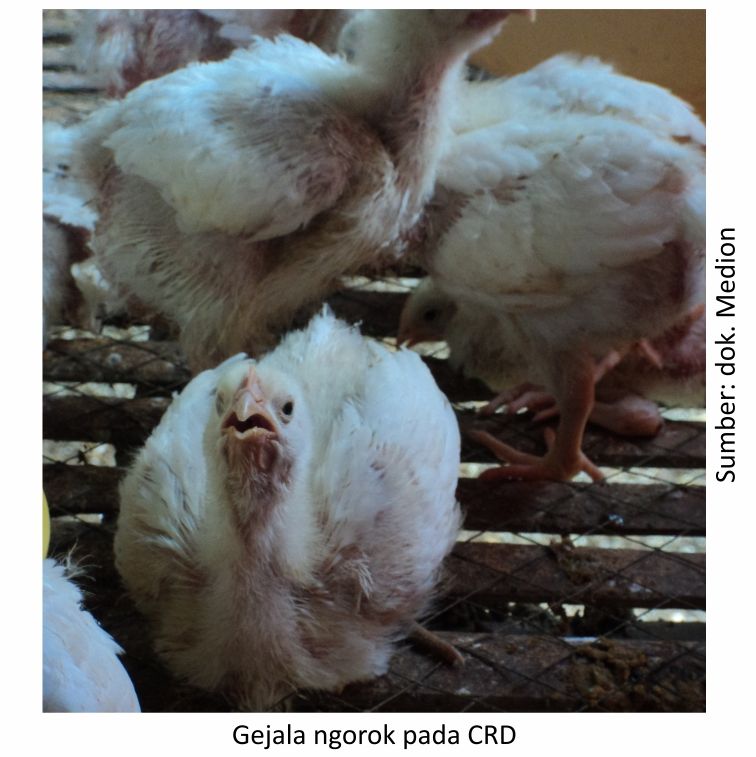
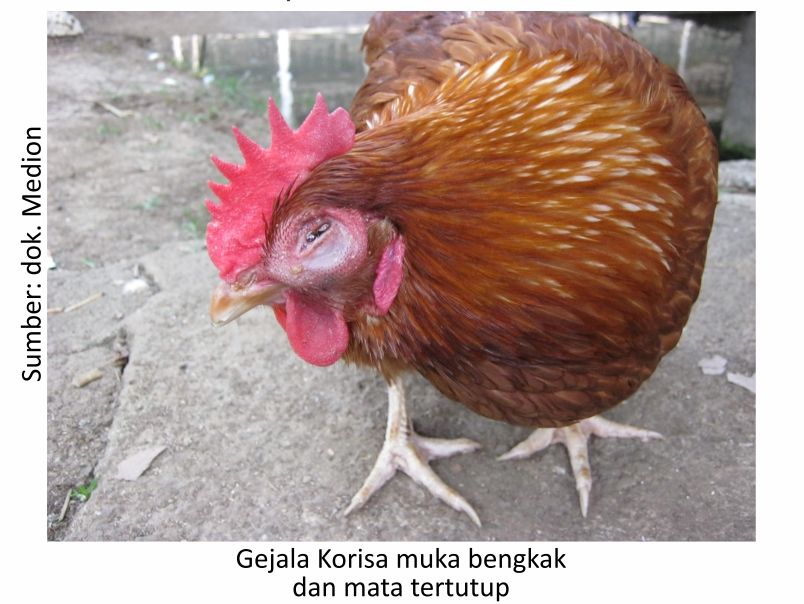
d. Chorisa is a disease caused by bacteria, rod-shaped pleomorphic Immobile, Gram-negative and called Avibacterium paragallinarum. These bacteria invade the respiratory system causing inflammation of the mucous membranes of the upper respiratory apparatus (nasal cavity, infraobitalis sinus and upper trachea). As a result of this situation there is a disturbance in breathing (chickens have difficulty breathing) which is manifested by snoring, sneezing, and coughing. So, chickens affected by korisa may show clinical symptoms of coughing and snoring.