Bapak Priyono
Blitar-East Java
How to maintain egg production during the transition season?
Answer :
Dear. Mr. Priyono, thank you for your question. Transition season or transition from the rainy season to the dry season or vice versa must be faced with full preparation. Environmental changes that occur during the transition can certainly make chickens stressed. To maintain optimal chicken performance and prevent disease outbreaks, farmers need to make adjustments and slight modifications to maintenance management. Here are the steps that need to be done are:
- Modified cage management
- Uncertain weather conditions during the transition led to the need for modifications to the cage. You can add length shade (shade) roof to expand the shaded area when the sun is hot. Besides, shade a longer roof can also prevent water tampias from entering the cage when it rains.
- Repair a leaking roof to avoid rainwater entering the cage and minimize damp or muddy conditions.
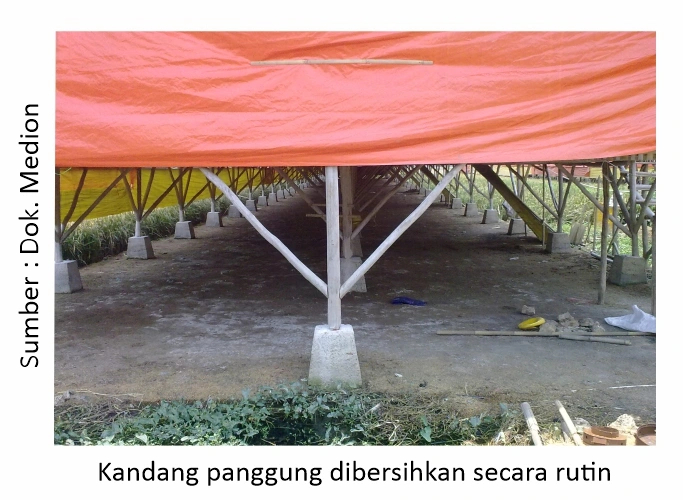
- If using a stage Cage, do feces dredging under the cage every 3 days. However, if this activity is difficult to do every 3 days because of heavy rain, farmers need to anticipate the formation of ammonia accumulation in feces by providing ammonia control material to chickens, namely Ammotrol.
- Fight flies, mosquitoes and other insects with insecticides. To get rid of flies, you can use products Larvatox, Flytox and Delatrin.
2. Feed management
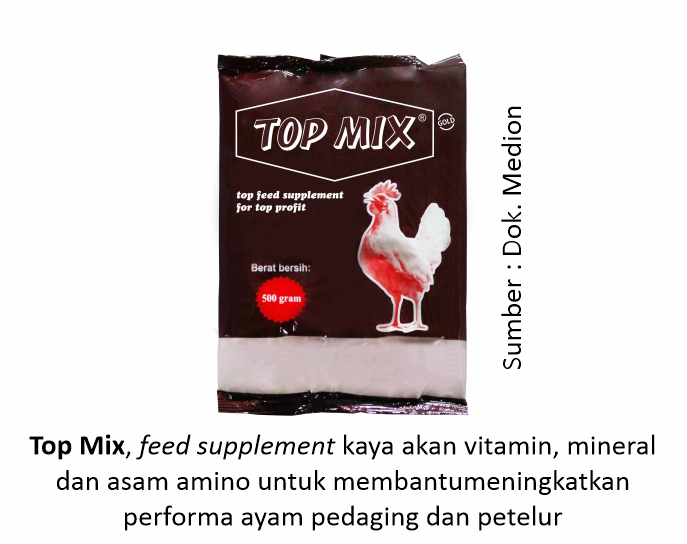
Make sure the quality of the feed is well maintained during the transition. Note the management of feed storage in the warehouse for example using pallet as a food processor, the system first in first out (FIFO: the use of feed based on the order of arrival) and first expired first out (FEFO: the use of feed based on the order of its expiration date), ensuring air circulation of the feed warehouse smoothly and does not leak. If necessary add premix Top Mix, Mix Plus, and Freetox in order to maintain and improve the quality of feed, because weather conditions during the transition season and poor storage factors can reduce the quality of feed.
3. Drinking Water Management
If the quality of drinking water is not good, drinking water sanitation can be done. Give an antiseptic (Desinsep/Neo Antisep) or chlorine (12-20 grams per 1,000 liters of water). Water sanitation programs can be done with a 3-2-3 system. This means 3 days of antiseptic Administration, 2 days of regular drinking water and 3 days of antiseptic administration again, and so on intermittently. Make sure the water tank and drinking water supply pipes are not exposed to direct sunlight and let the water flow slowly at the end of the drinking water trough so that the freshness and cleanliness of the water is maintained.
4. Increase the endurance of chickens
- Take a multivitamin (Fortevit or Vita Stress) and immunostimulants (Imustim) to improve the function of the immune system as well as improve the decreased immune system in chickens.
- Carry out the vaccination program on schedule. Pay more attention to diseases that increase during the transition season such as ND, AI, Gumboro, korisa and IB.
- Do program deworming (deworming) routinely as a preventive measure, especially for farmers whose pet chickens have been attacked by worms. For the Prevention of gilik worms, worm medicine should be repeated every 1-2 months, for liver worms every 3-4 months while tapeworms every 1 month.