Demand for free-range chicken meat tends to increase over time. According to the Director General of Animal Husbandry production, the supply of new chicken meat can meet 6% of the total national chicken meat needs. The slow growth of free-range chickens is one of the obstacles for farmers to meet the supply. Unlike broiler chickens, which can be harvested in just 28-35 days. However, currently the problem can be solved by the presence of super Javanese chicken or more commonly known as joper chicken which is usually harvested at the age of 45-60 days.
Raising joper chickens is now becoming a hot topic among the public. Many advantages can be obtained from this joper chicken livestock business. Among them, joper chicken has the ability to grow faster than ordinary village chickens so that the harvest period is faster, the selling price of joper chicken on the market tends to be high and stable so that it can provide more benefits to farmers. In addition, for consumers Joper chicken has a more delicious meat than broilers.
History Of Chicken Joper
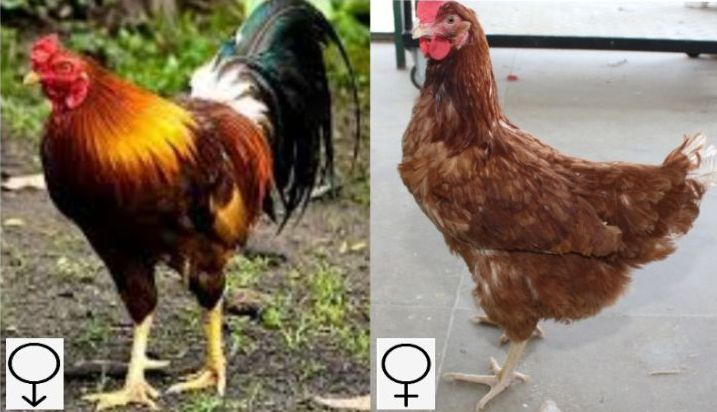
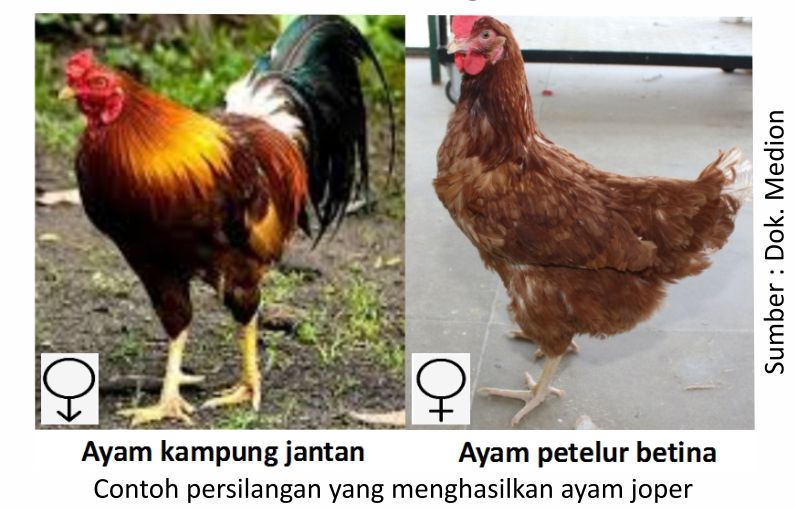
Joper chicken is the result of genetic improvement using the method grading up, that is the method of genetic improvement of chickens by crossing chicken breeds of females with males in the form of chicken, chicken bangkok, chicken pelung, chicken nunukan, chicken nagrak, chicken kedu, or using other superior local chicken species. From the results of these crosses obtained chicken rapid growth and has a high nutritional content and tastes delicious. One example of crossing is between laying hens that are used as female and free-range chickens as males. This is because laying hens can produce more eggs than free-range chickens. While the village chicken so that the children will have the nature of the village chicken. Thus, the production of DOC ayam joper can be done en masse in a shorter time.
The female and male brood of joper chickens are heterogeneous heterozygous chickens. Not a brood that has gone through a purification selection process. Chicken joper can not be called final stock or F1 derivatives are genetic 50% of the genetic male and 50% of the genetic female parent. Consequently, there will be diversity in Joper chickens. Growth, body shape, and endurance can be superior or vice versa. This depends on the genetics that the parents passed on.
DOC Joper chickens are produced using hatching artificial (artificial). Eggs from female laying hens that have been mated with village males are collected during a certain period and hatched using a hatching machine for 21 days. The use of a hatching machine is due to more effective and more timely DOC production arrangements. In addition, female laying hens also do not have incubating properties, so eggs must be hatched using other methods.
Characteristics Of Joper Chickens
The appearance of Joper chicken is almost like free-range chicken in general. It's just that the difference is:
- Male Roosters have large Combs with large and well-built Wattles, and have varied plumage colors.
- The color of Joper chicken eggs has more brown shells compared to ordinary chicken eggs that are rather White. But the shape remains the same as a normal chicken egg.
- Joper chickens have a faster harvest period. In 2 months the weight can reach 1.1-1.5 kg if the treatment is good. Aged 45-60 days is ready for consumption. This is much different from free-range chicken which generally can only be harvested after the age of > 2.5 months.
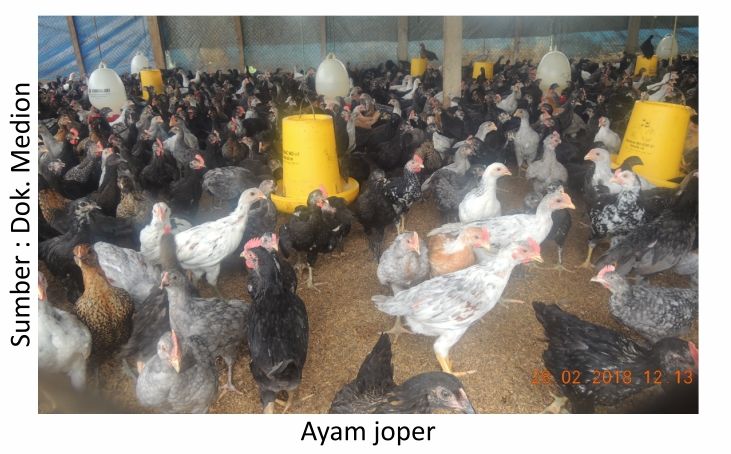
The behavior of joper chickens is also almost similar to free-range chickens in general, which has a dominant color of white and yellow, and some appear Ash, Brown and black, are more resistant to disease so that mortality is lower, and like to crow and perch. Uniquely, Joper chickens have the ability to lay eggs continuously like chickens, but do not have incubating properties.
Livestock
The cage is the most important thing in breeding. Housing conditions affect the productivity and viability of chickens during the maintenance period. A good Cage condition starts from choosing a strategic location but far from residential areas and has an air environment suitable for chickens. A good environment is influenced by air temperature and humidity. The existence of water sources, especially groundwater, is very important. For DOC's cage needs to be given warmers, this is intended so that DOC is not cold. In the cage the temperature is tried not to get too hot about about 30-32oC. Good cage structure and layout, as well as good landscaping equipment are also important things.
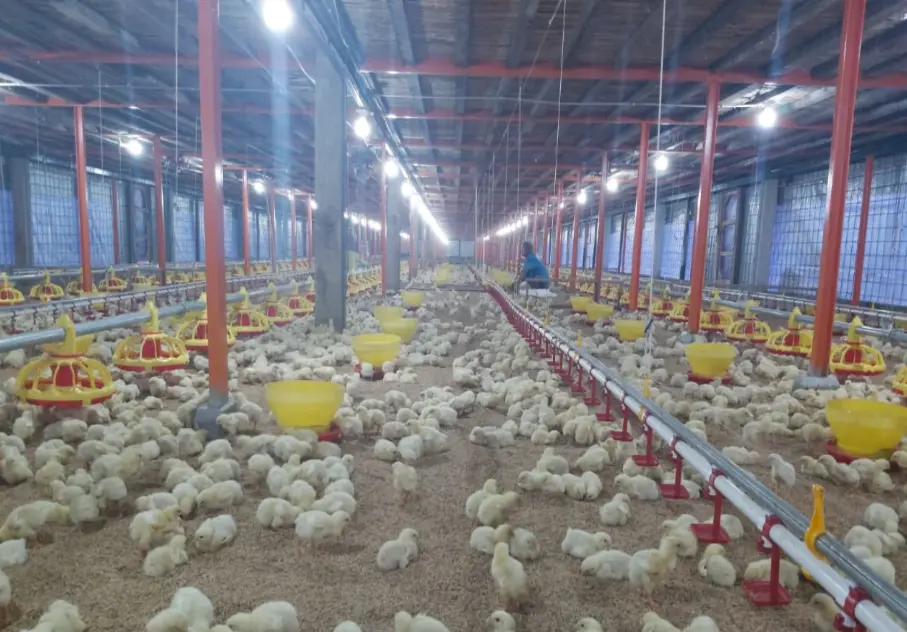
For joper chicken coops that are maintained from DOC to harvest, they are divided into DOC maintenance cages and enlargement cage cages.
1. Joper chicken DOC cage (brood)
Brood cages are used from 0-3 weeks of age. Cages provided for DOC generally shaped box in which there is an artificial heating source that serves as a heater. This heater in the form of a lamp with a power of 5 to 10 watts.
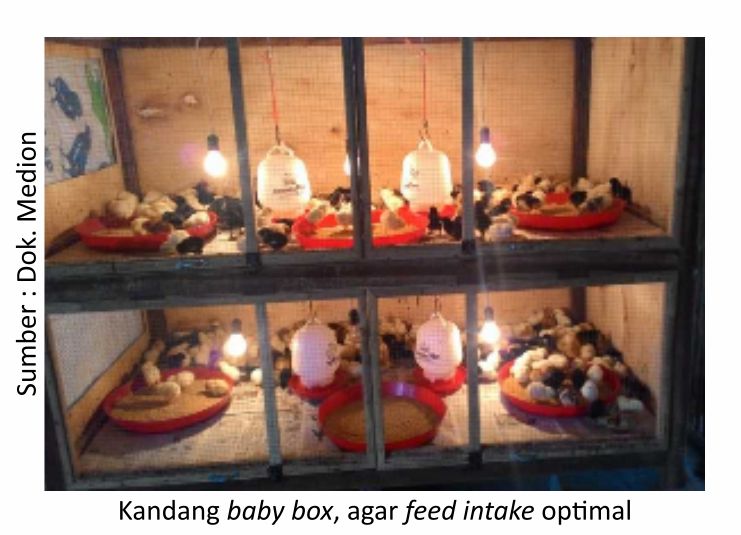
In addition to using baby box, DOC can also be kept in a postal cage. The warmers used in the type of postal Cage are central heater, for example Medion gas (IGM)inductor.
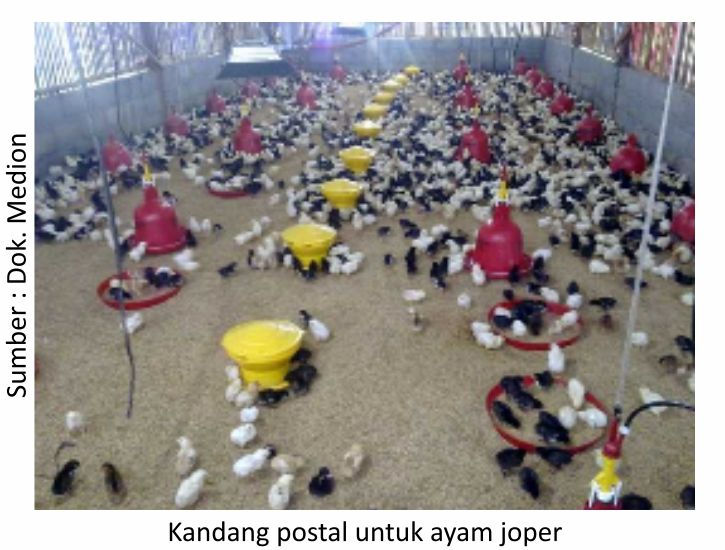
DOC maintenance is a very priority because this phase determines how the harvest will be produced. DOC's progress must be observed every day.
Perform temperature and humidity control brooding period, periodically and as often as possible. Related to the method can use a thermometer placed in the cage brooding period, with a height of 20-30 cm from litter. During the day, if the ambient temperature is too hot, then the heater IGM it can be turned off and the curtain opened slightly. To determine the adequacy of the heater can be seen from the distribution of chickens in cages.
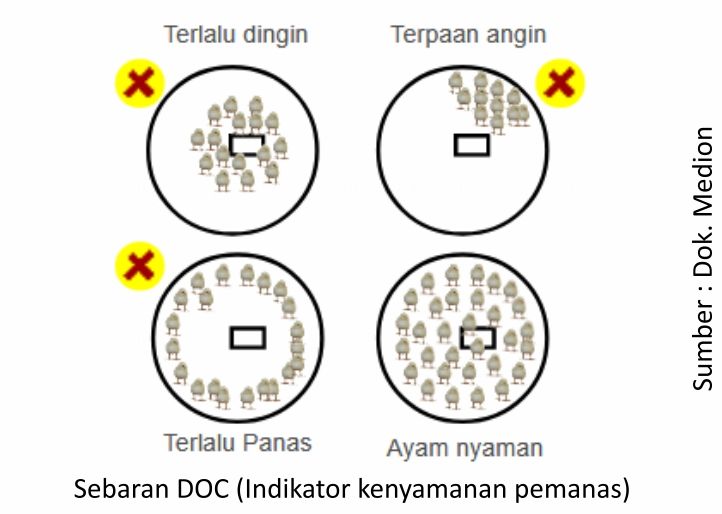
2. Joper chicken enlargement cage
Enlargement cages do not have a standard size. The size can be adjusted to the available land. In general, the size of the cage has a width of 6-9 meters and a length of 50-70 meters. Capacity of about 8 heads / m2 for chickens that are ready to harvest.
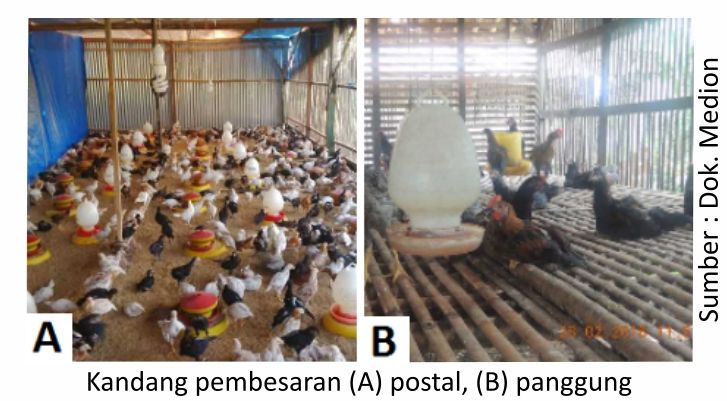
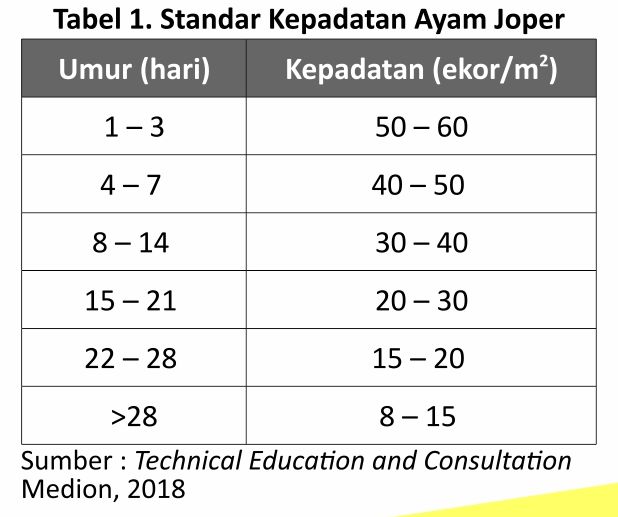
For joper chickens, the right settings are needed so that the chickens remain in comfortable conditions and do not jostle. The more the age of the chicken, the chicken needs a wider cage. Table 1 shows the density standards for joper chickens.
Nutritional Needs Of Joper Chickens
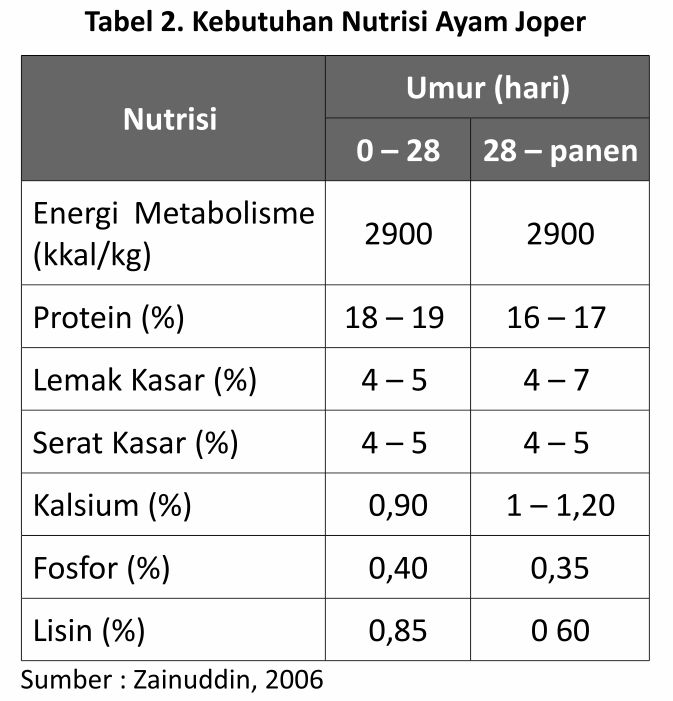
In addition to the cage, feed is also something that needs to be considered in breeding. Likewise with raising joper chickens, the intake of nutrients and nutrients must be met every day so that they can grow quickly and well. With a fairly short maintenance period, joper chickens do not need a lot of feed during maintenance. Feed consumption from DOC to the harvest period (for 2 months) an average of 2.2 kg per head.
The quantity and quality of feed provided largely determines the productivity of Joper chickens. The fulfillment of the need for these nutrients, plays a role in increasing body weight. Another thing to note is also in meeting the nutritional needs of joper chickens, including when changing feed to the next period, it must be done gradually so that the livestock can adapt to the new feed quality. Before and after the change of feed also give multivitamins such as Vita Stress. Feeding should not be late because it will affect body weight.
Here are some good types of feed for joper chickens:
1. Finished Feed
Joper chickens that are still DOC can be given finished feed. This is because the finished feed is easily digested by the chicks. In addition, finished feeding is also aimed at improving nutrition for livestock.
2. Bran
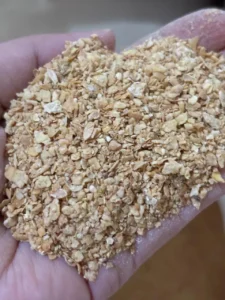
Bran is by product from the priesthood. Bran is a type of raw material ration that is commonly given to livestock because it contains a high source of energy and amino acids. Metabolic energy in Bran is 2,340 kcal / kg. Giving Bran to joper chickens needs to be limited because it contains 10.2% coarse fiber that is difficult to digest. The limit for the use of Bran in joper chickens is 10-15%.
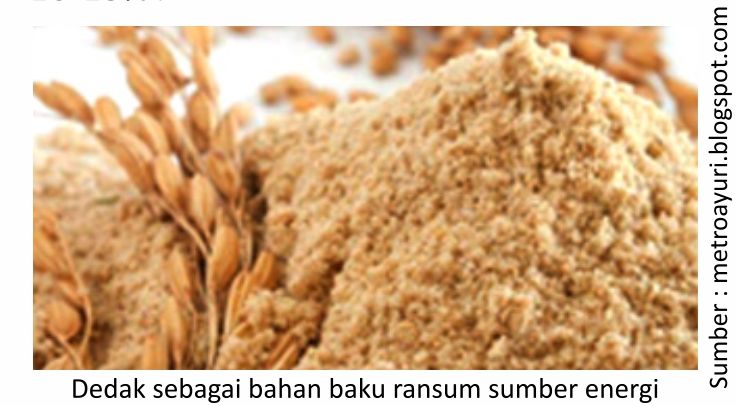
The use of Bran that exceeds the maximum limit will reduce productivity due to the content of phytic acid in rice bran so that phosphorus and amino acids are difficult to digest and utilized by chickens.
3. Cassava flour
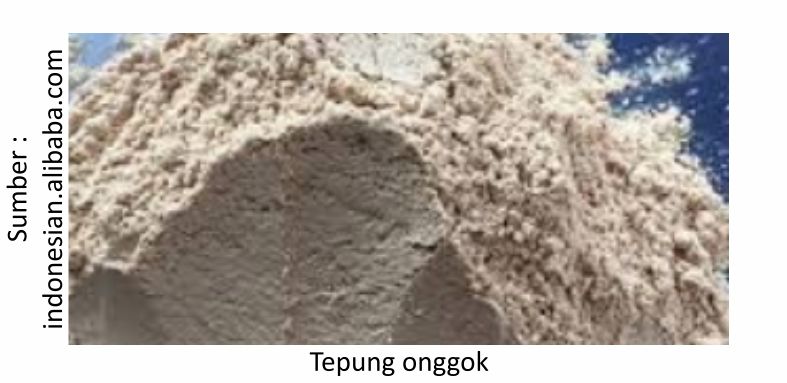
Onggok comes from processed cassava waste into tapioca flour. The metabolic content is quite high, which is around 2,956 kcal/kg. However, its administration is limited to only 5-10%.
4. Pollard
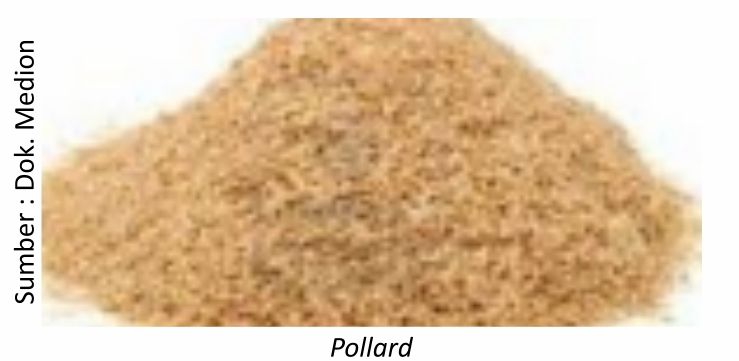
Pollard is a waste of processed wheat into wheat flour. Pollard suitable as chicken feed ingredients joper. However, its use should be limited to about 5-10%. Although the energy content is relatively high, but the fiber content that can make chicken diarrhea (loose stools).
5. Corn
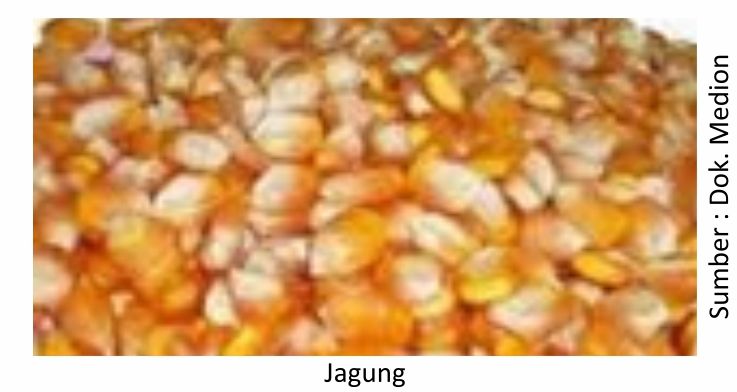
Corn is a grain favored by chickens and become one type of feed that has been used since the first. In addition, corn contains a lot of carbohydrates. The provision can be adjusted to the age of the chicken, corn can be given in whole form, coarse milled corn or finely milled corn. Whole corn feed can be given to adult joper chickens. In Indonesia there are 3 types of corn, namely red corn, white corn and yellow corn. However, among the corn, yellow corn is the one that has the greatest nutritional content. Its energy content reaches 3300 kcal / kg. But the price of yellow corn is still relatively expensive.
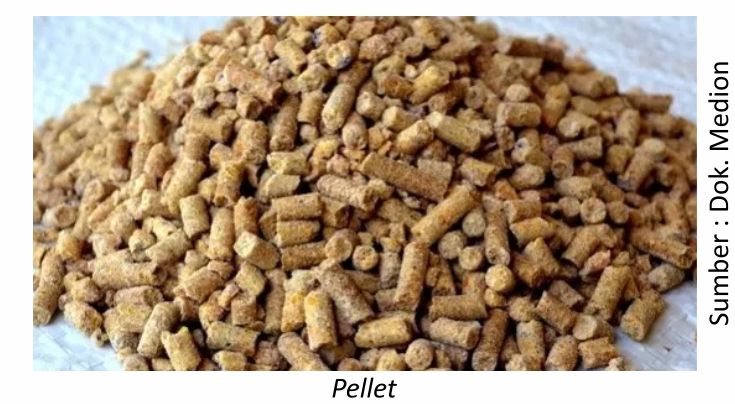
A good particle shape to give to Joper chickens is the feed form pellet. Pellet is a feed that is ground and then compacted. In addition, pellet this is a feed that chickens really like because pellet can increase appetite. In addition, feed efficiency pellet higher than that of the feed form of flour (mash).
After the feed, drinking water should also always be available or ad libitum. Also note the quality of drinking water both physical, chemical and microorganism content.
How to keep chickens healthy and produce optimally?
Diseases that often attack Joper chickens are generally in the form of ND/tetelo, AI, snot and Gumboro diseases. The things we need to pay attention to so that joper chickens remain prime, not susceptible to disease and optimal production include:
A. Maximize management and nutrition
Management and nutrition play an important role in a maintenance because it can support the achievement of productivity targets. In addition, feed costs are also the largest contributor to the total cost of raising chickens, which is 70-85%.
B. Minimize disease seeds
Biosecurity is the keyword of the process of minimizing the seeds of disease. Without application biosecurity good, then the high population of seedlings will live in cages. This can cause joper chickens to be susceptible to disease infection. Application biosecurity it can be done in the following ways:
C. Maintain the cleanliness of the cage and equipment
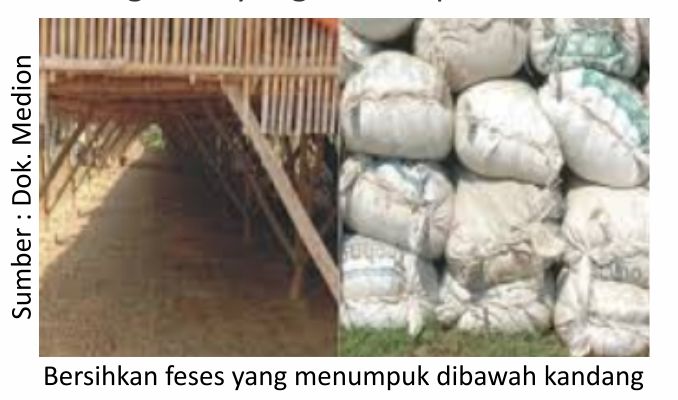
Efforts to maintain cleanliness include sanitation and disinfection of cages and equipment. Job descriptions: responsible to ensure the quality of the product and the quality of the product. responsible to ensure the quality of the product. responsible to ensure the quality of the product. responsible to ensure the quality of the product. responsible to Medisep/Antisep/Neo Antisep and drinking water sanitation with Desinsep. Clean and remove accumulated feces.
D. Isolation of sick joper chickens
Sick joper chicken is the main source of transmission of disease seeds and should be separated immediately so that transmission can be minimized, especially Coryza disease. Meanwhile, the dead joper chickens are immediately removed from the cage and destroyed by being buried or burned.
Good health Program
- Vaccination
Compared to other birds, joper chicken is a type of poultry that has a fairly high body resistance to disease, but still must be vaccinated which aims to bully the immune system in the body in order to produce antibodies so that the immune system is more optimal Joper chicken.
Some things that need to be considered in Joper chicken vaccination are vaccination programs adapted to local conditions, proper vaccine administration techniques, uniform vaccine doses, and given to healthy joper chickens. Giving vaccines to joper chickens must also be in accordance with the needs, from the type and dose of the vaccine, as well as the time and method of administering the vaccine. Use good quality water if vaccinations are given through drinking water. Make sure the syringe is sterile and the needle is sharp if the vaccine application is by injection (injection).
- Cleaning program
Cleaning program aims to kill the seeds of diseases that are in the incubation period (the period between the entry of the seeds of the disease to cause clinical symptoms). Cleaning program can be compiled based on the history of diseases that occur in farm in question, both for determining the age of antibiotic administration and the type of antibiotic to be used.
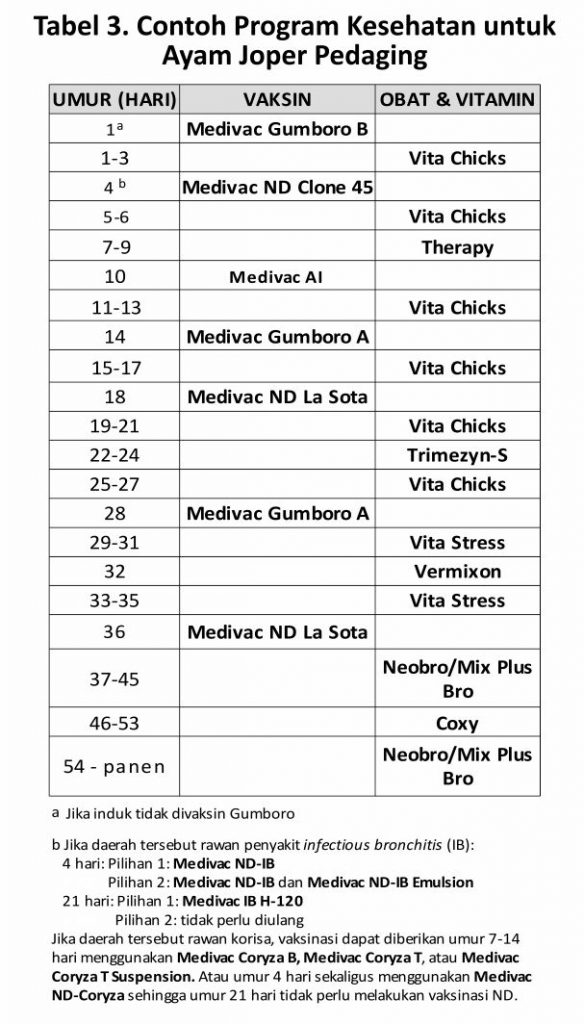
Administration of broad-spectrum antibiotics such as Therapy or Neo Meditril can be administered for 3-5 days before the occurrence of the disease (note the history outbreak on previous maintenance). In addition, it can also provide herbal alternatives such as Fithera untuk mencegah penyakit Koksidiosis, Coryza, Colibacillosis dan CRD.
- Supplementation
Supplementation for Joper chicken aims to reduce stress, increase stamina and body power Joper chicken, and maintain optimal productivity. Its type of supplement consists of vitamins, minerals, amino acids and immunostimulants. Some products that can be given include Vita Chicks, Vita Stress, Neobro and Mix Plus BAP3A.
Joper Chicken Market Prospects
Simple farming techniques with considerable profits become meaningless if the sale of crops is difficult or the selling price does not benefit the farmer. This almost never happens to chickens.
Currently, the supply of joper chicken from farmers in various regions has not been able to meet consumer needs so that prices are maintained and relatively stable. The main factor is the limited supply of seeds or chicken DOC joper. Joper chicken breeders are generally farmers with a production capacity of only about thousands of DOC per period. Different from chicken broiler, where DOC produced large breeding companies capable of producing millions of heads each time the production period.
Joper chicken cultivation has good potential to be developed. In order for this potential to be achieved, Of course, farmers must pay attention to the balance of the right health program and the creation of a comfortable environment. Furthermore, well-coordinated maintenance management is needed so that production can last longer and maximum profit can be obtained by farmers. Greetings.