Mr Hary
Malang-East Java
How can chickens lay eggs to the maximum apart from the feed factor?
In response to the question above we can explain as follows:
In order for maximum chicken production should be started from the achievement of the target pullet chicken (chicken dara / chicken ready to produce) that is the weight according to the standard (+ 1385 g/tail at the age of 16 weeks) and the uniformity of the chicken seen from the weight and maturity reached > 80 %. Chicken target order pullet note the following :
- Maintenance period the starter period must be absolutely optimal because it largely determines the next maintenance period.
- The quality of the ration given to chickens must be in accordance with the needs of chickens, especially the content of metabolic energy and protein for each period. In the period grower lower than the maintenance period starter and layer.
- Keep condition farm to be convenient for the maintenance of chickens, such as sufficient availability of air vents for smooth air circulation so that the cage is not too hot/stuffy. In addition, so that oxygen is available in sufficient quantities. Also avoid things that cause stress chickens.
- Carry out health programs such as vaccination and antibiotic administration to prevent infection and provide immunity to the chicken's body.
- Perform weight control (BB) on a regular basis and immediately perform treatment when BB is not in accordance with the standard.
- Also note The Lighting program, at the time grower should not add lighting because it can cause premature genital mature as a result chickens will lay eggs earlier but can not reach peak production and egg quality is also bad (small egg size).
Quality pullet will affect the productivity of chickens in the production period. After pullet ready to produce, the next thing to note when the layer namely :
- Ration nutrition management and drinking water provide chicken ration nutrition according to the production period both in quality and quantity. Make the alternation of ration quality from the ration of the period grower to period layer, when changing rations, do this gradually so that the chickens can adapt to the quality of the new ration. Before and after the alternation of quality ration give multivitamins such as Vita Stress or Fortevit. Giving rations should not be late because it will affect egg production. Also pay attention to the adequacy of calcium (Ca), phosphorus (P) and vitamin D, because it greatly affects the quality of eggs. Drinking water is given ad libitum (continuously), but also pay attention to the quality of drinking water both physical, chemical and microbial content.
- Lighting managementthe addition of light as soon as there are chickens laying eggs, from the original 12 hours (period grower) added 4 hours. So when the peak of lighting production has reached 16 hours, this lighting should not be reduced because the light will stimulate egg production simultaneously. Use lights with red orange light intensity given 20-40 lux.
- Livestock rearing management such as moving cages is carried out at the age of 12-13 weeks or a maximum of 2 weeks before production (laying eggs), or there are some farmers who move cages from the age of 6-7 weeks (at once grading total or sorting chickens according to weight, this is to get a uniform chicken). Moving cages should be done early in the morning or evening, to minimize stress chickens. Pay attention to air ventilation both flow and wind speed, oxygen adequacy will affect the production and quality of chicken eggs.
- Livestock health managementthe last vaccination is maximum carried out 2 weeks before production. Should not vaccinate during the critical period (early production to peak production). Monitoring antibody titer ND, AI, EDS and IB routinely at least 1 month, to see the Protectivity of antibody titer is still protecting or not. Monitoring this titer will determine the ND, AI and IB revaccination schedule.
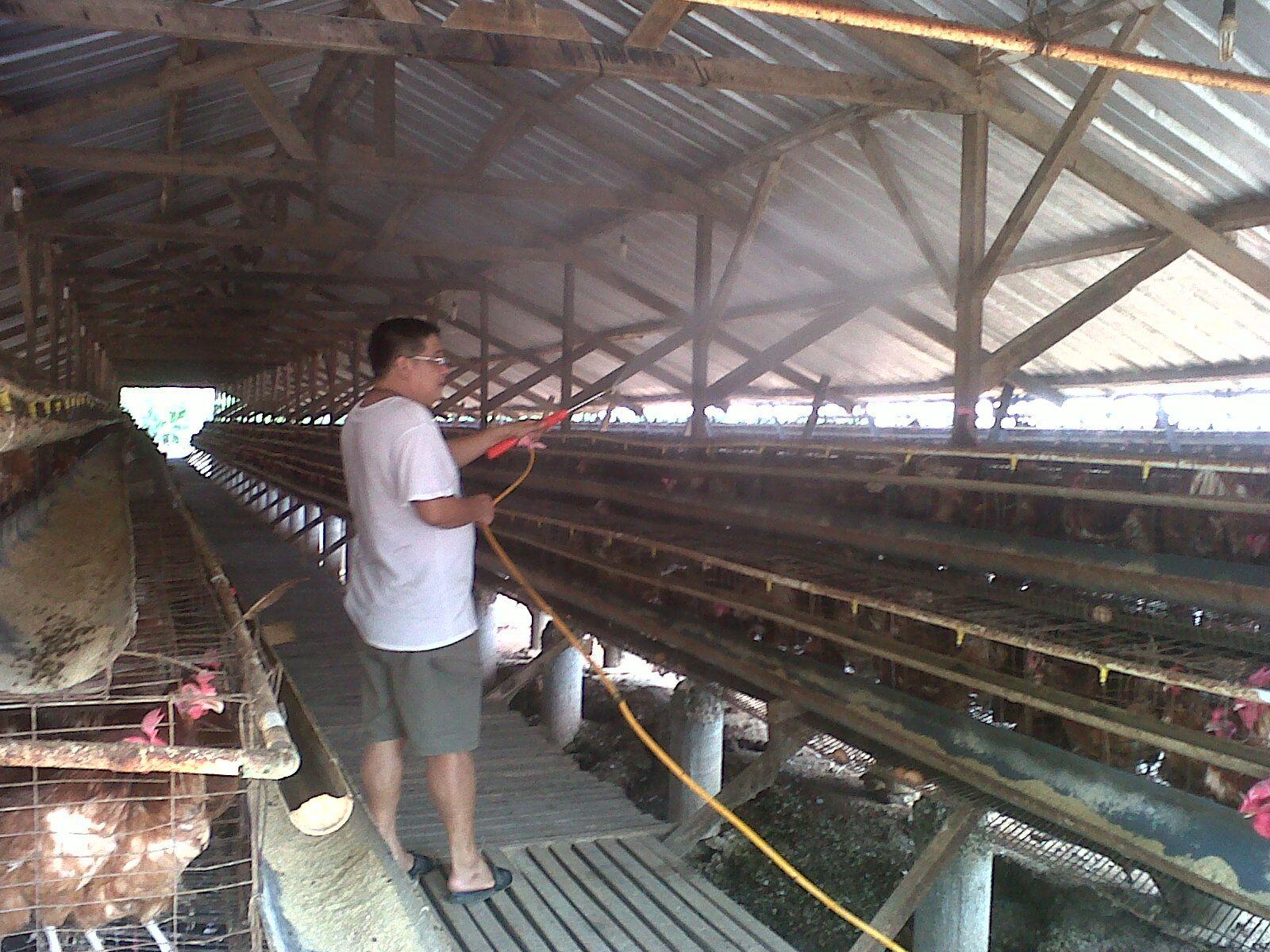
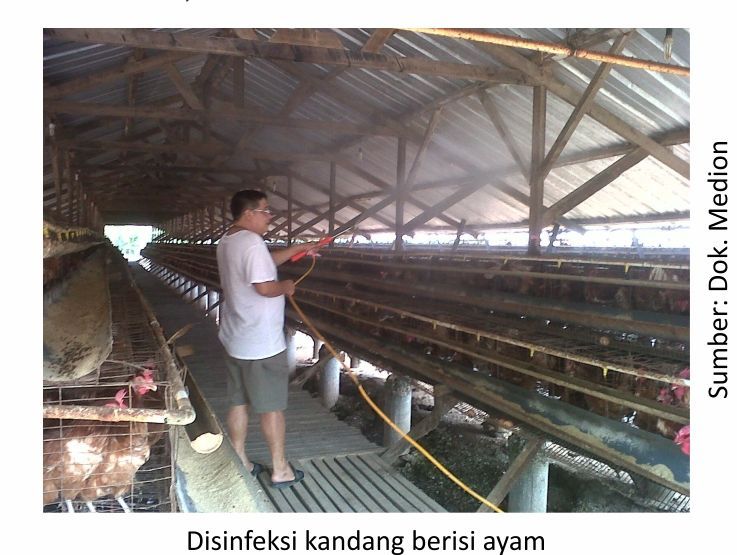
- Perform regular cage sanitation and disinfection using Sporades, Formades, or Zaldes.
- If necessary give antibiotics such as Neo Meditril, Therapy or Proxan-S (choose one and adjust to diseases that often attack) at a time when age is prone to disease.
- Egg consumption is carried out 2 – 3 times a day. Make a selection of the quality of the eggs include cracks, breaks, shellfish color and thickness of the shell.