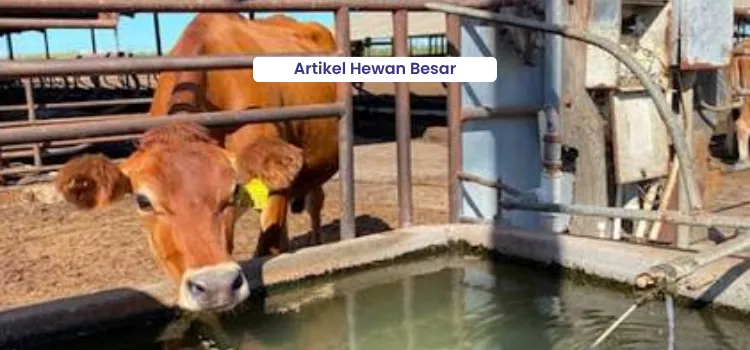
Diarrhea is one of the most common health problems faced by cattle farmers, especially in calves under one month old. This condition occurs when the calf's digestive system, which is not yet fully optimal, is disrupted by infectious attacks or non-infectious factors such as inappropriate feed adaptation. Besides calves, digestive disorders in general are also often experienced by adult cattle during extreme weather changes (sudden hot or cold temperatures), long-distance transportation, moving pens, and changes in feeding patterns due to physiological stress in the cows. This stressful condition has been shown to reduce appetite, weaken the immune system, and make cattle more susceptible to gastrointestinal infections, including diarrhea. Given these challenges, a comprehensive solution is needed to control the impact of diarrhea cases to minimize economic losses.
Causes of Diarrhea in Calves and Adult Cattle
Diarrhea in cattle can be caused by various factors, both infectious and non-infectious. In calves, infectious causes are the most vulnerable, given that their immune systems are not yet fully developed and rely on colostrum intake from day one. The transition from liquid feed (milk/milk replacer) to solid feed during weaning is also a critical moment that is prone to triggering diarrhea due to the digestive system not yet fully adapting to digesting fiber-rich feed. If weaning is carried out too early or without a sufficient transition period, the calf's digestive capacity is not ready to process high-fiber feed, resulting in disorders such as nutritional diarrhea, reduced growth rate, and digestive stress, which make calves more susceptible to secondary infections.
From bacterial factors, Escherichia coli (especially enterotoxigenic strains/ETEC) is the most common cause of diarrhea in calves aged 1–4 days, where the bacteria attach to the intestinal wall and produce toxins that trigger excessive fluid secretion. In addition, Salmonella spp. and Clostridium perfringens are also frequently found to cause more severe diarrhea, often accompanied by blood in the stool and serious systemic conditions. Meanwhile, from the parasitic side, protozoa such as Coccidia (Eimeria spp.) more often attacks calves >3 months and can cause bloody diarrhea due to damage to the intestinal mucosa.
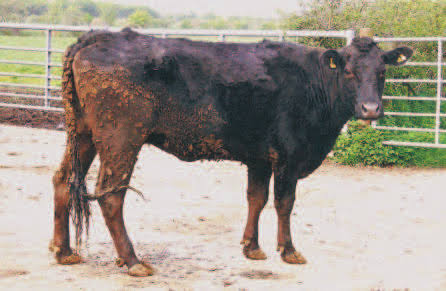
In adult cattle, although infectious causes such as bacteria (Salmonella), viruses (BVD/Bovine Viral Diarrhea), and worm parasites in the digestive tract sometimes occur, but feed factors are a far more dominant and often overlooked cause. Sudden feed changes, such as changing forage types, drastically increasing the proportion of concentrates/grains, or providing inappropriately fermented feed, can disrupt the rumen pH balance and trigger acidosis. Symptoms include decreased appetite, soft to liquid feces, bloating, lethargy, and in severe cases, damage to the rumen wall.
Poor-quality feed (molded, contaminated with mycotoxins, or too low in fiber) can also damage the rumen and intestinal microflora. Furthermore, an unbalanced protein or mineral composition in the feed can sometimes trigger digestive disorders. These factors often do not stand alone but rather become a complication. For example, a viral infection that damages the intestinal wall makes it easier for pathogenic bacteria to multiply, coupled with stress caused by poor feed, which reduces the cow's immunity to infection. Physiologically, stress triggers the cow's body to release excessive amounts of the hormone cortisol, which directly suppresses the immune system (immunosuppression), reduces digestive tract motility (movement), and changes in the composition of the intestinal microflora. This condition is the bridge between stress factors and the emergence of digestive disorders, including diarrhea.
Extreme weather changes are one of the most common stressors faced by cattle, particularly in tropical regions like Indonesia, which experience high rainfall and significant daily temperature fluctuations. In excessively hot weather conditions (heat stress), cattle experience decreased appetite but increased water consumption, which can dilute digestive fluids and speed up the rate at which feed passes through the digestive tract before nutrients are fully absorbed. Conversely, sudden exposure to cold temperatures or high humidity (for example, during the rainy season) can suppress the immune system of the intestinal mucosa, making cattle more susceptible to bacterial and viral infections that cause diarrhea that were previously latent or asymptomatic.
During transportation, whether over short or long distances, cattle experience a combination of physical stress (jolting, limited mobility, overheating or cold in the vehicle) and psychological stress (noise, separation from the group, unfamiliar surroundings). This combination leads to decreased feed and water intake during the journey, while increased stress hormones accelerate gastric and intestinal emptying, thus disrupting the digestive process. Furthermore, overcrowding in transport increases the risk of pathogen transmission between individuals, which upon arrival at the destination can develop into infectious diarrhea, also known as part of a shipping fever syndrome.
Impact of Diarrhea
Diarrhea left untreated can develop into a life-threatening condition for livestock and cause economic losses for farmers. The most immediate impact of diarrhea is dehydration, the excessive loss of body fluids through persistent, watery stools. This condition is much more risky in calves than in adult cattle because the proportion of body fluids to body weight is much higher in calves. Rapid dehydration causes the body to lose vital electrolytes such as sodium, potassium, and chloride, which maintain fluid balance and support the normal functioning of the heart, nerves, and muscles. This electrolyte imbalance can trigger metabolic acidosis, a condition in which the blood pH becomes too acidic due to the accumulation of lactic acid and other acidic compounds. This disrupts vital organ function and causes calves to become weak, have difficulty standing, and even experience circulatory failure.
In addition to dehydration, prolonged diarrhea also causes drastic weight loss. This occurs due to damage to the intestinal villi, which prevents the body from absorbing nutrients from the feed or milk consumed. As a result, cows experience energy and protein deficits despite adequate food intake, a condition known as malabsorption. In calves, this weight loss during the early growth phase has long-term consequences, as it can inhibit optimal growth, delay reaching breeding or slaughter weight, and reduce the cow's productivity in adulthood, both in terms of milk and meat production.
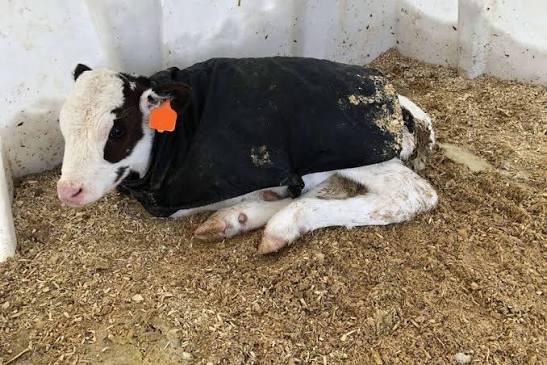
If dehydration and electrolyte imbalances are not promptly addressed, the most serious consequence is death. In calves, death from diarrhea can occur within 1–2 days of the first symptoms appearing, especially if accompanied by secondary infection by pathogenic bacteria. Literature shows that diarrhea is one of the leading causes of death in calves under one month of age. In addition to the immediate risk of death, cattle that survive severe diarrhea also tend to experience long-term immune system impairment, making them more susceptible to secondary infections such as pneumonia or recurrent gastrointestinal infections, increasing medical costs and reducing farm efficiency.
Prevention of Diarrhea in Cattle
Diarrhea prevention requires a comprehensive approach, encompassing colostrum management, environmental hygiene, feed management, and stress management. Therefore, preventative measures that can be taken include:
- In calves, maximizing colostrum can be the primary source of passive immunity. The ideal principle of colostrum administration is known as the "3Qs." Quickly (given in the first 1–2 hours after birth, Quantity (sufficient amount, generally around 10% of the calf's body weight), and Quality (good quality colostrum, characterized by high immunoglobulin content).
- Barns need to be kept dry and clean. Separating newborn calves from adult cows or sick calves, regularly changing bedding, and periodically disinfecting feeding and drinking equipment can help reduce pathogen stress in the farm environment. Barn disinfection can be done using: Medisep/Neo Antisep/Sporades minimum during livestock changes.
- Any changes in feed type or composition should be made gradually over a period of 7–14 days. In calves, the weaning process is carried out gradually by introducing solid feed from an early age, interspersed with maintaining milk intake, so that rumen development is optimal before the calf becomes completely dependent on fiber feed. Provide solid feed or concentrates with the addition of Mix Plus Cattle Pro to improve feed quality and provide more balanced nutrition. Feed quality also needs to be maintained by ensuring that feed ingredients are free of fungi, mycotoxins, and other contaminants that can disrupt the balance of the digestive tract microflora.
- Additional nutritional support in the form of supplements containing multivitamins, prebiotics, or electrolytes can be given preventatively, especially during critical periods prone to diarrhea, such as post-birth, weaning, post-transportation, or during seasonal changes. For example, adding probiotics Bacillus sp. deep Probiomix to maintain digestive efficiency.
- Manage stress by minimizing environmental stressors. This includes providing adequate shade to protect livestock from excessive heat or rain, maintaining adequate crowding, and managing transportation to minimize travel time and ensure the availability of drinking water during transport. When moving livestock or grouping animals, providing adequate adaptation time and closely monitoring livestock health can help detect early symptoms before they develop into more severe cases. Transolite can be mixed with drinking water to overcome fatigue and stress when cows have difficulty eating.
Handling Diarrhea in Cattle
Effective treatment of diarrhea in ruminant livestock is by correcting the root causes and addressing the symptoms and impacts.
- In cases of diarrhea caused by bacteria, systemic antibiotics are administered according to the cause of the disease, as directed by the animal health team. Antibiotics can be used to treat bacterial infections. Medoxy LA and G-Mox 15% LA Inj or via oral such as Trimezyn Bolus and Neo Meditril Bolus. If the cause is worms, you can be given anthelmintic drugs such as Wormzol-B and if diarrhea due to coccidiosis can be assigned such anticoxidants Toltradex. Improve cage sanitation to break the parasite life cycle and prevent reinfection.
- To overcome the symptoms of diarrhea, first aid is to give antidiarrheal medication. Diaquit. Diaquit contains a combination of prebiotics, minerals and antidiarrheal. Prebiotics in Diaquit It works to reduce diarrhea by modifying the gastrointestinal ecosystem and reducing the colonization of pathogens/harmful bacteria in the intestines. Minerals function to maintain and balance fluids in the body caused by diarrhea. Meanwhile, the antidiarrheal content works by binding toxic substances that cause diarrhea, solidifying stool consistency, and reducing irritation to the intestinal wall caused by constant friction from liquid stool. The combination in Diaquit Effectively accelerates recovery from diarrhea and rehydrates livestock lost fluids due to diarrhea. The recommended dosage for cattle is 30 grams per head or 10 grams per 100 kg of body weight, and for sheep and goats, 15 grams per head.
- In certain cases, administration of anti-inflammatory or antipyretic drugs Medipiron Injection may be considered if livestock show significant signs of fever or inflammation.
- Provide support to speed up recovery with supplements such as Injekvit B Plex.
- If diarrhea is triggered by a sudden feed change or rumen acidosis, the primary step is to temporarily stop feeding high-concentrate feed and return the animal to quality forage with gradual adjustments. Digesfit which can increase appetite, improve digestion and digestive disorders such as acidosis and indigestion, and improve livestock performance.
- For diarrhea due to environmental stress, make direct management improvements such as providing shade, regulating cage density, providing a sufficient adaptation period and providing... Transolite.
Diarrhea in ruminants is a complex health problem, and can be triggered by bacterial, viral, or parasitic infections, as well as non-infectious factors such as feed changes, weaning, and environmental stress. With proper nutritional support and good preventative management, the risk of diarrhea can be reduced, thereby maintaining livestock productivity. Consult a veterinarian for a diagnosis and appropriate dosage. We hope this is helpful.