Introduction
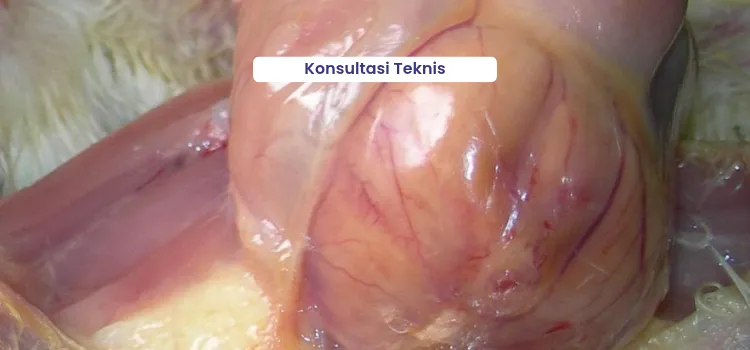
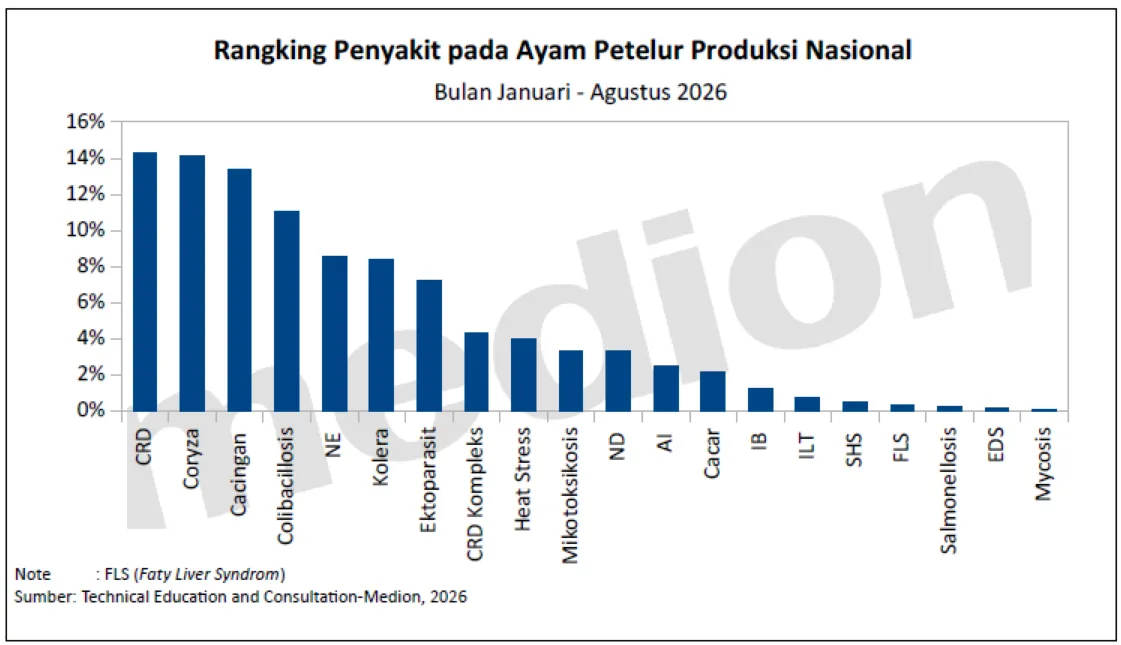
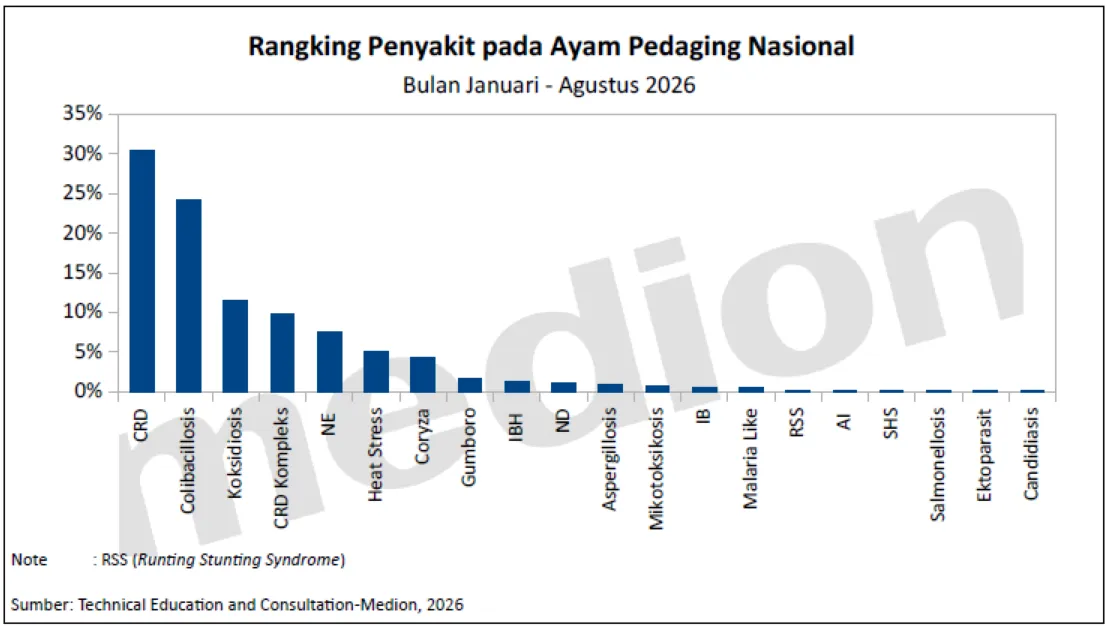
The poultry industry in Indonesia is developing rapidly towards an intensive rearing system with high population density (stocking density) high and the application of modern technology such as the use of cages closed house to meet the community's animal protein needs. However, this change in production system has significant biological consequences, one of which is the increased susceptibility of poultry populations to respiratory diseases. Among the various pathogen challenges, Chronic Respiratory Disease (CRD) and its co-infection form, CRD Complex, remain two diseases that are frequently diagnosed based on clinical findings and characteristic changes in chicken organs (Charts 1 and 2).
As seen in the national disease ranking charts in Graphs 1 and 2, CRD is the most frequently diagnosed disease in both broiler and layer chicken production. This indicates that CRD is quite difficult to eliminate from the chicken farming ecosystem, whether in the breeder, broiler, or layer sectors.
Despite rapid advances in husbandry technology, biosecurity implementation, feed formulation, and vaccination against CRD causative agents, this disease continues to recur (re-emerging). This article will review a comprehensive analysis of the disease agent factors, disease transmission or transmission, the dynamics of CRD weakening the immune system so that it triggers the emergence of secondary infections with other diseases, as well as the failure of air management in the barn that causes CRD and CRD Complex to constantly perpetuate its existence in the poultry environment.
One of issue Another concern in 2026 is the decline in air quality in several regions of the country. This decline is due to the presence of thick smoke, which significantly disrupts activities and negatively impacts respiratory health. The impacts are felt not only by humans but also by wild animals and the livestock we keep.
Medion's field teams, working in several poultry farming hubs, such as Palembang, Lampung, Jambi, Riau, Payakumbuh, Banjarbaru, and various other areas, particularly in Sumatra, Kalimantan, and parts of Sulawesi, have reported an increased susceptibility to respiratory disorders in poultry. These respiratory disorders include the emergence of CRD and CRD Complex cases. As found by the Medion field team in these areas, these respiratory disorders in poultry are not limited to open-house farms (open house) but also cages with a closed air management system (closed house). Because polluted air or smoke from outside the cage is still drawn into the cage through inlet/cell-pad.
Currently, fellow farmers can monitor the air quality in their surrounding environment online. updates, via the official website of the National Disaster Management Agency (BNPB) as follows Figure 1 (example of a screenshot taken on Friday, October 23, 2026, at 9:40 WIB).
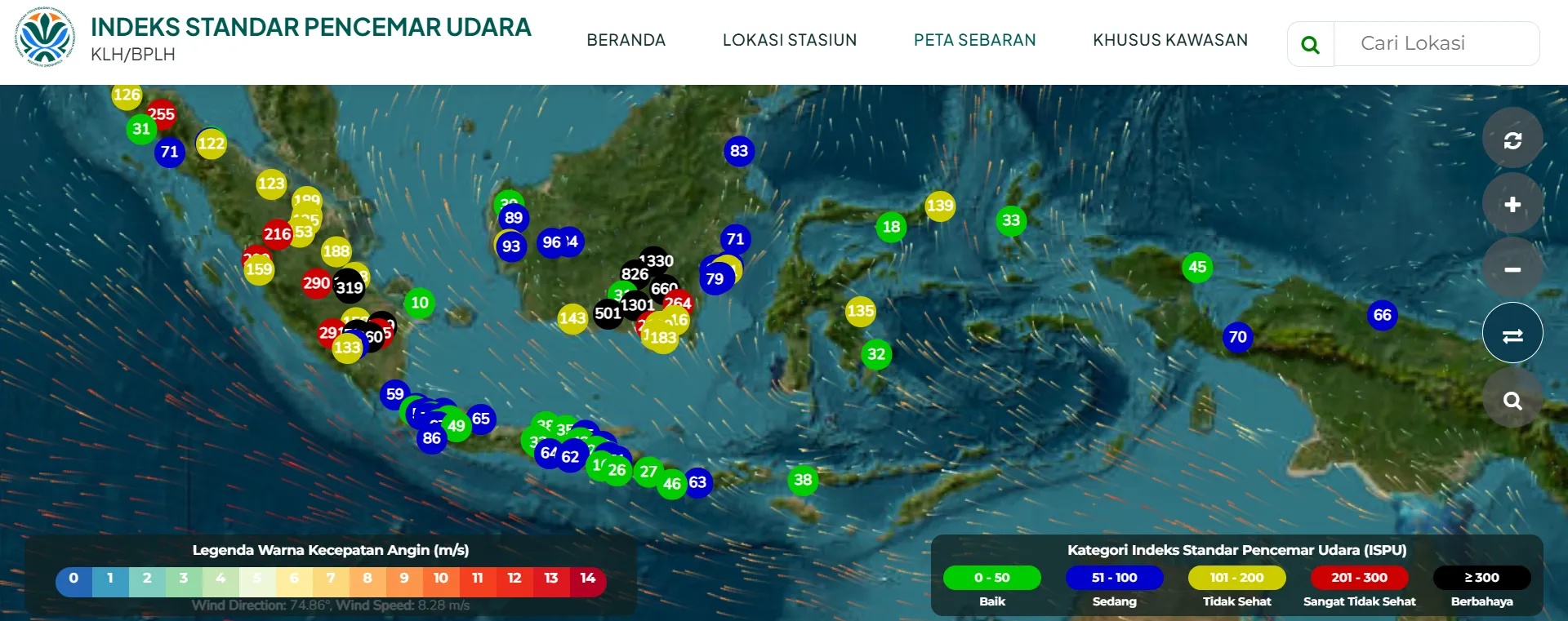
The map in Figure 1 shows that at several points on the islands of Sumatra and Kalimantan the index is >300, which means "Dangerous". By observing the distribution of air pollution quality through the page, especially for breeders located in poultry farming centers at vulnerable points (index >101, "Not healthy" up to "Dangerous") should pay more attention to the potential impacts on both us as humans/farmers and the poultry we raise, especially to avoid upper respiratory tract infections (URTIs) in humans and CRD/CRD Complex in poultry.
CRD and CRD Complex are persistent problems in breeding, broiler, and layer farms. The prevalence of cases throughout the year, affecting all ages of birds, is a critical factor in controlling these diseases in the field. This article will also discuss the reasons for the persistent occurrence of CRD and CRD Complex and their integrated control strategies.
Biological Characteristics of Causative Agents of CRD and CRD Complex
The main etiologic agent of CRD is Mycoplasma gallisepticum (MG), a microorganism that does not have a cell nucleus membrane (prokaryotic), is included in the class MollicutesMG is characterized by the absence of a cell wall. This absence of a cell wall significantly impacts:
- Natural resistance of MG to antibiotics: MG is naturally resistant to beta-lactam antibiotics (such as penicillin, amoxicillin, and cephalosporins) which work by disrupting cell wall synthesis. In addition, drugs containing the active ingredient Fosfomycin also ineffective, because the drug's mechanism of action is similar to beta-lactam, namely inhibiting cell wall synthesis.
- Flexibility of cell shape and ability of MG to attach to host cell receptors: Without a rigid or stiff cell wall, MG can change its shape to adhere tightly to the surface of the host's respiratory tract ciliated epithelium using a structure adhesin special (cytadherence organelle). In addition, MG has the ability of surface antigenic variation (surface antigenic variation) that allows this bacterial population to continuously change the profile of its major membrane proteins. This mechanism effectively helps MG deceive the host's humoral/antibody immune system and cause persistent and chronic infections.
The virulence factors of MG include motility, adhesion to target cells, penetration of host cells, and modulation of the host's immune response. MG can also survive outside the host's body or in the environment. Several studies have shown that MG can survive in feces for 1-3 days at 20°C, in egg yolk for 18 weeks at 37°C, or for 6 weeks at 20°C.
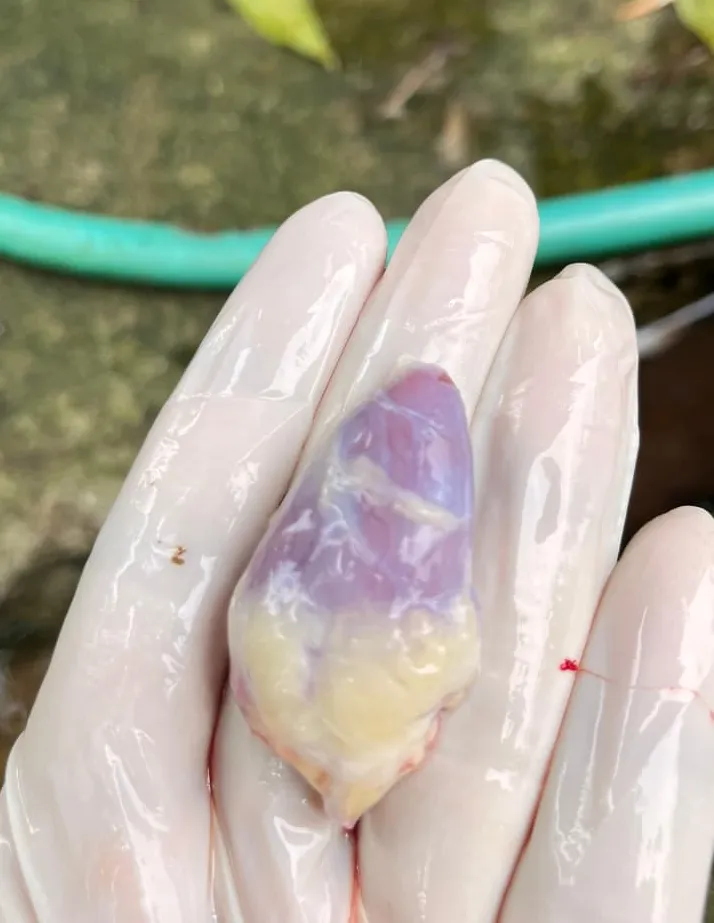
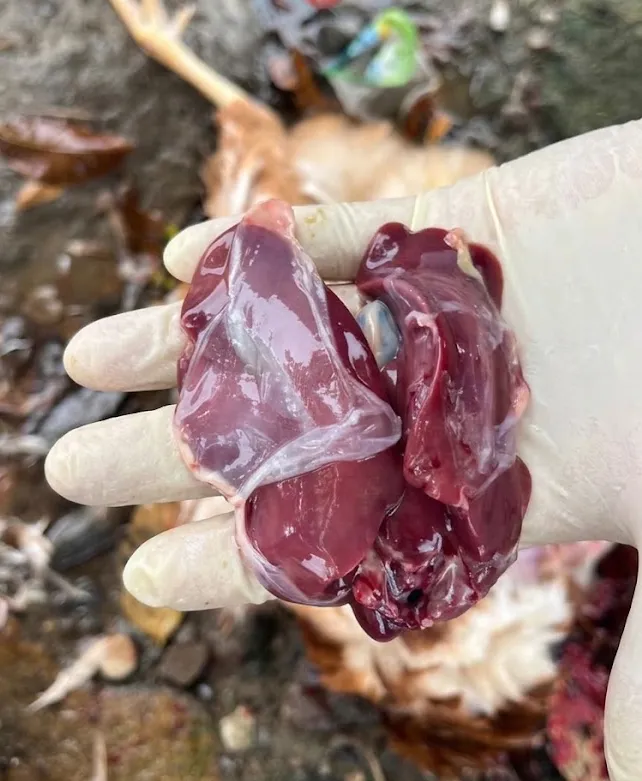
Colibacillosis (dyspnea, heart and liver covered by fibrin) is a disease caused by bacteria Escherichia coli (E. Coli infection). Diseases caused by E. Coli infection itself can act as the main/primary disease or become a co-infection with MG (CRD Complex) becoming a secondary infection. Escherichia coli belongs to the genus Escherichia and family Enterobacteriaceae. This bacteria is included in the Gram (-) bacteria, is not acid-fast, rod-shaped, and does not form spores. E. Coli infection is a bacteria that normally lives in the digestive tract of chickens (normal flora). However, it can cause disease if its population increases. Its number is around 10⁶ E. Coli infection per gram of chicken small intestine contents. Case Colibacillosis (dyspnea, heart and liver covered by fibrin) in chickens is generally caused by strains Avian Pathogenic E. bra (APEC) or pathogenic strains of this bacteria.
Synergistic Transition from CRD to Complex CRD
Pure CRD caused by MG alone often exhibits subclinical infection levels, with no clinical signs or mild respiratory symptoms. However, this condition rarely persists as a single case in the field. Furthermore, MG bacteria can damage the cilia in the avian respiratory system, weakening the mechanical defenses of the respiratory tract.
Damage to the respiratory defense system or the role of cilia can certainly be exacerbated by predisposing factors that synergistically damage the cilia of the avian respiratory tract. This situation paves the way for secondary invasion by opportunistic pathogens, especially E. Coli infection APEC strains, as well as respiratory viruses such as Infectious Bronchitis Virus (IBV) and Newcastle Disease Virus (NDV). The synergism between MG and APEC changes CRD into Complex CRD. In Complex CRD conditions, bacteria E. Coli infection can easily move from the respiratory tract into the blood circulation system (bacteremia), which then triggers systemic lesions in the form of fibrinous airsacculitis, pericarditis, and perihepatitis.
Transmission/Infection Routes
Understanding MG's ability to infect poultry both vertically and horizontally is key to controlling this disease in the field. Appropriate action is needed to break the chain of disease, both at the breeding farm level (breeder farm) and livestock final stock egg layers (layer) or meat (broiler).
MG can be transmitted vertically from naturally infected hens to their offspring. The highest transmission rate occurs during the acute phase of the disease, when MG levels in the hen's respiratory tract peak. Thereafter, the vertical transmission rate decreases with increasing time post-infection. The rate of vertical transmission during chronic infection under field conditions is likely lower than that reported under controlled experimental conditions. However, even low rates of vertical transmission can still result in high infection rates in hens. final stock (broiler/layer).
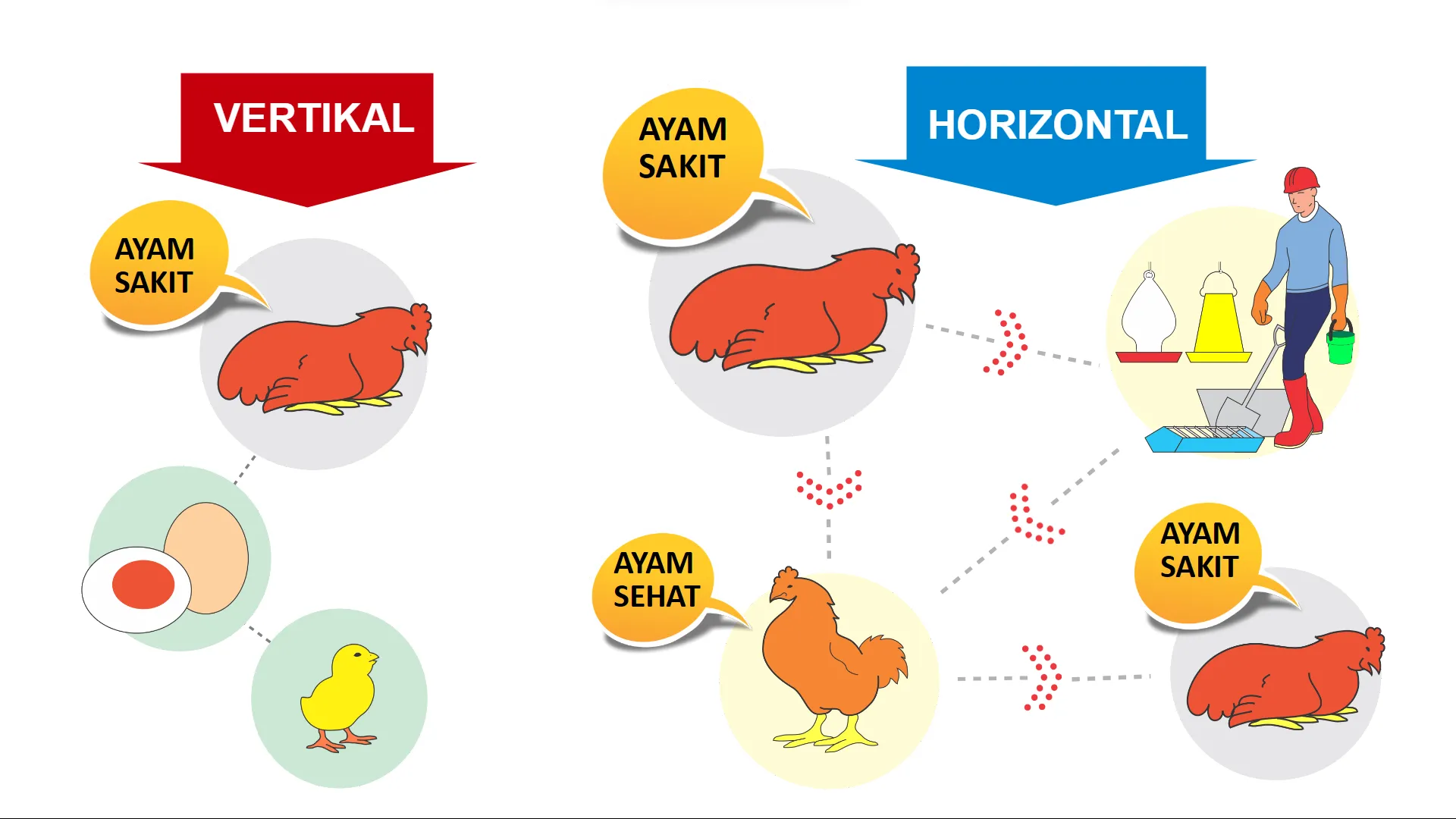
Horizontal transmission of MG can occur through direct or indirect contact with poultry infected with either subclinical or clinically apparent infections. The primary route of entry for MG bacteria is through the upper respiratory tract and/or the conjunctiva. aerosol or droplet contaminated.
While E. Coli infection itself can be transmitted through contaminated drinking water, litter, air, and chicken feces. Transmission through drinking water is more dominant and is a concern because drinking water is a medium that easily carries bacteria into the chicken's body orally. Furthermore, similar to MG, E. Coli infection It can also be transmitted vertically from mother to chick. Vertical transmission occurs through the reproductive tract of the mother hen, namely through the ovaries or oviducts of the sick mother. colibacillosis.
Predisposing Factors and Incubation Period
The presence of MG alone is often insufficient to cause a clinical outbreak without environmental and management triggers. In modern poultry practice, some of the main predisposing factors include:
Accumulation of harmful gases such as ammonia (NH3), carbon dioxide (CO2) and carbon monoxide (CO) in the cage
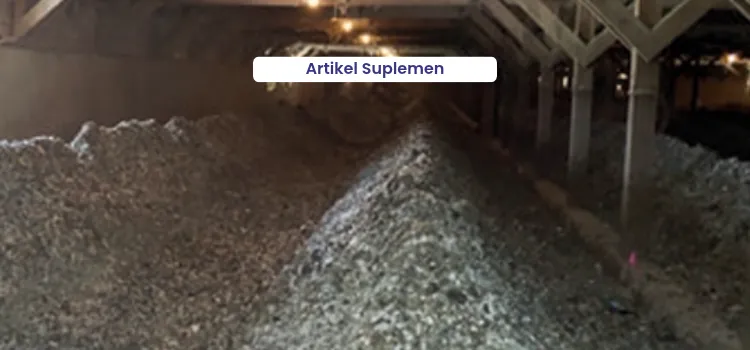
Suboptimal ventilation in the cage open house or closed house often triggers the accumulation of harmful gases, such as ammonia derived from the decomposition of uric acid in poultry droppings/litter. Ammonia concentrations above 20 ppm have been shown to damage the ciliated epithelial cell layer of the trachea. This damage to the physical defense mechanisms of the cilia facilitates MG colonization and leads to secondary infection by E. Col.
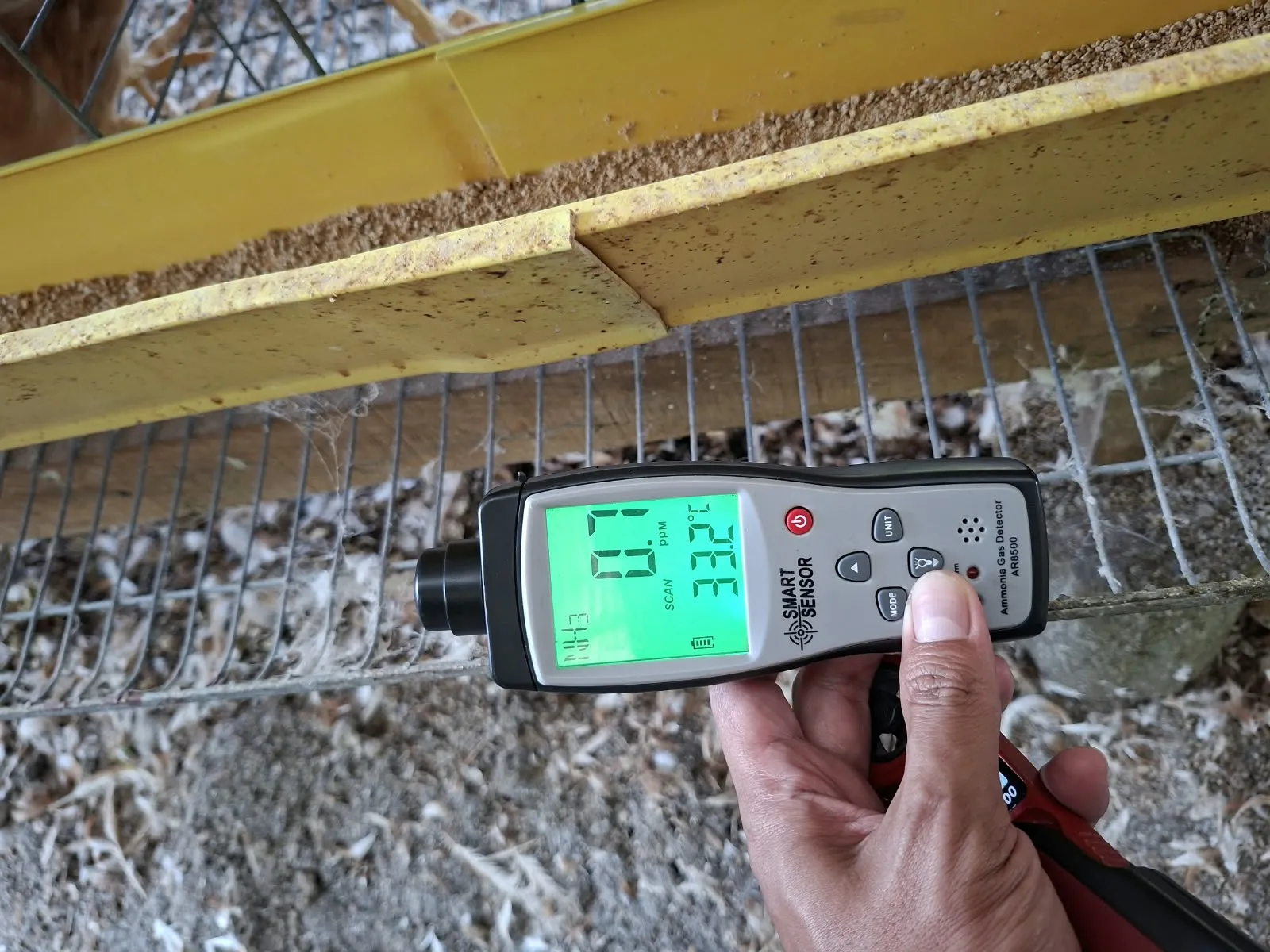
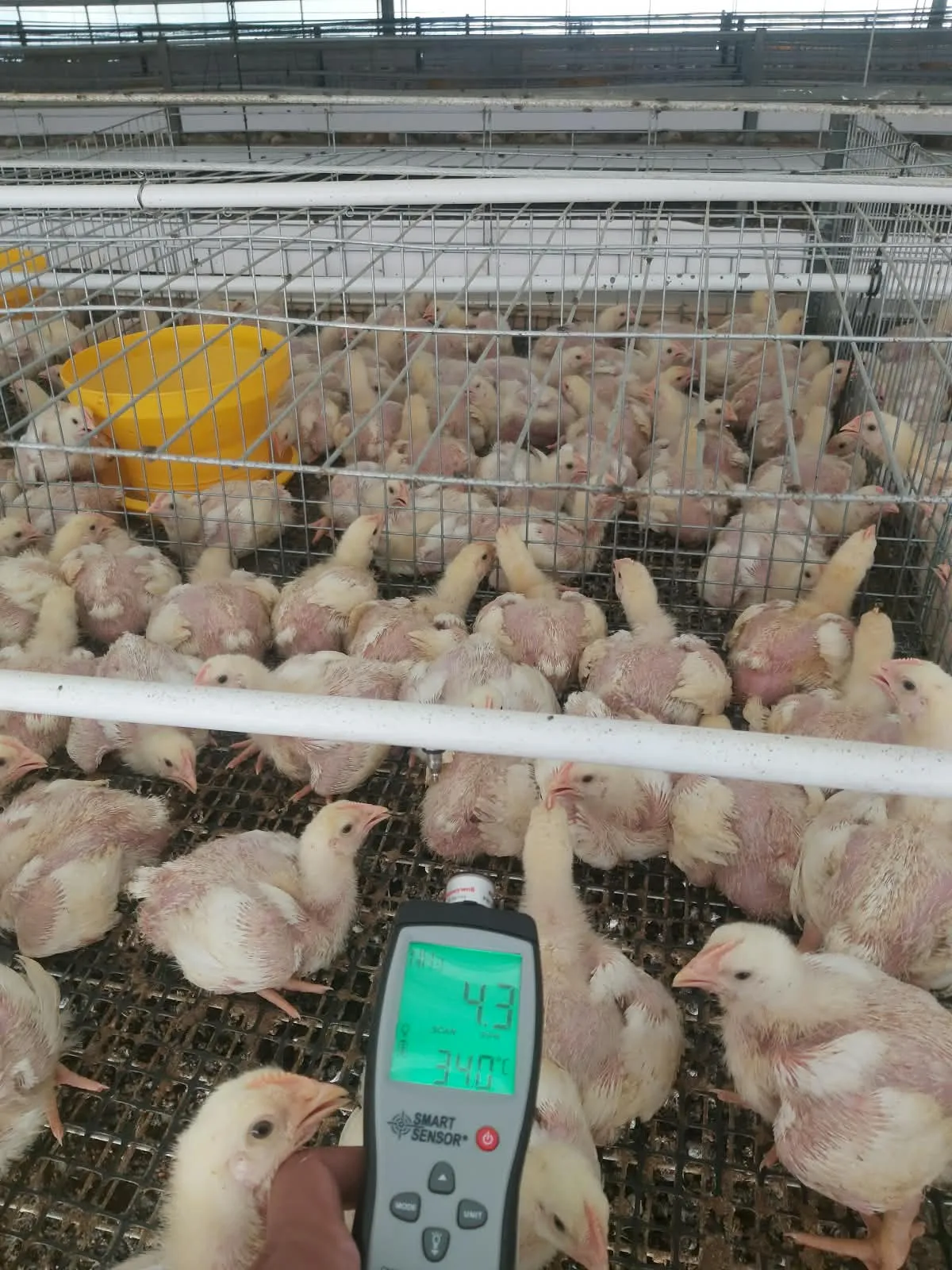
Karbondioksida (CO2) idealnya berada di level <3.000 ppm. Pada kadar CO2 >3.500 ppm dapat menyebabkan perubahan klinis pada ayam berupa mengalami asites (dampak akibat kondisi ayam kekurangan oksigen/hipoksia). Karbondioksida pada level yang tinggi juga akan berakibat fatal pada ayam. Kadar karbonmonoksida dalam kandang idealnya <10 ppm, jika melebihi 50 ppm tentunya akan memengaruhi kesehatan ayam. Karbonmonoksida berakibat sangat fatal pada level yang tinggi (disadur dari Buku Saku Aviagen, 2025).
Carbon monoxide (CO) is a gas produced by incomplete combustion, commonly found in vehicle exhaust, volcanoes, forest fires, and the burning of wood or other fossil fuels. It reacts in the atmosphere to form carbon dioxide (CO2). CO also affects methane and ozone levels in the lower atmosphere, making it a significant contributor to air pollution and climate change.
The data map in Figure 5 shows the distribution of CO2 over Earth at an altitude of 18,000 feet, averaged over the past 3 days. Orange and red areas indicate higher CO2 concentrations, while blue and purple areas indicate lower concentrations. CO2 concentrations are expressed in ppbv (parts per billion by volume). 1 ppbv means that for every billion molecules of gas in a given volume, one of those molecules is CO2 (NASA.gov website, 2026).

As seen in the map in Figure 5, the atmosphere above the Indonesian archipelago is depicted in orange to reddish hues, indicating that over the last three days (data taken on October 23-25, 2026), CO2 gas pollution over the Indonesian archipelago has been relatively higher than in the surrounding areas. As livestock farmers, we should be aware of this issue, especially by always maintaining the respiratory health of our poultry to prevent the impacts of this pollution.
Dust
High levels of dust in cages can also cause damage to the lining of the respiratory tract and increase susceptibility to diseases such as CRD and CRD-complex. Dust levels inside the cage should be kept to a minimum (Aviagen Pocket Book, 2025).
Environmental Stress and Management
Extreme temperature fluctuations between day and night, excessive cage density (overcrowding), as well as physical treatment such as beak trimming (beak trimming) triggers the release of corticosteroid hormones in the bird's body. These stress hormones suppress immune system function (immunosuppression), which triggers the reactivation of MG infection into clinical form.
This November, several regions in Indonesia should have entered the rainy season. As predicted by the Meteorology, Climatology, and Geophysics Agency (BMKG) on its official website, most of Indonesia is predicted to enter the rainy season between November 2026 and December 2026, starting in northern Sumatra and gradually moving to other parts of Indonesia. Most of Indonesia is predicted to experience the peak of the rainy season between December 2026 and February 2027 (https://www.bmkg.go.id/iklim/prediksi-musim/prediksi-musim-hujan-2026-2027-di-indonesia ).
Anticipating the upcoming transitional and rainy seasons, which will see high humidity levels in the coop and heavy rainfall, these conditions will significantly impact the health of chickens because they can cause stress. Stress is immunosuppressive, meaning it can suppress the immune system, making chickens more susceptible to disease.
A dirty cage environment that is not kept clean and rarely carries out routine sanitation/disinfection with disinfectants can also increase the chances of respiratory diseases such as CRD and CRD Complex appearing.. Resistance of MG bacteria and E.bra in the cage environment, livestock production facilities (sapronak), and contamination of drinking water are triggering factors for the emergence of CRD cases and their development into Complex CRD.
Non-Public Poultry (Backyard Chicken) and Wild Birds
Non-purebred poultry (backyard chicken) and wild birds can be a reservoir for disease transmission in cages.
Multiage Preservation
MG can infect chickens of all ages, although young chickens are more susceptible and may exhibit more visible clinical symptoms than older chickens. Keeping young and old chickens in close proximity, especially in cages with open ventilation systems (open house) is one of the predispositions for the spread of this disease in the cage.
MG is mobile due to its motile nature, which makes it easier for the bacteria to reach target tissues and evade the chicken's physical defenses, such as mucus and ciliary activity in the respiratory tract. The incubation period for MG to develop clinical symptoms varies between 6 and 21 days. These clinical symptoms can be exacerbated if accompanied by infection with other pathogens, such as E. Coli infection or others.
Infection Colibacillosis (dyspnea, heart and liver covered by fibrin) itself occurs through the oral or inhalation route, as well as through vertical transmission (egg shell/yolk/navel membrane resulting in omphalitisThe incubation period of this disease is between 3–5 days (Poultry site, 2019). The condition of co-infection between MG and E.bra Of course, it will worsen the clinical symptoms, especially the respiratory disorders that arise and increase the mortality and morbidity rates in the poultry that we keep.
Treatment Challenges and Resistance
In-field control of CRD and CRD Complex often relies on the use of antibiotics. However, this curative or therapeutic approach is increasingly challenging due to the following barriers:
Poor Drug Penetration in Tissue
Airbags (air sacs) in poultry which is the preferred place or predilection for MG bacteria and E. Coli infection is a vascular structure that has few blood vessels. This makes it difficult for systemic antibiotics to achieve minimal inhibitory levels (Minimum Inhibitory Concentration / MIC) at the primary infection site.
Potential Emergence of Antimicrobial Resistance
The use of macrolide antibiotics (eg. tylosin), fluoroquinolone (for example enrofloxacin), and tetracycline continuously and without the correct dosage has led to the emergence of MG isolates and E.bra APEC strains are resistant. Therefore, antibiotic treatment requires careful attention to the correct dosage and duration of treatment, as recommended by the veterinarian, and alternatives. rolling antibiotics for 3-4 treatment periods using antibiotics in the same class.
Integrated Control Strategy
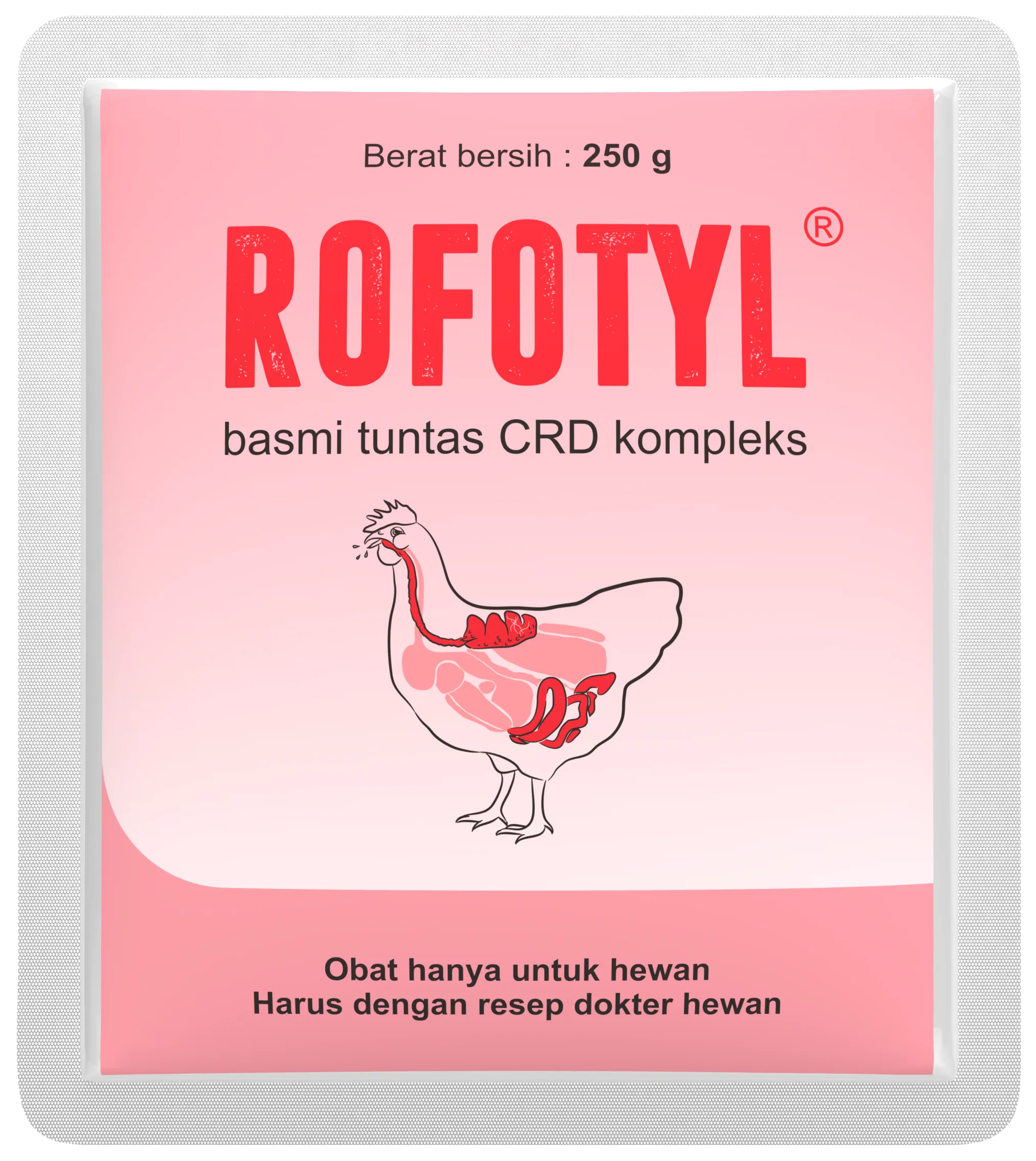
In order to break the cycle of endemicity of CRD and Complex CRD, the current integrated approach that we often use is with treatment/curative measures when suffering from CRD or Complex CRD using antibiotics such as the macrolide group (Tysinol or Tyfural), group fluoroquinolon (Neo Meditril), group fluoroquinolon combination/combination with macrolides (Rofotyl) or group tetracycline (Medoxy-LA). The choice of antibiotic products can be an alternative rolling Antibiotics are used to prevent increased antibiotic resistance. Please discuss further treatment options with your farm's animal health personnel or the Medion field team for advice on appropriate drug options for your particular situation.
Support for preventive efforts through vaccination against MG and E. Coli infection which is currently commonly done, especially by breeders/breeder. Meanwhile, for egg or meat breeder level, vaccination against MG and E. Coli infection is not yet commonly done and needs to be re-examined for the needs of each farm according to the level of vulnerability to cases and cost-benefit that farmers want to achieve.
However, considering the current prevalence of CRD and Complex CRD cases, additional strategies are needed besides treatment and vaccination, which we are implementing holistically, in the form of:
- Preventing vertical transmission by implementing routine serological testing monitoring. Examples of tests that can be performed include: Serum Plate Agglutination Test (SPAT) or Enzyme Linked Immunosorbent Assay (ELISA) and/or qualitatively by detecting the presence of agents with molecular biology tests using Polymerase Chain Reaction (PCR) at farm level breeder and routinely carry out vaccinations against MG and/or E. Coli infection.
- Pay attention to the microclimate management of the cage by always ensuring adequate air exchange to keep the levels of harmful gases such as ammonia below 15–20 ppm.
- If the postal cage uses litter, always control and maintain humidity litter.
- Minimize environmental stress by providing antioxidants such as multivitamins. Vita Stress, Fortevit, or C-Fresh.
- Implementation of strict biosecurity with regular spraying with disinfectants such as Medisep or Zaldes for the filled cage, and use Glucosep for the environment as well as when the cage is empty.
- Implement a minimum empty cage duration of 14 days with thorough disinfection after harvest/culling using a disinfectant that is effective against MG and E. Coli infection.
- Use of non-antibiotic alternatives as preventive and curative measures: Combine organic acids (Asortin via drinking water or Asiges via feed), phytobiotics (Kobakil), and immunostimulants to maintain the integrity of the respiratory and digestive tract mucosa.
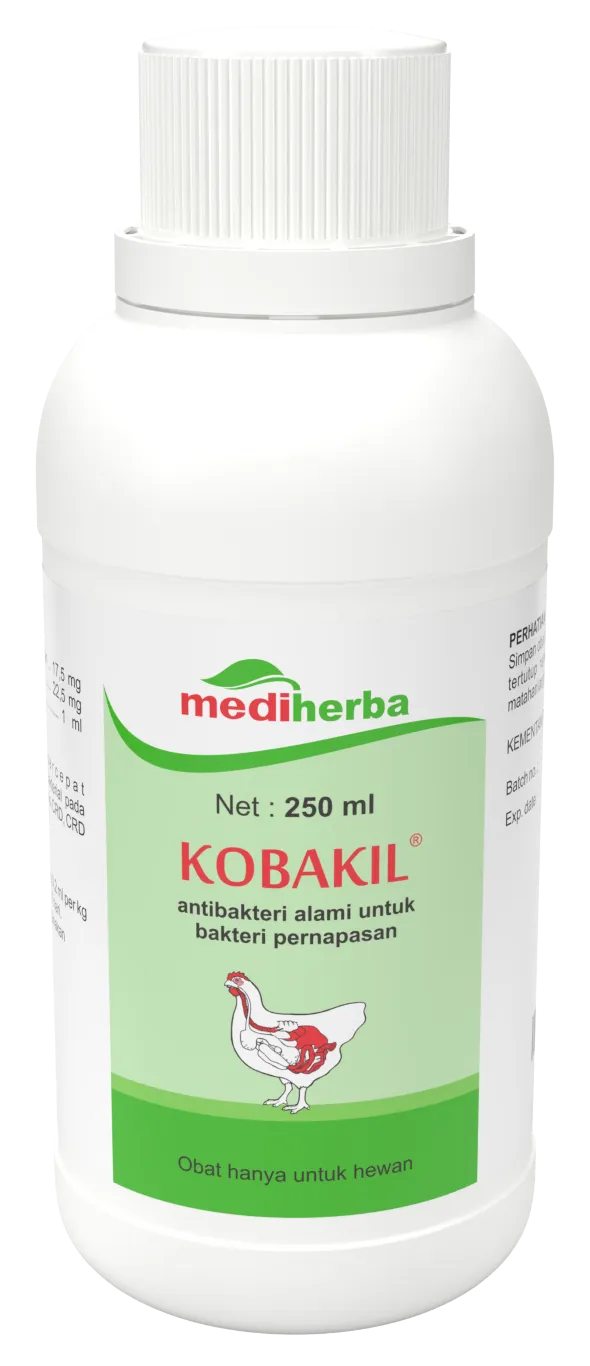
Kobakil It contains active ingredients that act as natural antibacterials by inhibiting enzyme activity and suppressing bacterial virulence factors, disrupting cell walls, causing intracellular components to break down, and preventing energy production in bacterial mitochondria, leading to bacterial death. Furthermore, the active ingredients in Kobakil can also prevent bacterial replication, thereby reducing the number of bacteria in the body. Kobakil It also contains active substances that can kill bacteria by inhibiting the formation of bacterial DNA, disrupting cell membrane permeability, and inhibiting protein synthesis.
This is a brief explanation of CRD and Complex CRD., As we enter this year's rainy season, farmers must begin preparing themselves to anticipate stress and the immunosuppressive effects on chickens caused by the rainy season's environmental conditions. Furthermore, with the onset of rain in various regions of the country, it is hoped that this will soon help reduce air pollution caused by forest and land fires that occurred during this year's dry season. May Indonesian livestock continue to advance and survive for the sake of food security and national nutritional fulfillment, especially through the availability of chicken meat and eggs!
References
- Armour NK. Mycoplasma gallisepticum. In: Swayne DE, ed. Boulianne M, Logue CM, McDougald LR, Nair V, Suarez DL, associate eds. Diseases of Poultry. 14th ed. Wiley Blackwell; 2020:911-923.
- Ferguson-Noel N, Armour NK, Noormohammadi AH, El-Gazzar M, Bradbury JM. Mycoplasmosis. In: Swayne DE, ed. Boulianne M, Logue CM, McDougald LR, Nair V, Suarez DL, associate eds. Diseases of Poultry. 14th ed. Wiley Blackwell; 2020:907-911. doi:10.1002/9781119371199.ch21
- Gautier-Bouchardon, A. V. (2018). Antimicrobial resistance in Mycoplasma spp. Microbiology Spectrum, 6(4), ARBA-0030-2017.
- Glisson, R. D. (1998). Bacterial respiratory disease of poultry. Poultry Science, 77(8), 1139–1142.
- https://nasional.kompas.com/read/2026/10/22/22041691/data-kemenkes-kasus-ispa-akibat-asap-karhutla-tembus-333470-termasuk-75172.
- https://www.thepoultrysite.com/disease-guide/colibacillosis-colisepticemia
- https://eyes.nasa.gov/apps/earth/#/vital-signs/carbon-monoxide/airs-infrared-18000ft-3day
- https://www.bmkg.go.id/iklim/prediksi-musim/prediksi-musim-hujan-2026-2027-di-indonesia
- Kleven, S. H. (1998). Mycoplasmas in specific pathogen-free and commercial poultry. Acta Veterinaria Scandinavica, 39(Suppl 90), 43–49.
- Levisohn, S., & Kleven, S. H. (2000). Avian mycoplasmosis research: past, present and future. Avian Pathology, 29(4), 257–263.
- Ley, D. H. (2008). Mycoplasma gallisepticum Infection. In Y. M. Saif et al. (Eds.), Diseases of Poultry (12th ed., pp. 807–834). Blackwell Publishing.
- Pérez DS, Tapia MO, Soraci AL. Fosfomycin: Uses and potentialities in veterinary medicine. Open Vet J. 2014;4(1):26-43. Epub 2014 Mar 16. PMID: 26623336; PMCID: PMC4629597.
- Raviv, Z., & Ley, D. H. (2013). Mycoplasmosis. In Avian Diseases Manual (7th ed.). American Association of Avian Pathologists (AAAP).
- Stipkovits, L., & Kempf, I. (1996). Mycoplasmosis in poultry. Revue Scientifique et Technique (International Office of Epizootics), 15(4), 1495–1525.
And processed from various other credible sources.