Flies are often considered a minor nuisance on chicken farms. However, if their populations are not controlled, they can be an indicator of poor environmental management and can potentially carry disease-causing microorganisms. The presence of flies can also disrupt worker comfort, facility cleanliness, and the farm's relationship with the surrounding community. On broiler and layer farms, fly control is not simply a matter of spraying insecticide when adult flies become abundant. Farmers need to understand the types of flies encountered, their breeding sites, their life cycles, and how to sustainably disrupt these breeding areas.
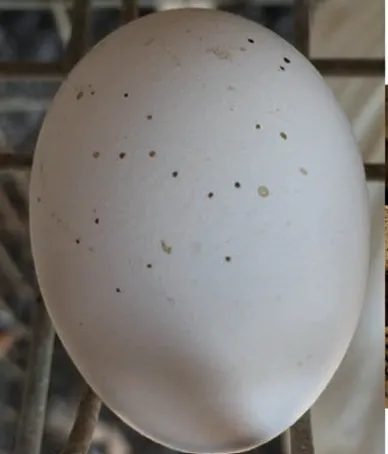
The Impact of Flies on the Comfort of Livestock and Barn Workers
The presence of large numbers of flies can disrupt the activities of barn workers, especially when feeding, checking the condition of chickens, collecting eggs, and cleaning the facility. Flies can also leave fecal matter and vomit on equipment surfaces, walls, and egg storage areas. In layer cages, fly infestations can pose a hygiene problem in egg collection and handling areas. Meanwhile, in broiler cages, fly presence needs to be monitored as part of litter, manure, and environmental sanitation management. Houseflies do not bite or suck chicken blood like blood-sucking flies. However, houseflies are still important to control because they can transfer contaminated organic matter to various surfaces in the production environment.
Flies as Disease Vectors (Bacteria, Viruses, Parasites)
Flies can act as mechanical carriers of microorganisms. When they land on contaminated feces or waste, microorganisms can adhere to the fly's legs, body, or mouthparts. Flies can then transfer these to food, drinking water, equipment, or other surfaces as they move around. Some bacteria include Salmonella spp. (salmonellosis), Escherichia coli (colibacillosis), and Clostridium perfringens (necrotic enteritis). In addition, several viruses can also be carried by flies, such as Newcastle disease (ND) and Avian Influenza (AI). The presence of these microorganisms on flies does not necessarily mean that flies are the direct cause of a disease. However, the transfer of contamination is a risk that must be minimized through biosecurity.
Types and Characteristics of Flies that are Often Found on Farms
Not all flies have the same habits and breeding sites. Therefore, identifying fly species helps farmers determine more appropriate action. Here are some examples of flies that can be found on chicken farms:
House flies (Musca domestica)
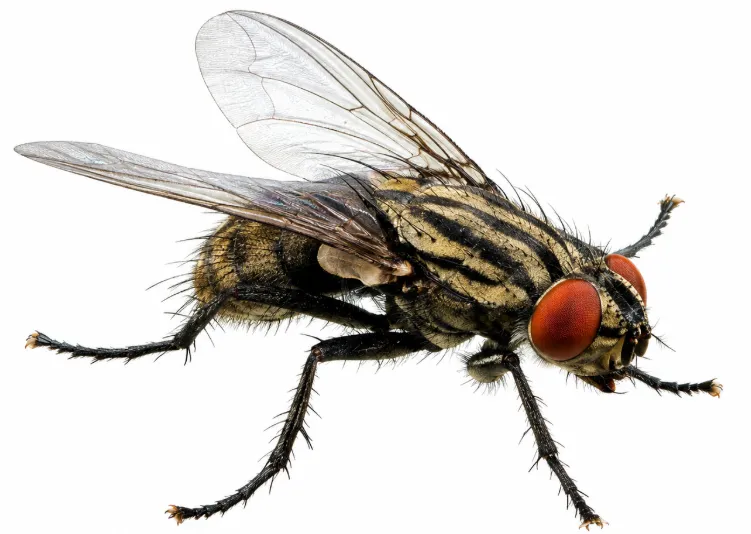
- In poultry farming, this species is a primary control target due to its large population. Houseflies are gray with four dark stripes on the thorax.
- These flies don't bite, but they can be found around manure, leftover feed, and decaying organic matter. They lay eggs en masse in piles of wet chicken manure/feces, which are rich in protein and nutrients.
Small house fly (Fannia canicularis)
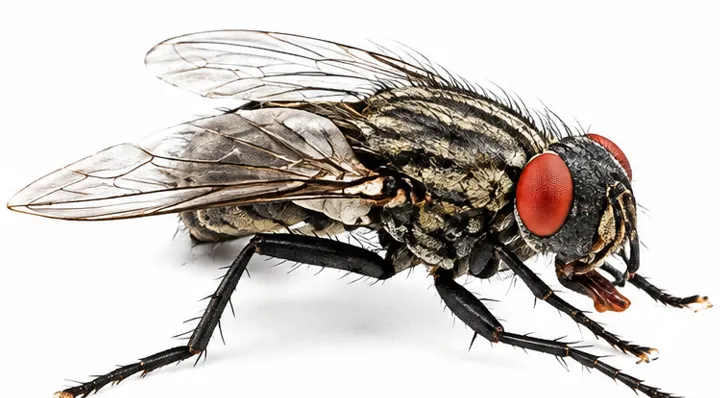
- These flies are smaller and have a more slender body than house flies.
- The larvae can develop in certain organic materials, including livestock manure. They prefer areas with moderate moisture and are often seen flying around in the pen.
Green flies or carrion flies (Chrysomya spp.)
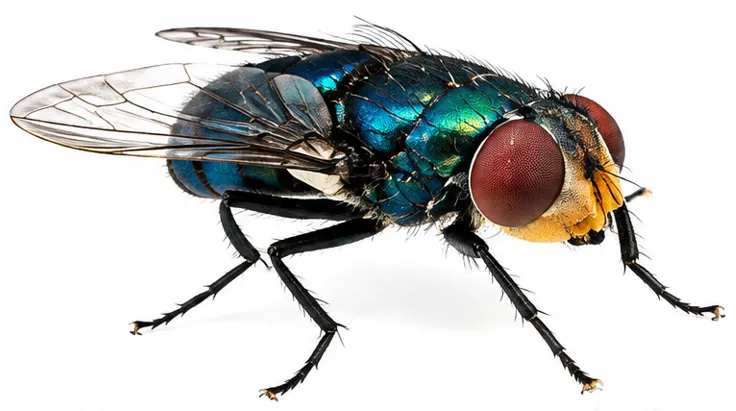
- This fly has a metallic green body.
- Female flies are very attracted to laying eggs in rotting animal tissue/chicken carcasses that have been disposed of too late and egg fragments under wire cages.
Black soldier fly (Hermetia illucents)
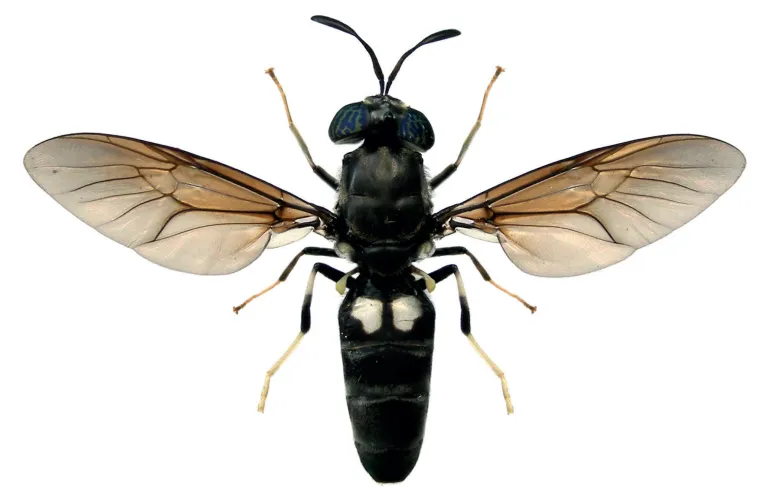
- Adult flies have dark bodies.
- The large larvae actively consume chicken manure, decomposing the manure, and their presence can suppress/inhibit the laying of houseflies (Musca domestica)
Blood-sucking stable flies (Stomoxys calcitrans)
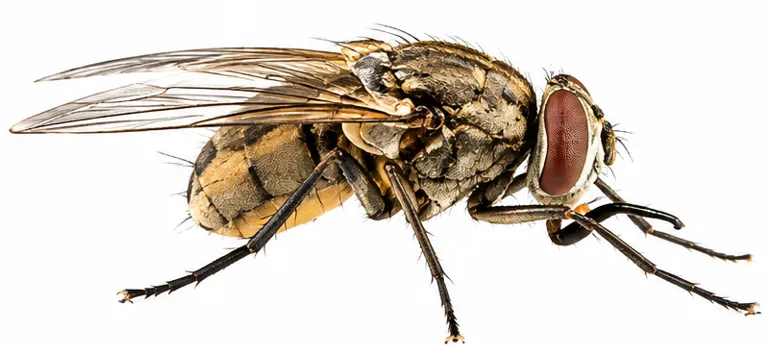
- More commonly found in cattle/horse farms, only a few are found in poultry farms
- Has a piercing-sucking proboscis
The Life Cycle of Flies and Its Relation to Cage Management
Houseflies undergo complete metamorphosis, which consists of four stages: egg, larva, pupa, and adult. Female flies lay eggs. egg on suitable organic materials, such as damp manure and waste. After hatching, larva or maggots utilize organic matter as a food source. This stage is an important target in fly control because the larvae develop in areas that are relatively easy to detect through environmental inspection. Mature larvae can move to drier areas of the media or surrounding areas to develop into larvae. redThis stage allows flies to develop even though the surface of the dirt is no longer visibly filled with larvae. Once development is complete, adult flies come out, mate, and find a place to lay eggs again.
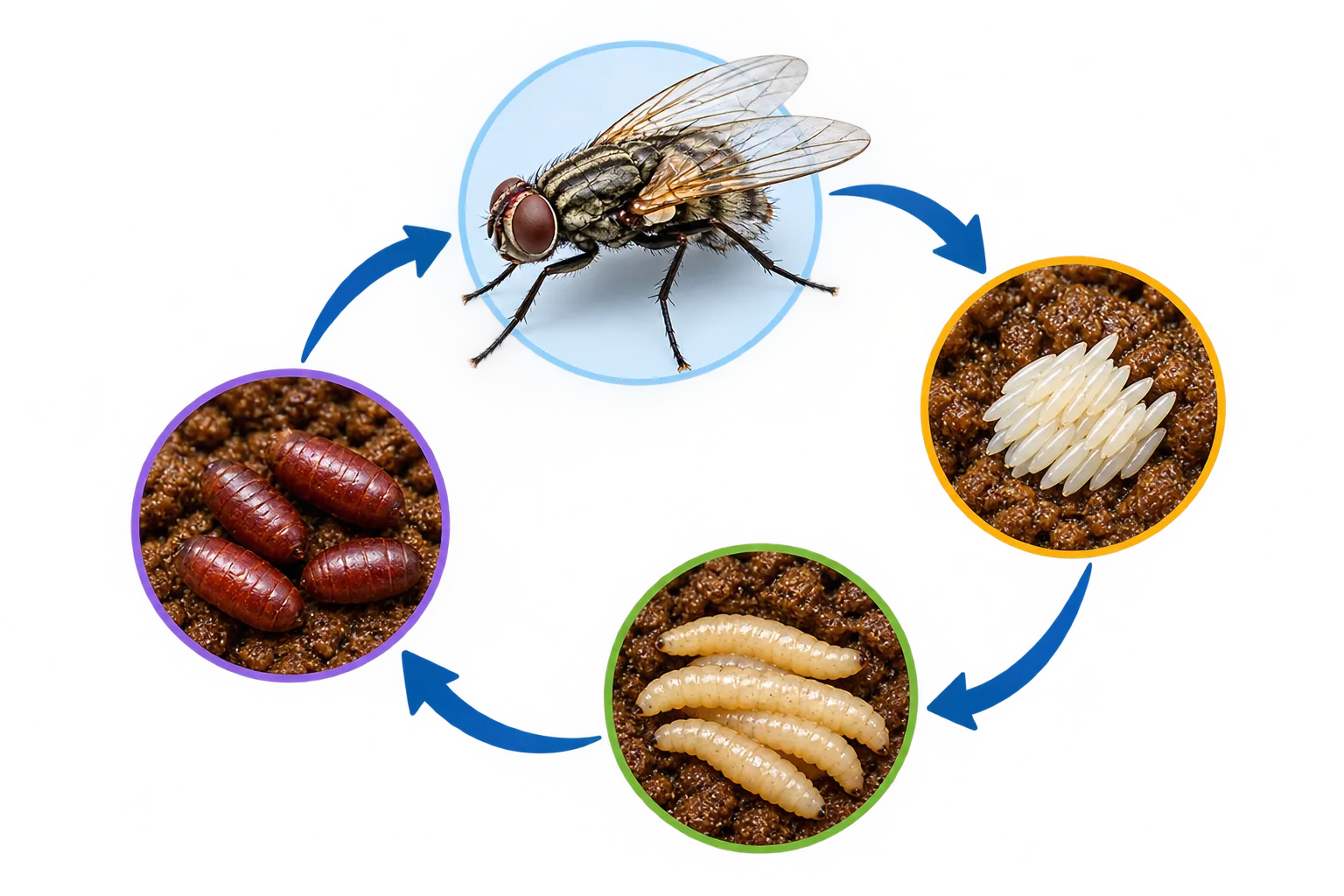
In warm, supportive conditions, the housefly life cycle can last from just a few days to several weeks. Temperature, humidity, substrate type, and food availability influence the rate of development. This means that when a farmer sees a large number of adult flies, there are likely already eggs, larvae, or pupae in the enclosure. Killing flies without addressing the breeding source can cause the population to rebound.
Fly control is an important part of a biosecurity program, so farmers can do several things, including: keeping feed and drinking water free from feces contamination, cleaning up spilled feed and broken eggs as soon as possible, keeping equipment and egg collection areas clean, and managing feces and waste regularly.
Factors Triggering Fly Reproduction
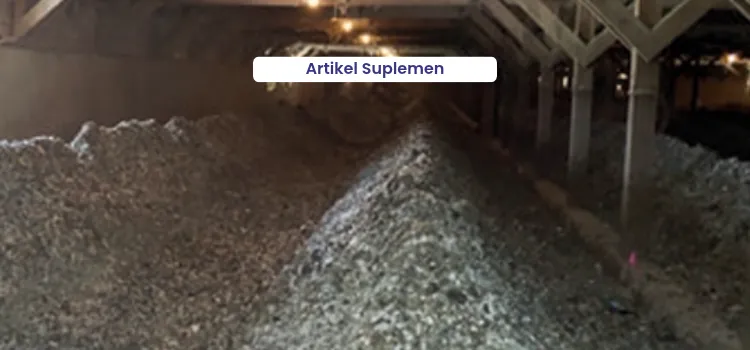
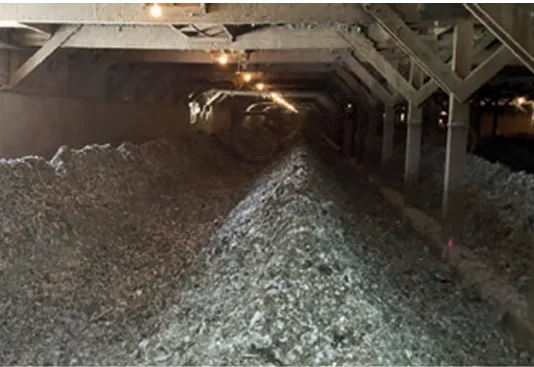
The main factor to consider is the presence of organic matter, especially when conditions are humid. In broiler houses, potential sources include wet litter, accumulated manure, spilled feed, and areas around nipple drinkers that are constantly exposed to water. Wet litter can also indicate other problems, such as drinking water leaks, inadequate ventilation, or digestive health issues. In layer houses, breeding sources can be found in accumulated manure under the cage, droppings on the floor, and so on. manure belt late removal, leftover feed, broken eggs, and poorly managed waste storage areas.
Integrated Fly Control Strategy: Prevention is Better than Extermination
Effective fly control uses several methods simultaneously:
- Sticky traps can be used to monitor adult fly numbers and assess population changes, whether they are increasing or decreasing. Traps should be placed strategically, out of reach of chickens, and without risk of contaminating feed and drinking water. However, trapping adult flies alone is not sufficient to completely address the problem, as larvae can still develop in accumulated droppings and organic matter.
- If sanitation and physical control have not provided optimal results, the use of larvicides can be an option for controlling flies at the larval stage. LARVASTOP It is a powder preparation containing the active ingredient diflubenzuron, which works by inhibiting the formation of chitin, thus disrupting the molting process and the development of larvae into adult flies. For spraying applications LARVASTOPDissolve 96 grams of the product in 1 liter of water and apply to a surface area of 10 m². For poultry feed applications, the recommended dosage is 100 grams per ton of feed.
- One mistake in fly control is waiting until adult fly numbers are extremely high before taking action. However, by this time, larval breeding sites may have already been established in various locations. Therefore, regular population monitoring is necessary to detect increases in fly numbers early. By combining monitoring, sanitation, physical control, and the use of pesticides, LARVASTOP With proper management, fly control on farms can be carried out in a more targeted and sustainable manner.
Bibliography
- Baleba, S. B. S. (2026). Advances and prospects in odour-based management of filth flies. Journal of Chemical Ecology, 52(3), Article 38. https://doi.org/10.1007/s10886-026-01705-7
- Geden, C. J., Nayduch, D., Scott, J. G., Burgess, E. R., Gerry, A. C., Kaufman, P. E., Thomson, J., Pickens, V., & Machtinger, E. T. (2021). House fly (Diptera: Muscidae): Biology, pest status, current management prospects, and research needs. Journal of Integrated Pest Management, 12(1), Article 39.
- Pétremand, G., Petitpierre, N., & Yvon, C. (2021). Observations of the black soldier fly, Hermetia illucens (Linnaeus, 1758) in Geneva (Diptera: Stratiomyidae). Entomo Helvetica, 14, 155–158
- Ponnudurai, G., Rani, N., & Velusamy, R. (2015). Integrated fly management for control of house fly (Diptera: Musca domestica) in layer chicken farms: A review. The Indian Journal of Animal Sciences, 85(5), 439–445. https://doi.org/10.56093/ijans.v85i5.48526