Mr Rizal Ali
Banjarmasin
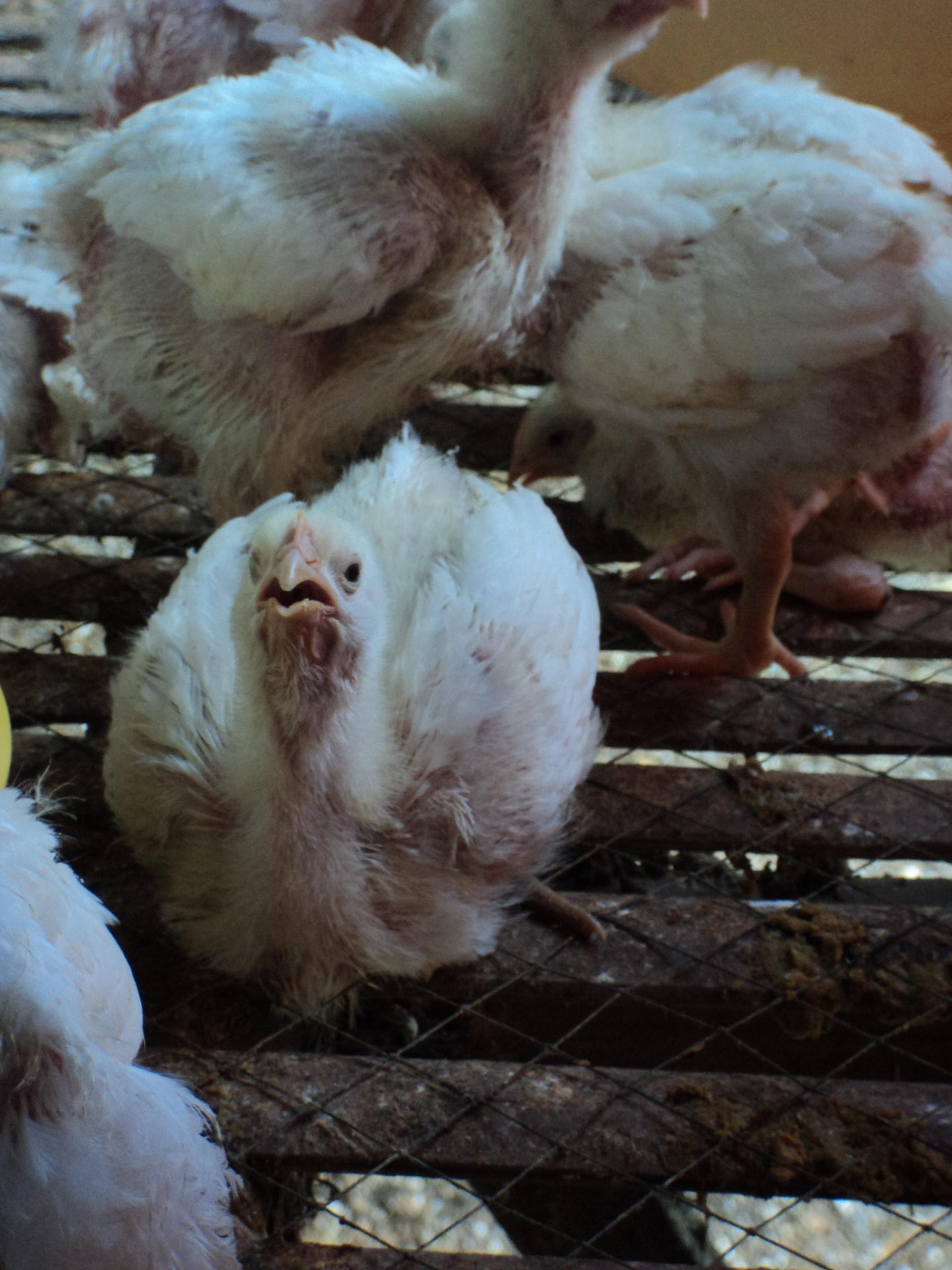
My chickens are sick with symptoms that look different, 1 tail seen coughing, snoring, sneezing and yellowish green diarrhea. In the second chicken does not cough, snore and sneeze but diarrhea whitish Green, the third cough, snore, sneeze, snot out of the nose, watery eyes and diarrhea whitish green. The other chicken was seen snot from the nose, coughing, snoring, sneezing and grayish diarrhea.
What I want to ask you is, 1. What is possible in 1 maintenance site may occur complications of the disease (more than 1 disease) ? 2. What are the symptoms of CRD, Korisa, and cholera diseases considering that all three have the same clinical symptoms? and how is the treatment? 3. Does the chicken affected by korisa also cough and snore?
Answer:
Accept thank Mr. Rizal Ali for the question.
- It is quite possible the presence of complications of more than one disease. When chickens get sick, the immune system becomes decreased, so chickens will be easily infected with various types of diseases. This condition will get worse if the environment is uncomfortable, such as ammonia levels in the cage are too high, the chicken population is too dense, and stress due to hot weather.
- Diagnosis in sick chickens in addition to seeing the clinical symptoms can also be through organ changes that are visible after surgery carcass (necropsy). This is done to direct to a disease based on abnormalities and changes in organs (anatomical pathologies) that occur.
- CRD disease
Gejala klinis yang terlihat yaitu ngorok terutama pada malam hari, susah napas, conjunctivitis (radang konjungtiva), keluar ingus dari hidung, diare berwarna hijau keputihan. Sedangkan perubahan organ/ patologi anatomi yang terjadi yaitu rongga dan sinus hidung berlendir, laring dan trakhea radang, kantung udara keruh. Pengobatan yang dapat dilakukan yaitu dengan pemberian antibiotik seperti Neo Meditril or Doxytin. High-dose multivitamins such as Fortevit to increase the stamina of the chicken. In addition, spraying the cage with disinfectant is also carried out Antisep or Neo Antisep. - Infectious coryza/Coryza (cold, nasal discharge, swollen face)
Gejala klinis yang terlihat yaitu bersin, ngorok, keluar eksudat kental dari hidung dan berbau khas, muka bengkak dan mata tertutup (kondisi parah). Sedangkan perubahan organ/patologi anatomi yang terjadi yaitu sinus hidung terdapat peradangan dan adanya eksudat kental dan berbau khas, trakhea mengalami peradangan dan adanya eksudat. Jika serangan korisa sudah menyebabkan ayam mengalami kebengkakan muka yang parah dan nafsu makan turun, berikan antibiotik injeksi seperti Gentamin, Medoxy-LA, or Vet Strep. Ayam dengan tingkat keparahan ringan sampai sedang (ayam masih bisa makan dan minum), perlu diobati antibiotik yang memiliki daya serap lebih tinggi ke jaringan, seperti Amoxitin, Doctril, or Neo Meditril. Isolate or separate chickens that look sick, bury dead chickens as far as possible from the housing environment, as well as giving multivitamins, such as Fortevit, Vita Stress or Vita Strong to improve the condition of the body of chickens. - Fowl Cholera/Fowl cholera (greenish droppings)
Visible clinical symptoms are green stools, face, enlarged Combs and wattles, respiratory disorders with nasal discharge. While changes in organ / anatomical pathology occur, namely Combs and swollen Wattles containing material in the form of solid cheese, trachea inflammation, bleeding spots on the heart muscle, abdominal fat, ventricles, intestinal mucosa, striped enlarged liver, and there are white spots. Treatment with the administration of effective antibiotics for Gram-negative bacteria such as Koleridin, Collimezyn, or Ampicol. After treatment can be carried out administration of vitamins such as Fortevit, Solvit, or Strong n Fit.
- CRD disease
d. Chorisa is a disease caused by bacteria, rod-shaped pleomorphic Immobile, Gram-negative and called Avibacterium paragallinarum. These bacteria invade the respiratory system causing inflammation of the mucous membranes of the upper respiratory apparatus (nasal cavity, infraobitalis sinus and upper trachea). As a result of this situation there is a disturbance in breathing (chickens have difficulty breathing) which is manifested by snoring, sneezing, and coughing. So, chickens affected by korisa may show clinical symptoms of coughing and snoring.