Have you ever encountered a cow that's slumped over, with drooping ears and head, coughing, nasal discharge, and a drastic decrease in appetite and drinking? These are just a few of the symptoms to watch for when receiving the cow after it's delivered to the farm. They could be signs of a respiratory infection caused by long-distance transport.
What's that Shipping Fever? Why is the case so detrimental?
Shipping Fever is a term often used for cattle experiencing fever and coughing due to movement or transport. A combination of stress factors and secondary viral or bacterial infections can trigger respiratory disease in cattle. Shipping fever (also known as Bovine Respiratory Disease(BRD) is an acute respiratory infection in beef cattle triggered by stress from long-distance transport or environmental changes. This multifactorial disease is one of the biggest causes of economic losses in the beef cattle industry, causing drastic weight loss and even death.
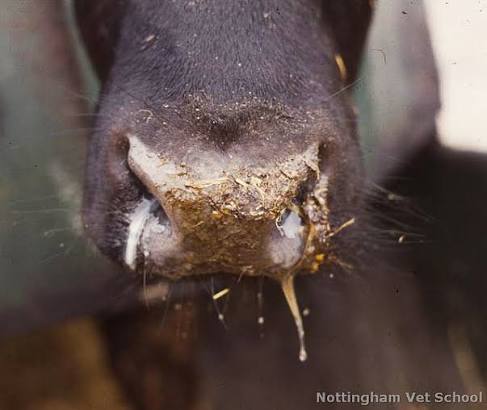
Starting within 14 days of being transferred, cattle that are indicated to have shipping fever when showing symptoms such as the following:
- High fever above 40°C
- Rapid, shallow, or gasping breathing with the mouth open
- Having a cold and cough
- Loss of appetite (anorexia)
- Discharge from the nose and eyes
- Signs of depression or separation from the herd.
The damage from this disease is not only due to livestock mortality, but also includes decreased daily weight gain and poor feed conversion efficiency. An Australian study observed that BRD resulted in an average weight loss of 700 g per day in cattle compared to unaffected cattle.
Factors Causing This Occurrence Shipping Fever?
This disease is usually caused by a combination of several factors:
1. High stress
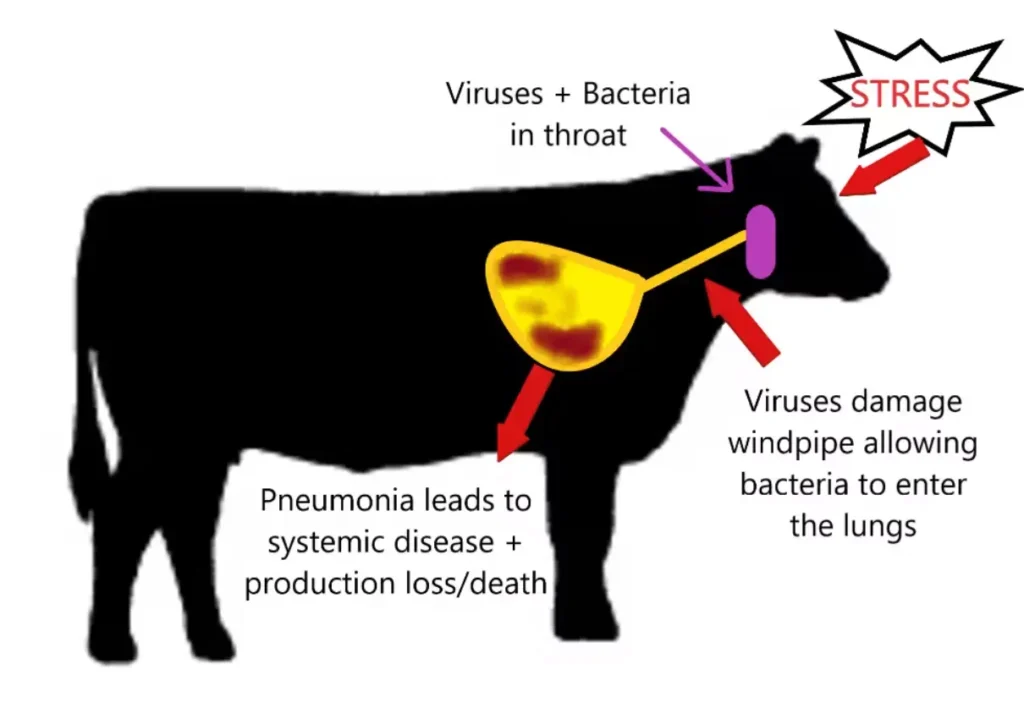
The stress of shipping weakens the cow's immune system, allowing viruses and bacteria that normally "silent" in the respiratory tract to multiply and cause serious infections, often in the form of pneumonia. In addition to the effects of long-distance transport, overcrowding, poor ventilation, and extreme weather changes can also weaken the immune system. Because viruses and bacteria are naturally present in cattle populations and difficult to completely eliminate, the only variable we can truly control is the level of stress the cows experience.
2. Pathogenic viruses and bacteria in the field
Viral infections such as Infectious Bovine Rhinotracheitis (IBR) can damage the respiratory tract. Every time cattle are moved, mixed with a new herd, or experience significant environmental/feed changes, the risk of disease remains because the underlying mechanism involves stress, which then reactivates latent viruses in the cow's body, leading to secondary bacterial infections. Opportunistic bacteria such as Mannheimia haemolytica and Pasteurella multocida attacks the lungs, causing acute pneumonia.
Tips for Handling Cows that are Experiencing Shipping Fever
Shipping fever This is a health disorder that requires prompt treatment because it can weaken livestock and even lead to death. Livestock experiencing fever and severe respiratory infections can be treated as follows:
- Immediately separate sick cows into a special quarantine pen that is dry, clean, and free from direct strong gusts of wind.
- Improve the condition of the cage so that it is clean and dry, because a dirty and muddy cage can worsen the infection or trigger a secondary infection. Disinfect the cage using Medisep or Neo Antisep.
- Treatment should be tailored to the underlying cause of the disease, as recommended by the medical team. If the cause is bacterial, antibiotics can be given, such as Neo Meditril Bolus/Lincomed-LA/Medoxy-LAIf the infection is caused by a virus, causative treatment cannot be performed. Symptomatic treatment (treatment of the symptoms of the disease) can include fever reducers and pain relievers, such as Medipiron Injection.
- Giving multivitamins can help increase appetite, improve metabolism, speed up the healing of diarrhea, and increase productivity. Vita B-Plex Bolus Extra Flavor, Injekvit B-Plex or ADE-Plex Inj.
- Provide vitamin supplements plus Adenosine triphosphate (ATP), for example with Bioselvita, to increase energy and treat muscle disorders experienced by cattle. You can also provide supplements mixed with feed and drinking water, such as Transolit New which contains a combination of electrolytes, energy sources, vitamins and amino acids to reduce the effects of stress on cattle.
To reduce the impact of BRD respiratory infections, several things can be done before shipping and when they arrive at the cage, including:
- Ensure livestock have been vaccinated according to disease susceptibility in the area before the cattle are scheduled for shipment.
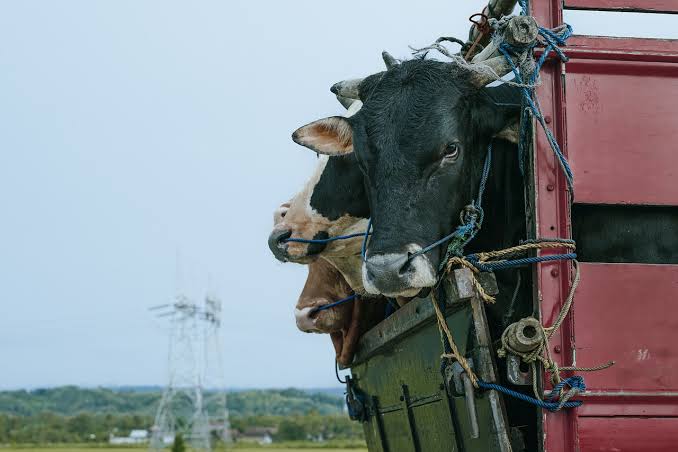
- Avoid overloading cattle in trucks. Ensure proper ventilation and provide rest periods (feeding and watering) if the journey is longer than 8 hours.
- Handling When unloading livestock from a vehicle, be careful and avoid rough handling to avoid stress. Ensure the rope is not too short, as it could injure or injure the livestock, and not too long, as it could restrict movement and even cause them to escape.
- Quarantine newly arrived livestock for 14 days to conduct health checks and prevent disease transmission. Observe new livestock closely for fever, coughs, or colds during the first 14 days.
- Maintain a clean cage environment, such as regularly cleaning feeders, waterers, and the floor. Maintain good air circulation and prevent dampness and moisture. Regular cage disinfection is also important, for example by Medisep or Neo Antisep At a minimum, livestock changes are made. Cage density also needs to be regulated to prevent overcrowding.
- Provide a balanced diet with good nutrition and a good feeding pattern. If there are any changes to the diet, introduce them gradually. The availability of clean and sufficient water is crucial. Provide clean, fresh drinking water, as water requirements increase significantly during times of stress compared to normal.
- Provide supportive supplements such as anti-stress vitamins (Vitamin C and B-Complex) and electrolytes through the drinking water immediately upon arrival of the cow. Transolite can prevent drastic weight loss during travel and speed up recovery from stress caused by transportation, weather, or vaccination.
That concludes our brief discussion of shipping fever in cattle. Farmers must continue to monitor the condition of cattle in quarantine pens for two full weeks, until they can finally be moved to fattening pens. Best regards.