The performance of laying hens cannot be separated from the feed they consume. Quality feed contains balanced nutrition and according to the needs of laying hens. Lack of nutrients or nutritional deficiencies cause the laying hen's performance is not optimal such as stunted growth, egg production does not reach the target and the quality of shellfish decreases. While on the other hand if the excess nutrients will reduce efficiency because the cost of feed to rise but the nutrients can not be utilized and wasted away.
Nutritional deficiency is a condition of chicken lack of nutrients needed by the body. Lack of nutrients will hinder productivity. In addition, chickens are at risk of developing diseases due to a decreased immune system. Some problems in the field such as unstable quality of raw materials, improper formulation and poor feed storage processes contribute to cases of nutritional deficiencies.
Essential nutrients needed in egg productivity
Based on the amount, the nutrients needed by laying hens are grouped into two groups, namely macro nutrients and micronutrients. Macronutrients are needed in large quantities (>100 mg/day) such as water, crude protein, metabolic energy, crude fat, calcium and phosphorus. Here is the role of macro nutrients in chicken egg production :
- Air
Most of the chicken's body consists of water, including the eggs produced. Water is needed in the body's metabolic processes such as digesting feed, transporting nutrients that are digested and transporting the rest of the metabolic products that are not needed by the body. - Crude Protein
Nutrients that are essential for growth such as new tissue formation and egg production. In addition, crude protein also functions as a constituent of enzymes and hormones in the body. - Energy Metabolism
Metabolic energy is necessary as the main source of energy for daily activities and egg production. Energy metabolism in the feed also affects the weight of eggs produced. - Rough Fat
It is needed as a reserve source of energy and absorption of fat-soluble vitamins such as vitamins A, D, E and K. In addition, coarse fat affects the palatability of the feed. - Calcium
It is a macro-mineral needed for the formation of the skeleton and shell of eggs. - Phosphorus
Just as calcium is a macro mineral, phosphorus serves for the formation of the skeleton and shell of eggs.
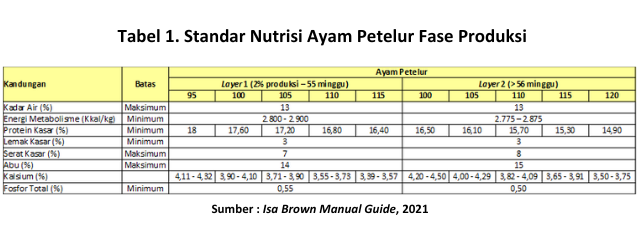
The standard of nutritional needs of laying hens can use references from literature and recognized publication articles. Some references that can be used include from National Research Council (NRC), Indonesian national standard (SNI), manual management guide and journal publications. In addition, nutritional needs should also pay attention to the amount of daily feed consumption or feed intake. Generally less and less feed intake, the nutrients provided are getting higher or” compacted " nutrients. In addition, feed nutrition also needs to consider the maintenance phase. The following nutritional recommendations are based on the production phase of laying hens Isa Brown manual guide.
Micronutrients are needed by chickens in small amounts but are very important in the body's metabolism. Unlike macronutrients that are commonly tested in the laboratory, micronutrient testing is rarely carried out so it is prone to deficiency. Some micro-minerals needed by laying hens include the following :
- Vitamins
Some vitamins that play a role in egg production are vitamin A and vitamin D. Vitamin A plays a role in the formation of egg yolks including the color of the yolk. Vitamin d₂ serves to help the absorption of minerals such as calcium and phosphorus in the formation of eggshells. - Micro Minerals
Mineral mikro merupakan mineral yang dibutuhkan dengan jumlah yang lebih sedikit (<100 mg/kg ransum) namun sangat diperlukan untuk menunjang proses metabolisme dalam tubuh. Mineral mikro disebut juga sebagai trace mineral among other things iron/iron (Fe), copper/tembaga (Cu), mangan (Mn), dan zinc (Zn) berperan sebagai pembawa pigmen kerabang telur. - Amino Acids
Amino acids are the smallest constituent of proteins. There are two first limiting amino acids that must be present in good quantity and quality, namely lysine and methionine. Both contribute to egg production and weight.
So What Are The Signs Of A Chicken Having Nutritional Deficiencies?
Symptoms Of Nutritional Deficiency
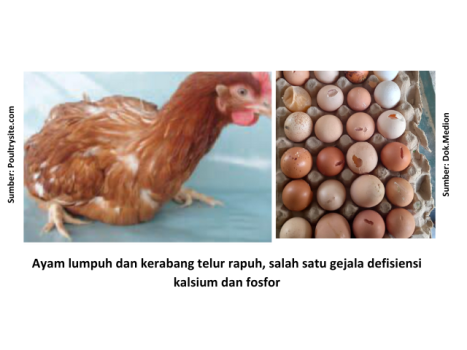
Symptoms of nutritional deficiency are generally seen when it has been in a long period of time. Clinical symptoms due to nutritional deficiencies are often confused with infectious diseases because they have almost similar clinical symptoms. As a result, the treatment of nutritional deficiencies is not optimal. In general, clinical symptoms of nutritional deficiency such as dull fur, decreased body weight, decreased egg production, decreased quality of shellfish and paralysis. So it is necessary to confirm the diagnosis by looking at changes in anatomical pathology or laboratory tests so as not to be mistaken in handling.
Deficiency of macro-and micronutrients
Deficiency of macronutrients can be seen from the decline in egg production and quality depending on the type of nutrients that are lacking in number. Cases of macronutrient deficiencies that often occur such as calcium and phosphorus macro mineral deficiencies. The effect of the deficiency of these two macro minerals is fragile egg shells so that the number of broken eggs increases. Crude protein deficiency is often found which results in impaired egg production. In addition, metabolic energy deficiency in the feed results in a decrease in body weight and egg weight. It is important to know the nutrition of the feed given by means of the proximat test as in the Medion Laboratory.
Deficiency of micronutrients such as vitamin A leads to anorexia( unwillingness to eat), matted feathers, decreased pigment in the legs and beak and in the acute stage can lead to blood spot. However, clinical symptoms blood spot can be confused with disease infectious bronchitis (IB) and mycotoxicosis. Therefore, further diagnosis is required.
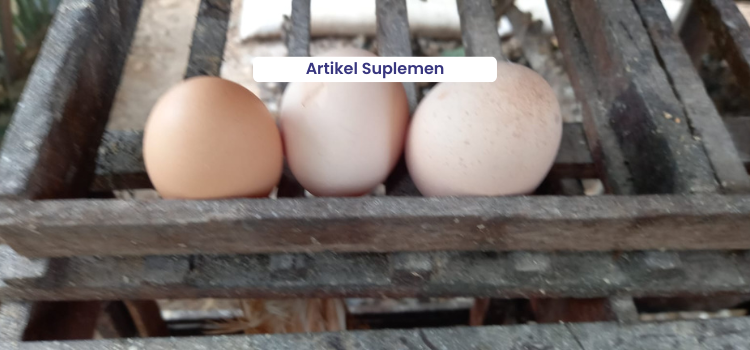
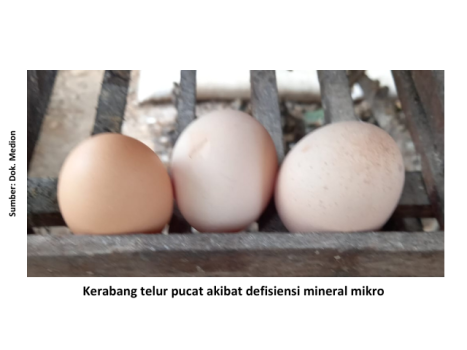
Deficiency of vitamin D₂ results in impaired absorption of minerals such as calcium and phosphorus, resulting in problems in the growth of the skeleton and the quality of eggshells. Micro minerals such as Fe, Cu, Mn, and Zn often go unnoticed but can cause problems pale colored eggshells. Pale eggshells naturally appear as chickens get older.
Deficiency of amino acids such as lysine leads to stunted growth, weight loss and disrupts the immune system of chickens. While methionine deficiency results in stunted feather growth and increases the risk of chickens pecking other chicken feathers (cannibalism).
Feed Supplement multivitamins as a solution
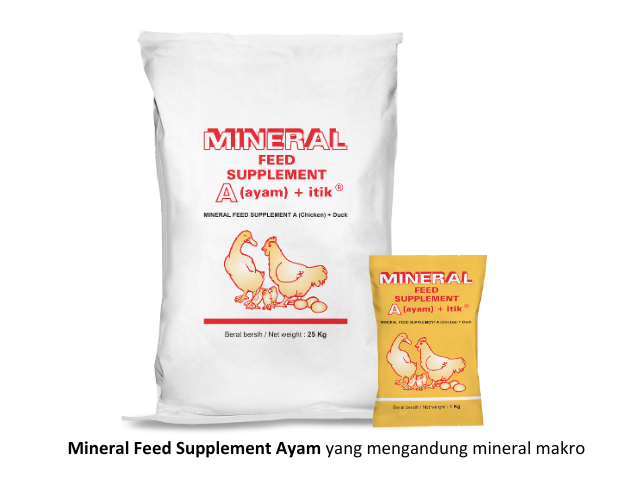
Cases of deficiency of macro minerals such as calcium and phosphorus can be prevented by the addition of mineral source raw materials such as Stone flour, stone grit, DCP, MCP and so on. In addition, farmers can also provide supplementation in the form of premixes such as Mineral Feed Supplement A which can increase the macro minerals that help the growth of the skeleton and improve the quality of eggshell
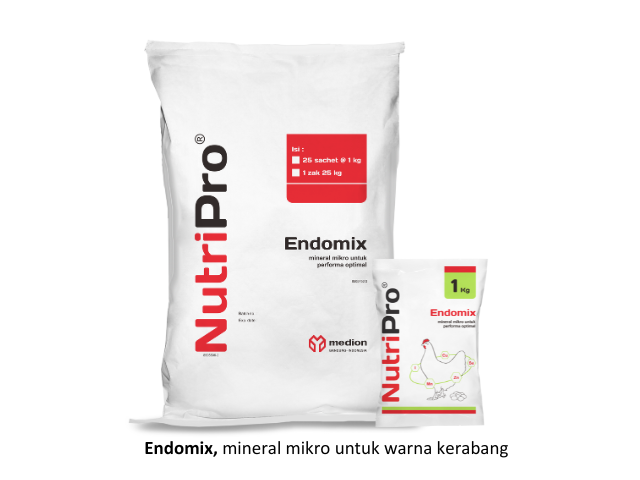
Cases of pale shellfish color can result from noninfectious factors such as stress and age of the chicken. Micro minerals such as Fe, Cu, Mn, and Zn act as chelate carriers of eggshell pigments, namely protoporphyrin IX (Solomon, 1987). The addition of microelements such as Endomix as a solution improves the color of eggshells.
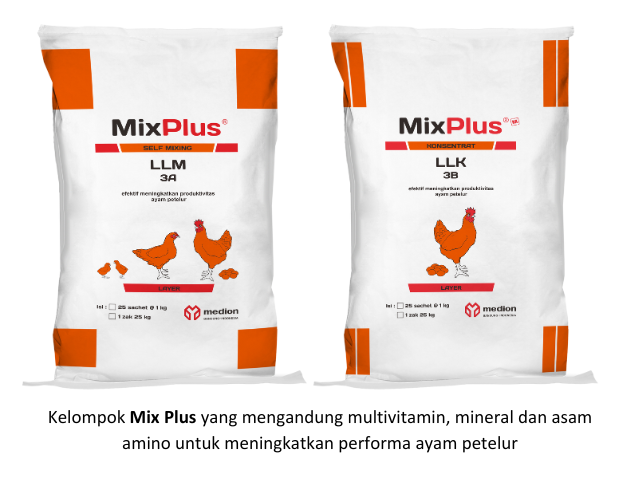
Essential amino acids such as lysine and methionine cannot be synthesized in the body of chickens, so they must be added from outside the body through feed. Although it is needed in small quantities, it greatly affects the performance of laying hens. The amount of lysine and methionine in each raw material varies greatly depending on the condition of the raw material, so it is not uncommon for farmers to add the amino acids lysine and methionine separately or through premix. Farmers who use self-mixing feed can use Mix Plus LLM3A/Mix Plus LLM3B, whereas when farmers use concentrated feed can use Mix Plus LLK3A/Mix Plus LLK3B/Mix Plus LLK13A which contains vitamins, minerals and amino acids as back up nutrition and improve feed quality.
Nutritional deficiencies cause losses due to decreased egg production and quality so it needs to be anticipated wisely. Quality control of raw materials to be used both physically and chemically (laboratory tests) can minimize the risk of nutritional deficiencies. In addition, farmers can also add feed supplement vitamins and multivitamins in the form of premix as back up nutrients are lost due to variations in raw materials in the field and deterioration in quality due to long storage. Hopefully useful and add to our insight.