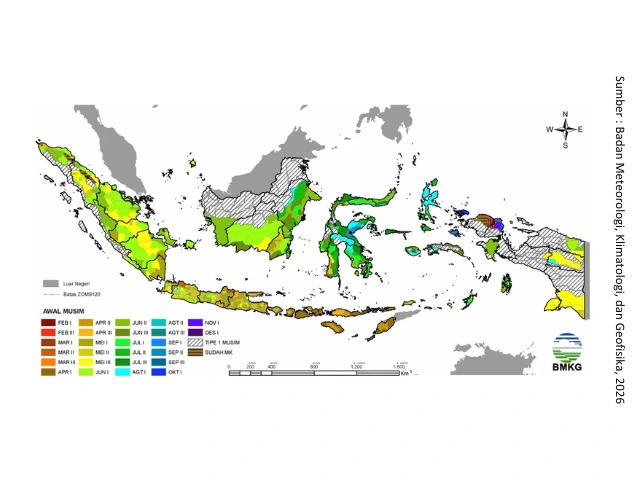
Recently, there has been a lot of discussion about a surge in temperature changes and very extreme weather approaching mid-2026, which has been given the nickname "Godzilla The Kid“. Phenomenon The Child This could lead to prolonged periods of extreme drought. The Meteorology, Climatology, and Geophysics Agency (BMKG) predicts the dry season will begin in April–June 2026 in parts of Indonesia, starting in Nusa Tenggara and then gradually spreading to other regions such as Bali, Java, and Sumatra. The peak of the dry season is predicted for most of Indonesia in August 2026. This weather anomaly could depress the productivity of the national livestock sector, resulting in difficulties with forage availability, leading to a decline in dairy and beef cattle productivity.
For the livestock sector, both beef and dairy cattle, these extreme climate conditions present significant challenges centered on two main issues: the availability of feed and drinking water, and heat stress. Technically, these conditions... The Child This disrupts cattle productivity through two mechanisms: directly disrupting the cattle's physiology and indirectly damaging the environmental ecosystem that supports livestock life. Although the impacts on these two types of livestock farming are quite different, they still result in significant losses.
1. The cow experienced heat stress
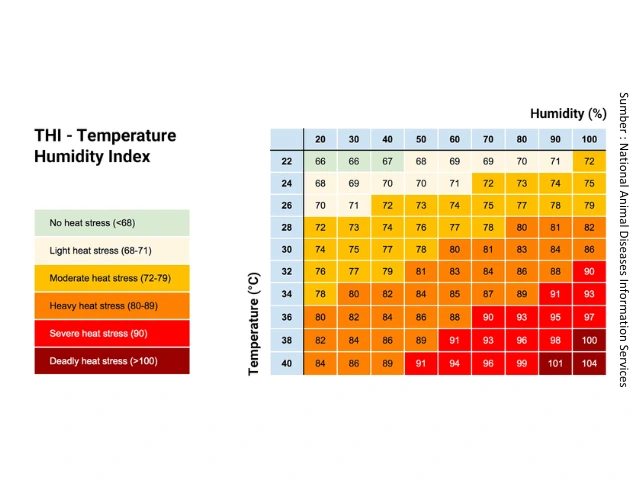
When The Child triggering extreme temperature increases and strong solar radiation, cattle experienced a surge in value Temperature Humidity Index (THI). Cows have a very limited sweating capacity compared to humans. When the ambient temperature exceeds the animal's comfort level, its internal metabolism begins to be disrupted. Safe limits Temperature Humidity Index (THI) for cattle is below 68. If the THI figure exceeds this limit, the cattle will start to experience heat stress (heat stress) which can reduce milk production and reproductive quality.
Physiological responses that occur when cows experience stress include:
- Increased respiration (Panting): To remove heat from the body, cows will breathe more rapidly and pant. This mechanism uses up a lot of energy that would otherwise be used for meat or milk production.
- The cow's body automatically directs more blood to the surface of the skin to dissipate heat, increasing its surface temperature. Consequently, blood flow to internal organs for metabolic processes (such as the udder and digestive tract) is drastically reduced.
- Decreased appetite): Because the digestion process in the rumen produces high fermentation heat (heat increment), the cow will reduce its feed consumption (dry matter intake) to suppress heat production from within the body. Insufficient feed consumption will result in insufficient nutritional intake for production.
- Heat stress triggers the excessive release of the hormones cortisol and ACTH. These stress hormones inhibit the secretion of Luteinizing Hormone (LH) and estrogen, causing the quality of egg cells to decrease, triggering silent heat, and increases the risk of fetal death. The hormone cortisol can also suppress the immune system of livestock. Furthermore, high humidity in the barn environment supports the growth of pathogens (bacteria, fungi, and viruses), which can trigger respiratory and digestive illnesses, even difficult-to-treat viral diseases.
2. Crisis in the quantity and quality of green fodder and drinking water supply
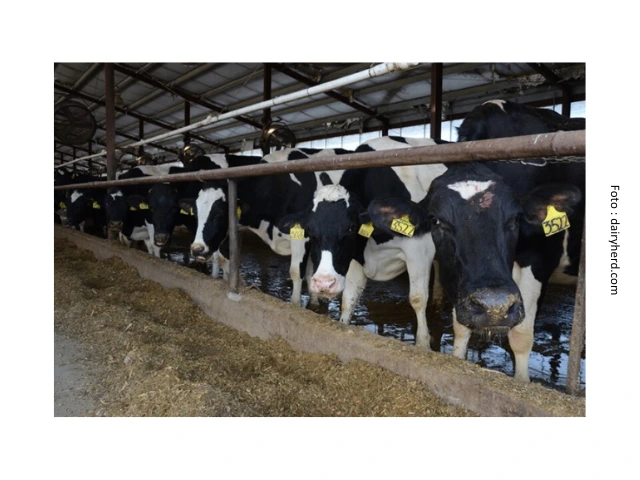
Prolonged droughts and below-normal rainfall disrupt the productivity of forages (such as elephant grass, odot, or raja). Farmers are forced to seek alternative, low-quality feeds such as dried straw or dried agricultural waste. Due to the declining quality and quantity of forage, coupled with decreased appetite due to hot weather, the daily body weight gain (ADG) of beef cattle is affected, which automatically increases operational costs. Continuous consumption of low-quality, crude fiber feed without adequate supplementation risks causing digestive disorders such as acute constipation or bloating.
Cows require approximately 40–60 liters of drinking water per cow per day, even more during the dry season. Drying up water sources also requires farmers to incur additional costs to purchase clean water to prevent dehydration. Furthermore, limited clean water for barn sanitation and udder washing increases the risk of mastitis-causing bacterial infections in dairy farms. Poor water quality also facilitates disease transmission.
Impact on Livestock Productivity
The following is an explanation of the negative impacts on cattle due to stress that occurs if it is not immediately controlled:
A. Beef cattle
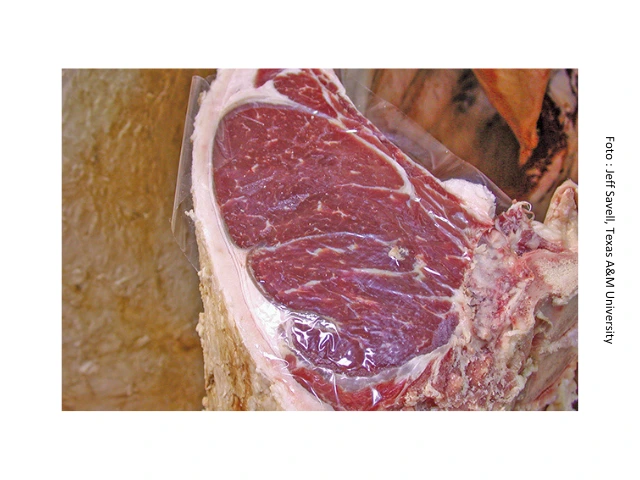
The effect that occurs from chronic stress due to extreme weather is the formation of flesh. Dark, Firm, Dry (Dark, Hard/Stiff, and Dry). When cattle experience prolonged heat stress and nutritional deficiencies, the body continuously burns its muscle energy reserves, called glycogen. When cattle are slaughtered while glycogen is depleted, the process of lactic acid formation in the meat post-mortem is inhibited. The pH of the meat rises above 5.8–6.0 (normally around 5.4–5.7). This high pH makes the meat texture very stiff (firm), the surface looks dry (dry), and the color becomes dark red to black. The natural meat tenderization process after slaughter also relies heavily on protease enzymes in the muscle (such as calpain). These enzymes function optimally within a normal pH range. Because the pH of stressed beef tends to be high, the activity of these enzymes is disrupted, resulting in the meat failing to tenderize during the aging process.
Limited access to clean drinking water during times of stress causes the cow's muscle cells to lose their optimal hydration, disrupting the structure of the meat fibers, and making it chewier/tougher when chewed.
B. Dairy cows
Dairy cows have Thermal Neutral Zone (comfort temperature zone) is relatively low (around 13°C – 25°C). Rising air temperatures due to drought will trigger heat stress, which directly reduces feed consumption. As a result, daily milk production can decrease by between 10% and 30%. Heat stress disrupts physiological processes in the mammary glands. Milk fat content and solid non-fat protein content (Solid non-fat) will usually decrease, thus lowering the price of milk in the processing industry. When it's hot, cows are reluctant to eat forage and usually the concentrate portion is increased to keep them eating. Lack of fiber combined with the cow's picky eating behavior will disrupt the rumen pH, making it too acidic. This condition will kill the bacteria that produce acetic acid, the main raw material for milk fat formation in the udder. Furthermore, when under stress, to meet its energy needs, the cow's body uses the supply of amino acids that should be sent to the udder to be converted into milk protein. As a result, milk protein levels decrease, making the milk thinner.
Control Strategies in Extreme Weather Change Situations
To minimize losses and maintain livestock productivity during the extreme dry season caused by El Nino, livestock management must be strictly adjusted.
A. Treatment environmental cooling
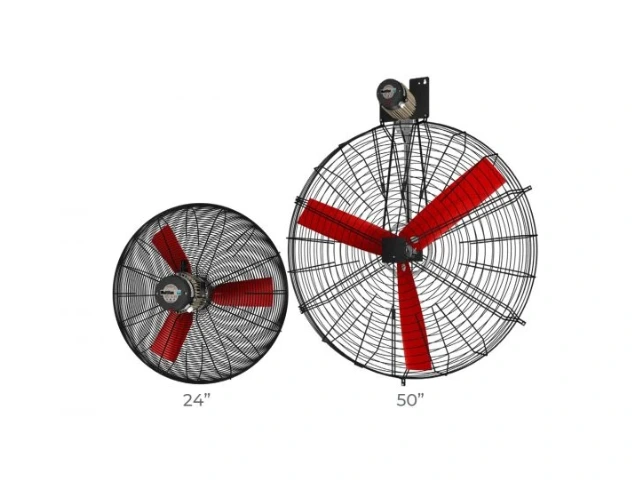
Cooling can be done with the help of foggers, mist drop or sprinkler which sprays water into the environment or directly into the cow's body. Foggers works by spreading very fine water droplets, evaporating quickly and can immediately cool the surrounding air. Mist drop has the same working principle as foggers but it has larger grains of water. While sprinkler, the water droplets are larger and directly wet the skin and hair of livestock. The use of sprinklers combined with fans (fan) provides effective results to reduce the body temperature of livestock and increase their appetite.
B. A shady place to shelter
Ensure the roofing material used does not absorb heat and avoid zinc and asbestos. Adequate ventilation is also necessary to ensure proper air circulation. closed house especially for dairy cows, it can be an alternative solution in creating a controlled environment, with the aim of improving animal welfare, reducing stress, and ultimately increasing milk production. This system is usually equipped with air conditioning (cooling pad), temperature and humidity regulators, and a controlled ventilation system. Creating a cool microclimate inside the cage can be done by using cooling pad and the fan. Cooling pad will help provide cool, comfortable air for the cows by cooling the barn. Meanwhile, fans can help distribute air more evenly throughout the barn and remove hot air from the barn.
C. Handling livestock
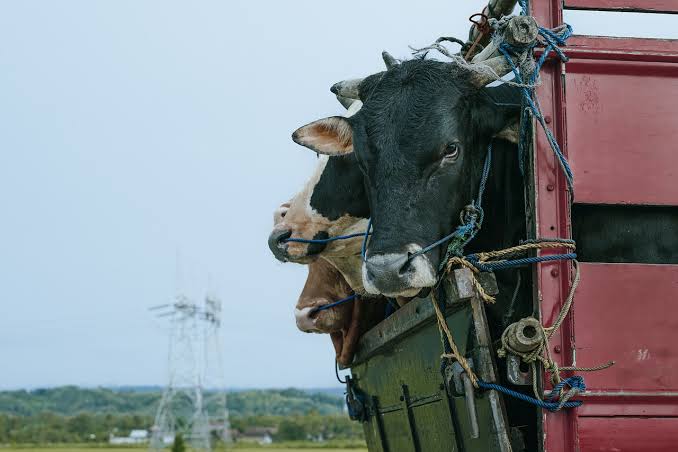
Handling When moving livestock or vaccinating them, care must be taken and avoid rough handling. All roping, eartagging, and dehorning must be done properly. Ensure that no injury or harm is done to the livestock. Avoid any unnecessary harm. handling or treatment This occurs when the cow is stressed or the weather temperature is high. After treatment, immediately provide fresh feed and drinking water and give Bioselvita and Transolite as an energy supplement. Examine and immediately treat any livestock that appears exhausted or dehydrated. They should be isolated and treated until they recover.
D. Reduce the density of the cage
High density in a pen reduces the oxygen capacity of the pen and makes the surrounding temperature much hotter than the outside. Furthermore, the accumulation of feces can produce a high ammonia odor and trigger respiratory infections. Reduce density whenever possible and use a ventilated area. Ammotrol to help reduce the smell of ammonia in the cage.
E. Providing food and drinking water
Combine green fodder or hay with the addition of concentrated feed that is denser in energy and protein and help with the addition of probiotics such as Bacillus sp. (Probiomix) to maintain digestive efficiency. Physically, cows prefer fresh feed. Ensure the physical quality of the cow's feed, especially concentrates, is still good and fresh. If necessary, turn the concentrate feed frequently to encourage the cows to eat. Subsequent feed changes should be made gradually. Add premixes. Mix Plus Cattle Pro Incorporate concentrate or cattle feed to help increase consumption and provide the micronutrients needed by dairy cattle. Feed during cooler times, such as in the morning from 6:00 to 7:00 AM and in the afternoon from 4:00 to 6:00 PM. If necessary, create a feed reserve using silage before the peak of the dry season. Provide fresh, clean drinking water regularly. adlibitum to prevent dehydration in livestock bodies. Transolite can be mixed with drinking water to overcome dehydration and stress when cows have difficulty eating.
F. Providing supplements
Add electrolytes, vitamins, and antioxidants to help the cow's immune system. Transolite As a supplement containing vitamins, minerals, and amino acids, it can help prevent or overcome stress in livestock and also maintain livestock productivity. In addition to conditions heat stress, Transolite It can also be given when livestock are at high risk of stress, such as after vaccination or during transportation. Vitamin C acts as an antioxidant, suppressing stress hormone production, and vitamin B1 can aid energy metabolism and restore the nervous system. It also contains L-Carnitine to optimize fat conversion into energy and accelerate recovery.
The prolonged dry season phenomenon is a challenge for the livestock sector because it can cause problems. heat stress This can disrupt the availability of quality feed. The strategy for dealing with this problem is to implement comprehensive mitigation from a management perspective. handling, microclimate modification, feed and water management, and adequate supplementation. This will improve livestock welfare and maintain the economic value of livestock farming. We hope this is helpful.