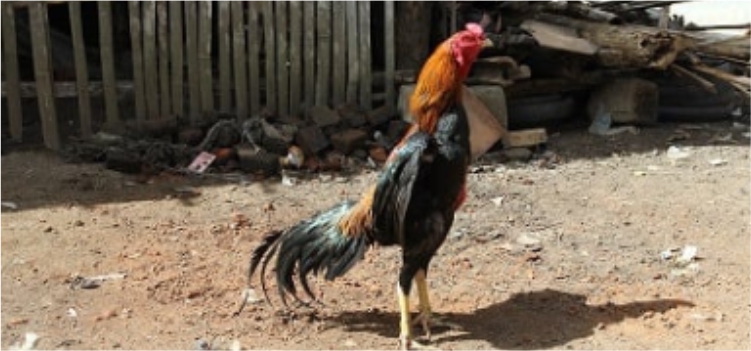
Fighting chickens need stamina, aggressiveness, agility and good hitting power in order to win matches. In addition, the body of the fighting chicken is also important to note in order to achieve the ideal posture. It can be obtained with good care from chicks to adults and ready to compete.
At the beginning of rearing, fighting chickens aged 1-5 months are focused on the growth process. At the age of 6-8 months, chickens can be trained to be physically and mentally ready. Physical exercises are performed to train and flex the muscles. The exercise is done by training the strength of the wings and neck, thigh and leg muscles, breathing, and keeping the chicken's condition strong during the match.
After going through treatment and training, the 9-month-old fighting chicken is ready to be matched with a balanced opponent. Fighting chickens that are ready to be competed have characteristics such as:
- Have good stamina
- Hold pitted until 15-20 minutes each round
- Breath is not easy to pant
- Agile and aggressive
- Fresh red skin on the head, thighs, chest and between the legs
- Shiny/shining fur
Pre-Match Treatment
Preparation for the match can begin 30 days before the match. Preparation for training is done so that the chicken remains prime and ready to fight. Here are the preparations that can be done before the match:
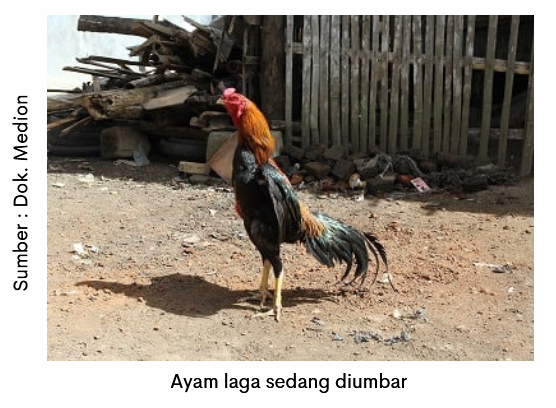
- Do umbar in order to get a fighting chicken with a muscular, healthy and fit body. Chicken Umbar can be started at 10.00-15.00 and when the weather is sunny.
- Provide supplements Super Strong before training every day for a week before competing.
- Give additional feed such as brown sugar, sprouts, fish oil every two days before training or during the day.
- The day before the fight the chickens are rested and not indulged.
- On the day of the game give Super Strong 1-2 hours before the match to prolong the breath and make the fighting chicken stronger, aggressive and powerful.
Post-Match Care
After the game there will be the possibility of the chicken's body parts being injured as a result of blows from the opponent. The wound can become infected if not treated immediately. Chickens can also have internal injuries that are not known from the outside. In addition, the appetite of chickens will decrease and tend to be lazy to move.
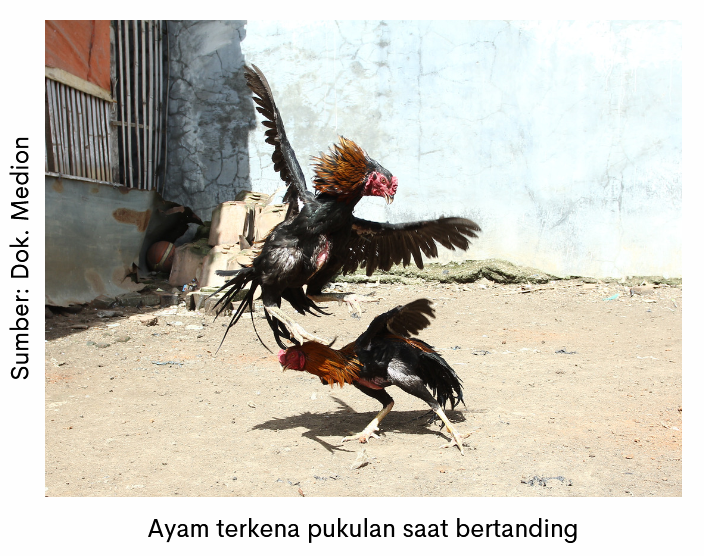
The body parts of chickens that are the target of attack are the head, neck and wings. It is in this part that is often injured when competing. If after competing chickens do not get good care then it can be a bad risk to their health and performance will decrease. Therefore, special care is required immediately after competing to restore the condition of the chickens.
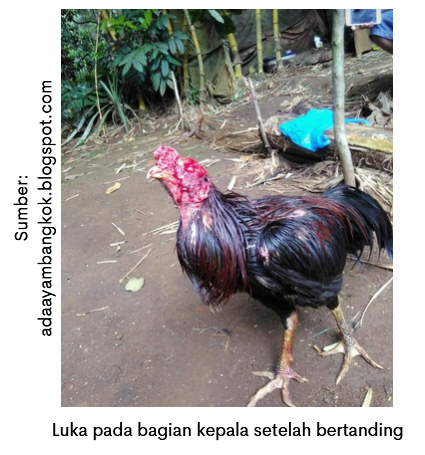
Here are some treatments that need to be done after the chickens compete:
- Clean the chicken's body from blood or dirt with a sponge and clean warm water, especially on the wound.
- Once clean, give Antisep in the area of the wound and apply wound medicine (CIL) to prevent the occurrence of infection.
- Open wounds are prone to bacterial infection. Antibiotics can be given to treat bacterial infections, for example by Tinolin Injection.
- When chickens suffer down veins give Tendefit to reduce swelling and pain in the muscles or chicken thighs.
- After the competition, chickens need a period of rest and good nutrition to restore their body condition. Place the chicken in a separate cage with other chickens so that it can rest and not stress.
- Chickens that have decreased appetite need to be helped by giving diluted feed. The feed can be given with an auxiliary device in the form of a syringe, the end of which has been replaced with a small hose. This needs to be done carefully and painstakingly.
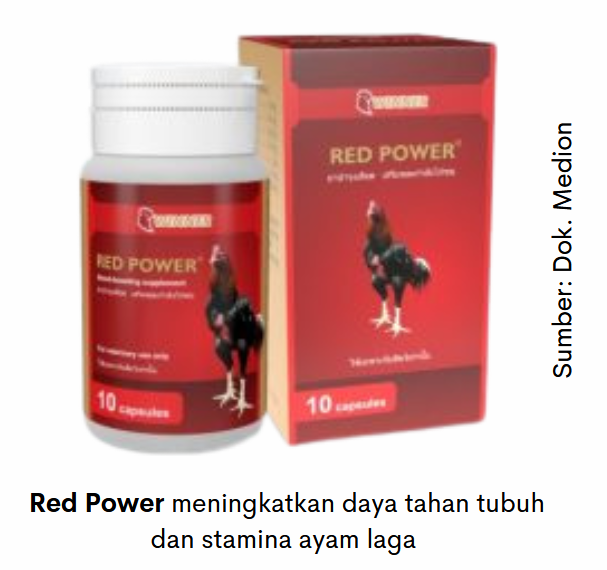
- Give supplements such as Red Power or Red Power Injection to help restore the condition and energy of the chicken after the match.
During the treatment period after competing, fighting chickens need to try not to do strenuous activities and do not compete first. This treatment action will determine the performance of the fighting chicken in the next match. Therefore, care needs to be done well until the condition of the chicken back Prime.