Mrs. Sharon
Malang-East Java
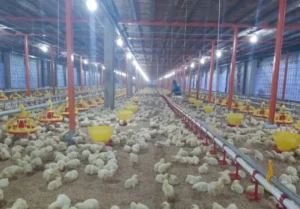
I was just trying to raise broilers. When my chicken was 5 days old I noticed there were symptoms of breathing heavily in my chicken but no sound, and the pace was getting faster and faster until there were several dead chicks. What happened to my dog and how can I fix it? Thanks for the reply.
Answer:
Respiratory distress in chicks can be caused by various factors. Based on the clinical symptoms that the mother has mentioned, the diagnosis leads to a disease called Aspergillosis or brooder pneumonia. However, it is necessary to perform carcass surgery to reaffirm by looking at the anatomical changes in the chicken's body caused by the disease.
Aspergillosis is a respiratory disease caused by fungi. Aspergillosis is more common in chicks, but there have been reported cases of Aspergillosis in adult chickens. Hyphae (cells that make up the fungal body with an elongated, threadlike shape) of the fungus Aspergillus sp. will stick to the air bag (air sac) and other respiratory organs, then cause pathological changes and irritate the respiratory tract so that chickens experience shortness of breath without sound (gasping).
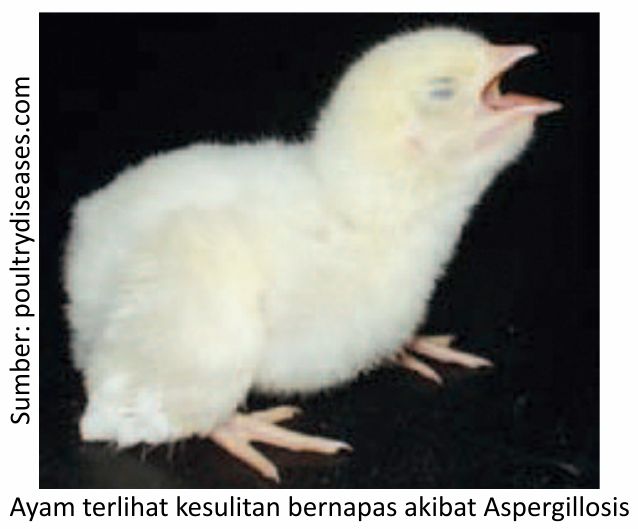
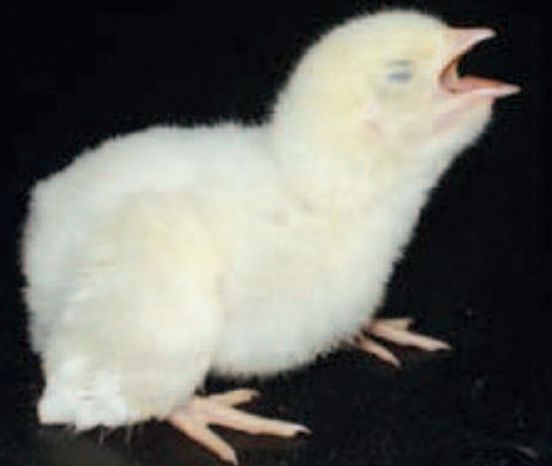
The clinical symptoms of the acute form are that the chicken has difficulty breathing (dyspnea), the neck is extended upwards, the frequency of breaths increases and the appetite decreases. This results in the growth of chickens will be hampered. While in the chronic form, which is commonly found in adult chickens, the above symptoms can continue blueness, emaciation and lead to death.
Main routes of transmission Aspergillosis is through breathing (inhalation of fungal spores). Husklitter), cage equipment, rations and drinking water contaminated with fungal spores Aspergillus sp. can be a medium of fungal transmission. In addition, transmission can be through eggs. Di hatchery, transmission Aspergillus sp. it is easy to happen inside the incubator chamber contaminated eggs plus the conditions inside the incubator are ideal for growth Aspergillus sp. If the process of fumigation/disinfection of the incubator room is not carried out optimally or the eggs are not in a completely clean condition, then the fungus can grow and its spores contaminate other eggs.
When Aspergillus sp. attack on the mother chicken, the effort that can be given is:
- Do culling in chickens, the condition is severe.
- Do the selection of moldy rations, then dry the moldy rations in the sun or heated.
- In addition to the above, it is also possible to increase the amount of vitamin C in the body by increasing the amount of vitamin C in the body (vitamin high concentrate) like Fortevit.
- To help relieve Aspergillosis can be given antifungals cupri sulphate 1 gram/5 liters of water to drink for 3 days.
When attacked by fungal diseases, the chicken's immune system also decreases due to reduced antibody production. This condition can be aggravated by stressful conditions and facilitate the appearance of other diseases. Therefore, it is desirable to carry out prevention before fungal diseases affect chickens. The main principle of aspergillosis prevention is to maximize the sanitary aspects from breeding to raising chickens on farms. Things to note include:
- Cage sanitation, including cleaning, washing and spraying the cage with Formades, Antisep or Sporades. Regularly clean the feed and drinking places. After brushing and washing, the feeders and drinkers are soaked in Medisep.
- Restrict guests entering the area farm.
- Store rations in a dry place, because a humid environment will cause mold growth in the ration, ration sacks should not be attached to the walls of the storage room. Applying the system first in first out in the ration, the ration that comes first is given to the chicken.
- Laboratory examination of the possibility of fungal contamination of the ration.
- The growth of fungi (mold inhibitor) when weather conditions are unfavorable, especially the rainy season.