Dad Dani
Cirebon-West Java
Is giving herbal medicine better than chemical medicine to treat chickens?
Answer:
Herbal ingredients, which are mostly derived from plant extracts, have been known to have various nutrients and chemical compounds (bioactive substances) that are nutritious and able to function as supplements, antibacterial, antiparasitic, and antiprotozoa. The use of herbal ingredients is increasingly widespread.
In the poultry world itself, some farmers began to use herbs to reduce excessive chemical drugs in chickens because it is feared will lead to resistance if the administration is not according to the rules and cause residues in meat products or eggs produced. So it is dangerous if consumed continuously for a long time.
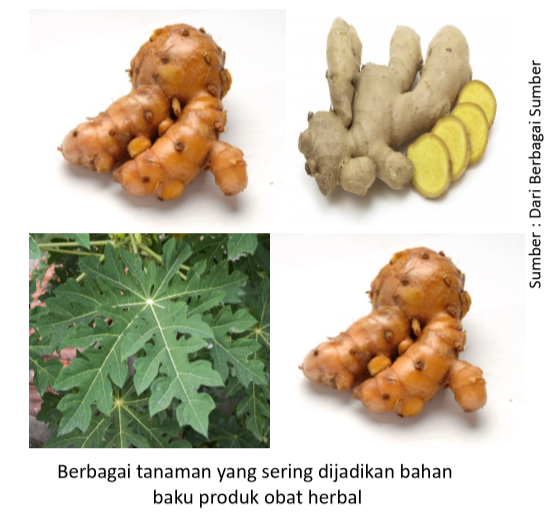
The difference between herbal medicine and chemistry lies in the level of risk of resistance and also withdrawal time-her. For the use of chemical drugs is commonly used in the community. This common use has not been accompanied by strict control from the government, so that farmers can be found using drugs that do not fit the rules of use (eg: increased dose 2x fold, long Administration), as a result the possibility of resistance is higher when compared with herbal medicines that have range wide dosage. Likewise with the withdrawal time on chemical drugs.
Herbal medicine can be said to be good and safe if the entire production process, from planting medicinal plants, treatment, harvesting, drying, extraction, storage, making drugs to their distribution should not be done carelessly. Herbal medicinal raw materials must be free of heavy metals, fungi, or pesticides. The production process must also be carried out in a standardized manner. If both herbal and chemical drugs are produced according to the correct requirements or standards such as the standard for making good veterinary drugs/CPOHB or Ministry of Agriculture regulations, then both of these medicinal products (herbal and chemical) are equally feasible and provide optimal results when given to chickens.
According to the Ministry of Agriculture (decree of the Minister of Agriculture No. 453 of 2000 on natural medicines for Animals), Regulations and standards for the manufacture, supply, and circulation of herbal products for animals in Indonesia are the same as synthetic products, among which are:
- Herbal products intended for animals (including poultry) must be safe for animals, humans and the environment. One of the concerns is the contamination of herbal plants by heavy metals and insecticides.
- Herbal products must have efficacy / efficacy according to the purpose of treatment (for Disease Prevention, disease treatment, or growth promoter) and quality with appropriate quality standards (passed the Test at the Center for quality testing and certification of Veterinary Drugs/BBPMSOH). Although herbs have been known to contain antioxidants, antibiotics, and natural immune system boosters, in-depth research must continue.
- There are restrictions on the number of types of herbal/plant ingredients that may be used in one product. For example, in one product at most 10 types of plants are contained. This is because the testing process is difficult, long, and not cheap.
- There is also the possibility of it happening. “drug interaction” from each type of herbal plant if it contains more than one type of herb. Whether synergistic, addition, or antagonistic.
- It is necessary to standardize the size / dosage used. For example, the size of “handfuls” should be standardized by mentioning the units, for example (weight = grams, volume = ml).
- It is necessary to standardize the dosage for how much / amount, time, and frequency of use in a day. Herbs used for the treatment of certain diseases can have a negative effect when their use is not properly dosed.
To ensure the reliability of herbal medicinal products, the following checks can be carried out:
- Research in advance the content of active substances in it, make sure that it corresponds to the purpose of treatment.
- Follow the recommended directions for use.
- Pay attention to the side effects and interactions of these products.
- Check the expiration date.
- If there is still something that is not understood, consult the relevant field technician or veterinarian.
Herbal medicine has been used since hundreds of years ago and shows its benefits for chickens, herbal medicine can be used to prevent disease, improve health, and accelerate disease recovery. Standardized herbal medicine is an alternative to chemicals where quality is guaranteed, effectiveness is proven through research and of course safe.
Regarding the use of herbal products, there is no prohibition on their use, but you should choose herbal products that are standardized. Several veterinary drug companies, including Medion, have now developed several herbal products that are safe and have been standardized, both the quality of raw materials and finished products. Examples Ammotrol which serves to bind ammonia gas in the cage, and Kumavit which acts as a herbal multivitamin supplement that can increase livestock productivity. In addition, there are also Imustim to improve the immune system, appetite, and assist in the recovery of livestock health. Heprofit to protect liver cells from damage and optimize the performance of poultry and Respitoran to help overcome respiratory disorders during bacterial and viral infections and help overcome respiratory disorders due to post-vaccination reactions of active vaccines.