Father Joseph
Email : yusuftoriqfai45@gmail.com
When the age of laying hens is more than 28 weeks, it is indicated that they are affected by EDS, can it still be overcome with the EDS injection vaccine?
Answer :
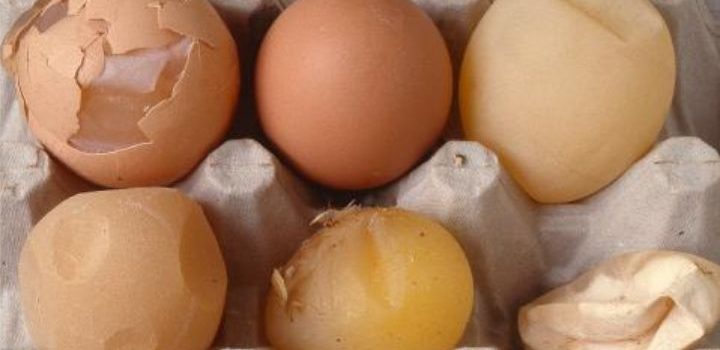
Dear. Joseph, thank you for the question. Disease Egg drop syndrome (EDS) disebabkan oleh virus Avian Adenovirus Type I, which has the ability to agglutinate red blood cells. EDS disease usually affects laying hens near the peak of production, which is around the age of 25-26 weeks. Chickens affected by EDS will appear healthy and do not show symptoms of illness but there is a drastic decrease in production accompanied by a decrease in egg quality.
Egg shells change color to become paler, thinner or rough textured and change shape (shrink), even eggs are not found. Egg production can drop by 20-40% over 6-10 weeks. Such specific clinical symptoms appear 7-9 days after infection with the virus. From the results of chicken surgery, anatomical pathological changes can be found in the form of oviduct which becomes loose and there is oedema (accumulation of fluid) in the subserous tissue.
EDS disease is a viral disease (virus) that has no cure, therefore the application biosecurity strictly speaking, the implementation of good maintenance procedures, and proper vaccination is the most appropriate prevention of EDS disease. Eds vaccination in time pullet performed at the age of 15-16 weeks or about 2-3 weeks before the production period.
If the test results monitor antibody titer during the production period found a picture of EDS titer that deviates from baseline titer, then this can be a consideration for revaccination.
EDS cases are relatively rare emergency vaccination (vaccination when chickens are infected), moreover, the available vaccine is inactive so that the response to the formation of protective antibody titers will take a long time.
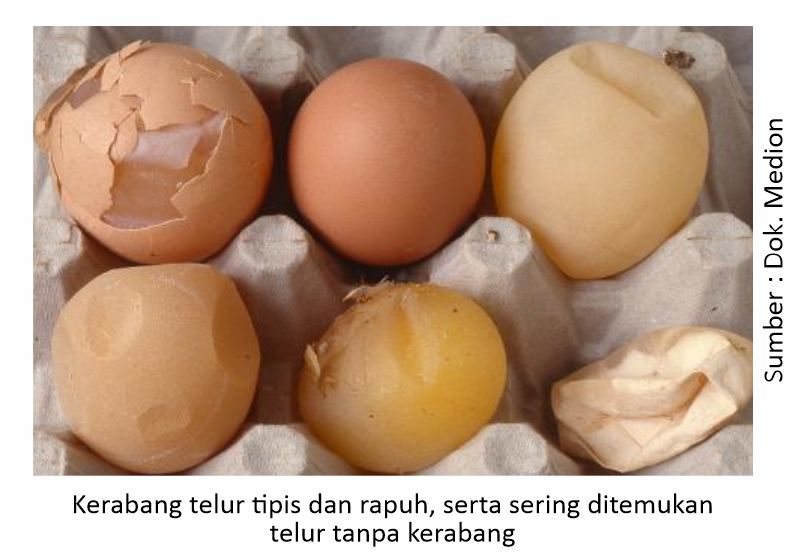
It should be noted that if the disease has infected, then the actions that you can take include:
- Conduct selection and isolation of affected chickens based on the severity of the disease. Perform selection on chickens that have been severe or non-production for 5-7 days or judging from the continuity of their eggs.
- Provide vitamins to increase the stamina of the chicken body by using Vita Stress or Fortevit. Anti-inflammatory therapy (Imustim) it can be given to maintain immune function.
- Provide rations with nutrients that match the needs of chickens in each period of maintenance, especially for the content of protein, amino acids, energy, fatty acids, calcium, phosphorus and vitamin D (plays a role in the formation of eggs). In addition, it is also necessary to add vitamin supplements such as Strong Egg or Egg Stimulant to help increase and prolong egg production.
- Disinfecting cages and equipment using Medisep or Neo Antisep. Perform disinfection of drinking water using Desinsep to reduce disease transmission through drinking water.
- Do monitor antibody titer against EDS routinely at least once every 1 month to see antibody titer status and determine a repeat vaccination schedule (revaccination). Monitoring eds antibody titer performed routinely will provide an overview baseline titer (standard titer)of a farm. If, after a serological test, a picture of EDS titers deviating from normal is found, then this can be an early warning (early warning system) to the condition of chickens.
- If a bacterial secondary infection is found, it is necessary to administer antibiotics such as Trimezyn, Neo Meditril or Therapy.
- Improve maintenance management, regular weight control, organize lighting programs, create comfortable conditions, minimize stress factors, and provide rations and drinking water of the right quality and according to the needs of the body.